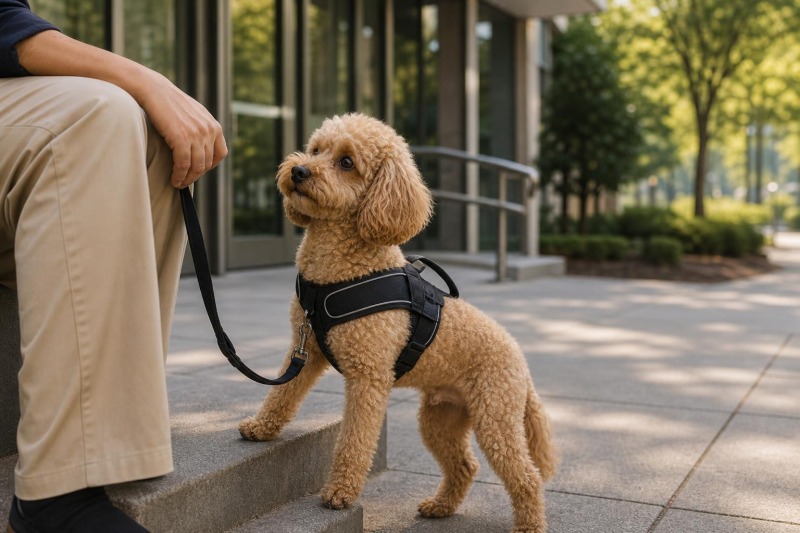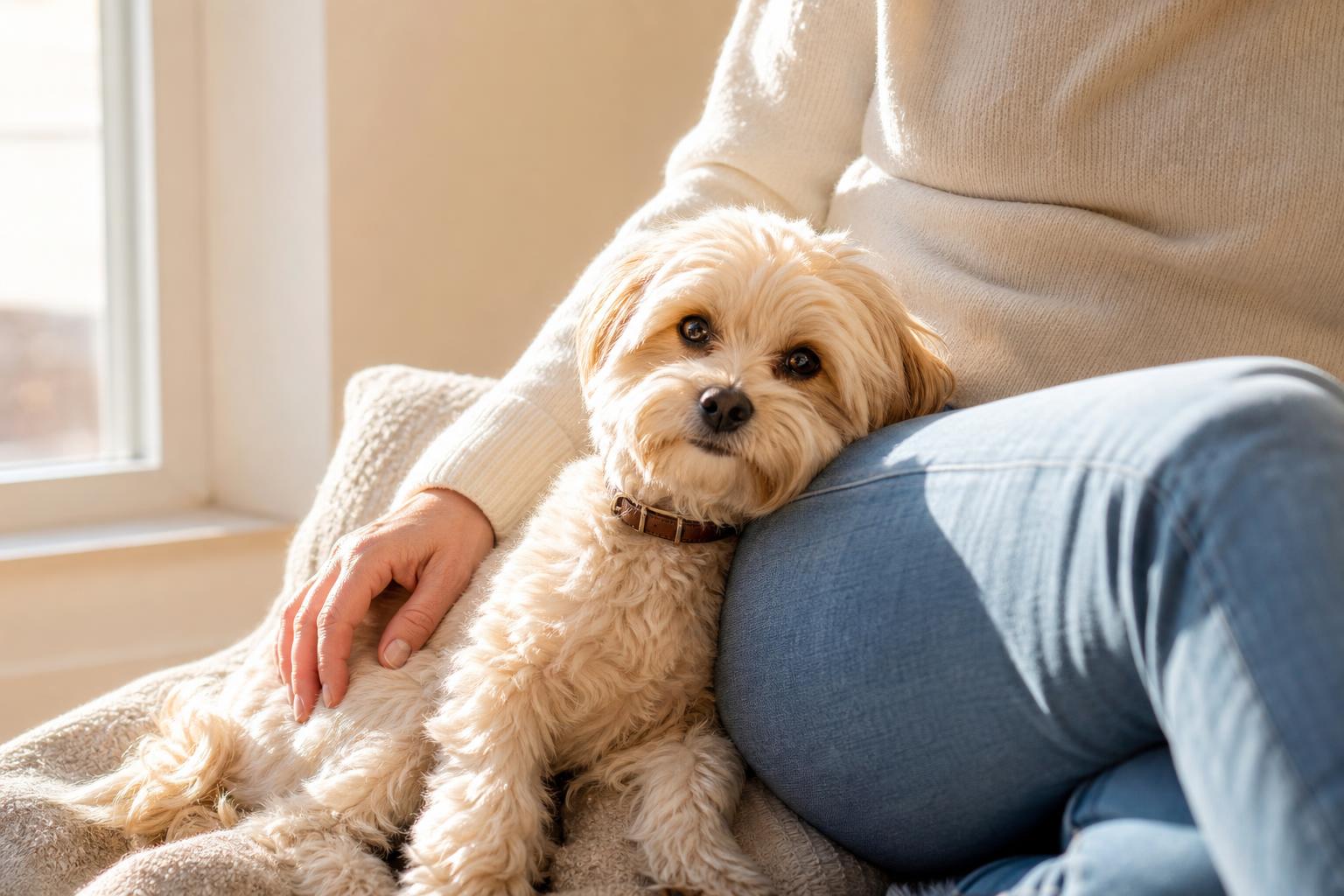
Small dogs can fit some homes and routines particularly well, but convenience depends on the individual. Consider handling, exercise, training, grooming, and health needs alongside their easier transport.
That matters even more for people looking into companion dogs, therapy dogs, and certain service-related support roles. A good companion is not measured by size alone. Temperament, trainability, sensitivity, adaptability, and a natural desire to stay close all count for far more. Small dogs often bring those traits in abundance, and they do it in a package that fits modern life better than many people realize.
Small Dogs Fit Into Everyday Life With Ease
One of the clearest reasons small dogs make great companions is simple: they are easier to live with day in and day out. Whether a person lives in a farmhouse, a suburban neighborhood, a retirement community, or a second-floor apartment, a small dog can usually settle in without a great deal of fuss. They need exercise, no question about that, but most do not require the same amount of space or physical output as larger breeds.
That makes a real difference for older adults, busy families, first-time dog owners, and people managing physical limitations. A small dog is easier to lift into a car, easier to groom at home, easier to bathe in a sink or tub, and easier to travel with. If someone wants a dog that can comfortably share quiet mornings, afternoon errands, and evenings on the couch without turning the whole household upside down, a small breed often makes excellent sense.
There is also less intimidation for visitors, children, and folks who are nervous around dogs. A calm little dog can create warmth in a room without overwhelming it. That is a big reason small breeds are often appreciated as companion animals for people who want closeness without the physical demand that can come with a large dog.
The Best Companions Stay Close
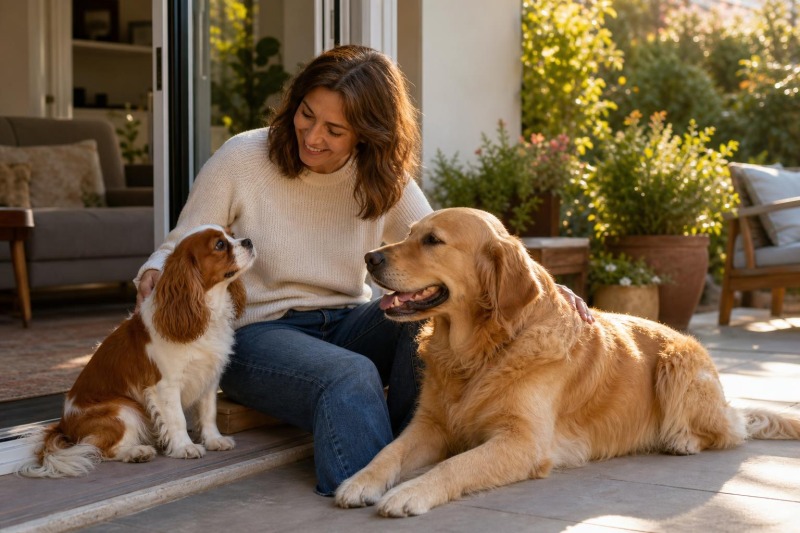
If you spend enough time around dogs, you learn that some are built to range and some are built to stay near. Many small companion breeds were developed with human closeness in mind. They want to know where their person is. They want to rest nearby, follow from room to room, and settle in when the day slows down. For someone seeking emotional support, daily company, or a dog that naturally bonds hard with its household, that trait is worth its weight in gold.
When the house is heavy and somebody is having a rough day, a good small dog often senses it before a word is spoken. They nudge a hand, lean into a leg, or quietly claim a spot beside you like it is the most natural thing in the world. That kind of sensitivity is part of what makes many small dogs such strong candidates for companion and therapy work.
Why Their Size Can Strengthen the Bond
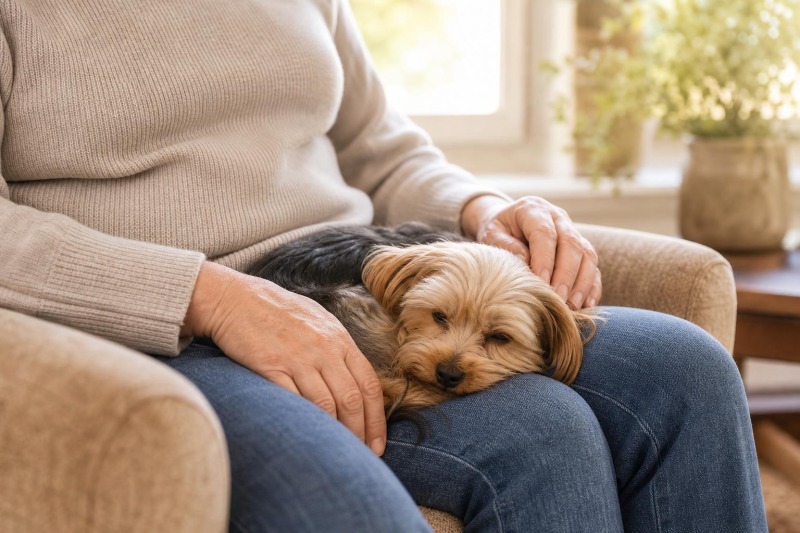
There is something about a dog that fits comfortably in your lap, by your side in a chair, or tucked against your hip on a hard day that creates a special kind of attachment. Small dogs are physically accessible in a way larger dogs often are not. For seniors, children, or people recovering from illness, that matters. The ability to hold, stroke, and keep a dog close can be calming, grounding, and deeply reassuring.
This does not mean every small dog is a lap dog by nature, but many are wonderfully suited for close contact and regular handling. That can strengthen trust and make the dog more woven into the rhythm of daily life.
Small Dogs Can Be Excellent Therapy and Support Prospects
There is a common mistake people make when discussing therapy dogs or support dogs: they assume a larger dog automatically offers more value. In truth, the right dog for the job depends on the person, the setting, and the tasks involved. Small dogs can shine in therapy settings where a gentle, approachable presence is needed. They are often less imposing to hospital patients, nursing home residents, and young children. In close indoor spaces, their compact size is an advantage rather than a limitation.
Many small dogs are highly observant and responsive to routine. They can learn manners, basic cues, and calm public behavior when trained properly. Some also perform well in emotional support roles because they remain so tuned in to their owner’s habits and emotional state. While not every small breed is suited for advanced service work, many can assist with alerts, retrieval of lightweight items, interruption behaviors, and comfort-based support, depending on the individual dog and the handler’s needs.
For people researching therapy dogs, service dogs, or companion dogs, the key is not to dismiss the little ones too quickly. A steady temperament, confidence, and willingness to learn matter more than sheer size in many circumstances.
They Are Often Easier to Manage Financially and Physically
Let us speak plainly, because practical matters count. Small dogs often cost less to feed than large dogs. Many medications are cheaper. Crates, beds, harnesses, and travel gear are usually more affordable and easier to store. Veterinary care is never cheap these days, but routine care for a small dog can sometimes be more manageable for the average household than care for a giant breed.
Physical management is easier too. If a small dog gets tired, injured, or nervous in a crowd, most owners can safely pick the dog up. That can be a blessing in busy environments or emergency situations. For people with limited strength, that ease of handling can be the difference between successful dog ownership and daily frustration.
None of this means small dogs are low-commitment. They still need training, socialization, grooming, veterinary care, and structure. But from a day-to-day standpoint, they often present fewer physical hurdles, which opens the door for more people to enjoy the companionship of a dog.
Small Dogs Have More Grit Than People Expect
Now here is something an experienced dog man will tell you straight: little dogs are too often underestimated. Spend enough time around them and you will see grit, intelligence, and plain old determination that would make some big dogs blush. A well-bred, well-raised small dog can be bold without being reckless, affectionate without being needy, and alert without becoming a nuisance.
Their bodies may be small, but many carry themselves with confidence. That spirit can make them fun to train and enjoyable to live with. When owners treat them like real dogs instead of fragile ornaments, small breeds often rise to the occasion.
Training Makes All the Difference
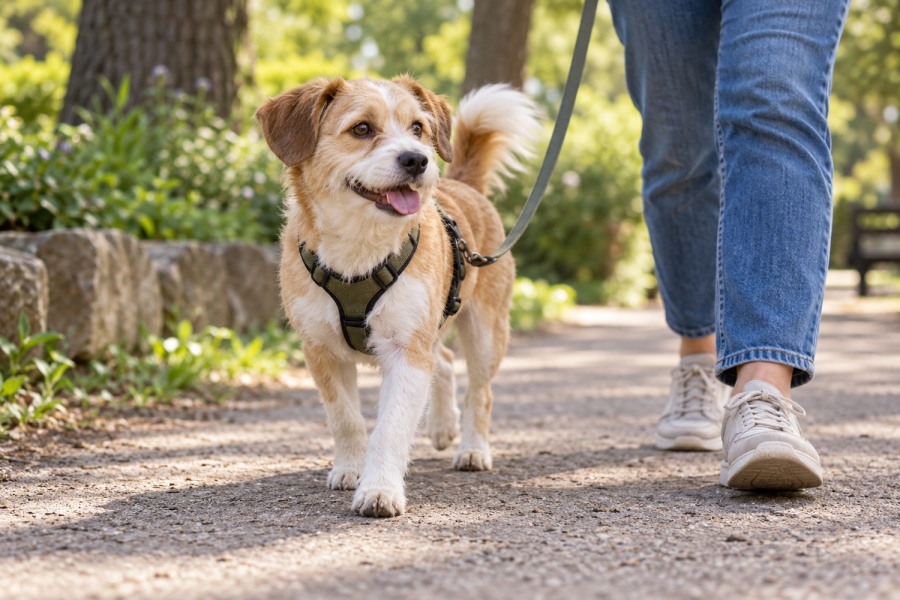
Any dog, big or small, can become hard to live with if training is ignored. Some people excuse bad behavior in little dogs because the dog is easy to physically control. That is a mistake. The best small companions are taught clear boundaries, calm greetings, leash manners, and the ability to settle. With that foundation, their positive traits really come through.
A trained small dog is a pleasure in the home and in public. They can join outings, visit friends, ride quietly in the car, and adapt to many situations without turning every event into a production. For therapy and companion roles especially, steadiness matters just as much as affection.
They Suit Many Different Households
Another reason small dogs make great companions is their versatility. A retired couple may want a dog that offers company without requiring miles of daily exercise. A young professional may need a breed that fits apartment life and travel plans. A family with respectful children may want a dog that is affectionate, manageable, and easier to include in everyday routines. In each of those homes, the right small dog can fit beautifully.
They also tend to be easier to bring along. Whether it is a trip to a friend’s house, a weekend away, or a visit with relatives, a small dog can often travel more comfortably and with less stress than a large one. For people who do not want to leave their dog behind all the time, that portability is a major advantage.
And for individuals who simply want a constant companion, small dogs often excel. They are present. They notice things. They stay connected. In a world where plenty of people feel isolated, that everyday closeness is not a small thing at all.
Choosing the Right Small Dog Matters
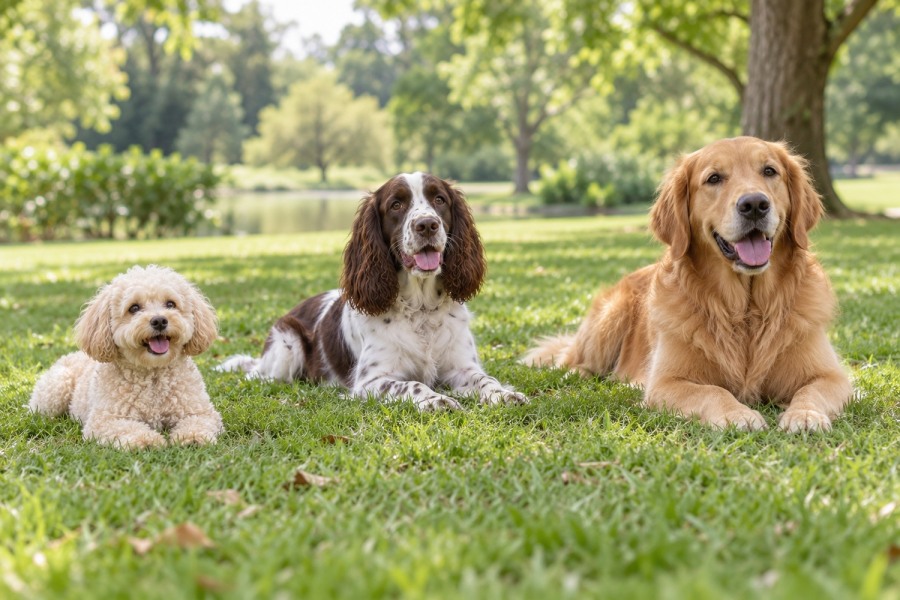
Not every small breed has the same energy, grooming needs, or temperament. Some are lively and outgoing. Others are quieter and more reserved. Some do well in active homes, while others prefer a steadier pace. Anyone interested in a companion dog, therapy dog prospect, or service-support candidate should look closely at breed traits, health considerations, and individual personality.
Meet the dog if you can. Watch how it responds to people, noise, handling, and unfamiliar situations. A good companion should not only be cute. It should be stable, willing, and suited to your daily life. That careful match is what turns a pleasant pet into a truly valuable partner.
Small dogs do that every day. They adapt well, bond closely, travel easily, and offer comfort in a form that many households can realistically manage. For companionship, emotional support, therapy potential, and everyday loyalty, they deserve far more credit than they sometimes get.
If you are looking for a dog that can share your routines, lighten the quiet hours, and stay close through all seasons of life, do not overlook the little ones. A small dog may not take up much room in the truck, on the couch, or by the bed, but before long it will take up a mighty large place in your life.