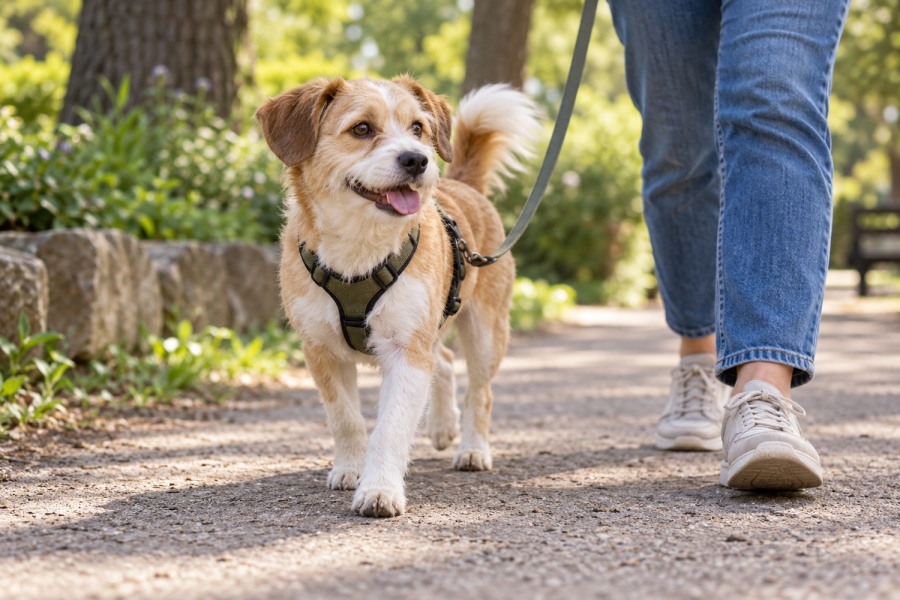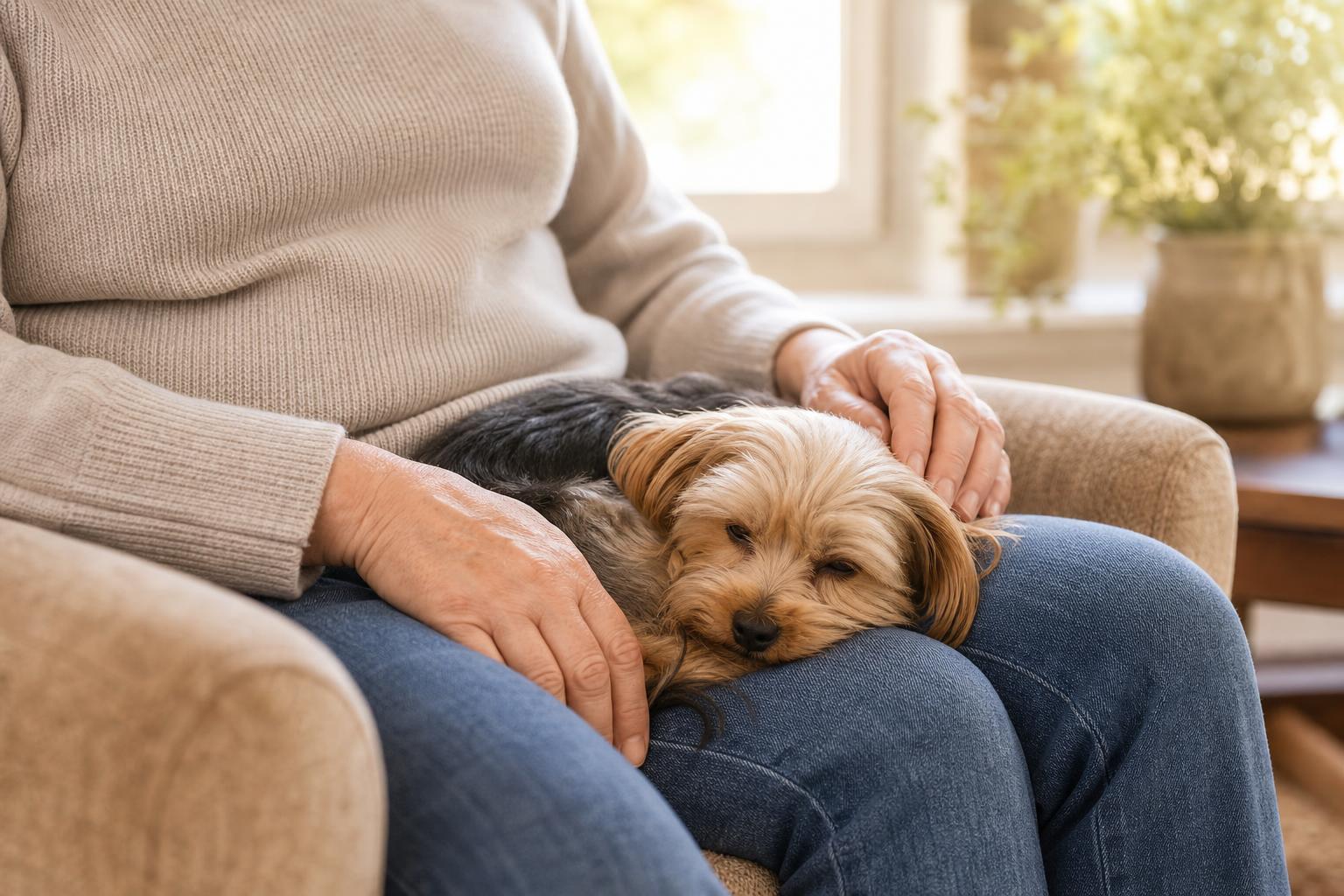
A lap dog is a household description, rather than a promise about temperament or activity. Small dogs still need exercise, training, comfortable rest, and control over when they accept close contact.
Some are bold little creatures with enough confidence to fill a barn. What separates them is not just their size but their purpose. Lap dogs are built for companionship first. They are the kind of dogs that want a warm seat, a familiar voice, and a daily place in the rhythm of your home.
Where the Term “Lap Dog” Comes From
The phrase goes back centuries. Long before modern dog sports and breed clubs, small companion dogs were treasured by nobles, merchants, and families who wanted a pleasant household dog rather than a hunter, herder, or guardian. These little dogs were often carried, coddled, and welcomed into close living quarters. In many homes, they served as comfort animals before anyone used a formal term for it. They brought warmth, company, and calm, especially in quieter domestic settings.
That history still matters today. When people ask, “What is a lap dog?” they are usually asking about a dog whose natural role is emotional closeness. That does not automatically make the dog a therapy dog or service dog, but it does explain why so many lap dog breeds are also excellent companion dogs. Their instincts draw them toward people, and that creates a powerful bond in the right home.
Size Helps, but Temperament Matters More
Most lap dogs are small enough to sit comfortably in someone’s lap, but size by itself is not the deciding factor. A little terrier may be compact, yet too busy, independent, or driven to spend long stretches lounging still. On the other hand, a slightly larger dog with a gentle, cuddly disposition may fit the lap dog role beautifully. Temperament is the backbone of the category.
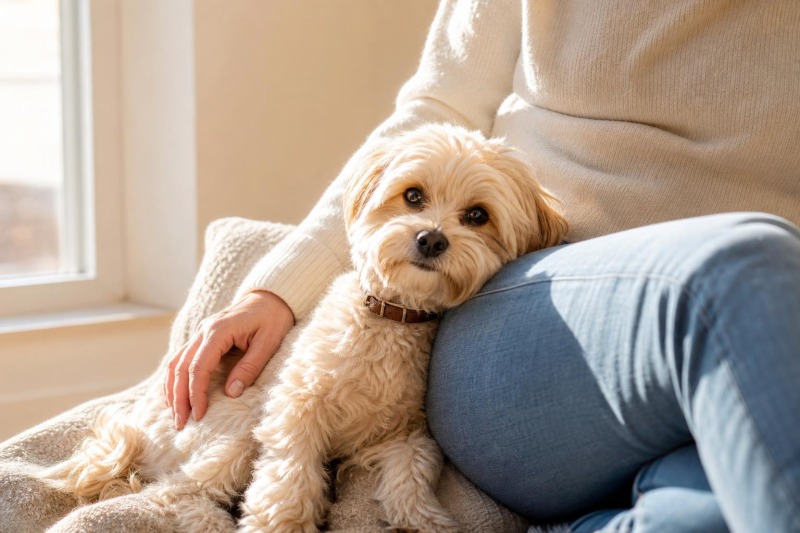
Lap dogs tend to enjoy physical closeness. They often follow their owners from room to room, settle nearby without much fuss, and seek out touch and reassurance. Many have a soft social style that works well in apartments, family homes, and quieter households. They may still need exercise and structure, but they generally thrive most when they are treated as part of everyday life instead of being left alone for long hours.
They Are Bred for Human Connection
Many lap dog breeds were developed with companionship in mind rather than labor in the field or on the farm. Dogs are easier to understand when you know what they were built to do. A retriever wants a job. A hound wants a trail. A lap dog wants your company. That purpose shapes behavior in deep, lasting ways.
Because of that, lap dogs often read human emotion well. They may be quick to respond to tone of voice, changes in routine, or shifts in mood. That sensitivity is one reason they are so loved by seniors, singles, families, and people seeking a comforting companion.
Common Lap Dog Breeds
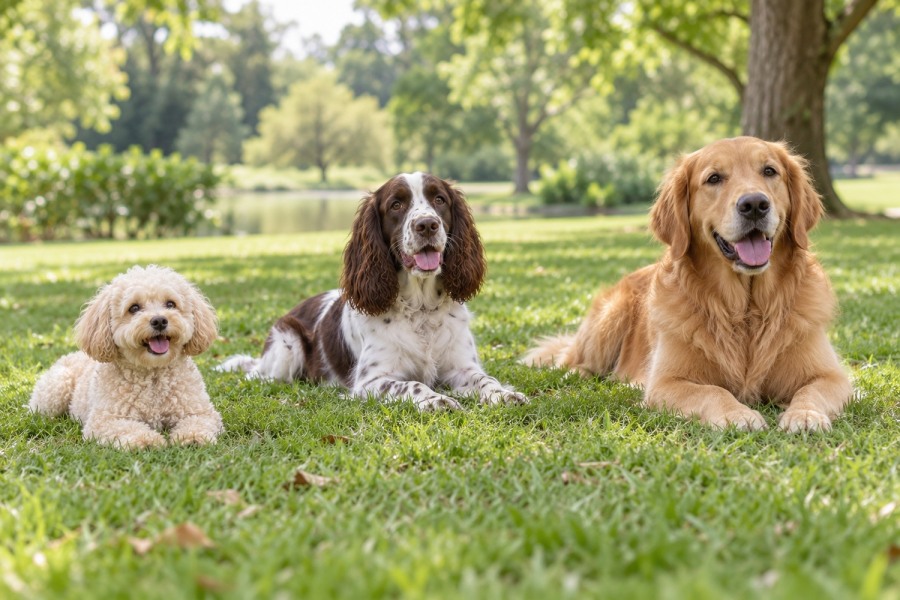
Several breeds are widely known as lap dogs, though each one has its own flavor. The Cavalier King Charles Spaniel is a classic example, affectionate and gentle, with a soft expression that wins people over in a hurry. The Shih Tzu was bred to be a companion and still carries that easy closeness into modern homes. The Maltese, Pekingese, Havanese, Bichon Frise, and Pug also come to mind when folks think of lap dogs.
Then there are breeds that can be lap dogs in the right setting, even if they have a bit more spark. Chihuahuas often bond deeply with one or two people and love to burrow in close. Toy Poodles combine brains with affection and can be wonderful household companions when given enough engagement. French Bulldogs, with their stout build and people-loving ways, are often perfectly content to sit near their owners and soak up attention.
Mixed-breed dogs belong in this conversation too. A pedigree can tell you a lot, but the dog in front of you tells you more.
Are Lap Dogs Good Family Companions?
In many cases, yes. A well-bred, well-socialized lap dog can be an excellent companion dog for families, retirees, and first-time dog owners. Their smaller size makes them easier to manage physically, and many adapt well to indoor living. For people who want a dog that values closeness more than rugged outdoor work, lap dogs can be a natural fit.
Still, it pays to be honest about household energy. Some lap dogs are delicate around rough handling. Others become clingy without training and routine. If there are young children in the home, supervision matters. A small dog can be deeply loving and still get overwhelmed if grabbed, chased, or handled like a stuffed toy. The best family matches happen when everyone respects the dog’s size, signals, and need for calm downtime.
Lap Dogs and Companion Dogs
A lap dog is often a companion dog, but the two terms are not identical. Companion dog is a broader category. It includes dogs of many sizes whose main role is to provide friendship and emotional closeness. A lap dog is usually a smaller, more physically cuddly type of companion dog. Think of it as a subset rather than a separate world.
Lap Dogs and Therapy Dogs
Therapy dogs are trained and evaluated to provide comfort in places like hospitals, schools, nursing homes, and counseling settings. A lap dog may have the gentle temperament needed for therapy work, but being affectionate is not enough on its own. Therapy dogs must stay calm around strangers, tolerate unusual environments, and work safely under control. Some lap dog breeds excel here because they naturally enjoy human contact and have a soothing presence.
Lap Dogs and Service Dogs
Service dogs are task-trained to help a person with a disability. That training is highly specific, and the dog’s legal role is defined by the work it performs. Some small dogs can become service dogs, particularly for tasks like medical alert or psychiatric support, but a lap dog is not automatically a service dog. This is an important distinction. A dog can be comforting, devoted, and emotionally helpful without being a trained service animal.
Do Lap Dogs Need Training?
They surely do. One mistake people make with small dogs is assuming their size excuses poor manners. A forty-pound dog that jumps, barks, guards resources, or panics when left alone is a problem. A ten-pound dog doing the same things is still a problem, just easier to pick up. Good lap dogs need boundaries, socialization, and confidence-building like any other dog.
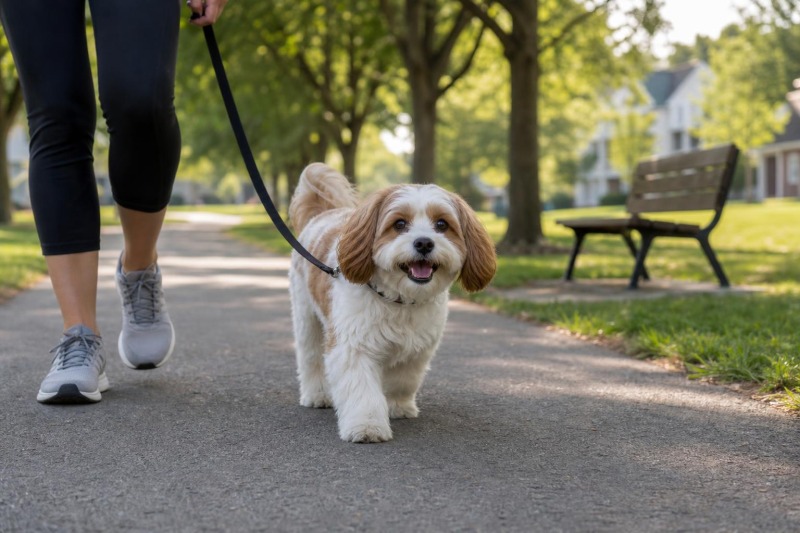
House training, leash manners, polite greetings, and alone-time practice are worth their weight in gold. A lap dog that learns to relax independently will be far easier to live with than one that demands constant contact. The best close companions are not the clingiest ones. They are the dogs that trust you enough to settle, adapt, and move through the day without unraveling every time you stand up and leave the room.
Is a Lap Dog Right for You?
If you want a dog whose greatest joy is being with you, a lap dog may be a fine choice. They suit people who value affection, manageable size, and a home-centered lifestyle. They can fit apartment living, travel well depending on breed and temperament, and often provide the kind of steady companionship many people are looking for when they begin researching therapy dogs, service dogs, or companion dogs.
But you should also be prepared for grooming needs, potential separation issues, and the responsibility of protecting a small dog in a big world. Hawks, larger dogs, rough handling, and extreme temperatures all pose greater risks to a tiny companion. A lap dog may live close to the hearth, but it still needs sensible care, exercise, veterinary support, and a real understanding of canine behavior.
And there is wisdom in remembering that usefulness comes in more than one form. Some dogs fetch birds, some guide the blind, some sit quietly with the hurting, and some simply offer the kind of loyal nearness that eases a hard day. A good lap dog does not need to cover miles or carry a title to matter. Sometimes the finest work a dog can do is rest its head on your knee and remind you that you are not alone.
So, what is a lap dog? It is a small, people-oriented dog built for closeness, comfort, and companionship. While many lap dogs make wonderful household pets, some can also go on to become therapy dogs or even service dogs when their temperament and training align with the job. The key is to see the dog clearly for what it is: not a decoration, not a toy, but a living partner shaped by breeding, care, and relationship.
If you are considering one, take your time. Look beyond looks, study temperament, and choose a dog that matches your home and expectations. Done right, a lap dog can be one of the most faithful companions a person ever knows.