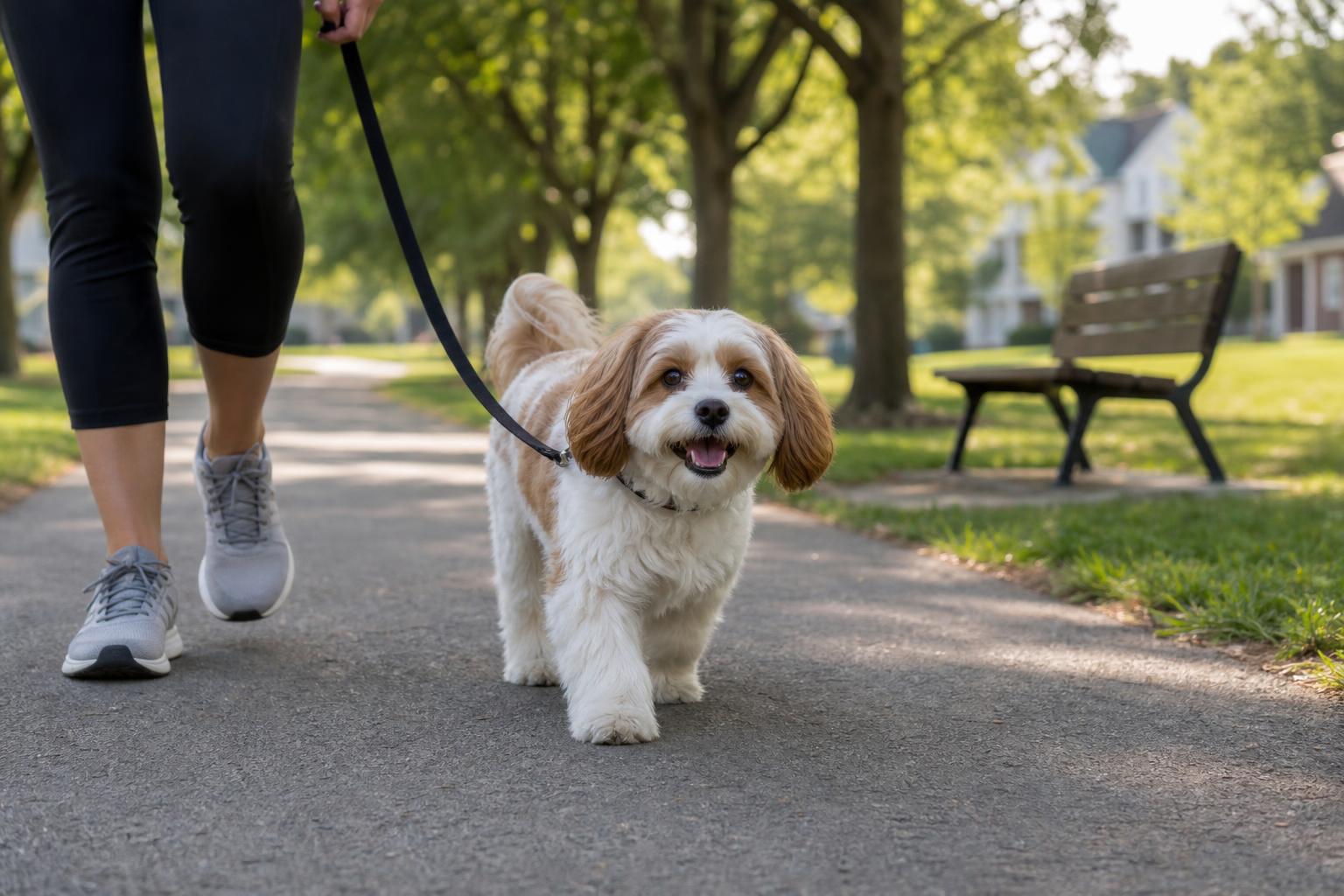
A small body does not remove the need to move, sniff, explore, and play. Adjust activity to the dog's age, health, physical structure, and response to the outing.
That matters whether you are choosing a household companion, evaluating a future therapy dog, or simply trying to care for a beloved little shadow that follows you from room to room. The exercise needs of lap dogs are not the same as those of a retriever or shepherd, but they are real all the same. Good exercise keeps weight under control, supports joint health, improves digestion, steadies behavior, and builds confidence. It also gives a small dog something many owners forget to provide: a sense of purpose.
Why Lap Dogs Still Need Daily Exercise
A lap dog that is under-exercised may bark at every sound, pace through the house, become clingy, or start acting sharp with strangers. People call it attitude, but many times it is pent-up energy with nowhere to go.
Regular exercise gives small companion dogs a way to burn nervous energy before it turns into bad habits. That is especially important for breeds often chosen for close human contact, such as Cavalier King Charles Spaniels, Shih Tzus, Maltese, Havanese, Pekingese, Bichon Frises, and similar toy or small companion breeds. These dogs were bred to stay close to people, but being close is not the same thing as being inactive. Most lap dogs thrive on short bursts of movement spread across the day rather than one long, demanding workout.
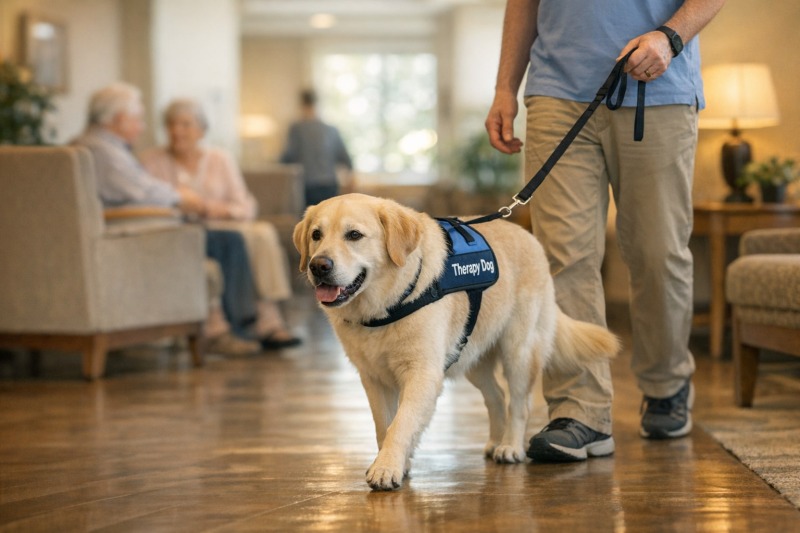
There is another side to this that matters for therapy and service work. A dog that cannot settle after mild stimulation, navigate a sidewalk calmly, or recover from excitement is not prepared for real-world tasks. Even companion dogs benefit from the same foundation. Exercise teaches rhythm. It helps a dog learn when to move and when to rest, and that balance is the making of a stable house dog.
How Much Exercise Do Lap Dogs Need?
The honest answer is that it depends on the breed, age, health, and individual temperament of the dog. Still, most healthy adult lap dogs do well with around 30 to 60 minutes of total daily activity. That does not have to mean a hard march. In many cases, it is best divided into two or three sessions that include walks, indoor play, and mental work.
A young Havanese with a spring in its step may need more active play than an older Pekingese who prefers a measured stroll and a quiet afternoon. A Cavalier may happily walk farther than people expect, while a flat-faced breed like a Shih Tzu may need shorter outings, especially in heat or humidity. The key is learning the dog in front of you rather than following a single number like it came stamped on a feed sack.
Puppies need lighter, more frequent activity with plenty of rest. Seniors still need movement, but the pace should be kinder and the footing more secure. Dogs with joint trouble, heart issues, or breathing concerns should exercise under a veterinarian’s guidance. The old rule remains true: enough to keep them fit, not so much that it wears them down.
Signs Your Lap Dog Needs More Activity
A dog often tells on itself. If your little companion is gaining weight, struggling to settle, demanding attention constantly, chewing household items, or barking out the window like it is guarding a frontier line, there is a fair chance it needs better structure and more exercise. Some dogs grow moody when they are bored. Others become timid. Neither is ideal for a dog meant to provide calm companionship.
On the other hand, too much exercise can show up as limping, reluctance to walk, heavy panting, lagging behind, or unusual soreness. Good conditioning should leave a dog content, not spent.
Walking: The Best Foundation for Lap Dog Fitness
Nothing fancy. Just a steady outing where the dog gets to move its legs, take in scent, and see a bit of the world. Walking is not only physical exercise. It is mental enrichment, confidence building, and training wrapped together.
A lap dog usually does well with one or two short walks a day, often between 15 and 30 minutes each depending on the dog. That may not sound like much, but consistency matters more than grand ambition. A calm, regular walk does more good than an occasional overlong outing that leaves the dog tired for a day and a half.
Nose down, ears working, tail moving with purpose, that dog is doing what dogs were made to do: gather information from the world. Even a lap dog needs that chance. It makes them steadier back at home.
Weather and Safety Considerations
Small dogs can be more vulnerable to weather than larger breeds. Cold cuts through them faster, and heat can hit hard, especially in dogs with short muzzles. In summer, walk early or late and keep an eye on hot pavement. In winter, shorter sessions may be better, with sweaters or coats for breeds that chill easily. Always watch breathing, posture, and energy level. A safe walk is more valuable than a long one.
Indoor Exercise for Small Companion Breeds
One advantage of lap dogs is that they can get a fair bit of exercise indoors when the weather turns rough. A hallway toss with a soft toy, a short game of tug, gentle chase around furniture-free space, or a few repetitions of recall between two family members can all help. The trick is to keep sessions controlled so the dog does not slip, crash, or get over-aroused.
Indoor exercise matters especially for apartment dwellers and older owners who may not always manage long outings. It also serves therapy-dog households well, because indoor games can be tied to manners. Ask for a sit before the toy moves. Reward calm after excitement. Teach the dog that work and play can live side by side. That kind of structure builds a pleasant companion.
Mental Stimulation Counts as Exercise Too
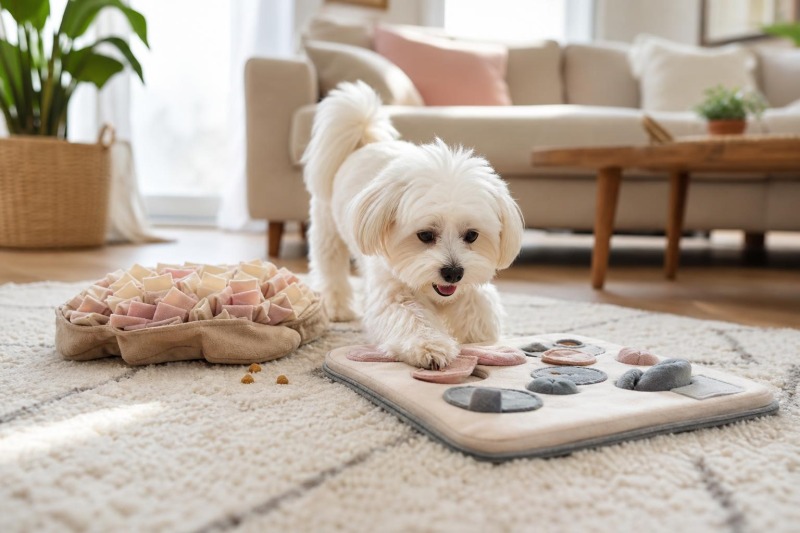
Now here is something experienced dog people learn early: a tired body is helpful, but a tired mind is gold. Many lap dogs do not need miles. They need engagement. Sniffing games, short training sessions, food puzzles, hide-and-seek, and simple obedience drills can take the edge off a dog in a way endless bouncing never will.
This matters a great deal for companion and therapy prospects. Dogs that learn to focus, wait, follow cues, and adapt to mild novelty are easier to live with and easier to take into the world. Five or ten minutes of training sprinkled through the day can sharpen a little dog beautifully. Practice loose-leash walking in the driveway, a polite settle on a mat, or calm greetings at the front door. That is exercise with a purpose behind it.
Breed Differences in Lap Dog Exercise Needs
Not all lap dogs are built alike. Some are sturdier and more playful, while others are more delicate or more sensitive to temperature and strain. A Cavalier King Charles Spaniel often enjoys a longer walk and active play. A Maltese may be lively indoors and content with moderate outdoor time. A Shih Tzu may love routine but need careful monitoring in warm weather. A Pekingese usually benefits from gentle, shorter exercise rather than anything intense.
That is why breed research matters before bringing a dog home. A person looking for a quiet companion should not assume every small breed has the same exercise profile. A good match comes from understanding energy level, body structure, coat care, and temperament together.
Exercise and Weight Control in Lap Dogs
One of the common troubles with small companion dogs is extra weight. It creeps on easy. A few too many treats, too little movement, and before long the dog is carrying more than its legs and back should handle. In a big dog, a pound may not mean much. In a lap dog, a couple of extra pounds can be significant.
Proper exercise helps prevent obesity, but it works best alongside sensible feeding. If your dog is getting heavier, slower, or less willing to move, it is worth reviewing both activity and diet. Keeping a lap dog lean is one of the kindest things an owner can do for long-term comfort and mobility.
Creating a Healthy Routine for Your Lap Dog
The best exercise plan is one you can keep. For most lap dogs, that means a morning walk, a little indoor play or training later in the day, and another short outing or enrichment session in the evening. It need not be elaborate. Dogs love rhythm. They settle better when they know movement, meals, attention, and rest all come in a dependable pattern.
A lap dog may ride in your arms, sleep on your blanket, and curl into your side at day’s end, but it is still a dog first. Give it a chance to walk, sniff, think, and move with purpose, and you will usually get a calmer, healthier, happier companion in return.
For anyone exploring companion dogs, therapy dogs, or service dog prospects, this lesson is worth remembering: sound temperament is supported by sound routine. Exercise is not just about burning energy. It is part of building a dog that can live well with people. And that, in the end, is what most of us are after when we welcome one of these little dogs into our homes.