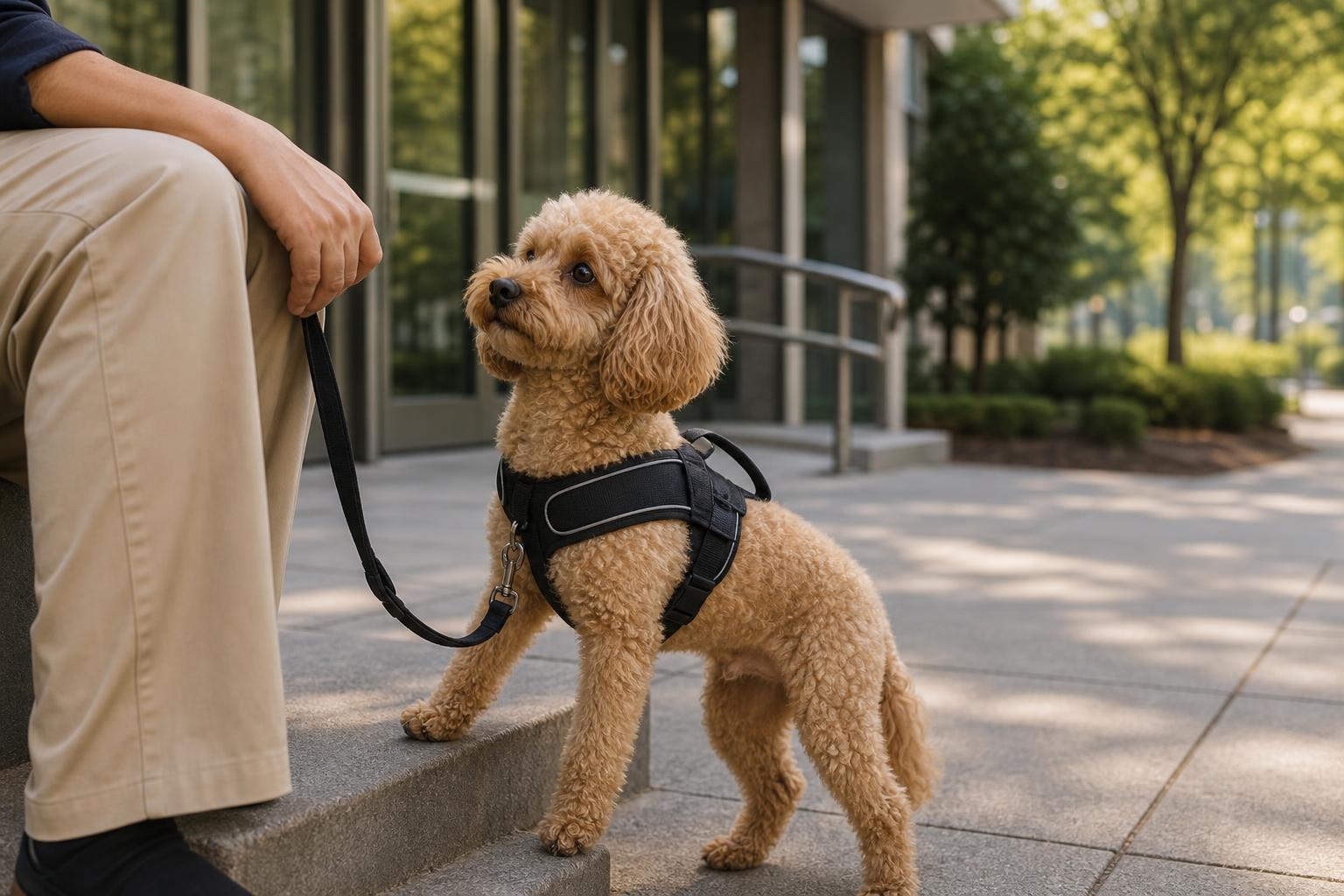
A small dog can perform suitable service tasks; size alone does not determine service-dog status. The task, handler's needs, and dog's health and capability must fit together.
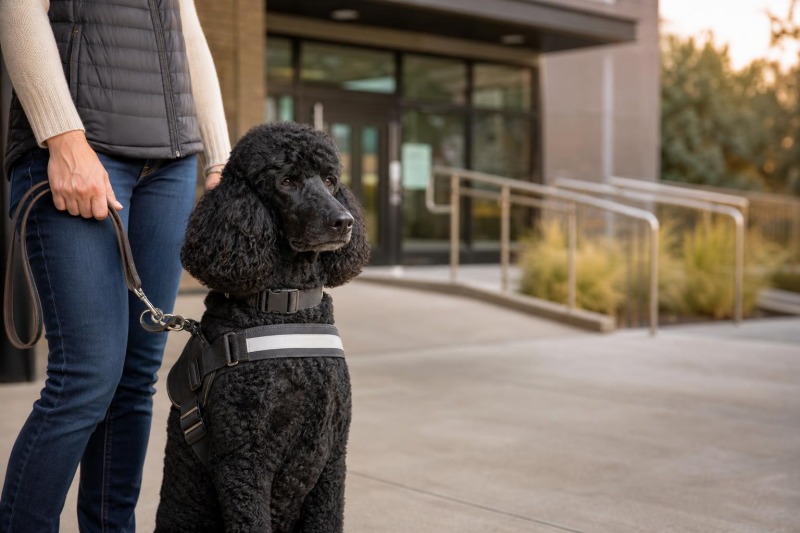
That distinction matters. A dog does not become a service dog because it wears a vest, behaves nicely in public, or offers comfort when someone is upset. A true service dog is individually trained to do work or perform tasks directly related to a person’s disability. When you understand that standard, size stops being the whole story. What matters is function, reliability, and temperament.
What the law says about small service dogs
Under the Americans with Disabilities Act, a service dog is a dog trained to perform tasks for an individual with a disability. The law does not set a minimum size. It does not say a service dog must be large, heavy, or from a certain breed group. If a small dog is trained to perform qualifying tasks and can behave appropriately in public, that dog may absolutely serve in the role.
Now, there is a practical side that people sometimes miss. The law may permit a small service dog, but the work itself may still demand physical ability that a little dog simply does not have. A Chihuahua cannot safely provide brace support to an adult. A toy breed is not going to pull a wheelchair. But a smaller dog may be excellent at medical alert work, psychiatric service tasks, hearing-related tasks, retrieving small items, interrupting harmful behaviors, or reminding a handler to take medication. In other words, the law opens the door, but the task decides whether the dog is the right fit.
When a small dog makes excellent sense
A good small dog can slide into tight living quarters, travel more easily, and put less physical strain on an older handler or someone with limited strength. In apartments, busy stores, airports, clinics, and restaurants, that compact size can be a blessing. A little dog can tuck neatly under a chair or at a handler’s feet with less fuss than a larger dog, provided it has been trained to settle and remain focused.
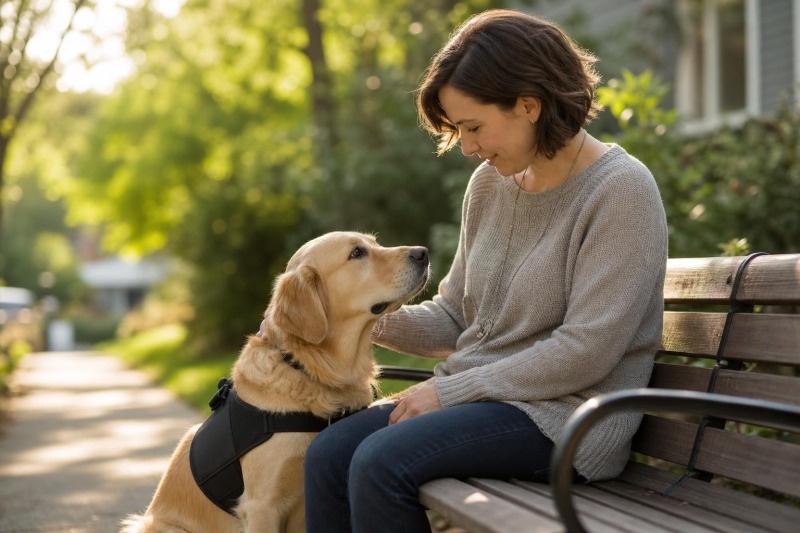
Small service dogs can be especially valuable for handlers who need early alerts. A dog does not need to weigh 70 pounds to detect a scent change associated with blood sugar fluctuation, or to notice a shift in breathing, movement, or routine that signals a medical episode. In those cases, nose, attentiveness, and consistency matter more than body mass. Some small breeds are naturally sharp, observant, and closely bonded to their people, and that can be a strong foundation for service work.
Tasks small service dogs may perform
A small dog may be able to alert to sounds for a handler with hearing loss, retrieve medication, bring a phone-sized item, nudge or paw to interrupt dissociation, alert to certain medical changes, wake a handler from nightmares, or guide a handler to an exit in a practiced environment. Some can perform deep pressure in a limited way by laying across a lap or chest, though obviously not with the same effect as a larger dog. Others excel at tactile interruption, grounding work, and consistent routine-based reminders.
That is the key point: the dog’s size must match the task. In the woods, you do not bring a dog meant for flushing quail and expect it to drag a deer. Same principle here. Matching the dog to the job is just good sense.
Where small dogs may fall short
Experience teaches humility, and this is where honesty matters. Some jobs require leverage, reach, weight, or stamina that many small dogs cannot provide. Mobility support is the biggest example. If a handler needs counterbalance, bracing, wheelchair pulling, or heavy item retrieval, a small dog is usually not the right choice. Asking a dog to work beyond its structure is unfair and dangerous, and no responsible trainer or owner should pretend otherwise.
There is also the matter of public pressure. A little dog working in a world built for human feet, shopping carts, swinging doors, and crowded sidewalks can face more physical risk. It may be stepped on, overlooked, or approached by strangers who assume small means pet. A sturdy temperament helps, but handlers of small service dogs often need to be extra vigilant about safety and spacing.
Another challenge is perception. This should not matter, but in real life it does. People are quicker to question a small dog in service work because they are used to seeing larger breeds in that role. That means training, control, and professional public manners must be especially solid. A yappy, reactive, poorly mannered small dog damages credibility fast, while a calm, attentive one can change minds in about five minutes.
Temperament matters more than size
If you have spent enough time around dogs, you learn that paper traits and breed stereotypes only get you so far. What decides the matter is the dog in front of you. A service dog, whether small or large, needs steadiness. It must recover well from surprises, ignore distractions, remain neutral around strangers, and work without constant emotional hand-holding. It should be willing, trainable, and physically sound. Most of all, it must enjoy the work enough to do it consistently.
That is why honest assessment is so important. A service dog prospect should not be chosen because it is adorable or convenient. It should be chosen because it has the right nerves, health, and drive for a demanding job.
Breed tendencies can help, but they do not decide everything
Certain small breeds are often considered because they are intelligent, people-focused, and responsive. Toy and small companion breeds may bond closely with one handler, which can support alert and response work. Still, not every small breed is built for the same kind of service work. Some are too fragile. Some are too vocal. Some are quick and bright but struggle with calm public settling. A breed’s history gives clues, but individual temperament is king.
Health is part of that equation too. Luxating patellas, breathing issues, fragile backs, poor endurance, and chronic anxiety can all make service work unsuitable. A dog cannot serve well if the work itself wears it down.
Training is what separates a helper from a pet
This is where many people get turned around. A small dog that comforts you is not automatically a service dog. A small dog that rides quietly in a bag is not automatically a service dog. The dog must be task-trained, and it must be under control in public. That means house training, neutral behavior, reliable obedience, sound environmental exposure, and the ability to focus through distractions.
Good training on a small service dog often requires extra attention to independence and confidence. Because little dogs are easy to pick up, owners sometimes rescue them from every challenge. That may feel kind, but it can create a dog that never learns to work through the world on its own four feet. A capable service dog needs confidence built honestly, one exposure and one successful repetition at a time.
A small dog can be easier to transport, easier to house, and cheaper to feed, but none of that matters if the dog cannot perform the required tasks with certainty. Service work is not about what is easiest on paper. It is about what serves the handler best over the long haul.
Can a small dog be the right service dog for you?
That depends on your disability-related needs, your lifestyle, and the dog’s actual ability. If you need alerts, interruptions, medication reminders, or hearing-related support, a small dog may be an excellent choice. If you need substantial mobility assistance, the answer is usually no. The dog should fit the work as neatly as a well-made boot fits a long day in rough country. Too small for the terrain, and you will feel the mistake before noon.
Think about your daily environment as well. Do you travel often? Live in a small apartment? Need a dog that can settle in tight spaces? Want a partner that is physically easier to manage? Those practical details matter.
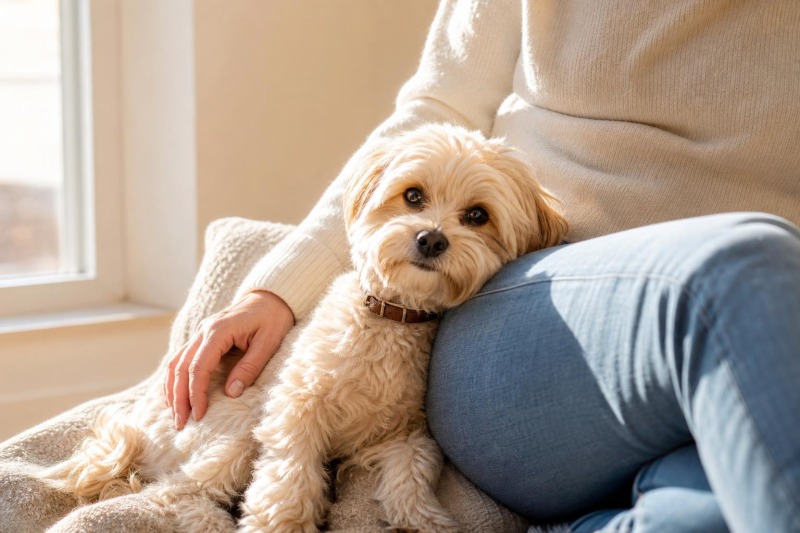
For families and individuals exploring companion dogs, therapy dogs, and service dogs, it helps to keep the categories clear. Companion dogs offer presence and comfort. Therapy dogs visit and support others in structured settings. Service dogs are working animals trained for one disabled handler’s tasks. A small dog can fit into any of those categories, but the standards for each are very different.
A little dog with a good mind, a willing heart, and proper training can do real work. Not every job, no. But real work all the same. The trick is not asking whether small dogs look like service dogs. The trick is asking whether the individual dog can do the required task safely, reliably, and with the kind of composure that working life demands.
So yes, small dogs can be service dogs. The law allows it, experience supports it, and many handlers benefit from it. But the dog still has to earn the title through training and proven ability. Size is only one piece of the puzzle. The true measure is whether the dog can show up every day, do the work asked of it, and remain steady when the world gets loud. That is the mark of a real service dog, whether it stands knee-high or barely clears your boot top.