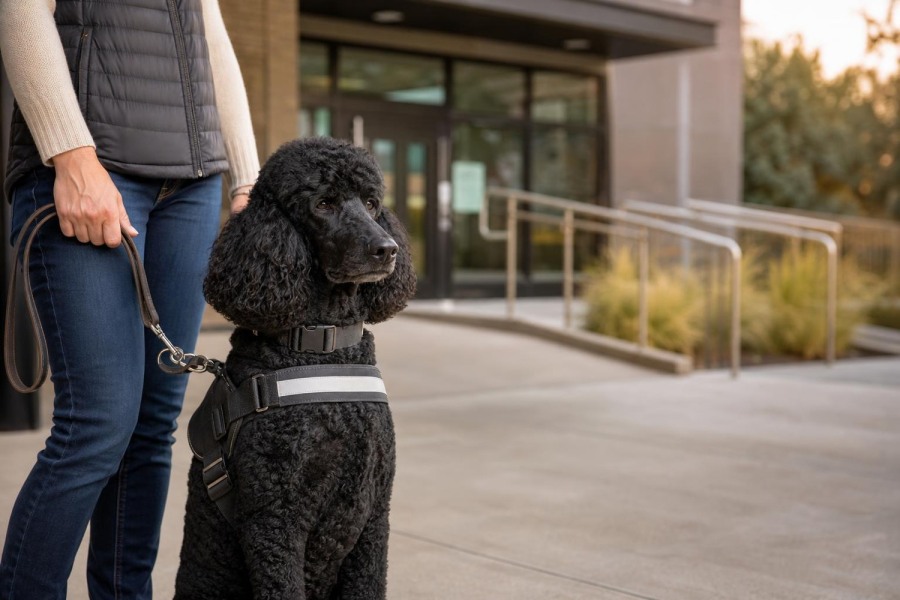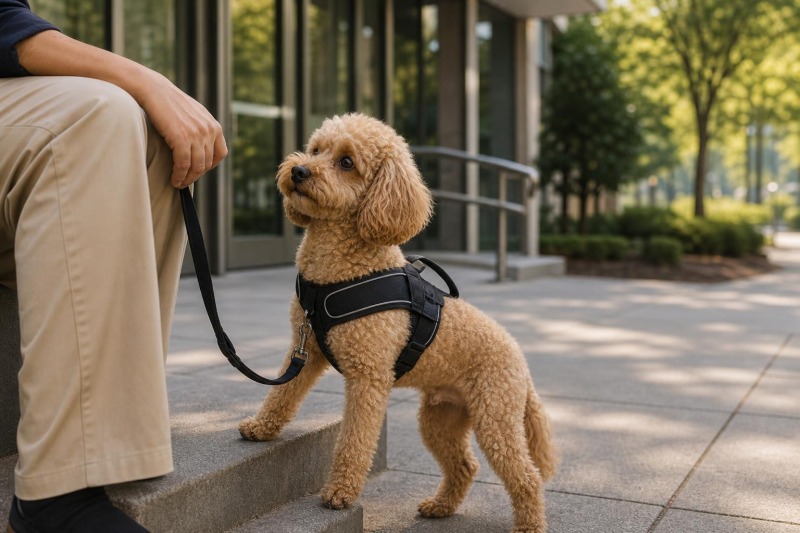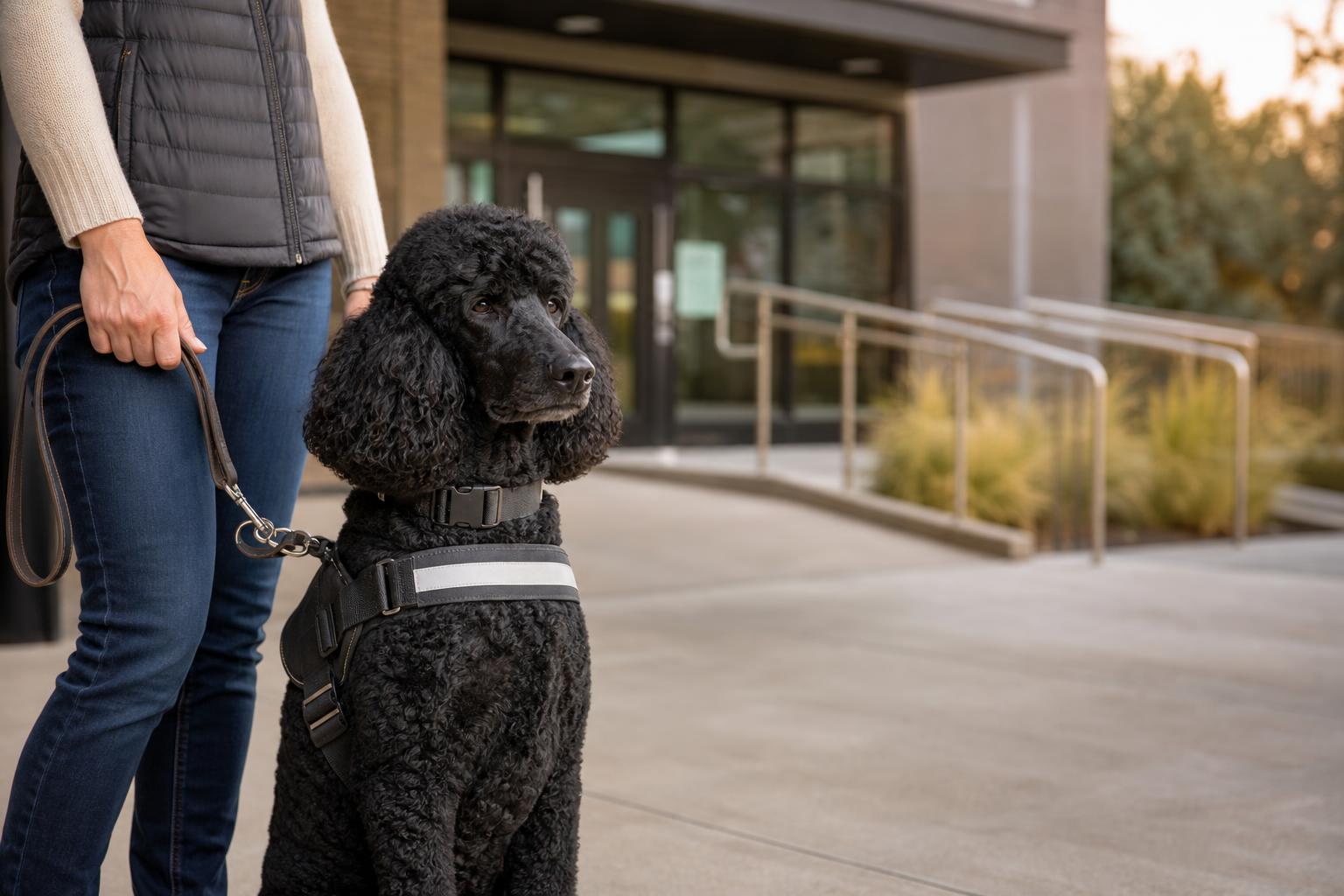
Poodles can learn a wide range of tasks, but service work requires a suitable individual and a clear match to a handler's needs. Intelligence alone does not establish readiness.
At Companion Dog Central, the question is not whether a breed looks the part. The question is whether it has the mind, nerve, structure, and heart to do the work day in and day out. The Poodle brings a rare combination to the table. This breed is intelligent without being dull, eager without always being frantic, athletic without being too heavy, and often deeply tuned in to its handler. For people interested in service dogs, therapy dogs, or companion dogs, the Poodle deserves a hard, honest look.
Why the Poodle Works So Well in Service Roles
The backbone of any good service dog is not flash. It is consistency. A service dog must learn complex tasks, behave reliably in public, and stay settled under pressure. That takes brains, but it also takes emotional balance. Poodles are famous for their intelligence, and rightly so, but intelligence alone is not enough. A service dog that is clever but unstable is more trouble than help. The better Poodles bring both trainability and sensitivity to human cues, which is exactly what many handlers need.
The Poodle often has that look. It notices patterns, changes in mood, and shifts in routine. That natural attentiveness can be shaped into task work, whether the dog is trained for mobility-related retrievals, medical alert support, psychiatric service work, or hearing-related assistance. A dog that naturally checks in with its person starts with a real advantage.
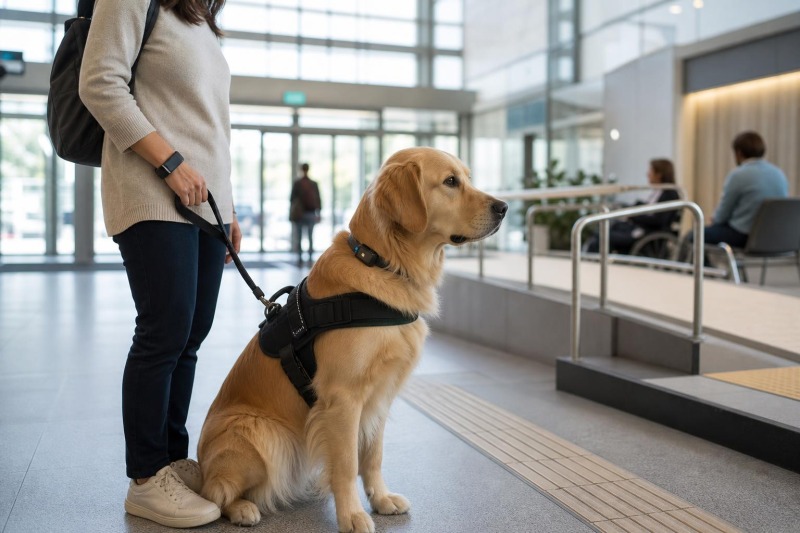
Another strength is athletic versatility. Poodles are not delicate dogs under all that coat. They are active, balanced, and surprisingly rugged. Standard Poodles especially can handle long days, regular outings, and a variety of environments if they are raised and conditioned properly. That matters because service work is not a part-time performance. The dog has to function in stores, sidewalks, waiting rooms, parking lots, and quiet homes with the same steady head.
The Breed’s Working Heritage Matters
People forget that Poodles were originally working dogs, bred in part for retrieving waterfowl. Anyone who has hunted around retrievers and versatile dogs understands what that heritage means. A dog bred to work with people, respond to direction, and keep going through challenging conditions carries those instincts into modern jobs. While today’s service Poodles may not be bringing birds in from cold water, the willingness to learn, the desire to cooperate, and the physical coordination still show up when the breeding is sound.
That old working background also helps explain why many Poodles take naturally to task repetition. Repetition is a major part of service training. The dog must perform the same behavior correctly over and over, without inventing shortcuts or losing interest. A lot of breeds can learn a task. Fewer can stay sharp and dependable over the long haul. The right Poodle often can.
Best Types of Service Work for a Poodle
The Poodle is not a one-size-fits-all service dog, and it is best to be straight about that. Matching the dog’s structure, size, and temperament to the handler’s needs is critical. Standard Poodles are usually the best fit for full service work because they have the size and stamina for broader task sets. Miniature Poodles may succeed in some alert-based or light retrieval roles, but most people looking for a true service dog will focus on the Standard.
Poodles can excel in psychiatric service work because of their sensitivity and strong handler focus. They may be trained to interrupt harmful behaviors, provide deep pressure therapy depending on size and body type, guide a person out of overwhelming situations, or create space in crowded settings. They also do well in medical response roles when individual aptitude is present. Some are trained to alert to changes related to conditions like diabetes or seizures, though not every dog has the natural ability for that kind of work.
Hearing support is another area where the Poodle can shine. Their alertness and responsiveness can be put to practical use by teaching them to notice alarms, door knocks, ringing phones, or a handler being called by name. Retrieval tasks can also suit them well, especially for handlers who need dropped items picked up, light objects carried, or medication bags brought on cue.
Mobility work requires more caution. While some larger Standard Poodles may assist with certain non-weight-bearing tasks, they are not ideal for heavy brace work. No honest breeder or trainer should oversell a dog’s physical limits. A service dog must be protected from injury just as much as the handler must be supported. Good matches make good teams, and wise restraint is part of responsible service dog selection.
Temperament: What Makes a Good Service Poodle
Not every Poodle is service dog material, just like not every Labrador or Golden is. The breed may have the right traits on paper, but the individual dog still has to prove itself. A service dog cannot be spooky, frantic, or sharp in public. It should recover quickly from surprise, show curiosity without recklessness, and remain engaged with the handler even when the world is noisy.
A good service Poodle should be people-oriented but not pushy. There is a difference between affection and neediness. The dog should enjoy partnership and guidance while still being able to settle quietly under a table, in a doctor’s office, or on a long car ride. Strong work ethic helps too. Some dogs enjoy learning tricks; fewer truly enjoy having a job. The ones that do often stand out early.
Early socialization and careful puppy raising matter a great deal here. You cannot take a nervous pup, skip exposure, and hope maturity fixes everything. The dog needs thoughtful introduction to surfaces, sounds, strangers, public settings, and calm handling from the start. Service dog potential is built through both genetics and upbringing, never one without the other.
Training a Poodle for Service Work
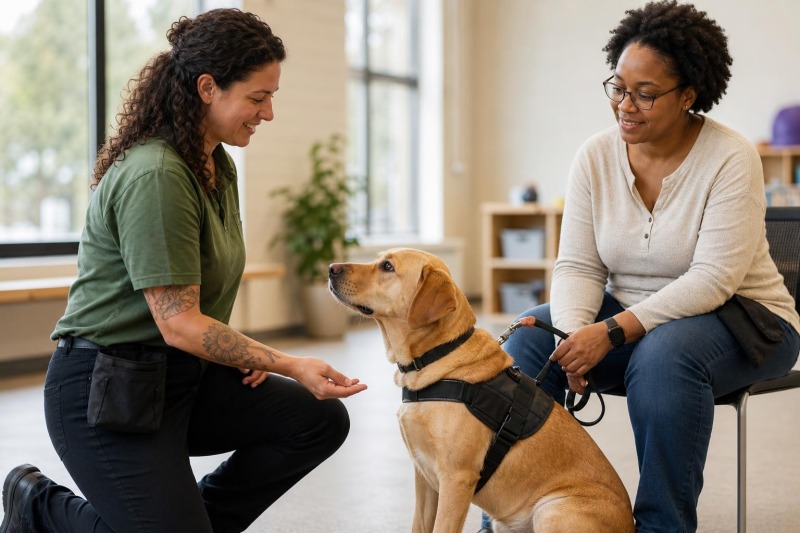
Training a Poodle is often a pleasure, but it is not something to approach lazily. This breed learns fast, and that cuts both ways. If you are clear, fair, and consistent, a Poodle can move through foundational obedience and task shaping with impressive speed. If you are sloppy, the dog will learn your sloppiness just as fast. That is why structure matters from the first day.
Start with the basics: loose-leash walking, a reliable recall, calm public manners, neutral behavior around people and dogs, and the ability to settle. A service dog must first be a polished citizen before it becomes a specialized working partner. From there, task training should be built gradually, making sure each behavior is reliable under distraction. Public access work is where many promising dogs reveal cracks, so there is no sense rushing it.
Poodles tend to respond well to positive reinforcement and clear communication. Heavy-handed methods often dull their spirit or create confusion. At the same time, they benefit from boundaries. Keep expectations plain and fair, and many Poodles will rise to them with enthusiasm.
Mental Engagement Is Essential
One thing worth understanding is that a Poodle needs its mind occupied. Boredom can create nuisance behaviors, restlessness, or self-appointed jobs. Service training helps by giving the dog a purpose, but daily life still needs balance. Exercise, structured downtime, and continued learning all play a role. A dog that works in public and then comes home to chaos or neglect will not stay sharp for long.
Grooming and Care Considerations
Anyone thinking about a Poodle as a service dog should be realistic about coat care. The low-shedding coat is a major benefit for some handlers, especially those concerned about allergies or excessive dog hair in the home and vehicle. But that coat does not maintain itself. Regular brushing and professional grooming are part of the bargain. If the coat mats, the dog becomes uncomfortable, and discomfort can affect performance.
The good news is that many working Poodle owners keep their dogs in practical trims rather than elaborate styles. A clean, functional sporting clip is easier to manage and fits the breed’s working nature just fine. Underneath, you still have a dog built for movement and partnership, not decoration.
Health should also be part of the conversation. Responsible breeders screen for hereditary issues, and that matters enormously in service work. A dog cannot hold up to training and daily duty if its structure, eyes, hips, or overall health are unsound. Anyone seeking a service prospect should look for proven health testing, stable lines, and breeders who understand temperament beyond appearances.
Is a Poodle the Right Service Dog for You?
The right service dog is never chosen by trend alone. It is chosen by honest need, lifestyle, handling skill, and the dog’s real capabilities. If you want a highly intelligent, trainable, people-focused breed that can perform a wide range of service tasks, the Standard Poodle deserves serious respect. It can be an excellent fit for handlers who appreciate close partnership and are willing to maintain training and grooming properly.
That said, the breed is not ideal for every person. Some handlers prefer a dog with a different energy profile, a lower grooming burden, or heavier physical substance for specialized tasks. There is no shame in that. Good service dog decisions are practical ones. The goal is not to own a breed that impresses strangers. The goal is to live better with the help of a dog that can do the work safely and consistently.
The Poodle has a way of doing exactly that. Look past the trim, past the stereotypes, and you’ll often find a serious dog with a willing heart and a first-rate mind. For the right handler, that is not just enough. It is exactly what makes a great service dog.