Discussion of future service-dog work should separate current practice from proposed developments. Better support, welfare, and assessment may matter as much as new training tools or technology.
The future of service dogs is not some far-off idea. It is already taking shape in training centers, veterinary clinics, breeding programs, and family homes. More people are learning what service dogs can do, and more professionals are refining how these dogs are raised, matched, and supported. The road ahead will bring better standards, expanded roles, and a stronger appreciation for the bond between handler and dog. It will also bring some hard questions about ethics, access, training quality, and whether the growing demand can be met the right way.
The Next Chapter for Service Dogs
For a long time, many people thought of service dogs in fairly narrow terms. They pictured a guide dog leading a blind handler through a crosswalk or perhaps a mobility dog helping someone rise from a chair. Those roles still matter deeply, but the field has widened. Today, service dogs assist with diabetic alert, seizure response, psychiatric support, autism-related tasks, hearing alerts, and more. That broader understanding is changing the future of service dogs in a meaningful way.
What lies ahead is not just more dogs doing more jobs. It is a more specialized approach to matching the right dog with the right work. Just as a seasoned hunter knows that not every dog is built for every terrain, trainers are becoming more precise about temperament, scenting ability, physical structure, stress tolerance, and handler compatibility. That matters, because the future of service dogs depends less on mass production and more on thoughtful pairing. The right dog in the right hands can mean years of faithful, life-changing service. The wrong match can wear down both dog and handler.
More Specialized Roles and Better Task Training
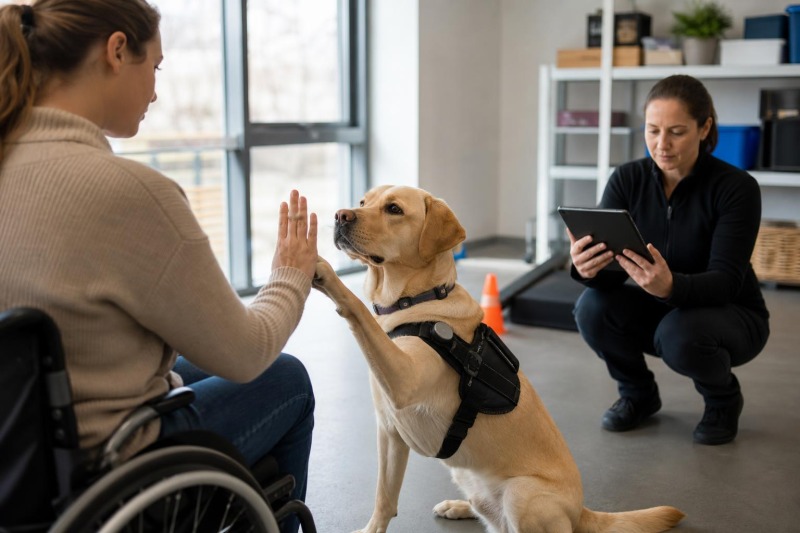
One of the clearest signs of progress is the way service dog training is becoming more refined. Instead of using broad training methods for every team, many organizations and private trainers now build programs around specific disabilities and real-world needs. A dog trained to interrupt panic behaviors, retrieve medication, or detect a blood sugar shift must work with reliability under pressure. That level of performance demands more than obedience. It demands patience, consistency, and a sharp eye for a dog’s natural strengths.
In the years ahead, we will likely see service dogs trained for even more tailored tasks. Some dogs may be prepared for highly specific medical alert work with stronger scent discrimination. Others may support veterans, children, or adults with task sets shaped around their daily routines. This sort of specialization mirrors what anyone who has worked dogs already knows. A dog flourishes when its work makes sense for its mind and body.
How Breeding and Early Development Will Shape the Future
A good working dog often starts long before formal training begins. It starts in the whelping box, in careful selection, in stable nerves, and in breeders who understand that service work asks for more than beauty or pedigree. In the future, breeding programs will play an even larger role in producing reliable service dogs. Trainers and organizations are paying closer attention to genetics, health, confidence, environmental resilience, and the traits that predict long-term success.
That is good news, because demand for service dogs is rising. Still, quality cannot be rushed. If there is one lesson dogs teach over and over, it is that shortcuts come back to haunt you. Pups intended for service work need thoughtful socialization, positive exposure, and structured early experiences that build confidence without flooding them. The dogs best suited for this work are not merely obedient. They are calm under pressure, attentive without being clingy, and capable of recovering from surprise without falling apart.
Health, Longevity, and Ethical Standards
The future of service dogs will also depend on keeping the dogs themselves healthy and sound. A service dog works hard, often every day, and that means physical wellness is not optional. Better screening for orthopedic issues, eye problems, cardiac conditions, and inherited disease will help ensure dogs can serve comfortably and retire with dignity. Nutrition, conditioning, and preventive veterinary care are likely to become even more central to training programs.
Ethics will matter just as much. As more people seek service dogs, the market will attract both excellent professionals and careless opportunists. That makes transparency essential. Buyers and handlers will need to ask hard questions about breeding, training methods, certification claims, and long-term support. A true service dog program should care about the dog’s welfare every bit as much as the handler’s independence. Those two things are tied together tighter than a bootlace on a cold morning.
Technology Will Assist, Not Replace, Service Dogs
Now and then, folks ask whether technology will make service dogs unnecessary. On paper, there are apps, wearables, sensors, and automated systems that can track health data, open doors, or alert a person to danger. Some of that technology is useful, and in many homes it already works alongside service dogs. But the idea that a machine can replace a dog entirely misses the point.
A service dog is not just a tool. It is a responsive partner that reads motion, tone, scent, routine, and emotional shifts in a way no machine fully can. Technology may strengthen service dog work by improving training records, health monitoring, and communication between handlers and providers. It may help identify medical changes earlier or track patterns that trainers can address. But the dog’s value rests in living judgment, adaptability, and the quiet bond that forms with a handler over time.
A good dog notices hesitation before a fall, anxiety before a spiral, or a subtle scent change before a monitor catches up. The future likely belongs to teams that combine canine ability with smart support systems, not one replacing the other.
Public Awareness and Access Will Continue to Evolve
Another part of the future of service dogs has nothing to do with training fields or breeding kennels. It has to do with the public. Better public awareness is sorely needed. Too many people still confuse service dogs with emotional support animals or assume every disability is visible. Those misunderstandings create access problems, legal confusion, and unfair pressure on handlers who are simply trying to live their lives.
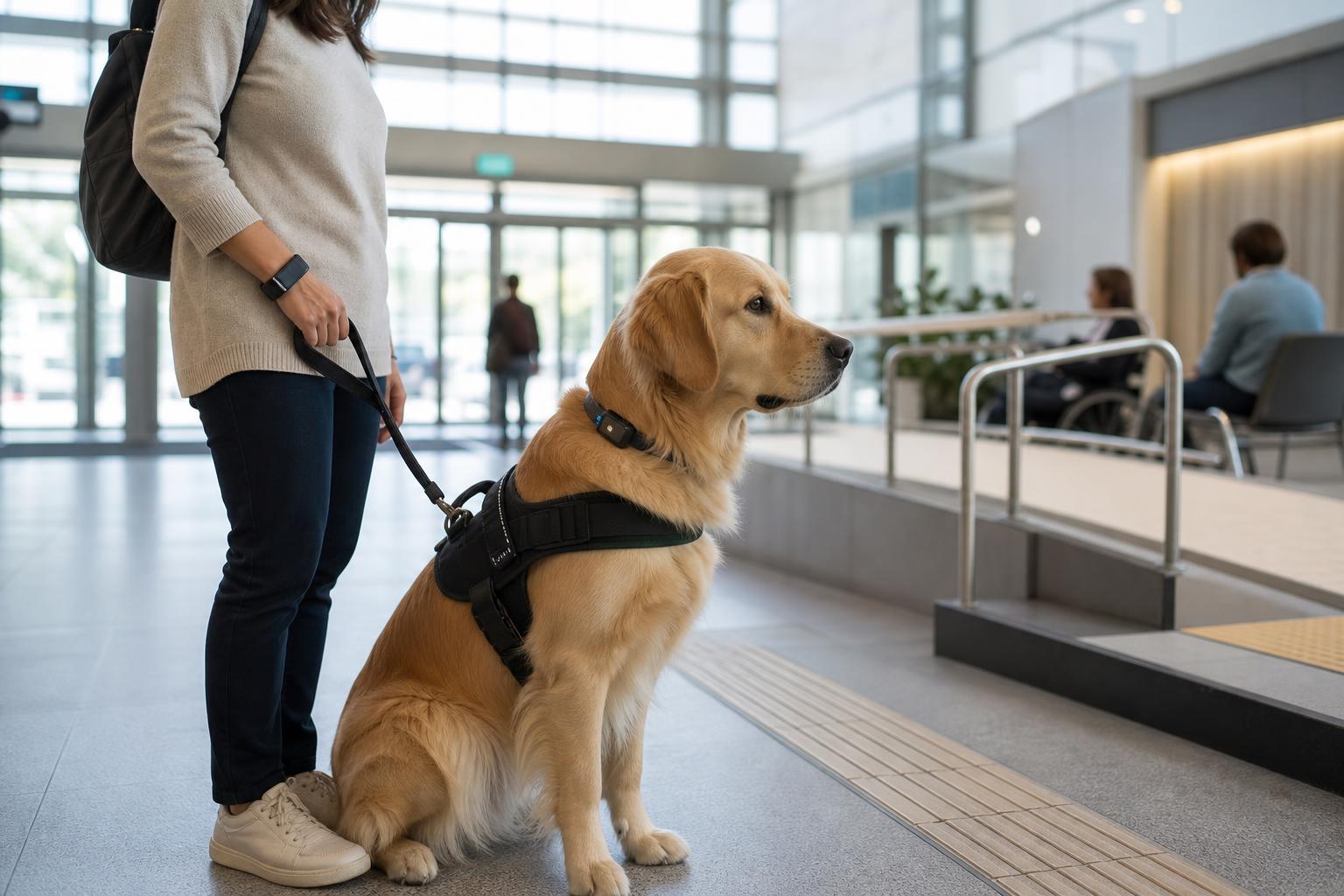
As awareness improves, service dog teams may find more respect in public spaces and fewer barriers in housing, travel, healthcare, and employment. Education will be key. Businesses, schools, landlords, and communities need practical information about what service dogs do, how teams should be treated, and why distraction can be dangerous. A stranger reaching out to pet a dog may think he is being friendly. In truth, he may be interfering with critical work.
The Ongoing Challenge of Fake Service Dogs
One major issue that will shape the coming years is the rise of fake service dogs. Poorly behaved dogs in public spaces damage trust and make life harder for legitimate teams. This is not a small nuisance. It affects safety, access, and public perception. If the future of service dogs is to remain strong, there must be better education and stronger accountability around what qualifies as a trained service animal.
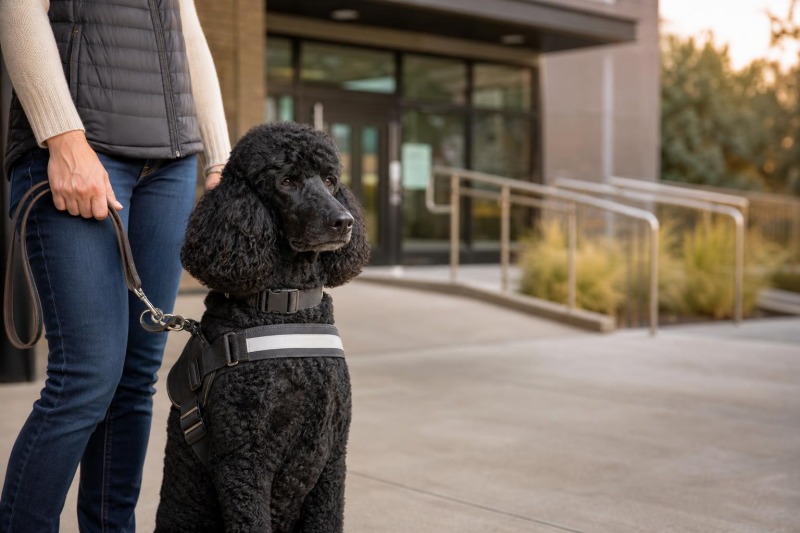
That does not mean placing unfair hurdles in front of disabled handlers. It means encouraging honest standards, reputable training, and behavior that reflects real working ability. A true service dog should be steady, unobtrusive, and task-trained. Preserving that standard protects everyone involved, especially the people who rely on these dogs every single day.
The Human-Canine Bond Will Remain the Heart of It All
For all the talk of science, policy, and training advances, the future of service dogs still comes back to one old truth. Dogs and humans work best when there is trust between them. Not shallow affection, but real trust earned through repetition, guidance, correction, and shared life. Anyone who has hunted behind a seasoned dog knows the feeling. You stop second-guessing every move because the dog has proven itself. In service work, that trust may mean stepping into a crowded store, crossing a parking lot, sleeping through the night, or recovering from a medical episode with help close at hand.
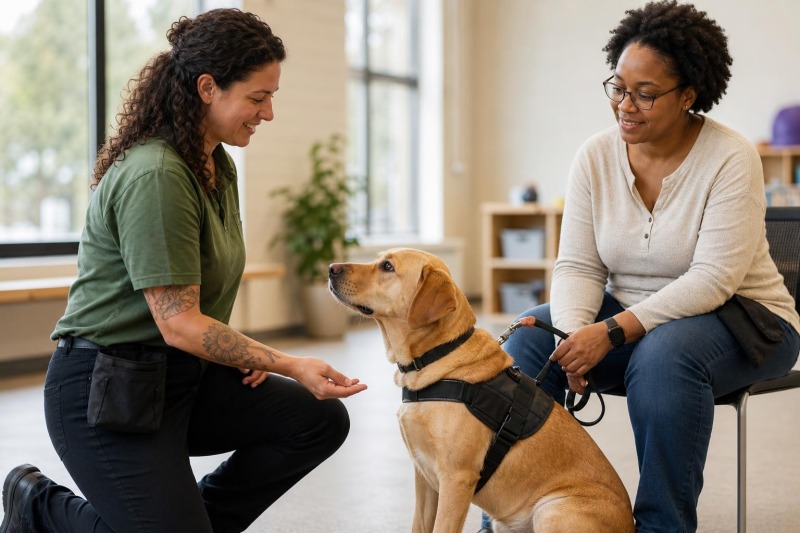
That bond cannot be mass manufactured. It must be built. The best programs of the future will understand that success is not only about placing dogs quickly. It is about supporting teams after placement, helping handlers grow in confidence, and allowing dogs to work in a way that is clear, humane, and sustainable.
What the Future Means for Families and First-Time Buyers
If you are new to this world and wondering whether a service dog, therapy dog, or companion dog is right for your situation, the future holds promise but also responsibility. More resources are becoming available, and that makes it easier to learn the differences between these roles. A service dog performs trained tasks tied to a disability. A therapy dog offers comfort in settings like schools or hospitals. A companion dog provides emotional closeness and everyday support without public access rights. Understanding those distinctions is the first step toward making a wise decision.
The future should bring clearer information for families, better guidance from trainers, and more pathways for owner-training where appropriate. Still, there is no substitute for honesty. Not every dog is suited for service work, and not every person is best served by one. The right choice depends on lifestyle, disability, finances, home environment, and willingness to commit to ongoing training and care.
The future of service dogs is bright because the need is real and the dogs are capable beyond what many people realize. We are learning more about behavior, health, task work, and placement every year. We are also learning that the finest service dogs are not miracles pulled out of thin air. They are the result of careful breeding, steady handling, ethical training, and a bond that deepens through everyday work.
That kind of future is worth investing in. A well-made service dog, like any honest working dog, does not ask for applause. It asks for clear purpose, fair treatment, and the chance to do what it was trained to do. If we can give these dogs that kind of future, they will keep giving people something even more valuable in return: freedom, confidence, and a loyal partner ready for the road ahead.