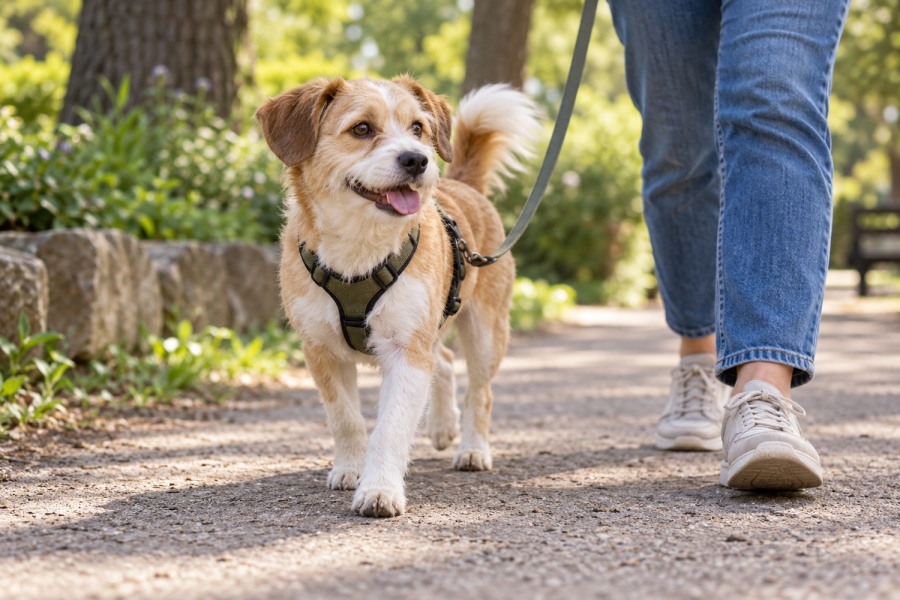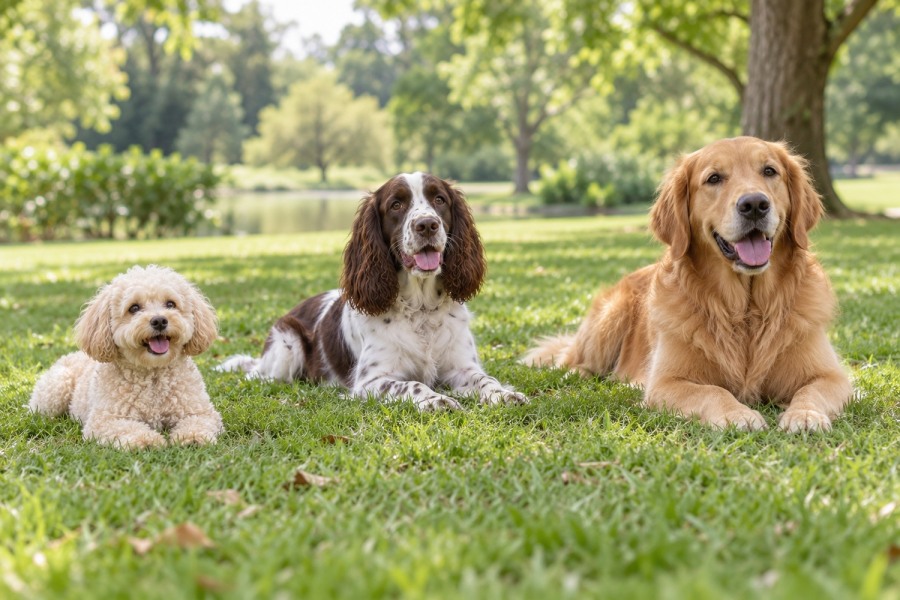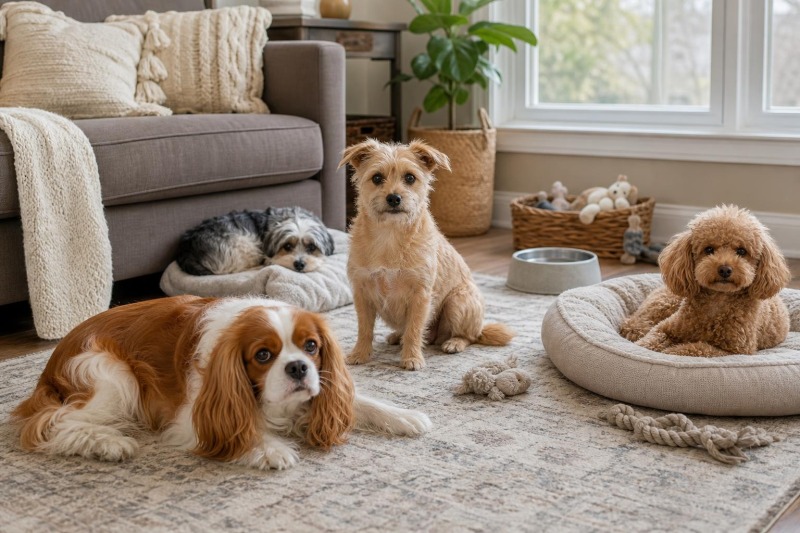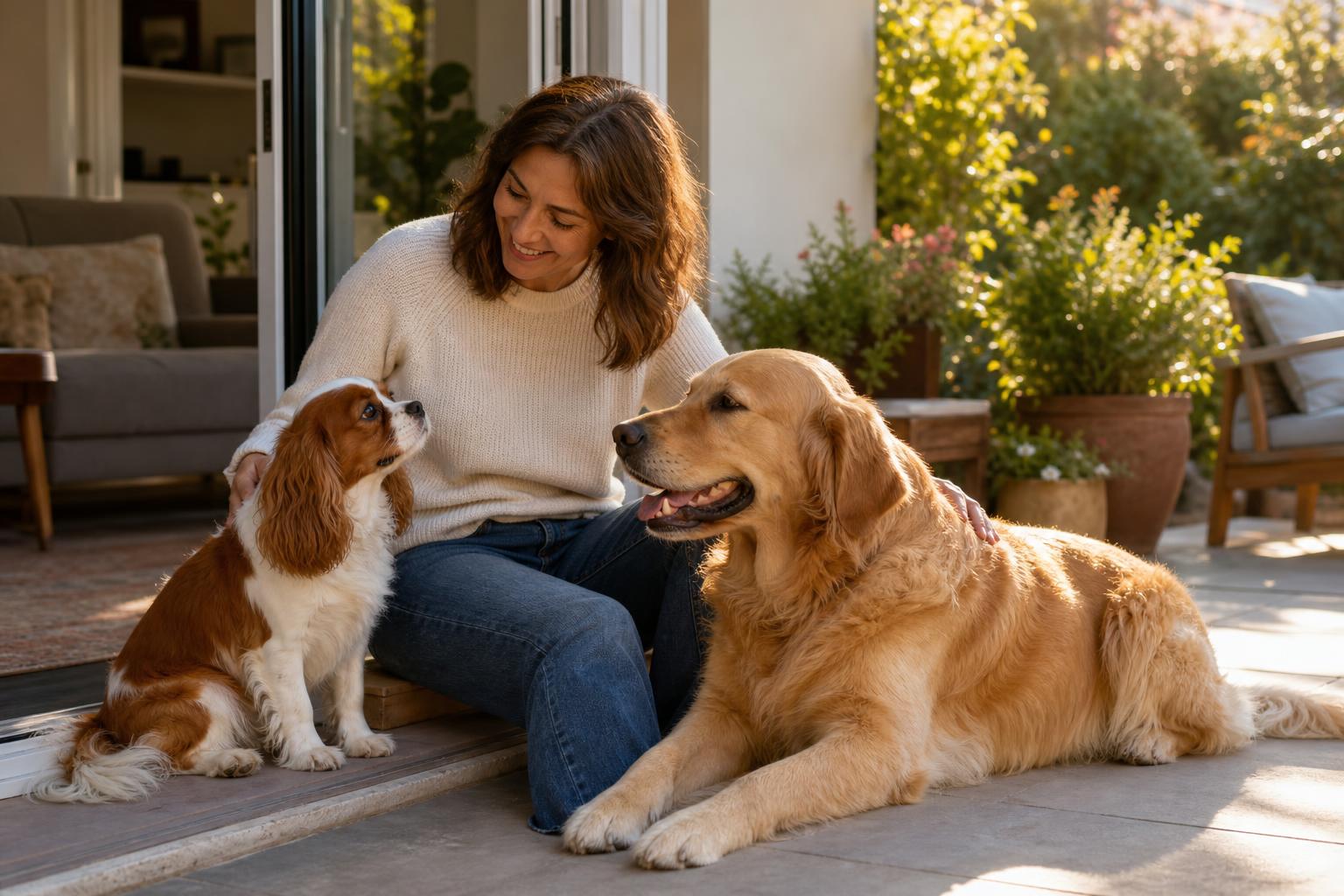
Size changes some practical details of dog ownership, including transport, housing, and equipment. It does not tell you how much training, exercise, or personal space an individual dog will need.
Some people picture a sturdy big dog stretched across the hearth, keeping watch with calm eyes and a deep chest rising slow in the evening light. Others think of a little dog curled against their side, easy to lift, easy to travel with, and content to stay close through the day. Both can be faithful, affectionate, and deeply tuned to their person. Both can also be the wrong match if chosen for the wrong reasons.
Why Size Matters More Than Most People Think
Dog size changes the rhythm of a household. A small companion dog moves through life differently than a large one. You feel it in the amount of space they need, the way they travel, the food they eat, the pressure they put on your floors, and even in the sort of confidence they bring to a room. It is not just a matter of preference. Size shapes daily living.
For someone looking into a therapy dog, service dog, or dependable companion dog, these differences matter even more. A dog is not furniture. It is a living partner. The wrong size can create strain where there should be support. The right size can make life smoother in a hundred little ways you do not notice until you are living with the dog day after day.
Small Dogs as Companions
Small dogs have a way of getting close fast. They are often easier to keep in apartments, simpler to carry, and less expensive in terms of food, many medications, and gear. If your life involves stairs, tighter spaces, frequent travel, or living in an urban setting, a small dog can settle in neatly. Many people also find small dogs less intimidating, which can be helpful in social settings, apartment buildings, medical offices, and public interactions.
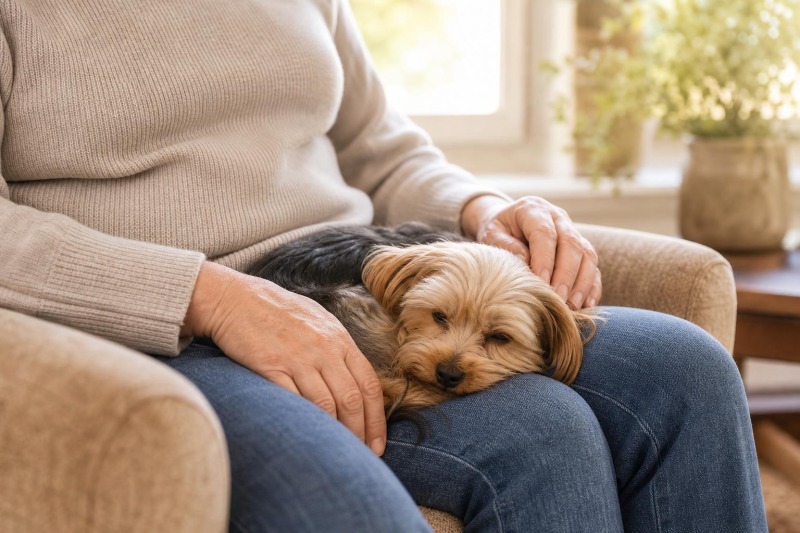
A good small companion dog can be sharp as a tack, quick to read moods, and happy to stay within arm’s reach for hours. For older adults, folks with limited space, or families wanting a dog that is physically easier to manage, smaller breeds often make practical sense.
The Everyday Advantages of Small Dogs
One of the clearest advantages is portability. A small dog can ride along easier, fit under a seat more comfortably when traveling, and be lifted when needed. If injury, age, or housing rules limit what kind of dog you can keep, a small dog may open doors that a big dog closes. Grooming and veterinary handling are often less physically demanding too, though not always cheaper depending on the breed.
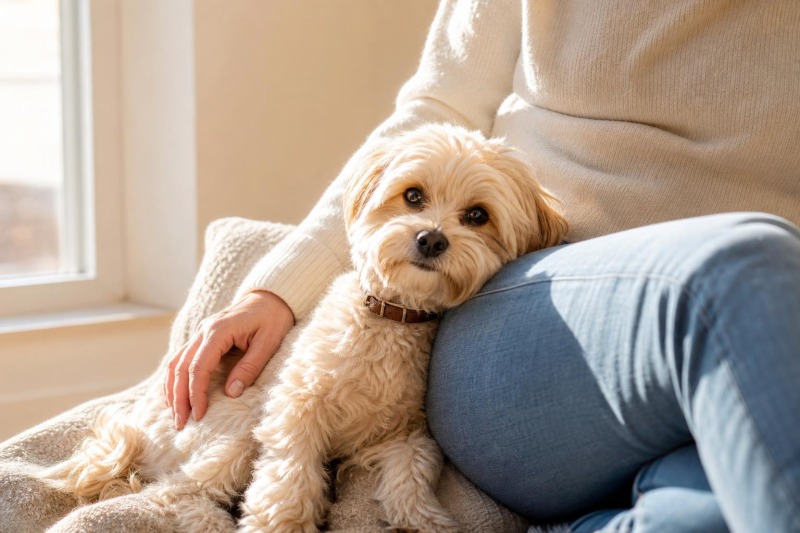
Small dogs can also bring a cozy sort of companionship. They are lap-sized for many owners, easier to share furniture with, and often content with indoor enrichment if weather keeps you home. That does not mean they do not need exercise or training. It only means their physical footprint is easier to manage.
The Challenges of Small Dogs
That said, small dogs are sometimes chosen for convenience and then misunderstood. A little dog still needs structure, confidence-building, and regular training. Barking, fearfulness, guarding behavior, and poor leash manners may look less serious in a twelve-pound dog, but those habits still wear on a household.
Small dogs can also be more physically fragile. In homes with rough play, large active pets, or very young children, that matters. A tumble from furniture or a careless step can become a real injury. Some small dogs are naturally bold, but others are more sensitive to noise, handling, and sudden changes in routine. If you want a calm and steady therapy prospect, temperament should always come before cuteness.
Large Dogs as Companions
There is a special comfort in a good large dog. It is hard to explain to someone who has never leaned against one on a hard day. A sound-minded large dog brings a grounded presence to the home. They often feel substantial in every sense of the word. Their affection can be quiet and steady. Their loyalty can feel like an anchor.
For many people, a large companion dog offers emotional reassurance. They may feel safer walking with one, sleeping with one nearby, or simply sharing a home with a dog that carries natural presence. In therapy and service contexts, larger dogs can also have practical advantages depending on the task. Some can assist with mobility-related support, provide deep pressure comfort, or move through the world with a visible calm that puts people at ease.
The Everyday Advantages of Large Dogs
Large dogs are often easier to read physically. Their body language can be more obvious, and many have a naturally slower, steadier way about them once mature. A well-bred, well-trained large dog can be wonderfully stable with families, visitors, and daily routine. They are often sturdy enough for active households, outdoor adventures, and homes where the dog is expected to keep up with a fuller stride of life.
They may not always be as portable, but they can be deeply reassuring. If you want a dog for hiking, room-to-room company, emotional steadiness, or certain service-related tasks, the right large dog may suit you beautifully.
The Challenges of Large Dogs
The downside is plain enough. Large dogs cost more to feed, often cost more to medicate, and require more room in the house, in the car, and in your schedule. If a big dog pulls on leash, jumps on guests, or struggles with manners, you cannot laugh it off for long. Their strength makes training non-negotiable.
They also bring real logistical concerns. Boarding, travel, rental housing, orthopedic health, and end-of-life care can all be more difficult with a large dog. Some large breeds have shorter lifespans, and that is a hard truth many first-time buyers do not think through. Falling in love with a dog means taking the long view, and size affects that journey from the first food bowl to the last slow walk.
Companion Dogs, Therapy Dogs, and Service Dogs: Does Size Change the Role?
Yes, but not in a simple way. A companion dog’s first job is to share life with you in a healthy, stable, supportive manner. That can come in a small package or a large one. Therapy work, where a dog visits and interacts with people in settings like schools, hospitals, or care facilities, often depends more on temperament, confidence, and social steadiness than on size alone. A gentle small dog can be ideal for someone intimidated by bigger animals. A calm large dog may be perfect for a person who finds comfort in broad shoulders and quiet weight nearby.
Service work is more task-specific. Some service tasks require size and physical substance. Others do not. For psychiatric support or alert-based work, a smaller dog may sometimes be appropriate depending on the handler’s needs and environment. For balance-related tasks or heavier physical support, a larger dog is often necessary. Still, no dog should be chosen for a role based on appearance alone. Temperament, health, trainability, and purpose must lead the decision.
How to Choose the Right Companion Dog for Your Lifestyle
Picture rainy Tuesdays, vet visits, apartment elevators, road trips, shed hair on the floor, barking at the mail truck, and the dog waiting while you are sick, busy, or tired. That is where the real match shows itself.
If you live in a small home, travel often, or need a dog that is physically easier to handle, a small companion dog may fit naturally. If you want a stronger physical presence, more outdoor durability, or a dog capable of larger service-related tasks, a large dog may be the better road. Neither choice is automatically easier. They are simply different burdens and different blessings.
It also helps to think about your body, not just your heart. Can you lift the dog if needed? Can you manage leash strength? Can you afford long-term care? Do you want a dog that can tuck beside you in a café, or one that can stretch out at your feet like a warm rug and make the whole place feel safer? Honest answers beat romantic ideas every time.
Temperament Beats Size Every Time
A nervous large dog can make life difficult. A balanced small dog can make life easy. A dog with poor breeding, weak nerves, or no training will not become the right companion simply because it fits your preferred look.
They were steady. They were willing. They paid attention. They wanted to be with their person. That is the kind of dog that earns a place in your habits, your routines, and finally your heart.
If you are choosing between a small dog and a large dog, do not ask which one is better in the abstract. Ask which one fits your living space, your energy, your finances, your goals, and your daily reality. For companion dog homes, either size can be a fine choice. For therapy dog prospects, calm sociability matters more than inches at the shoulder. For service dog work, the dog must match the task with precision.
Out where life gets honest, a dog proves itself in the daily miles, not in the sales pitch. The right companion is the one that can walk beside you through ordinary days with steadiness and good sense. Whether that dog is small enough to curl under your arm or large enough to rest its head on your knee like a sack of warm grain, the best choice is the one that belongs in your life and can do that job well.