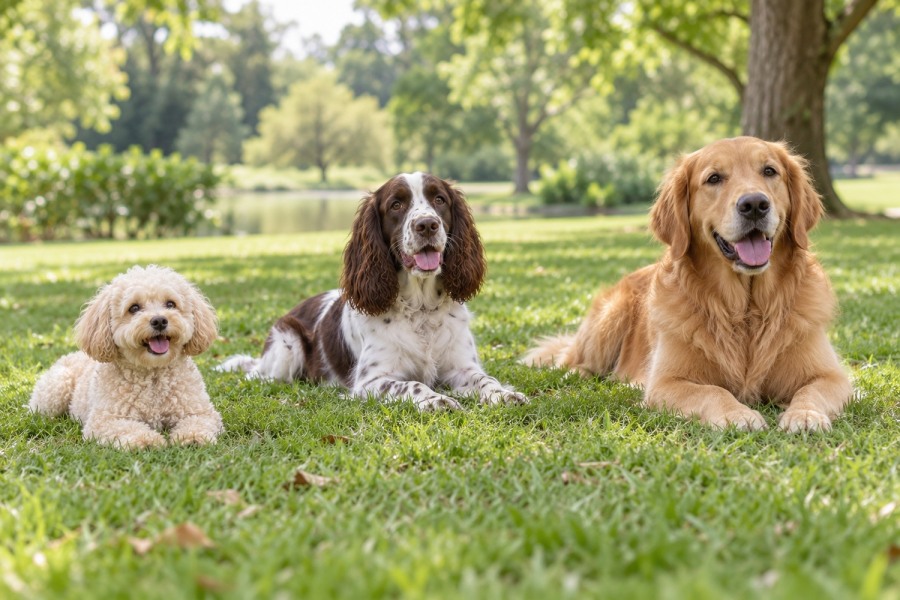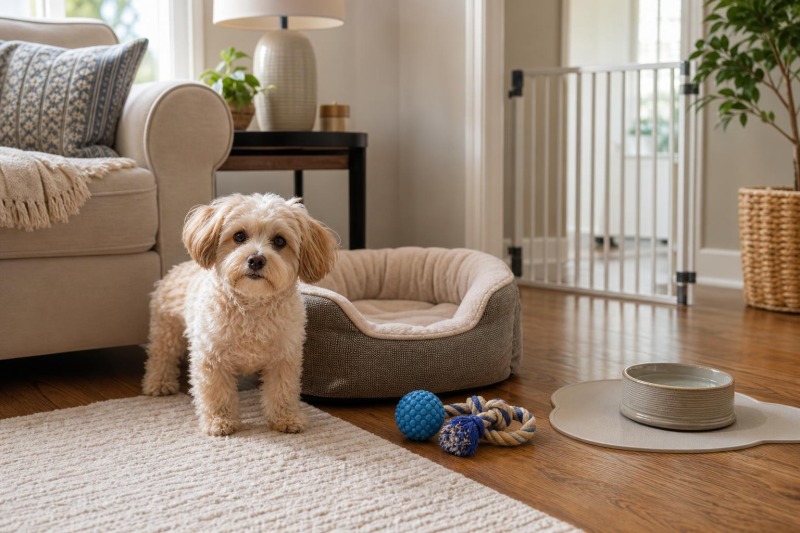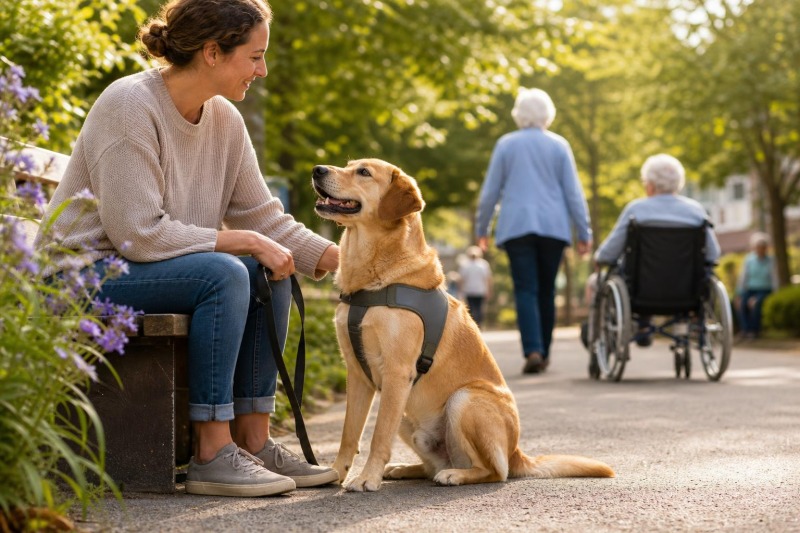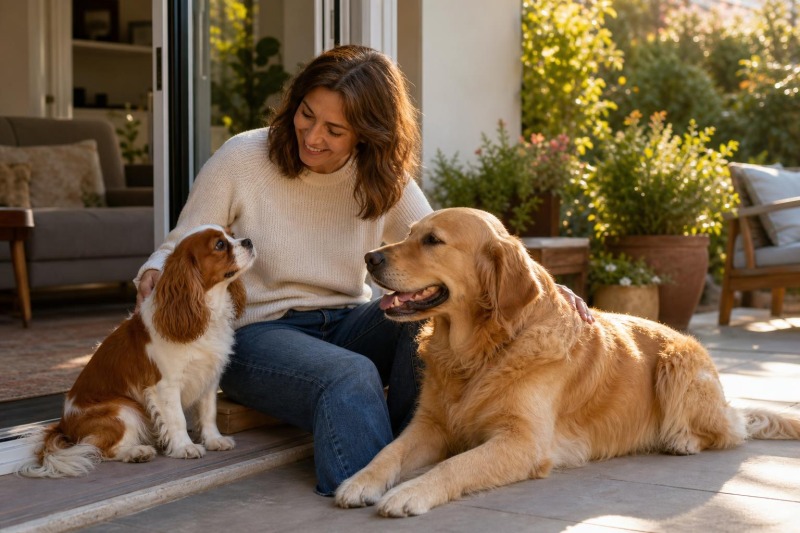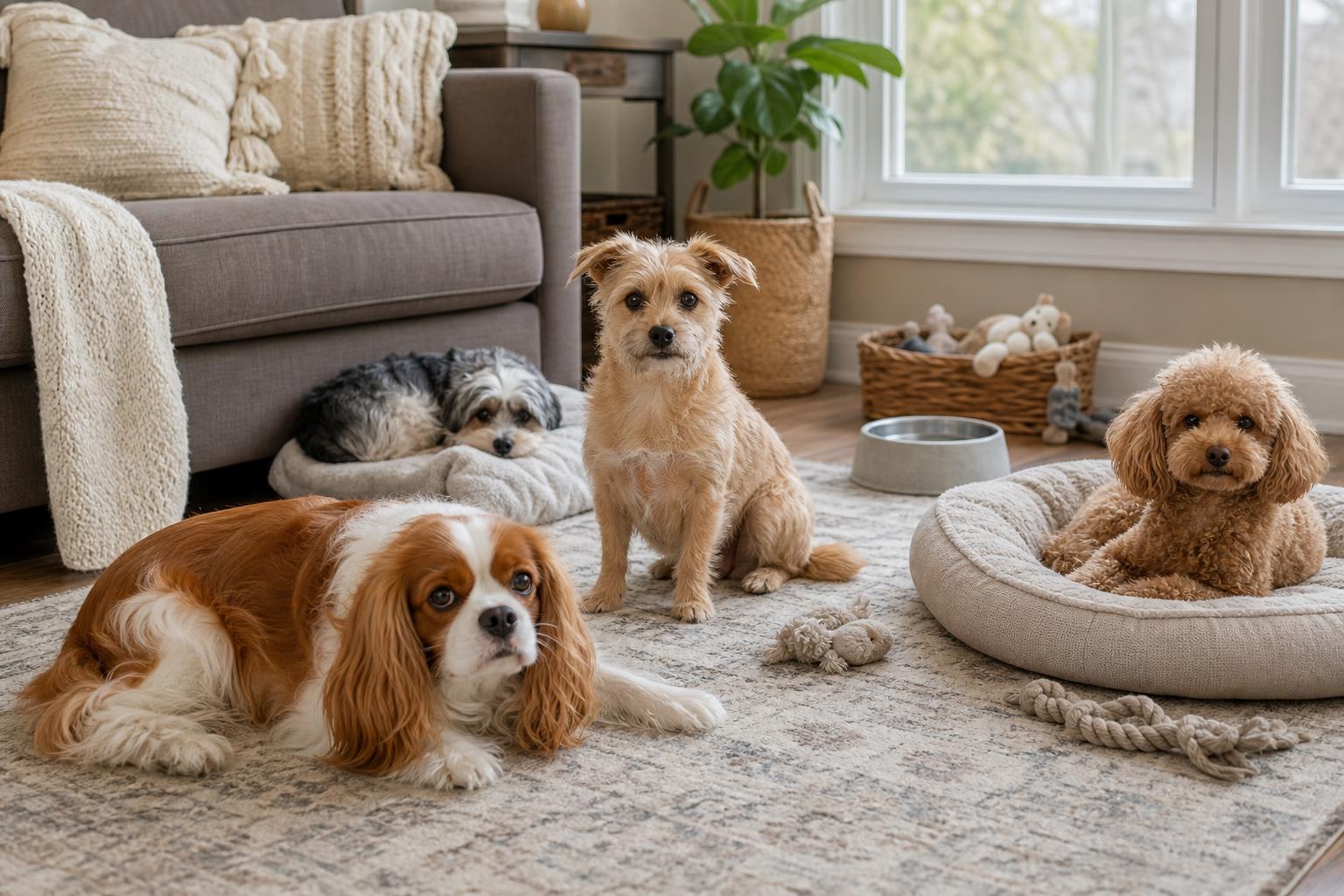
Multiple small dogs need individual care as well as shared household routines. Plan separate feeding, resting options, training time, and ways to manage interactions when one dog needs space.
Folks often assume little dogs are easier just because they are easier to lift. That is only half true. Small dogs eat less, take up less room, and travel well, but they still need structure, exercise, social guidance, and a steady hand. In some cases, they need it more, because people are prone to excusing bad behavior in a ten-pound dog that they would never tolerate in a sixty-pound one. If your interest leans toward companion dogs, therapy dogs, or even a small service dog suited to a particular task, the foundation is the same: calm leadership, healthy routines, and respect for each dog as an individual.
Why Small Dogs Thrive in Groups
Many small dogs are deeply social. Breeds developed for companionship were meant to live close to people and often settle well alongside other dogs. In a multi-dog home, they gain confidence from familiar company, especially when the household is managed with intention.
That said, harmony does not happen by accident. Small dogs can form tight bonds, but they can also form cliques, guard resources, and feed off one another’s excitement. One bark at the window can become three, then four, and before you know it the whole living room sounds like a treeline full of flushed quail. The key is understanding that pack energy can work for you or against you. Your job is to shape it before bad habits take root.
Temperament Matters More Than Size
If you are choosing more than one small dog, focus less on appearance and more on temperament. A calm, people-focused dog may pair beautifully with a playful one, while two intense, possessive dogs may keep the household on edge. Energy level, sensitivity, trainability, and tolerance around other dogs matter every single day. This is especially important if you hope one of your dogs may work in a therapy dog role or serve as a reliable companion for someone with specific emotional or physical needs.
Setting the Tone in a Multi-Dog Home
Dogs notice space, movement, food, toys, doorways, furniture, and attention. They know who gets what and when. If you are sloppy about routines, your dogs will fill in the blanks themselves.
Start with clear household rules. Decide whether the dogs wait at doors, where they eat, where they sleep, and how they greet visitors. Small dogs do best when life feels predictable. Predictability lowers tension and helps prevent squabbles. Feed them in separate spaces if there is any sign of food guarding. Pick up high-value chews when you cannot supervise. Teach each dog to settle on its own bed. These are simple habits, but they save a world of trouble.
They may live together, but they should not disappear into the crowd. Each dog needs one-on-one time for training, affection, and quiet attention. That is how you build trust and prevent one stronger personality from overshadowing the others.
Training Multiple Small Dogs Without Losing Your Mind
Training several small dogs at once can feel like trying to cast into a narrow creek while the brush tugs at your sleeve and the current has ideas of its own. It can be done, but you have to work methodically. Group training has its place, especially for routines like waiting at the door or coming inside from the yard. Individual training, though, is where the real foundation is built.
Teach each dog basic obedience on its own before expecting polished behavior as a group. Sit, stay, come, leave it, quiet, and place are especially valuable in a multi-dog household. Once each dog understands the commands, you can begin asking for those behaviors in shared settings. If you skip the solo work, the more excitable dogs will simply cue off each other and ignore you.
The Importance of Recall and Calm
A reliable recall is worth gold when you live with several dogs. Whether the front door opens unexpectedly or the dogs scatter in the yard over a scent, you need them turning back to you quickly. Calm behavior matters just as much. Reward silence. Reward waiting. Reward eye contact. A house with multiple small dogs does not need to feel frantic. It should feel orderly, even when it is lively.
This matters doubly for therapy dog prospects. A dog that cannot stay composed around other dogs in its own home is unlikely to perform well in public settings that require emotional steadiness. If you are raising a dog with therapy work in mind, protect its confidence and give it breaks from the pack so it can mature into its own temperament.
Feeding, Health, and Daily Care
Small dogs often have fast metabolisms, particular stomachs, and plenty of opinions about mealtime. In a home with multiple dogs, feeding should be structured and supervised. Even dogs that seem friendly can become tense around food. Separate feeding stations reduce stress and make it easier to track who is eating well and who is picking at meals.
Health monitoring is one of the hidden challenges of living with several little dogs. With one dog, you notice right away if a stool is loose, if a meal goes unfinished, or if a gait changes. With three or four, those details can blur unless you are paying attention. Keep routines steady enough that changes stand out. Regular weigh-ins, dental care, nail trims, and veterinary checkups matter. Small dogs are prone to issues like dental disease, luxating patellas, and weight gain, and those problems can sneak up on you if you assume the smallest dog is naturally fine because it still acts cheerful.
Exercise should fit the breed and the individual dog. Not every small dog needs miles of walking, but every dog needs movement and mental stimulation. A bored little dog can become noisy, clingy, reactive, or destructive. Sniff walks, short training sessions, puzzle toys, and controlled play go a long way. The old saying is true in dog work as much as in hunting: an animal with a job is easier to live with than one left to invent its own.
Managing Noise, Jealousy, and Pack Behavior
Small dogs have a reputation for being loud, but much of that comes down to reinforcement. If barking gets attention, access, or excitement, it grows. In a multi-dog home, barking can spread fast because dogs are natural followers of movement and sound. Interrupt early, redirect calmly, and reward quiet before the noise becomes a habit.
Jealousy is another common concern, though what people call jealousy is often competition for attention or resources. Dogs notice when another dog gets picked up, petted, fed first, or invited onto the couch. Fairness matters, but structure matters more. Ask for a simple behavior before giving affection. Rotate special time. Teach the dogs that another dog being rewarded does not mean they are being forgotten.
Dogs take comfort in a person who is steady. You do not need to be harsh. You need to be clear.
When Dogs Need Space
Even bonded dogs need time apart. Rest is part of good behavior. Crates, pens, separate beds, and quiet rooms allow dogs to decompress. This is especially useful in homes with senior dogs, therapy dog candidates, or a small service dog that must remain focused and not be constantly pestered by housemates. Separation is not failure. Sometimes it is the very thing that preserves peace.
Small Dogs as Companions, Therapy Dogs, and Service Dogs
One reason many people are drawn to small dogs is their versatility. A well-bred, well-trained small dog can be a remarkable companion. Some excel in therapy settings because they are approachable, portable, and less physically intimidating to children, older adults, and patients. Certain small dogs can also serve in legitimate service roles, particularly tasks related to alerting, psychiatric support, or medical response, depending on the dog and the handler’s needs.
Still, not every dog in a multi-dog home should be expected to do the same job. One may be the outgoing greeter, another the shadow at your heel, another the sensitive soul happiest with quiet company at home. Let each dog tell you what it is suited for. The best work comes from honoring temperament instead of forcing a title onto a dog that does not want it.
If you are raising multiple dogs with one intended for therapy or service-related work, be careful not to let household chaos erode that dog’s reliability. Independence, confidence, neutrality around stimulation, and steady focus all need room to develop.
Is a Multi-Small-Dog Household Right for You?
Living with multiple small dogs is not just a matter of having more bowls and more leashes by the door. It means more grooming, more training, more veterinary planning, and more attention to dynamics that shift over time. Puppies grow up. Seniors slow down. A new dog can change the balance of the whole house. Yet for the right person, there is no substitute for it.
A good pack of little dogs brings warmth to a home in a way that is hard to describe unless you have lived it. They keep one another company, they keep you laughing, and on hard days they gather close with a loyalty that asks for very little and gives back plenty. If you go into it with open eyes, firm routines, and a willingness to train the dogs in front of you rather than the dogs you imagined, you can build a household that feels less like chaos and more like a well-run camp after a long day outdoors: lively, honest, and deeply companionable.
That is what most people are looking for when they bring home a companion dog, therapy dog prospect, or small service dog. They want trust. They want steadiness. They want to share life with a dog that fits into the rhythm of the home. With multiple small dogs, that rhythm takes some work to establish, but once it settles in, it can be a mighty fine thing.