One dog may take part in several activities, but each role needs its own assessment and preparation. A reliable home companion is not automatically ready for therapy visits or service work.
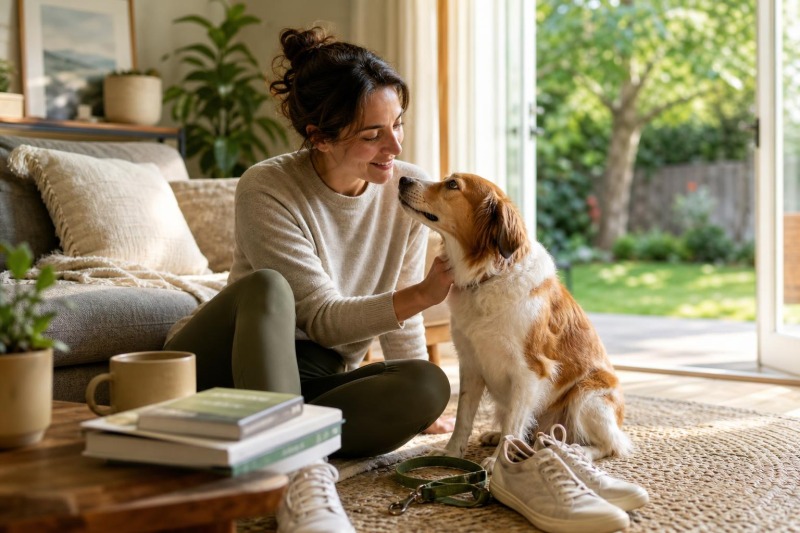
Folks often hear the word companion dog and picture a lap dog or a house pet with a sweet disposition. There is nothing wrong with that, but the term can mean a lot more. A true multi-purpose companion dog can blend affection, trainability, composure, and usefulness into one reliable package. For some households, that means a dog that is equally comfortable on a family walk, in a therapy setting, and curled up by the recliner after supper. For others, it means a dog that can handle country life, travel well, greet strangers politely, and still keep the home feeling watched over.
About whether that dog can live beside people in the real world. Mud on the boots, long days, changing routines, company at the house, maybe a child who needs comfort, maybe an older owner who needs steadiness. A multi-purpose companion dog is built for that kind of life.
What Makes a Dog Truly Multi-Purpose?
The best multi-purpose dogs are not defined by one talent. They are defined by balance. They have enough intelligence to learn tasks, enough emotional steadiness to stay useful under pressure, and enough social grace to live well around people. That combination matters whether you are looking for a family companion dog, a therapy prospect, or a service dog candidate with the right foundation.
Temperament comes first. You can shape behavior with training, but temperament is the ground you are building on. A dog that startles hard, struggles to settle, or carries constant nervous energy may still be lovable, but it may not be a good fit for a role that asks for flexibility. A multi-purpose companion dog should be attentive without being clingy, confident without being pushy, and affectionate without becoming unruly.
Trainability is the next piece. This does not just mean the dog can sit for a treat. It means the dog wants to work with people. A dog with this quality watches you, learns your habits, and starts to understand what is expected in different settings. Those dogs are a pleasure to live with. They do not just obey commands. They become tuned in.
Then there is adaptability. A strong candidate for this role should be able to handle a quiet morning at home, a car ride into town, guests at the door, and a shift in routine without falling apart. The dogs that do best in the long run are the ones that can move between environments while keeping their head. That kind of composure is worth more than many people realize.
The Value of Emotional Stability
If you are exploring therapy dogs, service dogs, or dependable companion dogs, emotional stability is not some extra feature. It is central. A dog can be friendly and still not be stable. A dog can be energetic and still not be suitable for close public work or sensitive home environments. Stability shows up in how a dog recovers from surprises, how it handles noise, and how well it settles after excitement.
Those are the dogs people remember. They meet the moment instead of fighting it.
Why Multi-Purpose Companion Dogs Appeal to So Many Owners
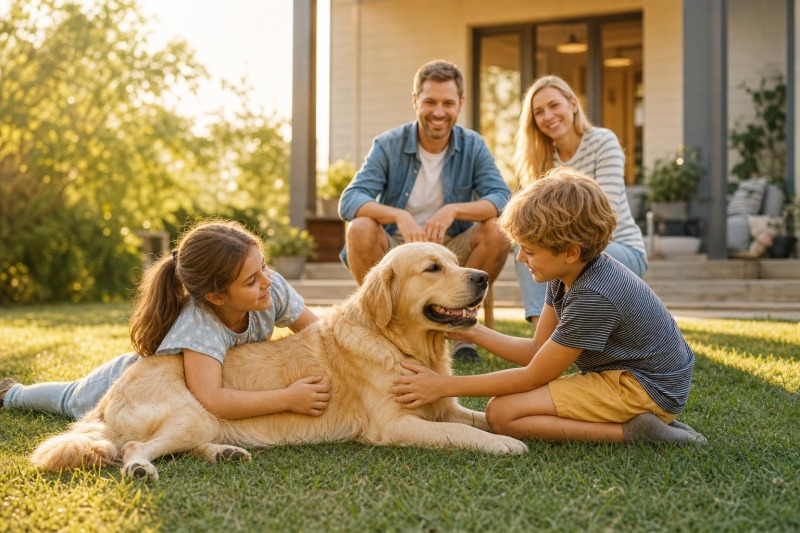
Modern dog owners often need more from a dog than simple companionship. Families want a dog that is gentle with children but not fragile. Older adults may want a dog that brings comfort, routine, and a sense of security. Some handlers are looking for a dog with the potential to support therapy work. Others want a companion that can go places, behave in public, and still be easy to live with at home.
This is where the multi-purpose idea becomes so appealing. Instead of choosing a dog meant for one narrow role, people are looking for versatility. They want a dog that can fit daily life rather than forcing daily life to bend around the dog.
That practical mindset reminds me a lot of how country folks have long judged dogs. A good dog was never just measured by one skill. It mattered whether the dog had sense, whether it minded well, whether it could be trusted around people, and whether it settled in as part of the household. Those old standards still hold up. In many ways, they are exactly what people are searching for now.
Best Traits to Look for in a Multi-Purpose Companion Dog
If you are thinking about bringing one home, focus less on labels and more on traits. Look for a dog that enjoys human connection without showing frantic dependence. Watch how the dog responds to handling. Notice whether it can relax after play. Pay attention to curiosity as well. A good candidate is interested in the world but not overwhelmed by it.
Moderate energy is often ideal. A dog with too little drive may struggle to engage in training or activity, while a dog with too much can become difficult in homes that need calm predictability. The sweet spot is a dog that can go out and do something with you, then come back in and settle.
Gentle confidence matters too. The best dogs for companion, therapy, and many support roles tend to approach life with a clear head. They are not looking for trouble, but they are not shrinking from every new sound either. They can greet a stranger politely, move through a busy place without panic, and accept guidance from their handler.
Breed Matters, But Individual Dogs Matter More
Some breeds are known for producing excellent multi-purpose companion dogs. Retrievers, poodles, spaniels, collies, and certain well-bred mixed dogs often stand out because they combine sociability, intelligence, and willingness to work with people. Still, breed reputation only gets you so far. Every dog is an individual.
A breed can improve your odds, but temperament, early socialization, health, and training shape the final result. Anyone looking for the right dog should keep an open mind and evaluate the dog in front of them, not just the name on paper.
Training a Dog for Multiple Roles
A multi-purpose companion dog does not happen by accident. Even the best natural dog needs guidance. Training should start with the basics, but it should not end there. A dog that learns to walk calmly on lead, settle on cue, wait at doors, greet politely, and remain focused around distractions is already miles ahead of the average household dog.
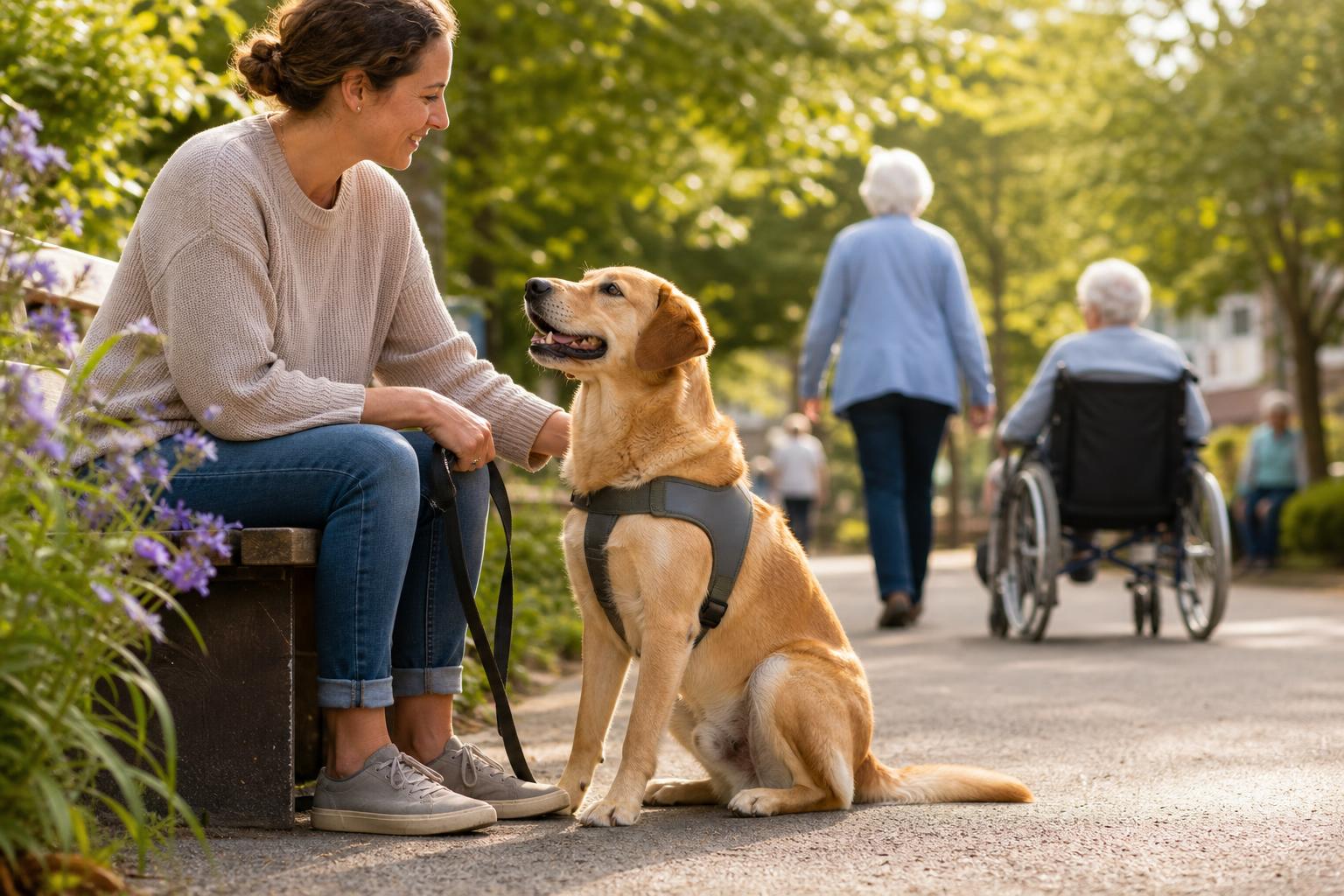
From there, the path depends on your goals. Some dogs may move toward therapy dog work, where calm social behavior and confidence around people become essential. Others may be trained to provide practical support in everyday routines. Some may simply become exceptionally reliable companion animals that make life smoother and richer for the people around them.
The strongest training comes from consistency. Dogs learn through repetition, timing, and clear expectations. If one day rough behavior is laughed off and the next day it is punished, the dog gets muddy information. But when the dog understands the rules and those rules stay steady, you start seeing the kind of confidence that makes a dog dependable.
That can be encouraged. Teach the dog that there are times for play and times for quiet. Reward calm behavior, not just flashy behavior. A dog that can settle on a mat while guests visit may be showing a more valuable skill than one that can perform ten tricks in the yard.
Choosing the Right Dog for Your Lifestyle
It is easy to fall in love with the idea of a dog before thinking through the reality. The best choice is not the most impressive dog. It is the dog whose nature lines up with your life. If your home is active and social, you may do well with a dog that enjoys movement and interaction. If your household is quieter, a naturally calm dog may be the better fit.
For people interested in therapy dog or service dog potential, honesty is important. Not every friendly dog is suited to advanced work. The dog should be physically sound, emotionally balanced, and comfortable in a wide range of environments. It also helps if the dog recovers quickly from stress and shows a natural interest in staying connected with its handler.
If possible, spend time observing the dog in more than one setting. Watch how it behaves when excited, when bored, and when asked to wait. Those moments often tell you more than a polished first impression ever will.
The Lasting Reward of a Well-Chosen Companion
There is something deeply satisfying about living with a dog that fits. Not just a dog you love, but a dog that truly belongs in your rhythm of life. The kind that walks beside you without fuss, settles in when the day is done, and offers comfort with a quiet presence that never feels forced.
Multi-purpose companion dogs earn their reputation one ordinary day at a time. They may not always make a grand show of what they offer, but they make daily life better in ways that matter. They bring steadiness to the home, purpose to training, and companionship that goes beyond simple ownership.
For anyone interested in companion dogs, therapy dogs, or service dog foundations, the lesson is simple. Look for balance. Choose temperament over trend, soundness over hype, and partnership over appearance. A dog that can move with you through different parts of life is worth its weight in gold. Around the house, on the road, or out under an open sky, that kind of dog is not just useful. It is unforgettable.