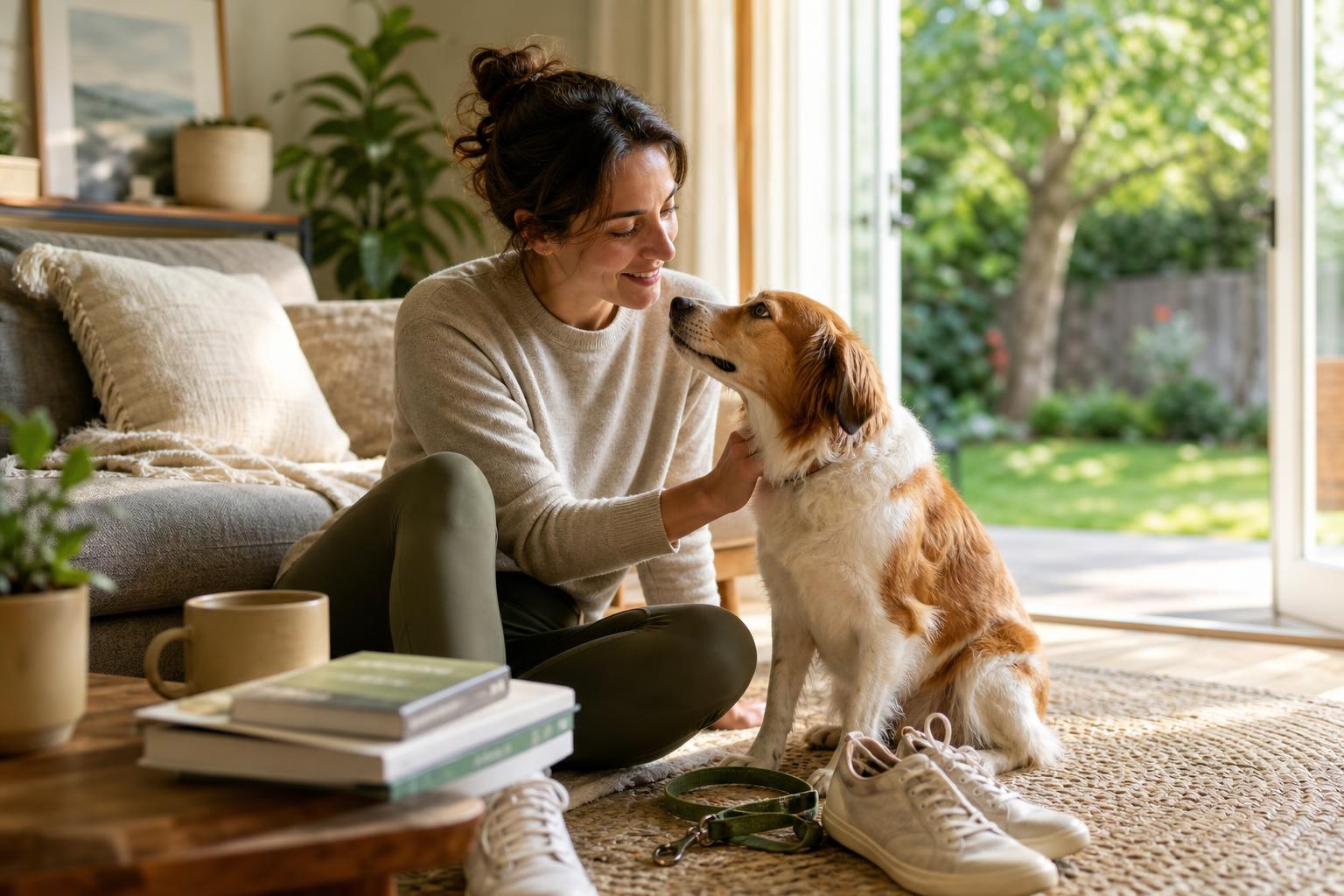
A suitable companion dog fits the ordinary week: working hours, walks, household activity, and the care available when plans change. Temperament and individual needs deserve more weight than an appealing photograph.
Choosing the right companion dog for your lifestyle is not just about breed popularity or looks. It is about how that dog will fit into your everyday life when the weather turns, when work runs late, when the children are loud, when your knees ache, or when you need a quiet presence after a hard day. A true companion dog should bring comfort, stability, and joy, not constant friction. For folks also interested in therapy dogs or service dogs, this same decision-making process matters even more, because temperament, trainability, and emotional steadiness are worth their weight in gold.
What a Companion Dog Is Really Meant to Do
A companion dog is first and foremost a partner in daily living. That does not mean lazy, and it does not mean decorative. The best companion dogs are emotionally responsive, adaptable, and willing to share your pace of life. Some are cheerful little shadows that follow from room to room. Others are larger, quieter dogs that settle like an old friend by the chair and keep watch without fuss. The right one depends on what you need from the relationship.
For some people, a companion dog is a source of emotional support through loneliness, grief, or anxiety. For others, it is a family dog that can handle children, visitors, road trips, and the normal racket of an active home. Some households are also considering whether a dog might eventually be suitable for therapy work, visiting hospitals, schools, or care facilities. In other cases, a person may be gathering information about service dogs and wants to understand the traits that separate a pleasant pet from a dog capable of serious, task-focused work. Different goals call for different dogs, but the place to start is always the same: your lifestyle.
Start with Your Real Daily Routine
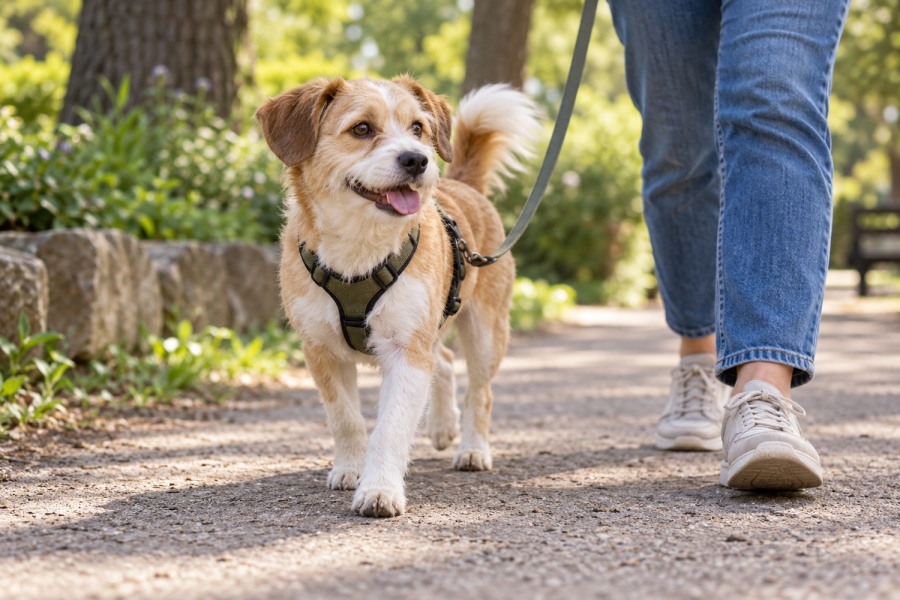
The key word there is real. Not your ideal routine, not the one you promise yourself every January, but the one you actually live. If you work long shifts, travel often, or prefer quiet evenings over long hikes, then bringing home a high-drive dog with endless energy is likely to end in frustration for both of you. On the other hand, if you spend your weekends outdoors, enjoy training, and want a dog that is up for movement and adventure, a dog bred for stamina and engagement may suit you well.
They picture sunrise walks through open fields and a dog trotting at heel, ears up, happy as can be. Then life comes at them with bad weather, overtime, sore backs, and family obligations. The dog still needs exercise, mental work, and consistency. A mismatch there shows up fast, and usually not in a pretty way. Barking, chewing, restlessness, accidents, and anxiety are often less about a bad dog and more about a poor fit.
Energy Level Matters More Than Size
One of the biggest mistakes people make is assuming a small dog needs little from them or that a large dog automatically needs much more. That is not how it works. Energy level, not body size, is what shapes everyday life. If you want a calm, predictable companion, look for a dog with a stable temperament and moderate exercise needs. If you enjoy activity and training, a more driven dog may be a pleasure instead of a burden.
Consider Your Home Environment
Your dog will not live in theory. That dog will live in your house, apartment, condo, or rural property, and the setting matters. A dog in a small apartment can do just fine with enough structure and exercise, but close quarters make noise, reactivity, and poor manners harder to ignore. In a larger home or country setting, some challenges are easier to manage, but the dog still needs engagement. A big yard is not a substitute for companionship.
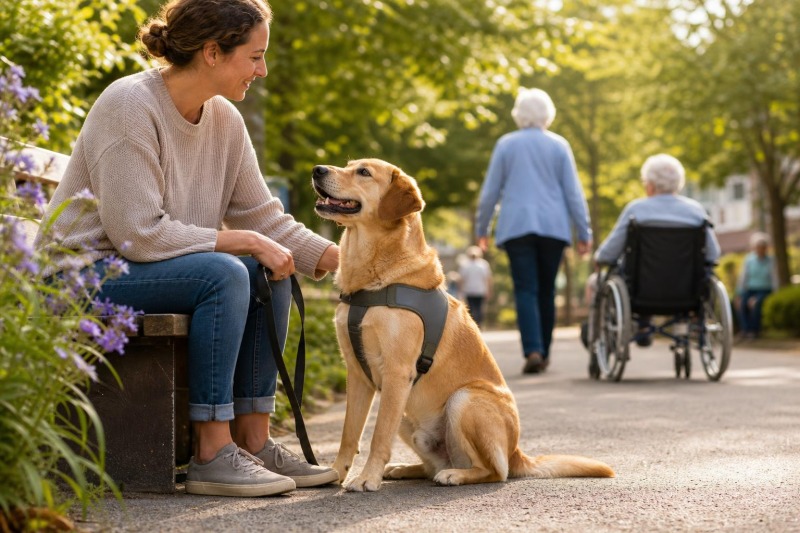
Think, too, about stairs, flooring, climate, and neighborhood activity. A senior owner may do better with a dog that is easier to handle physically. A busy household with guests coming and going needs a dog that can recover quickly from excitement. If you have other pets, that should weigh heavily in your decision. Some dogs slide into a multi-pet home with grace. Others would rather be your one and only. There is no shame in either, so long as you choose honestly.
Temperament Is the Bedrock
A handsome dog with weak nerves, poor recovery, or unpredictable behavior will test your patience and rob the peace you were hoping to gain. A plain-looking dog with a steady mind, good social sense, and a willingness to bond can become the best dog you ever owned.
This point matters especially for anyone interested in therapy dogs or service dog information. Dogs suited for therapeutic settings or advanced assistance work must be stable under pressure. They need to handle strange noises, unfamiliar people, shifting environments, and occasional surprise without coming apart at the seams. Even if your dog never enters formal therapy or service work, that same steadiness makes for a wonderful household companion.
Trainability and Softness to Human Guidance
Some dogs seem to meet you halfway from the very beginning. They watch your face, listen for cues, and want to understand. Others are more independent and make you earn every ounce of cooperation. Neither is wrong, but for a first-time owner or a person seeking a close emotional companion, trainability is worth serious attention. Dogs that respond well to calm, consistent guidance are often easier to live with and more rewarding for the average household.
That does not mean you want a dog that folds under pressure or startles at correction. What you want is balance: a dog that is confident without being stubborn, sensitive without being fragile, and responsive without becoming needy. That kind of balance makes all the difference in companion work and is often a strong marker in dogs considered for therapy or support roles.
Age, Breed, and Background All Play a Role
Puppies are hard to resist, but they are a gamble wrapped in charm. They need house training, socialization, management, and patient guidance. Their adult temperament is still developing. If you want a clearer picture of what you are bringing home, an adolescent or adult dog may be the wiser choice. By then, you can often see energy level, sociability, confidence, and general disposition more plainly.
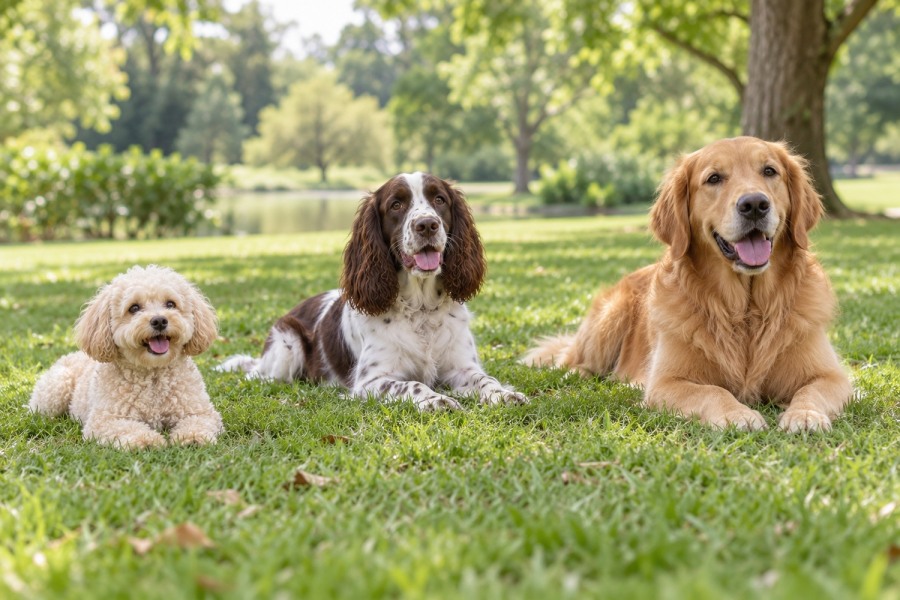
Breed can give you useful clues, though it should never be your only measuring stick. Breeds developed for close human partnership often make excellent companions, but within every breed there is variation. Mixed-breed dogs can also be outstanding matches, especially when evaluated as individuals. Good rescue groups, ethical breeders, and experienced foster homes can often tell you more than a glossy photo ever will.
Background matters, too. A dog raised with thoughtful exposure to people, surfaces, sounds, and routine often settles more easily into a new home. A dog with a rough or unstable past may still become a fine companion, but you should go in with clear eyes and realistic expectations. Love helps, but structure and suitability matter just as much.
Choosing with Therapy and Service Potential in Mind
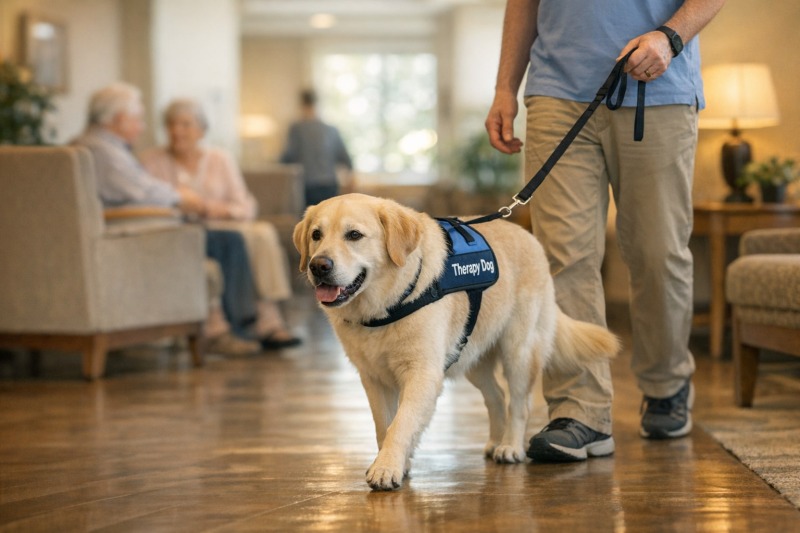
Many readers come to companion dog education because they are also curious about therapy dogs and service dogs. It is important to know the difference. A companion dog offers comfort and daily presence. A therapy dog is typically trained and temperament-tested to provide calm interaction in public settings like hospitals or schools. A service dog performs specific tasks to assist a person with a disability. Not every friendly dog is suited for those roles.
If you hope your future dog may one day do therapy work, look for sociability without chaos, confidence without pushiness, and a natural ease around strangers. If you are researching service dog qualities, focus on exceptional stability, trainability, recovery, and focus. Even then, professional evaluation and training standards matter. The safest approach is to choose the dog that best fits your real life first, then evaluate future potential from there.
The Best Choice Is the Dog You Can Live Well With
A good companion dog should fit your life in a way that feels natural more often than forced. There will always be adjustment, and every dog requires training, patience, and investment. But when the fit is right, the work feels meaningful. The dog settles into your rhythm. The house grows warmer somehow. The mornings have purpose. The evenings feel less empty.
That is the worth of a true companion.
So take your time. Ask better questions than what breed is cutest or what dog is trending this year. Ask what kind of dog can thrive in your home, with your habits, under your care, through the seasons of your life. That is how you choose well. And when you choose well, you are not just buying a dog. You are making room for one of the finest partnerships a person can have.