A family dog needs a household that can supervise interactions, protect resting space, and teach children respectful handling. Start with that commitment before considering breed, size, or appearance.
A true companion dog is not just a pet that happens to live in the house. A good companion dog wants to be close to its people, settles into daily life without constant friction, and has the kind of balanced nature that makes children feel safe and understood. For families, that means looking beyond flashy trends or internet hype and focusing on what the dog is actually like to live with day after day.
What Makes a Good Family Companion Dog?
When children are in the picture, the best dog is usually one with a patient disposition, a stable nerve, and an honest willingness to be handled. Kids move fast, laugh loud, drop food, leave toys underfoot, and sometimes forget their manners. A family dog does not need to be perfect, but it does need to be forgiving. That steady, tolerant nature is worth more than any fancy pedigree line if your goal is a peaceful home.
Some think a small dog is automatically better for children, while others believe a big dog is tougher and safer. Truth is, size alone tells you next to nothing. A small dog can be nervous and quick to react, while a large dog can be calm as a shade tree in August. What matters is energy level, trainability, sociability, and how the dog responds to stress.
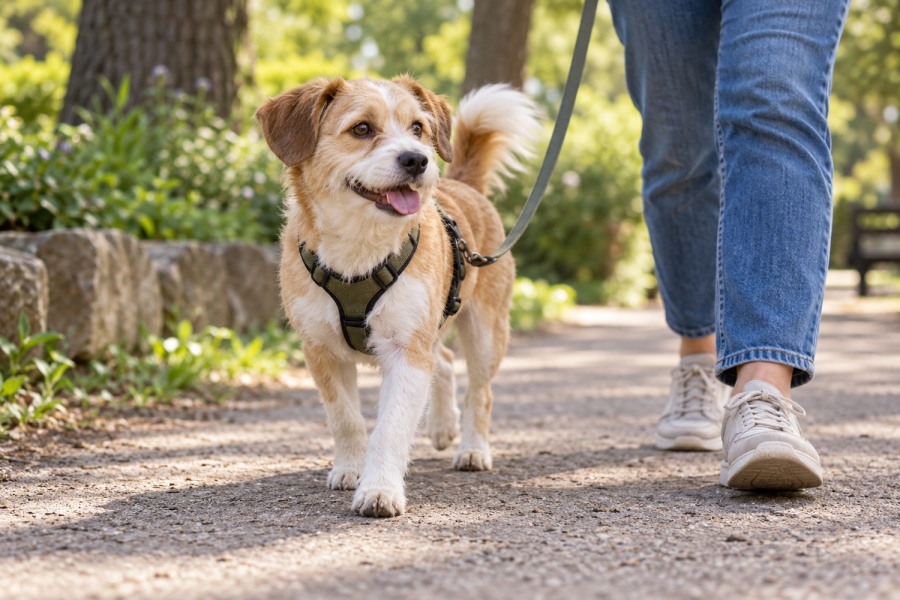
The best companion dogs for kids often share a few traits. They enjoy human company, recover well from surprises, and can be guided without a fight every step of the way. They do not need to win every contest. They are content being part of the family’s rhythm, whether that means lying by the couch during homework hour or padding along on a Saturday walk.
Temperament Comes Before Breed
Breed can give you a useful roadmap, but it should never be your only compass. Every dog is an individual. Even among breeds known for family-friendly behavior, some dogs are bolder, softer, more sensitive, or more stubborn than others. If you are buying from a breeder, study the parents and ask plain questions about temperament, health, and socialization. If you are adopting, spend time with the dog in different settings and, if possible, let the children meet the dog in a calm, controlled environment.
That first meeting can tell you a great deal. A dog that approaches with curiosity, accepts gentle interaction, and settles after excitement often has a better foundation than one that is wildly overaroused or plainly fearful. A little caution is not always bad, but a family dog should not live in a state of constant alarm.
Best Dog Qualities for Homes with Children
Folks often ask for the single best breed for kids, but the smarter question is what qualities fit your household. If your home is busy and active, a dog with a moderate to high energy level may thrive as long as you are ready to provide exercise and structure. If your family likes quiet evenings and predictable routines, a lower-key dog may be the wiser match.
Trainability matters more than many first-time owners realize. A dog that learns household rules quickly can settle into family life with far less stress. Reliable recall, polite leash manners, and a solid place command make a world of difference when children are racing through the yard or friends come charging in the front door. Good training does not just create obedience. It creates clarity, and dogs do best when the rules are clear.
Another trait worth its weight in gold is resilience. Kids are noisy. They make sudden movements. They forget to close doors softly and they spill things that smell mighty interesting to a dog. A resilient companion dog can take in all that activity and still keep an even keel. That calm center is what many families are really looking for, whether they know how to describe it or not.
Energy Level Must Match the Family
This is where many homes get crossed up. A high-drive dog in a low-activity household can become frustrated, destructive, and hard to manage. On the other hand, a dog with very low stamina may not enjoy a house full of rough-and-tumble children who want a playmate from breakfast to bedtime. The sweet spot is often a dog with moderate energy, one happy to romp outside and then settle indoors.
If school mornings are rushed, if afternoons are full of errands and homework, and if the adults are already stretched thin, then the dog needs to fit that real life. There is no shame in choosing a dog that is easier to live with. In fact, that is often the most responsible call a family can make.
Teaching Kids and Dogs to Live Together
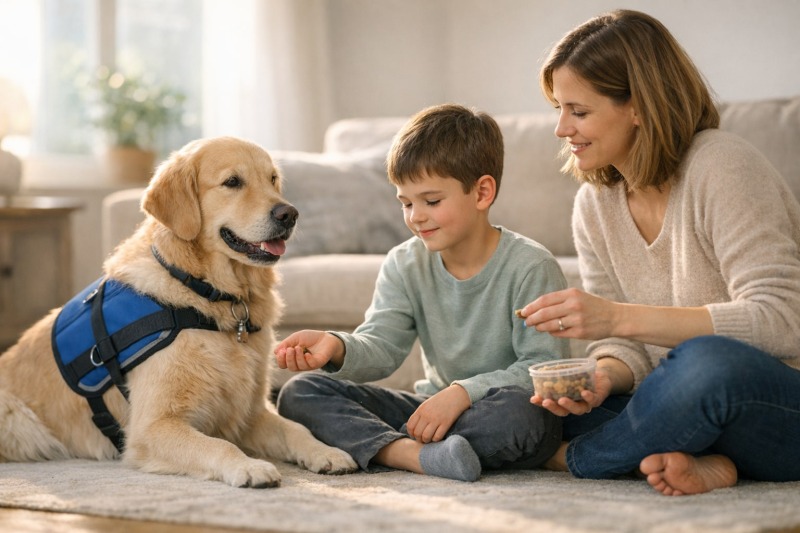
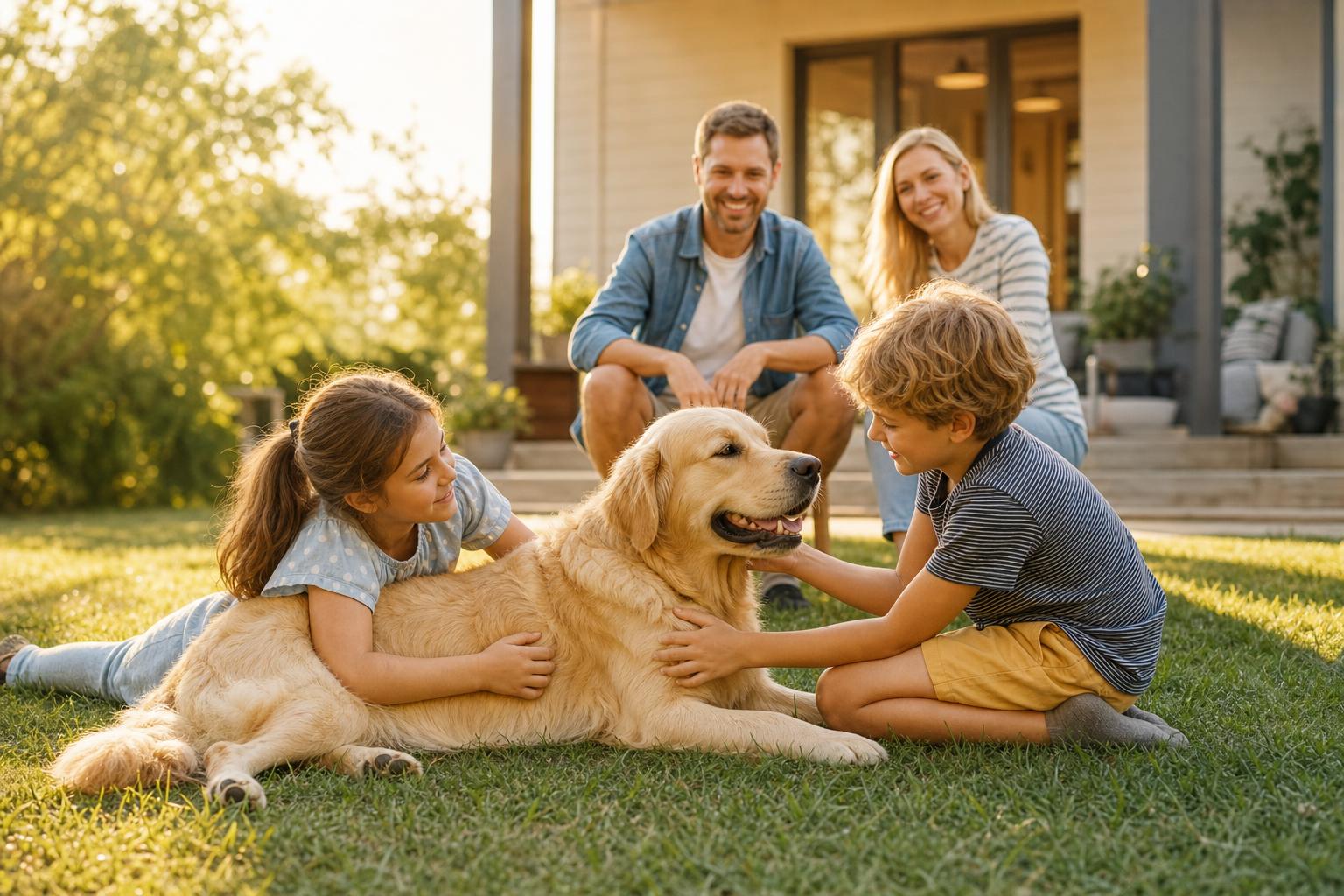
No dog, no matter how gentle, should be expected to raise children on its own. Parents need to teach both sides of the relationship. Children should learn that dogs are living creatures, not stuffed toys with a heartbeat. That means no pulling ears, climbing on the dog, cornering it while it eats, or pestering it when it is tired. The dog, meanwhile, needs guidance on boundaries, calm greetings, and how to settle when the house gets lively.
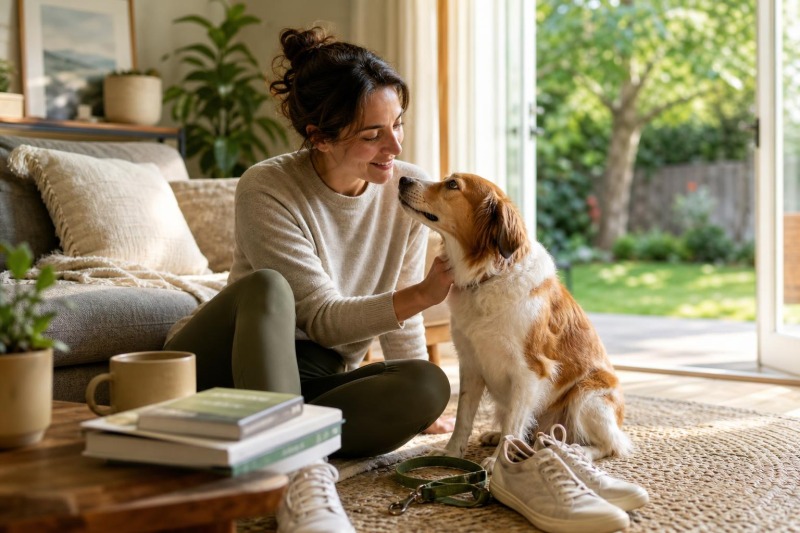
One of the best sights in any home is a child and dog learning one another in honest, quiet ways. The boy talked about school troubles as if the dog were a preacher and a best friend rolled into one. The dog did not fix anything, but he listened in the way only a good companion dog can. That kind of bond is built through trust, routine, and respect.
Supervision is still the rule. Young children and dogs should never be left together without an attentive adult nearby. Even a good dog can become overwhelmed, and even a sweet child can make a poor choice in the heat of play. Prevention is always easier than repairing a broken sense of trust.
Why Early Socialization Matters
Whether you bring home a puppy or an adult rescue, socialization matters. A dog should learn that household sounds, visitors, children’s movement, and everyday life are normal and manageable. Proper socialization is not about flooding a dog with chaos. It is about calm, positive exposure that teaches confidence.
For puppies, that means meeting kind people, seeing new environments, and learning to recover from surprise. For adult dogs, it means patient introductions and steady routines. A family dog that feels secure is far more likely to make sound decisions when the house gets busy.
Popular Companion Dogs for Families with Kids
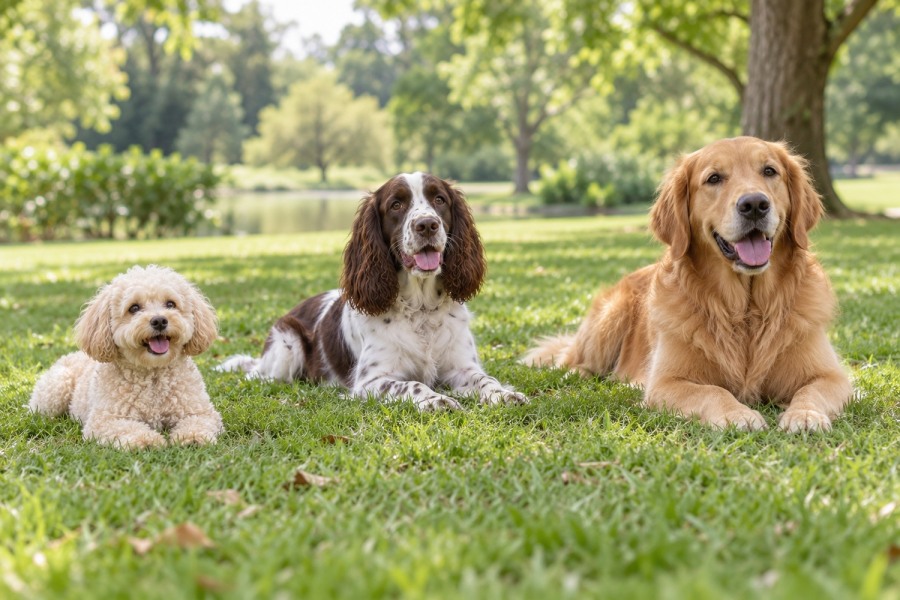
Some breeds have earned their reputation in family homes for good reason. Labrador Retrievers are often praised because they tend to be social, trainable, and eager to join in whatever the family is doing. Golden Retrievers are beloved for their gentle nature and dependable temperaments. Cavalier King Charles Spaniels can make affectionate companions for families wanting a smaller dog with a soft disposition. Standard Poodles are smart, athletic, and often excellent with children when properly trained and socialized.
Mixed-breed dogs also deserve a long look. What they had was balance, good sense, and a deep desire to be with their people. That counts for more than a polished sales pitch.
That said, no breed is foolproof. Families should research grooming needs, exercise demands, size, shedding, health concerns, and lifespan before making a decision. The best family dog is not the most popular one. It is the one that fits your home honestly.
Companion Dogs, Therapy Dogs, and Service Dogs
Because many readers are also interested in therapy dogs and service dogs, it helps to understand the difference. A companion dog is primarily there for friendship, emotional support, and daily connection within the home. A therapy dog is typically trained and evaluated to provide comfort to people in settings such as schools, hospitals, or nursing homes. A service dog is individually trained to perform specific tasks for a person with a disability.
Some of the qualities families value in a companion dog, such as calm behavior, trainability, and affection, also show up in therapy and service prospects. Still, those roles come with different standards and responsibilities. If your main goal is a loving family dog for children, start there and build a strong foundation first.
How to Choose the Right Dog for Your Family
Start with your lifestyle, not your wish list. Think about the age of your children, the size of your home, your yard, your schedule, and your experience with dogs. Meet several dogs if you can. Ask breeders and rescue staff direct questions. Has the dog lived with kids? How does it handle noise? Does it guard food or toys? How quickly does it settle after excitement? Those plain questions can save heartache later.
Once the dog comes home, invest in training early. A family dog does not need military polish, but it should understand manners that make household life safe and pleasant. Crate training, leash work, recall, and calm greetings are all useful from the start. Training also gives children a healthy way to participate under adult guidance, helping them form a bond based on respect rather than chaos.
Most of all, give the relationship time. Some dogs fit in on day one, while others need weeks to understand the shape of a new home. Patience goes a long way. The best companion dogs for families with kids do not become great overnight. They grow into the role through routine, trust, and daily shared life.
A good family dog is one of life’s true blessings. It may greet sleepy children at the kitchen table, keep watch at the window when the school bus rolls up, and rest its head on a small knee after a hard day. That kind of companion does not just fill space in a house. It helps make a home.
If you choose with care, train with consistency, and teach children how to treat dogs with respect, you stand a fine chance of raising a partnership that lasts for years. The best companion dogs for families with kids are not just friendly. They are steady. They are willing. They carry themselves with a quiet honesty that makes you trust them around the people who matter most. And when you find a dog like that, you hold on tight, because there is nothing common about a good one.