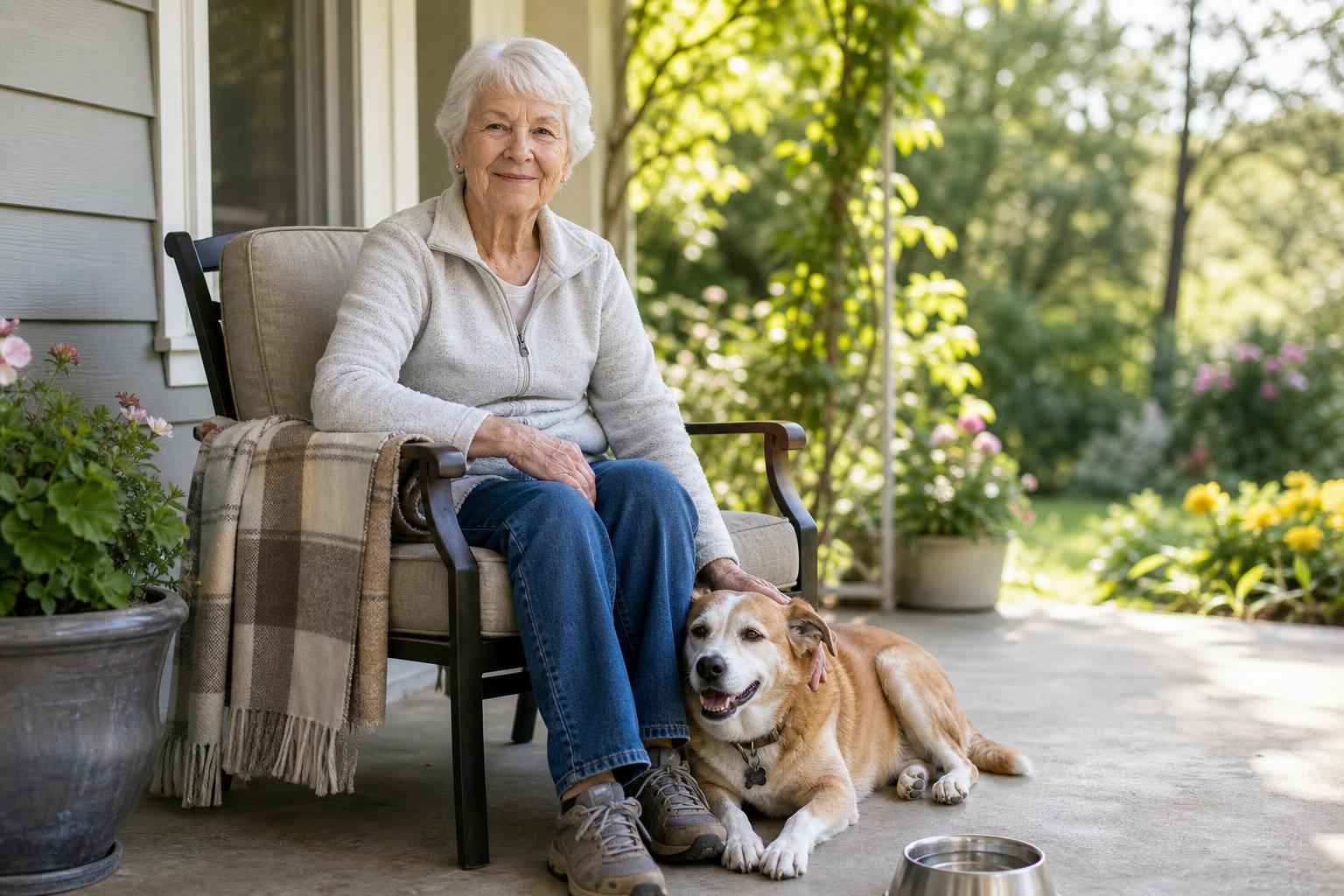
For an older owner, a useful match depends on daily care, mobility, support, and the dog's individual needs. Plan for walks, veterinary visits, and backup care before choosing a companion.
A senior may say they are only looking for a small dog to keep them company, but what they really need is a living thread that ties the day together. That dog gives them a reason to get up, step outside, speak kindly, laugh often, and settle into a routine that feels useful. It is not fancy, and it is not complicated, but it is powerful.
For anyone learning about therapy dogs, service dogs, or companion dogs, it helps to understand that a companion dog is first and foremost a source of friendship and emotional comfort. Unlike a trained service dog, a companion dog does not need to perform specialized tasks under disability law. Unlike a therapy dog, it does not necessarily visit hospitals or nursing homes. Its job is simpler, though no less meaningful. A companion dog stays close, keeps watch over the household in its own quiet way, and eases the loneliness that can creep in during later years.
Why Seniors Benefit So Much From Companion Dogs
Age changes the shape of a day. Children are grown, careers are finished, and houses that once felt crowded can start sounding mighty empty. That kind of silence settles on a person. A companion dog helps break it. Even the soft click of nails on the floor or the rustle of a tail against a chair can make a home feel alive again.
Many seniors benefit from the emotional steadiness a dog brings. Dogs live in the present, and there is wisdom in that. They do not care what happened ten years ago or what tomorrow may bring. They care that breakfast is coming, the sun is out, and their person is nearby. That outlook rubs off. Seniors who live with the right dog often report feeling less isolated, more active, and more grounded in daily life.
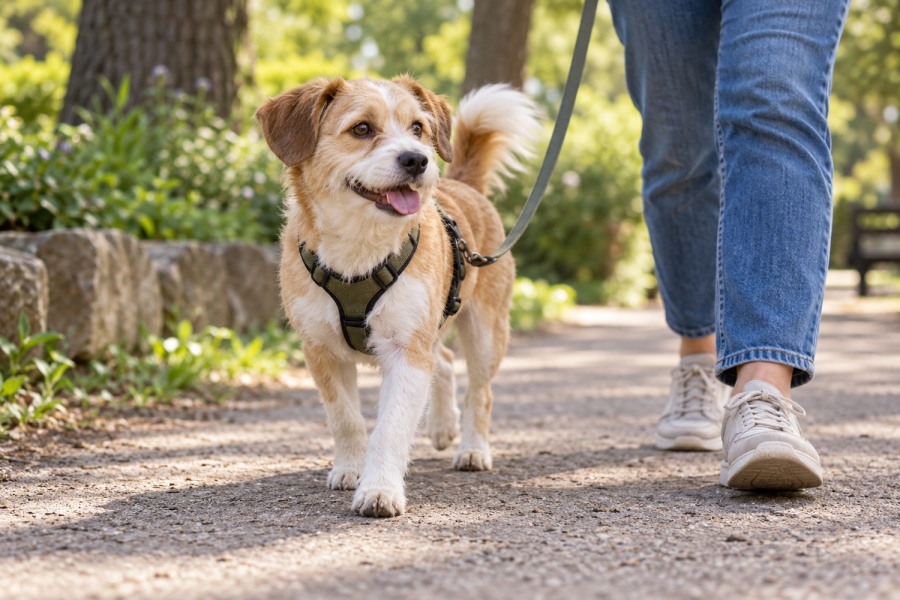
There is also the matter of routine. A dog needs feeding, bathroom breaks, a little exercise, and affection. That predictable rhythm can be healthy for seniors, especially those who are retired or widowed. It creates structure without feeling like a burden. A short morning walk, a midday cuddle, and an evening trip outside can add shape to a day that might otherwise drift.
Companionship That Goes Beyond Simple Affection
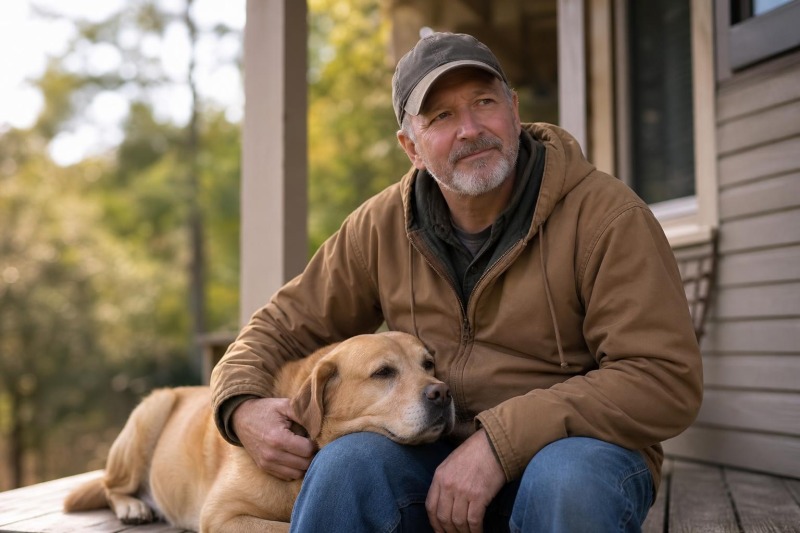
A good companion dog does more than sit nearby looking sweet. These dogs seem to learn the weather of a person’s mood. They notice when their owner is uneasy, tired, or downhearted. They come close when comfort is needed and settle in without asking much in return. For seniors facing grief, mobility changes, or the ordinary challenges of aging, that kind of quiet support can be worth more than most people realize.
A dog can turn a plain morning into a shared adventure. Even if the outing is no more than a stroll to the mailbox, it becomes a purpose-driven little journey. That matters. Life does not have to be grand to be full.
What Makes a Good Companion Dog for a Senior
When people start looking for the best companion dogs for seniors, they often fixate on breed alone. Breed can matter, but temperament matters more. The right dog should fit the senior’s energy level, living space, and physical ability.
In most cases, the best companion dogs for older adults are gentle, people-oriented, and reasonably easy to handle. That does not always mean tiny. Small dogs can be excellent, but some are more fragile or more vocal than expected. Medium-sized dogs can sometimes be easier because they are sturdy without being overpowering. What matters is that the dog is manageable, affectionate, and not likely to pull hard, jump excessively, or demand endless exercise.
A senior-friendly companion dog should also be adaptable. Some seniors enjoy daily walks and trips around town. Others prefer a slower pace and more time indoors. The dog should be comfortable with that lifestyle. It helps if the dog is house-trained, responsive, and not prone to anxiety when left alone for short periods.
Age of the Dog Matters More Than Many Realize
Puppies are charming, no doubt about it, but they can be a rough fit for many seniors. They chew, wake early, need constant supervision, and have all the common sense of a falling bucket. An older adult dog is often a better choice. By the time a dog is two to five years old, you usually know its temperament, energy level, and house manners. For many seniors, that can make the transition smoother and less stressful.
Senior dogs themselves can also be wonderful companions for seniors. There is a kind of mutual understanding in an older dog. They often want comfort more than chaos and are content with a gentle pace. Adopting an older dog can be one of the finest matches a person ever makes.
Popular Companion Dog Breeds for Seniors
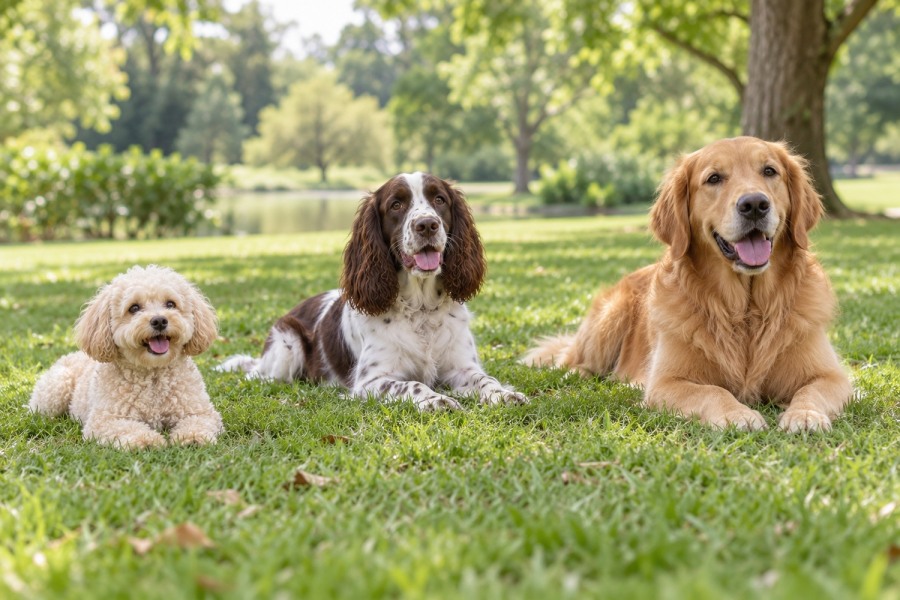
Some breeds do tend to suit seniors well, provided the individual dog has the right disposition. Cavalier King Charles Spaniels are known for their affectionate nature and manageable size. Shih Tzus often make good apartment companions and are happy to stay close to their people. Bichon Frises can be cheerful and sociable. Toy and Miniature Poodles are intelligent, trainable, and often a strong choice for households concerned about shedding.
On the sturdier side, some seniors do well with smaller retriever mixes or gentle spaniel mixes that enjoy walks without acting like they are pulling a sled uphill. Even a well-mannered Labrador mix can be an excellent companion if the dog has matured past the wild stage and has a calm temperament.
A pretty face and soft ears can cloud judgment. Meet the dog, spend time sitting quietly with it, watch how it reacts to handling, and pay attention to whether it settles naturally near people. That tells you far more than color or coat ever will.
How to Choose the Right Companion Dog for Senior Living
A dog should fit the life already being lived. If a senior has arthritis, a large, bouncy dog may create more strain than comfort. If they live in a condo with close neighbors, a dog that barks at every passing sound may not be ideal. If they travel often to visit family, a dog that rides calmly and adjusts well to new settings can make life easier.
There is wisdom in being honest about daily ability. Can the senior bend to fill bowls and clean up accidents? Can they manage grooming appointments or brushing at home? Can they walk the dog safely in all seasons? These are not cold questions. They are practical ones, and practical choices often lead to better, longer-lasting bonds.
It can also help to involve family members in the decision. A senior may be the primary owner, but a nearby adult child or trusted neighbor can provide backup during illness, travel, or emergencies. A companion dog should bring peace of mind, not worry.
Adoption, Breeders, and Finding a Healthy Dog
Whether a senior adopts from a rescue or buys from a reputable breeder, health and temperament should come first. Good rescues often know a dog’s personality well and can point toward dogs suited for quieter homes. Ethical breeders should be transparent about health testing, temperament, and the likely needs of the breed.
Consider folks to take their time. Do not let pressure, pity, or a polished sales pitch push the decision. The right companion dog should feel like a good handshake—steady, reassuring, and right from the start.
Caring for a Companion Dog in the Senior Years
Once the match is made, care should be kept simple and consistent. Regular feeding, veterinary checkups, grooming, and safe daily exercise go a long way. So does training. Even older dogs benefit from gentle, reward-based training. Clear routines make life easier for both dog and owner.
Comfort matters too. A supportive dog bed, easy access to water, and a quiet place to rest can help the dog settle well into the home. Seniors may also appreciate practical gear such as a no-pull harness, raised food bowls, or steps to help a smaller dog reach a couch or bed safely.
If the dog is intended purely for companionship, there is no need to force performance expectations onto it. Let it be what it is meant to be: a steady friend. A dog that naps by the chair, follows its person from room to room, and brightens the dull corners of a day is doing noble work already.
Companion Dogs, Therapy Dogs, and Service Dogs: Knowing the Difference
Because many people search for therapy dogs, service dogs, and companion dogs together, it is worth clearing up the differences. A service dog is individually trained to perform specific tasks for a person with a disability. A therapy dog is trained and screened to provide comfort in settings like hospitals, schools, or care facilities. A companion dog is primarily there to offer emotional support, friendship, and daily company in the home.
That does not make a companion dog less valuable. In fact, for many seniors, a companion dog is exactly the right choice. It provides closeness without the demands of advanced task training or structured public-access work. The bond is personal, home-centered, and deeply meaningful.
The Last Word on Companion Dogs for Seniors
If you have ever watched dawn break with a good dog beside you, you know there is a special kind of peace in it. A dog does not ask for much beyond kindness, consistency, and a place in your world. In return, it gives devotion that stays true through ordinary days and hard seasons alike.
For seniors, that kind of companionship can be life-changing. The right dog brings comfort, purpose, movement, and joy, all wrapped up in fur and warm eyes. Whether you are helping a parent choose a dog, considering one for yourself, or simply learning more about companion dogs for seniors, the goal is the same: find a dog whose nature fits the home, the pace, and the heart of the person who will love it.
Choose with care, trust your instincts, and remember this simple truth. A well-matched companion dog does more than share a house. It shares a life.