For a veteran considering a companion dog, the everyday care arrangement matters as much as the hoped-for companionship. A pet, therapy-dog visit, and task-trained service dog are different options.
That may sound small to somebody on the outside, but routine is often the first solid ground a person gets after life has been shaken up. A companion dog can help create that ground one day at a time.
When people hear about dogs helping veterans, they often think first of service dogs. Those dogs do remarkable work, and they deserve every bit of respect they get. Still, not every veteran needs a fully trained service dog, and not every household is suited for one. In many cases, a well-matched companion dog is the better fit. These dogs provide emotional comfort, encourage healthy habits, reduce loneliness, and give veterans a living, breathing reason to stay engaged with daily life.
What Makes a Companion Dog Different?
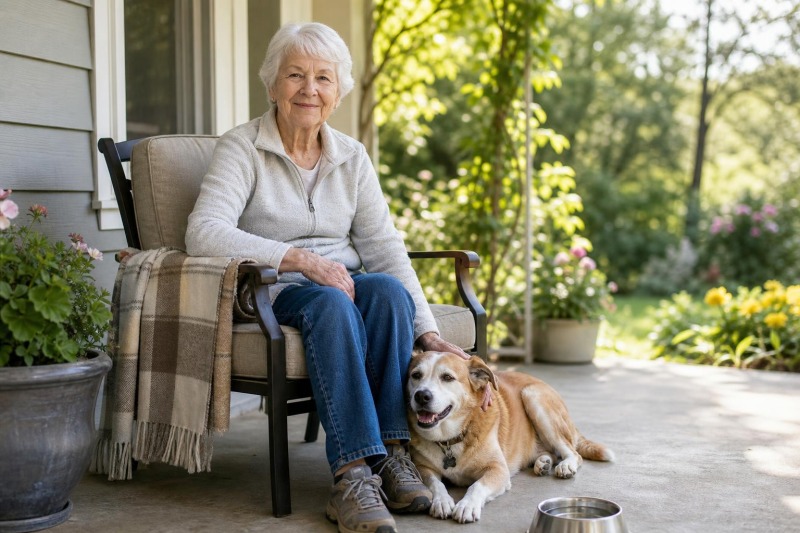
A companion dog is first and foremost a source of friendship and emotional support through ordinary living. Unlike a service dog, a companion dog is not necessarily trained to perform disability-related tasks. Unlike a therapy dog, a companion dog is not usually brought into hospitals, schools, or nursing homes to help strangers. A companion dog is there for one person or one family, sharing the rhythms of home and offering comfort through familiarity, affection, and presence.
That distinction matters because it helps veterans choose the right path. Some need task-based support such as interrupting panic behaviors, guiding mobility, or assisting with balance. Others need a dependable dog that brings calm to the house, gets them moving in the fresh air, and offers a warm body by the chair in the evening. There is no lesser choice in that. The right dog is the one that truly serves the person’s real life.
Why Companion Dogs Matter for Veterans
Many veterans deal with stress, isolation, sleep trouble, grief, and the challenge of adjusting to a life that feels very different from the one they once knew. A companion dog cannot erase those burdens, but a good dog can help carry them. Dogs live in the present, and that alone can be a gift. When a veteran is stuck replaying old memories or bracing against tomorrow, a dog brings attention back to now. The leash needs clipping. The water bowl needs filling. The dog is waiting at the door, tail low and hopeful, ready for a walk down the road.
That daily responsibility can restore a sense of purpose. It is much the same way a man feels when he has stock to feed before daylight or a stand to check before the frost burns off. Duty, even simple duty, can steady the mind. Veterans often benefit from having a reason to rise, move, and engage. Companion dogs create those moments naturally, without judgment and without demanding much more than consistency and care.
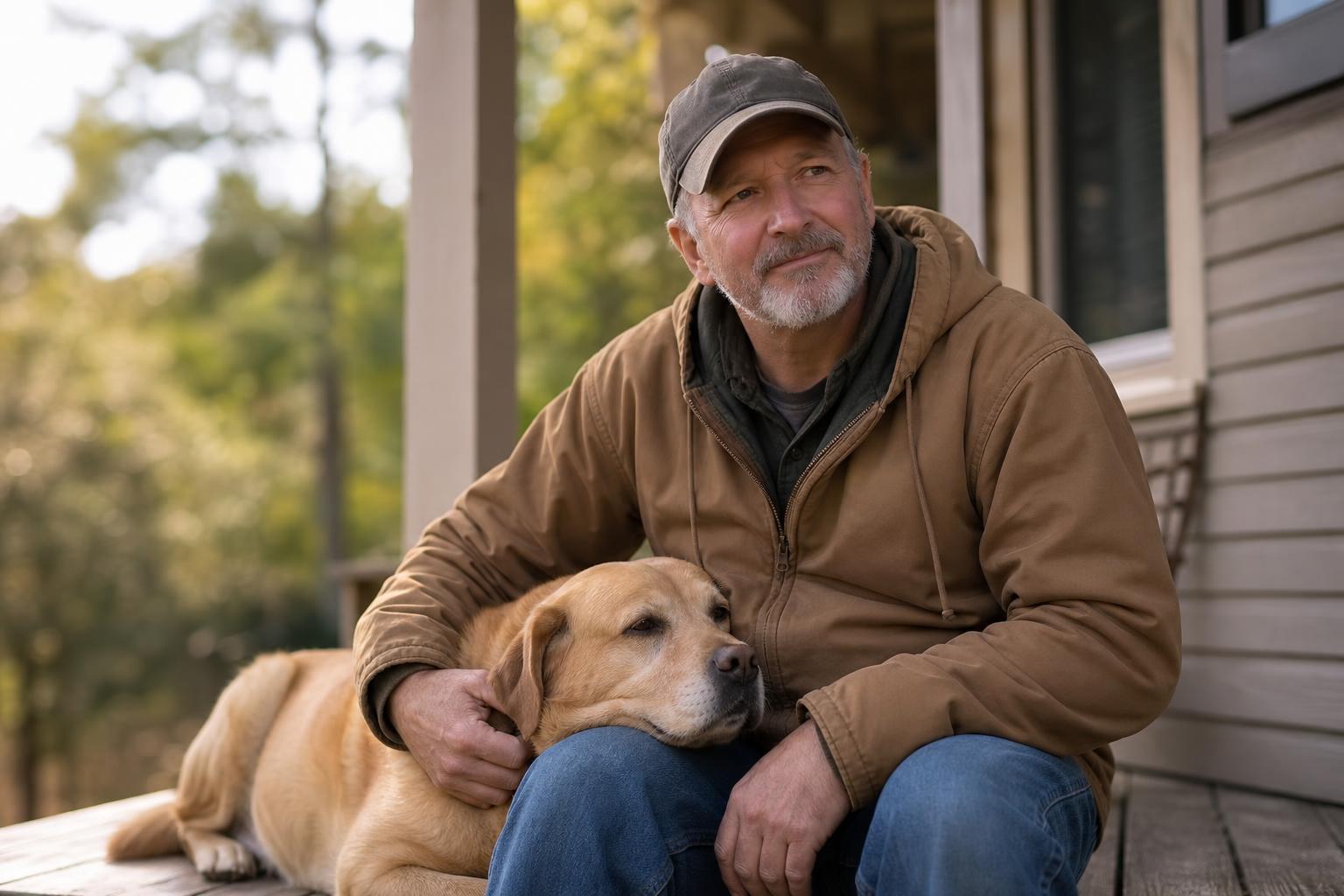
There is also the comfort of touch and closeness. A dog resting his head on a knee can lower the noise in a room in ways that are hard to explain unless you have lived it. The bond often grows strongest in ordinary moments, not dramatic ones. It is the dog who waits by the bathroom door when sleep was poor. It is the dog who follows from room to room on a rough afternoon. It is the dog who hears a truck in the driveway and reminds the whole house that somebody is home.
The Value of Routine and Outdoor Time
One of the strongest benefits of companion dogs for veterans is the routine they bring. Dogs need feeding schedules, bathroom breaks, exercise, and regular care. That structure can help veterans who are struggling with motivation or drifting through irregular days. Even a short walk in the morning can make a difference. Fresh air, sunlight, and movement have a way of settling a restless mind, and a dog gives those habits a purpose beyond self-discipline alone.
A veteran may start by taking the dog around the block simply because the animal needs it. Before long, those walks become a piece of the day worth protecting.
Choosing the Right Companion Dog for a Veteran
There is no single best breed or size for every veteran. The right companion dog depends on energy level, housing, budget, physical ability, and personality. A high-drive dog may be a poor fit for someone who needs a calm household. On the other hand, a veteran who enjoys long hikes, training sessions, and active living may do wonderfully with a dog that has some get-up-and-go.
Temperament matters more than looks. A steady dog with a sound mind is worth far more than a pretty dog with nerves. Look for a dog that recovers well from everyday noises, shows interest in people without being frantic, and settles calmly after activity. Dogs that are clingy, reactive, or overly sharp can make life harder rather than easier, especially for someone already carrying stress.
Age matters too. Puppies are charming, but they demand patience, house training, socialization, and a stout heart for chewed shoes and broken sleep. For some veterans, that challenge is rewarding. For others, an adult dog with an established temperament is the better road. A mature dog often gives you a clearer picture of energy level, behavior, and size, which makes matching far easier.
Best Types of Dogs for Calm Companionship
While individual temperament always comes first, certain kinds of dogs are often well suited for companion roles. Labrador Retrievers are friendly, trainable, and generally eager to be near their people. Golden Retrievers are affectionate and steady, often fitting well into family homes. Cavalier King Charles Spaniels can be excellent for veterans wanting a smaller dog with a gentle nature. Poodles and poodle mixes can suit those concerned about shedding, though grooming needs should not be overlooked. Mixed-breed dogs from reputable rescues can also be outstanding companions when properly evaluated for temperament.
What matters most is the match. A veteran living in an apartment may need a dog that is moderate in energy and quiet indoors. Someone on rural land may prefer a larger dog that enjoys space and regular outdoor time. There is wisdom in choosing with your daily life in mind rather than your heart alone.
Training and Building Trust
Even companion dogs need training. Good manners reduce stress for everyone and allow the dog to become a comfort rather than a source of chaos. Basic obedience, leash walking, crate comfort, and calm greetings all matter. Training also deepens the bond. It gives the veteran and dog a common language, and that shared language builds confidence on both ends of the leash.
The best training is steady, fair, and consistent. Dogs do not need harsh handling to learn. They need clarity, repetition, and a handler they can trust. For veterans, the training process itself can be healing. It requires focus, patience, and observation. It rewards small progress. It gives shape to the week. In a real way, the dog and owner learn each other at the same time.
If a veteran is dealing with trauma, anxiety, or depression, it can help to work with a trainer who understands emotional sensitivity in both dogs and people. The goal is not perfection. The goal is a settled household and a reliable relationship.
Where Veterans Can Find a Good Companion Dog
Veterans can find suitable companion dogs through responsible breeders, rescue organizations, foster-based adoption groups, and breed-specific rescues. The key is honesty. A good source will speak plainly about the dog’s temperament, health, and needs. They will not promise that every dog is perfect for every person. Be wary of flashy claims and thin details.
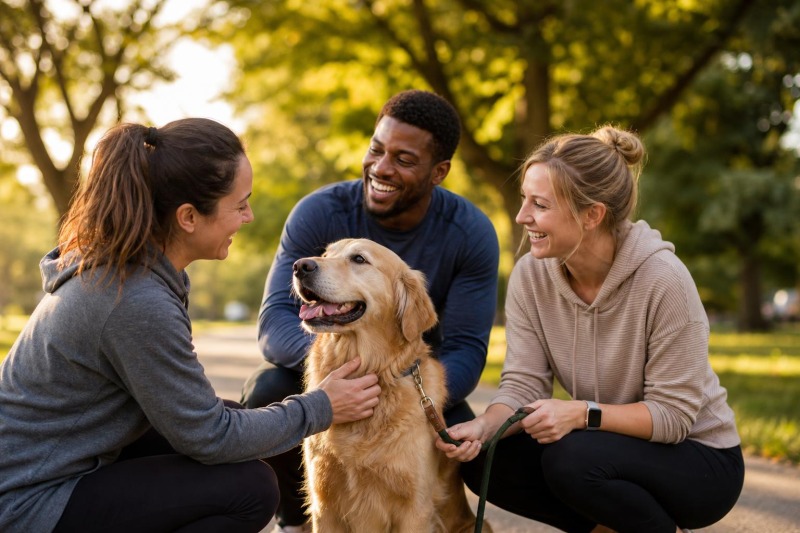
Meeting the dog more than once, asking about behavior in different settings, and considering a trial period can all be wise steps. If possible, involve family members or a trusted friend in the process. Sometimes another set of eyes can catch a mismatch before it becomes a heartache.
Companion Dogs, Therapy Dogs, and Service Dogs
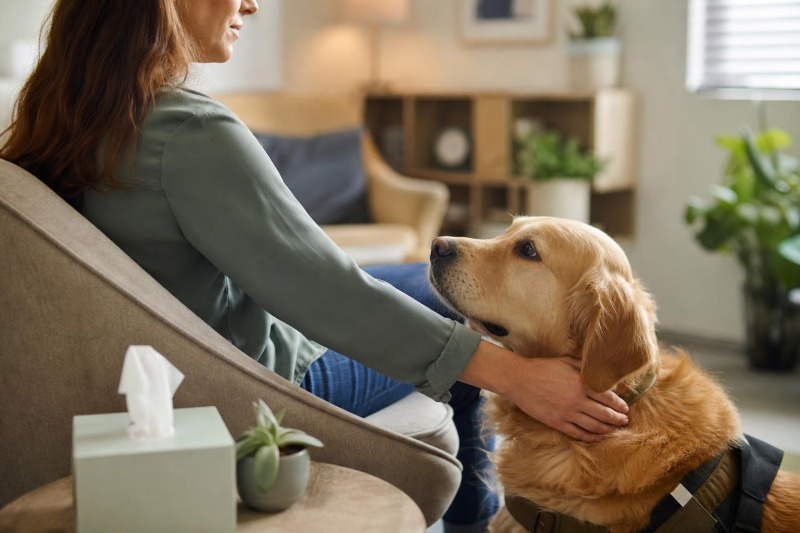
Because this subject can get muddled online, it is worth saying clearly: companion dogs, therapy dogs, and service dogs each serve different roles. Service dogs are individually trained to perform tasks for a person with a disability. Therapy dogs work with their handlers to provide comfort in public settings like hospitals or care facilities. Companion dogs live primarily as devoted pets that support emotional well-being through presence and daily connection.
For veterans exploring their options, understanding these differences can save time and confusion. A companion dog may be exactly right if the goal is emotional support, structure, and loyal company at home. If specific disability-related assistance is needed, then service dog programs may be the better avenue.
The Last Word on Companion Dogs for Veterans
A good companion dog will not ask a veteran to explain the hard parts. He will simply show up each day, ready to walk, wait, listen, and stay close. That is no small thing. In a world full of noise, there is real power in quiet loyalty. For veterans who need comfort, routine, and a steady heartbeat in the house, the right companion dog can make everyday life feel more manageable and more human again.
If you are considering companion dogs for veterans, take your time and choose with care. Think about temperament, energy, trainability, and the shape of your daily life. The best match is not always the flashiest or the most impressive. More often, it is the dog that fits your rhythm so naturally you wonder how the house ever felt whole without him.