PTSD support can involve different kinds of dog-human relationships. Visiting therapy dogs and individually task-trained service dogs have different purposes, access rules, and training requirements.
A good therapy dog has a way of reading the room before most people do. You will see it in the way the dog leans in without crowding, rests a chin on a knee when anxiety starts to climb, or calmly stays close when the world feels too sharp. For people living with PTSD, that kind of grounded companionship can matter more than outsiders often realize.
On this subject, it helps to start with clear terms. A therapy dog is usually trained and evaluated to provide comfort and emotional support to multiple people in settings such as hospitals, schools, treatment centers, and counseling practices. A service dog, by contrast, is trained to perform specific tasks for one individual with a disability, including some people with PTSD. A companion dog may offer enormous emotional benefit at home, but it typically does not have the formal training or public access rights of a service dog. Those distinctions matter, especially for families trying to make the best decision for long-term support.
How Therapy Dogs Help People Living With PTSD
PTSD can affect sleep, mood, relationships, concentration, and the body’s basic sense of safety. Some people experience flashbacks, panic, social withdrawal, irritability, hypervigilance, or a deep reluctance to go out into the world. A therapy dog does not erase trauma, but it can soften the edges of daily life in ways that are both practical and deeply human.
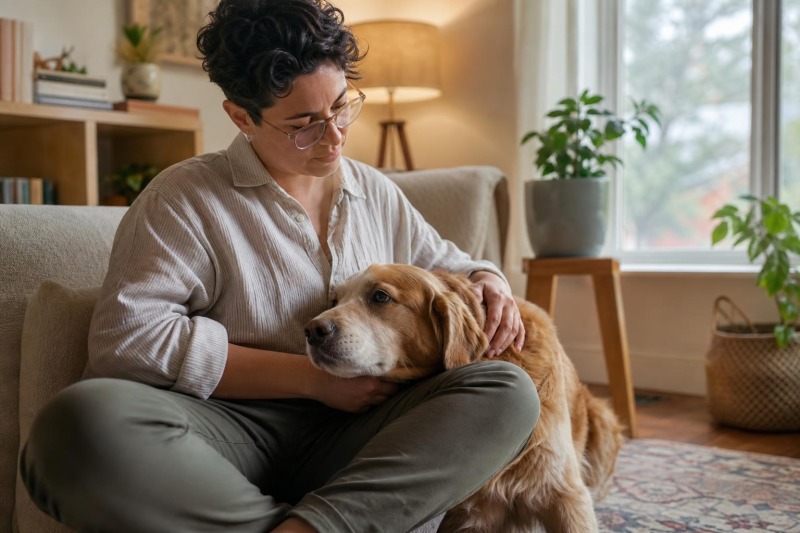
One of the biggest benefits is emotional grounding. Dogs live in the present better than we do. When a person starts spiraling into fear, memory, or anticipatory dread, a calm dog can interrupt that cycle through touch, presence, and routine. Even the simple act of stroking a dog’s coat can help regulate breathing and lower stress. There is something honest about a dog’s heartbeat against your hand. It pulls a person back toward the here and now.
Therapy dogs also reduce isolation. PTSD has a way of making the world feel narrow. People withdraw to avoid triggers, shame, noise, or exhaustion. A dog creates a bridge back to ordinary life. There is feeding to do, walks to take, grooming to keep up with, and a pair of eyes waiting by the door every morning. That daily rhythm matters. It gives shape to hours that might otherwise drift into avoidance or numbness.
Then there is the social side. Dogs open conversations without forcing them. For someone with PTSD, that softer social contact can be a meaningful step. It is not about becoming outgoing overnight. It is about having a trusted companion who makes the world feel a little less hostile.
Calm Presence During Stressful Moments
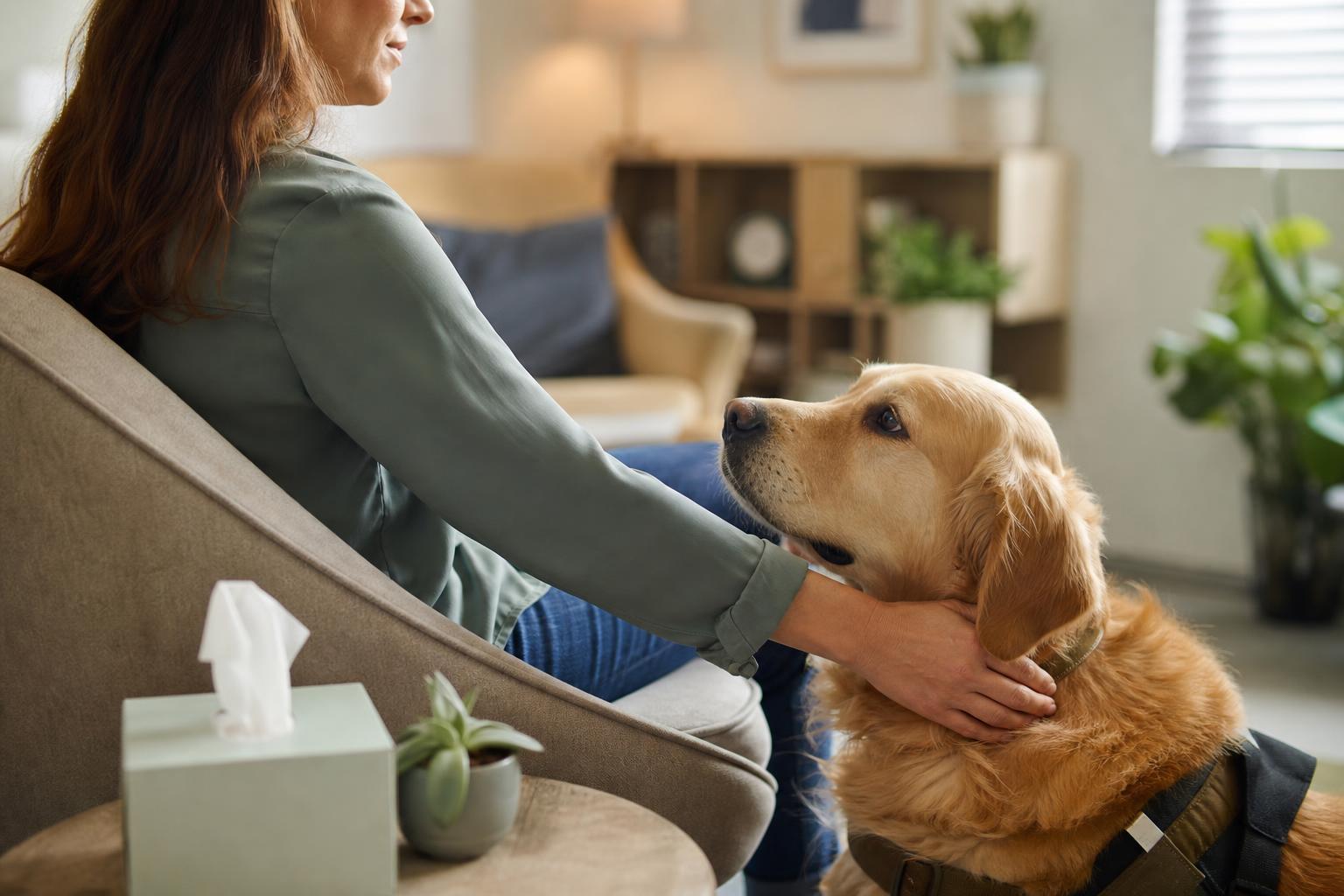
Not every hard moment arrives like thunder. Sometimes stress creeps in quiet and slow. A crowded waiting room, a slammed car door, a smell tied to an old memory, a restless night that leaves the nerves raw by morning. Therapy dogs often help by offering consistent, nonjudgmental presence during these moments. They do not ask a person to explain why they are upset. They simply stay close and steady.
That steadiness can encourage healthier coping. A person may choose to sit and breathe with the dog instead of shutting down. They may walk outside with the dog instead of staying locked in a room. They may feel safe enough to remain in a therapy session, support group, or medical setting because the dog’s presence reduces emotional overload. Those are small victories from the outside, but from the inside, they can feel like hard-won ground.
Therapy Dog vs Service Dog for PTSD
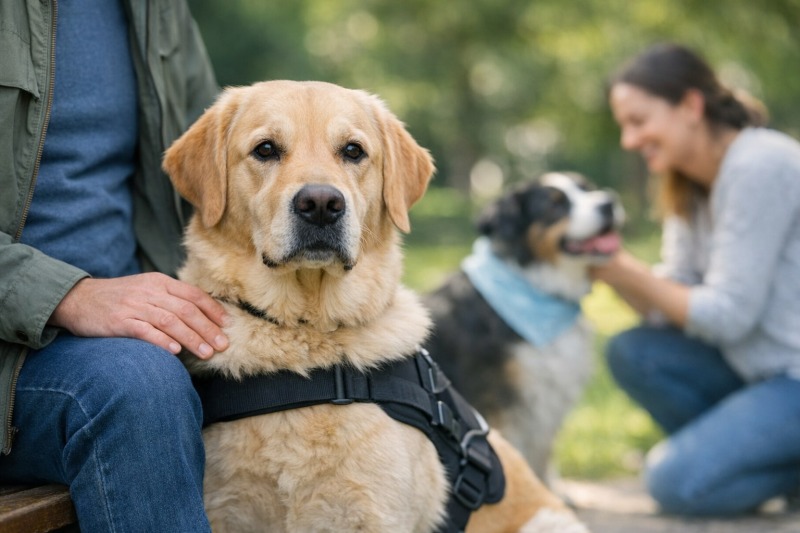
This is where confusion often sets in, and it is worth clearing up plainly. A therapy dog may visit clinics, schools, veterans’ programs, or counseling environments to comfort people with PTSD and other challenges. These dogs are usually handled by volunteers or professionals and are selected for stable temperament, friendliness, and reliability in public settings.
A PTSD service dog is different. That dog is trained to assist one person with disability-related tasks. Depending on the individual’s needs, those tasks may include interrupting panic behaviors, waking the handler from nightmares, creating space in crowds, reminding them to take medication, or guiding them out of overwhelming environments. Because service dogs are task-trained for a person with a disability, they may have legal public access protections that therapy dogs do not.
For some people, a therapy dog involved in treatment settings is exactly the right fit. For others, especially those with severe and persistent symptoms affecting daily function, a service dog may be more appropriate. And for many families, a well-matched companion dog with the right temperament can still provide life-changing support at home, even without formal therapy or service status.
What Makes a Good Therapy Dog for PTSD Support
If you are considering a dog for PTSD-related support, temperament should come before looks every single time. A flashy coat or impressive pedigree means very little if the dog is nervous, reactive, or unpredictable under stress. The best therapy dogs are emotionally stable, people-oriented, patient, and comfortable with a wide range of sounds, movements, and environments.
The right dog is one that can settle as well as engage. You do not want a dog that is constantly bouncing off the walls when the person needs calm. You also do not want a dog so detached that it ignores emotional shifts altogether. The sweet spot is a dog that notices, responds gently, and recovers quickly from surprises.
Breed can play a role, but it is never the whole story. Labrador Retrievers, Golden Retrievers, Standard Poodles, and certain well-bred mixed breeds often make strong candidates because they tend to be biddable, people-focused, and trainable. Still, individual temperament matters more than breed labels. The dog in front of you is what counts.
Training, Socialization, and Handler Fit
A therapy dog needs good manners, but more than that, it needs confidence without pushiness. Early socialization, reward-based training, and careful exposure to everyday life all help shape a dog that can remain composed around wheelchairs, loud voices, dropped objects, sudden movement, and unfamiliar settings. PTSD support work requires a dog that can absorb human emotion without becoming anxious itself.
The handler fit matters just as much. Even a fine dog can be the wrong match for a person’s lifestyle, energy level, or symptom pattern. Someone who needs deep calm in a small home may not do well with a high-drive dog that requires heavy daily exercise. Someone who struggles with routine may need outside help to keep the dog’s care consistent. A good match is not built on wishful thinking. It is built on honesty.
Can a Companion Dog Help With PTSD?
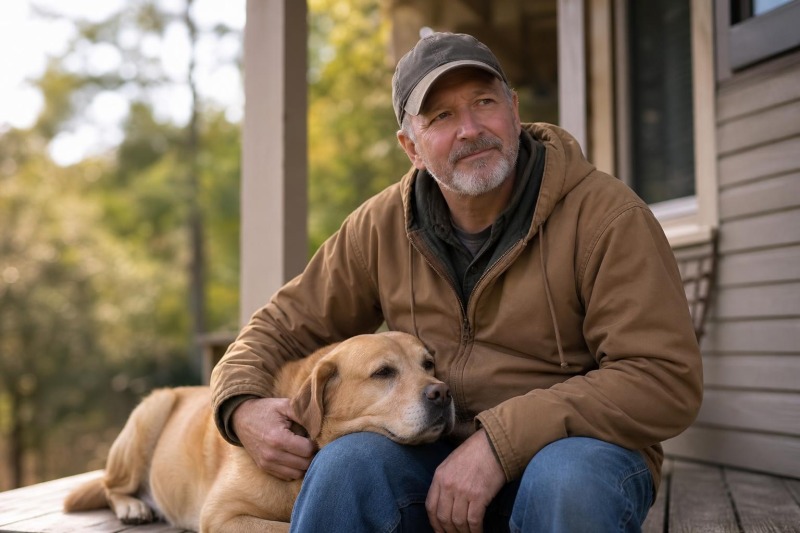
Absolutely. While therapy dogs and service dogs fill specific roles, a companion dog can still offer powerful support for someone living with PTSD. A dependable dog at home can improve sleep habits, reduce loneliness, increase daily movement, and create a sense of safety and purpose. For many people, the bond itself is the healing element. It is not formal, and it is not clinical, but it is real.
The dog gave them a reason to get out of bed, to step outside at dawn, to laugh again at something simple and alive. Trauma can make a person feel cut loose from the world. A dog, especially the right one, ties them back to it one ordinary moment at a time.
Choosing the Right Path for PTSD Dog Support
If you are exploring therapy dogs for PTSD support, begin with your actual needs rather than the trendiest label. Ask whether the dog will provide comfort in treatment or community settings, task-based assistance for one individual, or steady emotional companionship at home. Talk with a qualified mental health professional if PTSD symptoms are significantly affecting daily life. If you are considering a service dog, work with reputable organizations or trainers who understand disability-specific task work and ethical placement standards.
Take your time with breeders, rescues, trainers, and evaluations. Meet dogs in person when possible. Watch how they recover from surprise, how they handle touch, and whether they seek connection in a calm, balanced way. A dog meant to support someone through trauma should not add chaos to the home. The best candidates bring steadiness first.
PTSD support is not about finding a perfect dog out of a storybook. It is about finding a sound, trustworthy animal whose presence helps make life more manageable and less lonely. That may be a certified therapy dog, a task-trained service dog, or a well-chosen companion dog with the right heart for the job. However the path unfolds, one truth stays the same: a good dog cannot carry your whole burden, but it can walk beside you while you carry it, and sometimes that is enough to change everything.