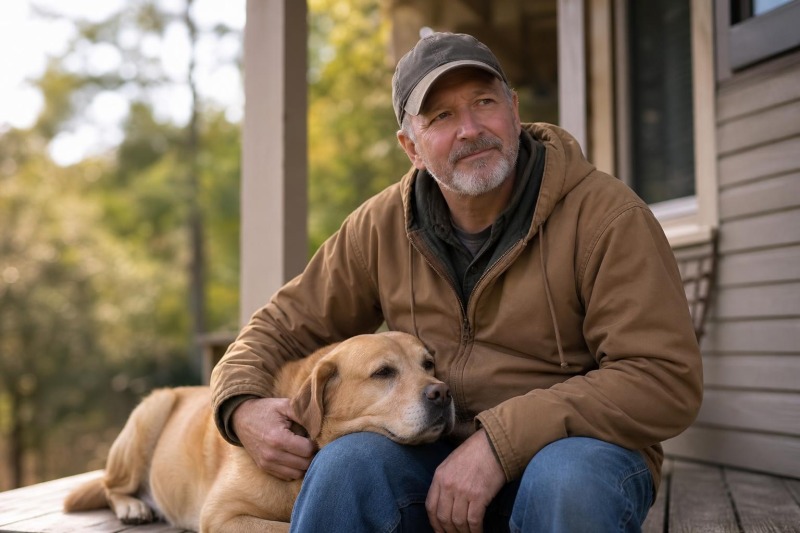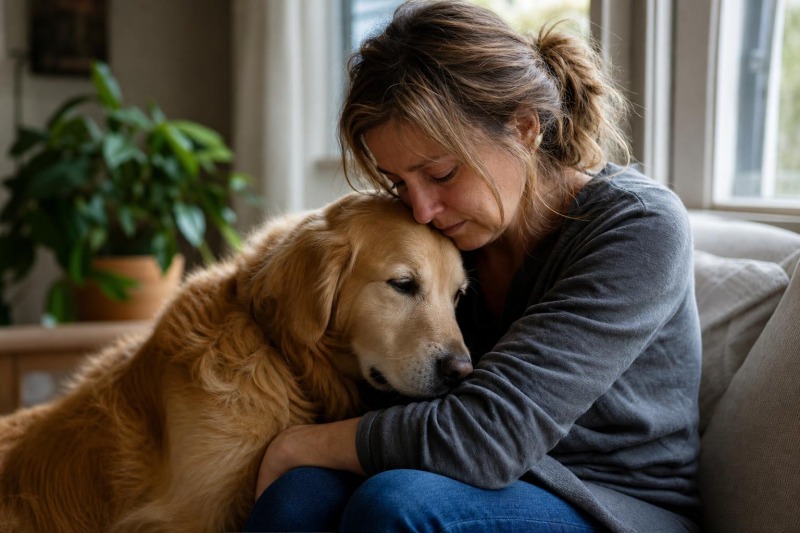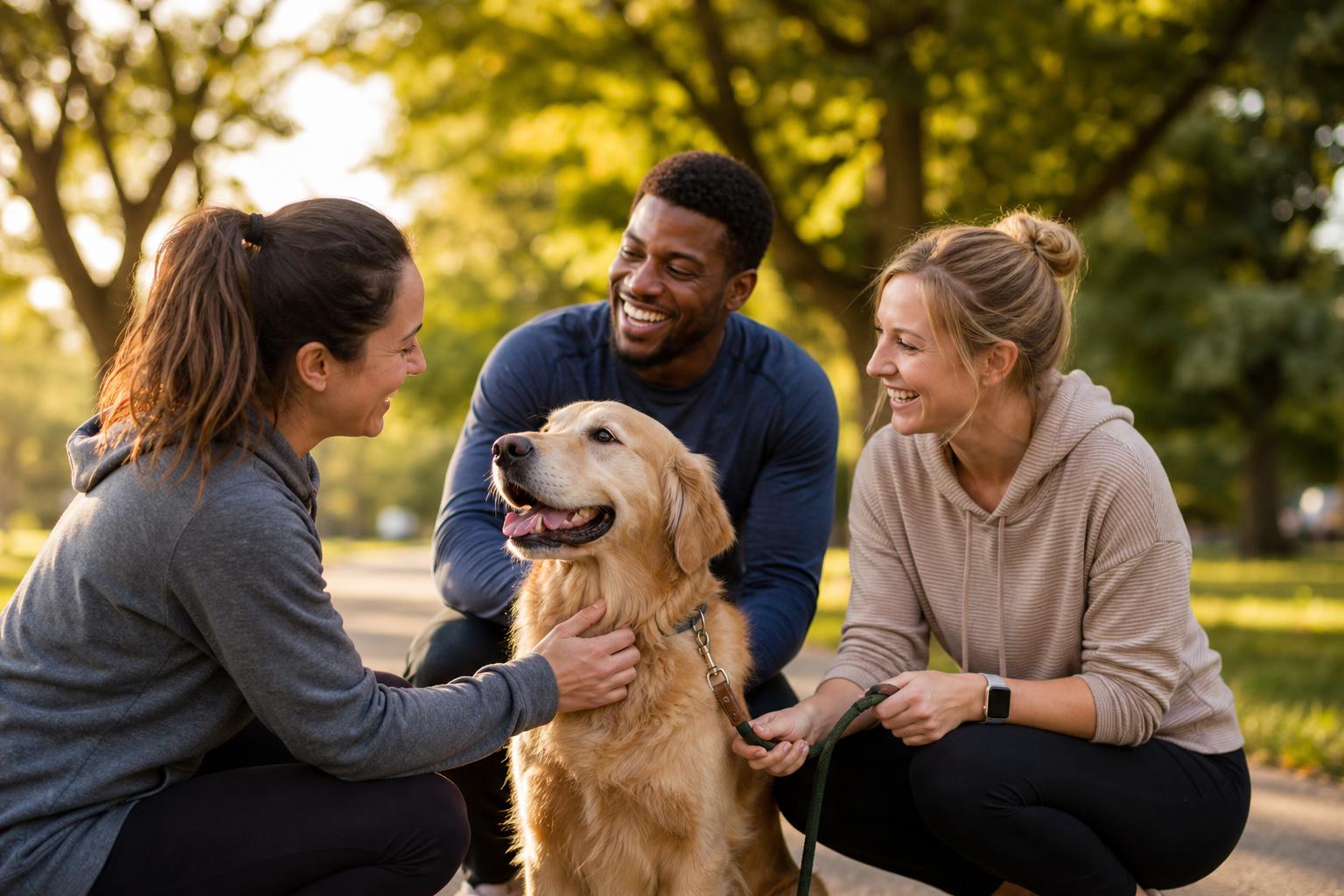
A dog can provide a shared topic during a walk or an organized visit. Social contact still depends on the people involved, appropriate boundaries, and a dog that is comfortable in the situation.
That matters more now than ever. Folks are lonely in crowded towns, uneasy in public places, and worn thin by screens that promise connection but often deliver the opposite. A dog cuts through that noise. Whether we are talking about a companion dog in the home, a therapy dog visiting hospitals and schools, or a service dog helping someone move through the world with more confidence, these animals improve social interaction in practical, everyday ways.
At Companion Dog Central, this is not just a warm and fuzzy idea. It is something owners, handlers, families, and communities see day after day. Dogs help people start conversations, build trust, lower social stress, and feel like they belong. For many, that is the difference between staying isolated and stepping back into life.
The Natural Social Bridge Dogs Create
A dog has a special knack for making strangers feel less strange. Put two people on a sidewalk with nothing in common, and they may pass each other with a nod at most. Add a friendly dog to the scene, and suddenly there is an easy opening. One person asks the breed, the age, or the name. The other smiles and answers. What began as a simple question turns into a conversation that might never have happened otherwise.
That is one of the biggest reasons dogs improve social interaction. They act as social bridges. They remove pressure. Instead of having to think of the perfect thing to say, people have a natural subject right there in front of them. Dogs give people permission to engage. That matters for shy folks, older adults, veterans, children, and anyone carrying a little hesitation in public.
There is also something honest about a dog that people trust. A dog does not care about status, polished small talk, or putting on airs. When folks see someone caring well for a dog, they often assume good things about that person. It is not always fair, but it is often true enough to be useful. Dogs help create an atmosphere of approachability, and that can lead to stronger community ties over time.
Why Dogs Make Conversation Easier
Plenty of people struggle with social anxiety or just plain awkwardness. Dogs offer common ground. They spark stories. They give a person something to focus on besides their own nerves.
In practical terms, a dog reduces the weight of direct eye contact and social pressure. A person can pet the dog, watch the dog, ask about training, or laugh at some little habit the dog has. That shared focus relaxes the conversation. It becomes easier to speak naturally because the dog carries part of the interaction.
For children, this can be especially powerful. A child who struggles to talk with adults may speak freely to a dog first. Then the adult joins that exchange. In that small triangle of trust, language and confidence can begin to grow. Therapy dogs are often especially effective here because they are trained to remain calm and steady in emotionally charged environments.
Companion Dogs and Everyday Connection
Companion dogs are often the unsung heroes of social life. They may not wear a vest or work formal visits, but they are often the reason their owners step outside, visit parks, meet neighbors, and maintain routines. A person living alone might otherwise keep to themselves for days at a stretch. A dog interrupts that isolation. The dog needs exercise, fresh air, and attention, and in meeting those needs, the owner often meets people too.
Over weeks and months, those little chats build familiarity. Familiarity builds trust. Before long, folks know names, wave from the driveway, and check in on one another. It all starts with a leash in hand and a dog sniffing the edge of the grass.
Companion dogs also help inside the home. They can make social gatherings feel warmer and less stiff. A dog moving calmly among guests gives people something shared to enjoy. That can be a blessing for families caring for aging parents, for adults navigating grief, or for someone trying to rebuild social confidence after a difficult season. A steady companion dog often helps people feel grounded enough to welcome others in.
Therapy Dogs and Their Role in Human Connection
Therapy dogs serve a different purpose, but the social benefit is just as real. These dogs are brought into hospitals, schools, nursing homes, rehabilitation centers, and other settings where comfort and connection are needed. A well-trained therapy dog can soften an environment that feels tense or clinical. People who have withdrawn into themselves often respond to a dog before they respond to another person.
That is not magic. It is trust. A therapy dog does not judge. The dog does not rush someone to speak, explain, or perform. It simply shows up with calm presence, and that can be enough to lower defenses. Once that wall comes down, social interaction becomes possible again.
In schools, therapy dogs can help children engage with teachers, counselors, and classmates. In hospitals, they can encourage conversation among patients and family members who may feel exhausted or scared. In elder care settings, a therapy dog can bring back memories, stories, laughter, and eye contact. A good therapy dog can stir up memory and feeling in a way that reaches beyond ordinary social cues.
Emotional Safety Leads to Better Interaction
People tend to socialize better when they feel safe, and dogs often help create that sense of safety. Therapy dogs are masters of this. Their calm body language, predictable behavior, and gentle affection can settle a room. Once fear and stress are lowered, people are more likely to communicate clearly, listen well, and connect with those around them.
This emotional safety matters for trauma survivors, people facing illness, and children working through developmental or emotional challenges. In many cases, the dog becomes the first step toward human connection. That first step may be small, but it can lead somewhere meaningful.
How Service Dogs Support Social Confidence
Service dogs are working partners trained to perform tasks that help people with disabilities live more independently. Their role is serious, but they also affect social interaction in powerful ways. For many handlers, a service dog makes public life more manageable. That increased stability can make social participation possible where it once felt overwhelming or unsafe.
A person with mobility challenges, PTSD, autism, or another condition may feel more confident entering stores, attending events, or navigating crowded places with a trained service dog at their side. The dog provides assistance, but it also offers emotional grounding. When a person feels supported, they are more likely to engage with the world instead of retreating from it.
There is a balance here, of course. Not every service dog handler wants conversation, and the public should always respect boundaries. Still, service dogs often help normalize presence in public spaces. They can reduce isolation by allowing handlers to participate more fully in daily life, work, travel, and community activities. In that sense, service dogs improve social interaction not by demanding attention, but by making access and confidence possible.
Dogs Help Build Community One Encounter at a Time
Some of the strongest social benefits of dogs are not dramatic at all. They are built from small repeated encounters. A conversation at the park. A greeting on the trail. A shared laugh outside the vet clinic. Those moments may seem minor, but they form the threads of community.
Dogs invite those increments. They make us pause. They slow us down enough to notice one another. In a world that moves too fast and keeps too many people fenced off in their own heads, that slowing down is worth something.
For families researching a companion dog, therapy dog, or service dog, this social value should not be overlooked. The right dog can offer affection and support, yes, but also a pathway back to people. That may mean helping a child make friends, helping an older adult feel less alone, helping a veteran reconnect with the community, or simply helping a household feel more open and welcoming.
Choosing the Right Dog for Social Support
Not every dog fits every purpose, and that is a truth learned best through experience. A high-strung dog can make a nervous person more uneasy. A poorly matched temperament can frustrate social goals rather than support them. That is why choosing the right companion dog, therapy prospect, or service dog matters so much.
Temperament, trainability, energy level, and the lifestyle of the owner all need to line up. The best social dogs tend to be steady, approachable, responsive, and comfortable in a range of environments. Training also plays a major role. Even the friendliest dog needs structure to behave well around strangers, children, and busy public settings.
When the match is right, though, the effect can be profound. A dog becomes more than a pet. The dog becomes a quiet partner in helping life feel larger, friendlier, and more connected.
Dogs improve social interaction because they meet people where they are. They do not ask for polished words or easy confidence. They offer presence, routine, warmth, and a reason to reach out. Sometimes they help us speak. Sometimes they help us listen. Sometimes they just stand between two strangers long enough for a real human moment to take shape.
That is true for companion dogs in everyday homes, therapy dogs in places of healing, and service dogs working hard beside their handlers. Each one, in its own way, helps people connect more naturally and live less alone.