
What Is a Companion Dog?
A Clear Guide for Families, Seniors, and First-Time Owners
Jeff Davis | https://companiondogcentral.com
 0
0 0
0 0
0 0
0 0
0
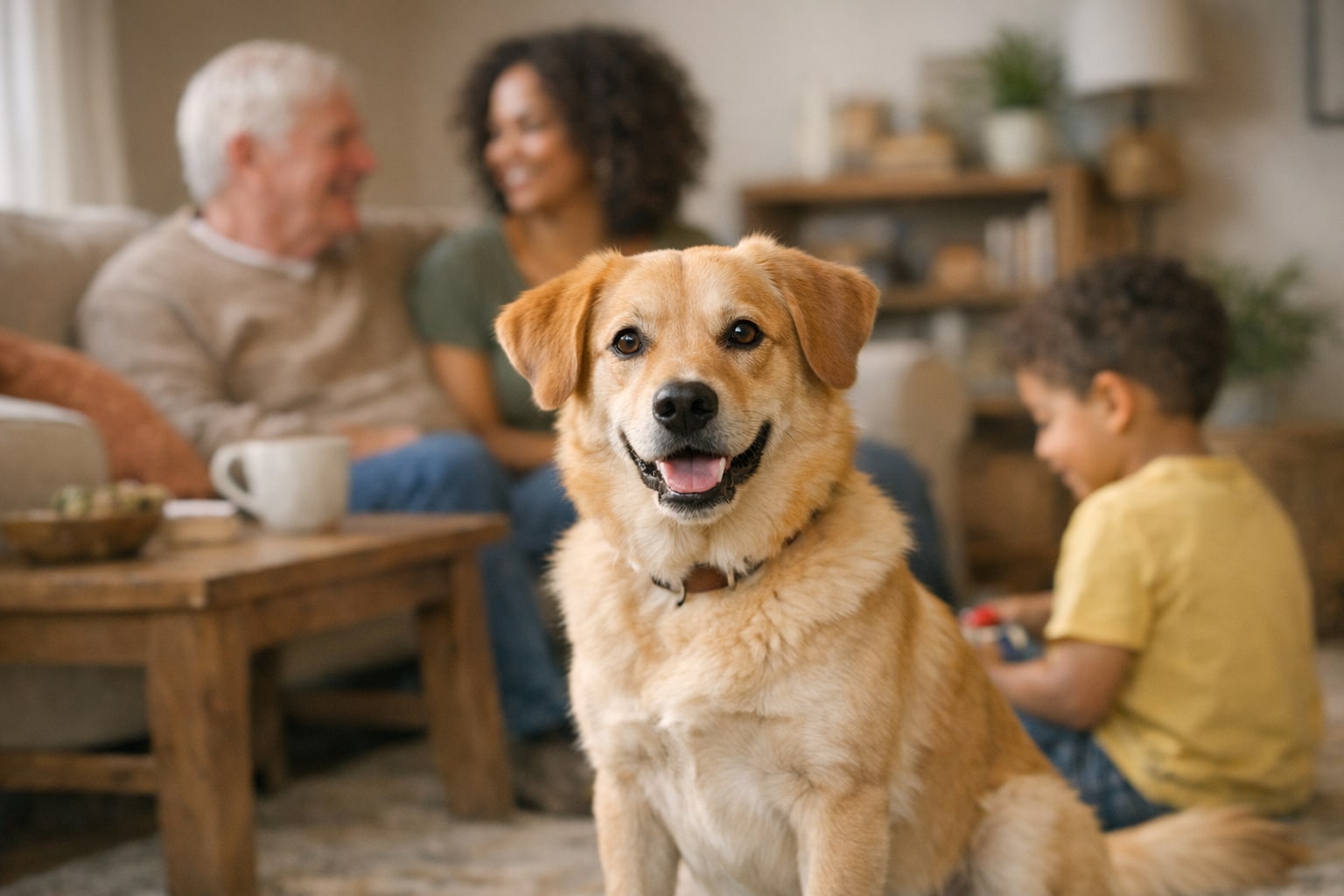
If you spend enough years around dogs, you learn there is a world of difference between a dog bred to pull, guard, point, flush, track, or protect and one bred first and foremost to stay close to people. A companion dog is exactly what the name suggests: a dog whose main role is to provide company, affection, and emotional closeness in daily life. That does not make the job small. In many homes, it is one of the most important jobs a dog can hold.
I have spent plenty of mornings in cold fields and long evenings by the truck tailgate with working dogs, and I can tell you this plain as daylight: not every dog needs a task in the marsh or a title on paper to be valuable. Some dogs earn their keep by being there when the house is too quiet, when a child needs confidence, when an older adult needs routine, or when a family simply wants the steady comfort only a good dog can bring. That is the heart of a companion dog.
At its core, a companion dog is kept primarily for friendship rather than specialized labor. These dogs live closely with their people, often thrive on human interaction, and usually fit well into home life. They may be small enough to curl up on a lap or large enough to lean against your leg like a warm fence post, but the purpose is the same. Their job is presence.
What a Companion Dog Does in Everyday Life
A companion dog brings structure, warmth, and connection to ordinary days. That may sound simple, but anyone who has lived with a truly people-oriented dog knows how much that matters. A companion dog can encourage a morning walk, nudge someone out of loneliness, greet children after school, and settle the house with a calm, familiar rhythm. They often become the animal people talk to without thinking, the quiet witness to good days and hard ones alike.
Unlike a highly specialized working dog, a companion dog is not expected to perform trained medical tasks or provide clinical support to strangers in facilities. Instead, the dog’s value comes from bonding closely with its household. Good companion dogs tend to be sociable, adaptable, affectionate, and comfortable with normal domestic life. They usually enjoy closeness and often prefer being near their people rather than operating independently.
That said, a companion dog is not just a decorative pet. The best ones still need guidance, daily care, and a sense of place in the home. A dog that follows you from room to room, rests at your feet, and watches the front window for your return is fulfilling a role that has real emotional weight.
Companion Dog vs. Therapy Dog vs. Service Dog
This is where folks often get turned around, and it is worth clearing up. A companion dog is not the same thing as a therapy dog or a service dog, even though all three may be loving, well-mannered, and deeply helpful to people.
Companion Dogs
A companion dog is there primarily for its owner or household. The dog provides friendship, comfort, and emotional support through daily presence. While basic obedience is important, companion dogs are not legally defined by specialized public-access training or disability-related tasks.
Therapy Dogs
A therapy dog is trained and temperament-tested to visit hospitals, schools, nursing homes, or similar settings to bring comfort to many people beyond its handler. These dogs must be calm, social, and reliable in public. Their work is outward-facing, and they often serve as part of organized volunteer programs.
Service Dogs
A service dog is individually trained to perform specific tasks for a person with a disability. That might include guiding someone with visual impairment, alerting to medical conditions, retrieving items, or assisting with mobility. Service dogs have a protected legal role that companion dogs do not share. They are working animals in a very real sense, even if they are loving at home.
In short, all service dogs may provide companionship, but not all companion dogs are service dogs. The same goes for therapy dogs. The categories overlap in spirit, but not in legal status or training requirements.
What Makes a Good Companion Dog?
The answer begins with temperament. A good companion dog is usually steady, people-focused, and able to settle into the rhythm of a home. Some are cheerful little shadows, always underfoot but eager to please. Others are soft-eyed old souls with a calm nature that seems to lower the temperature in a room. Breed matters some, but individual temperament matters more.
A suitable companion dog often shows affection without being frantic, confidence without pushiness, and curiosity without constant chaos. The dog should be able to enjoy attention, tolerate everyday noises, and recover well from normal surprises. It helps when the dog is trainable and willing, though that does not mean the animal must be flashy or exceptionally clever. For companion work, reliability beats showmanship every time.
Energy level is another big piece of the puzzle. A retired couple in a quiet home may need a gentle dog content with neighborhood walks and couch time. A young family may want a companion dog that can handle movement, visitors, and a little commotion. Matching the dog’s natural drive to the household is far more important than chasing a popular breed name.
Are Certain Breeds Better for Companionship?
Some breeds were developed specifically with human companionship in mind, and they often come up in this conversation for good reason. Small companion breeds such as the Cavalier King Charles Spaniel, Bichon Frise, Shih Tzu, Pug, and Maltese have long histories of living close to people. They tend to bond strongly, enjoy indoor life, and adapt well to apartments or smaller homes when their exercise needs are met.
But companionship is not limited to toy breeds. I have known retrievers that would rather lean against a person than chase anything with feathers, and mixed-breed shelter dogs that seemed born knowing how to read a room. A Labrador, Golden Retriever, Poodle, Cocker Spaniel, or well-balanced mixed breed can make an excellent companion dog if the dog’s temperament fits the home.
That is an important point for buyers and adopters alike. The finest companion dog for your life may not come from a glossy list of “best breeds.” It may be the dog whose nature matches your pace, your space, and your needs.
Do Companion Dogs Need Training?
Absolutely. A companion dog may not need advanced task work, but it still needs manners. In truth, the better behaved the dog, the better the companionship. Basic obedience creates freedom. A dog that comes when called, walks reasonably on lead, settles when asked, and greets people without knocking them backward is easier to include in daily life.
Training also builds trust. Dogs are clearer and calmer when they understand what is expected. Even a naturally sweet dog can become difficult if left without boundaries. I have seen it in bird dogs with too much freedom and lap dogs with too little structure. Different size, same trouble. A companion dog still benefits from consistency, socialization, patience, and routine.
House training, polite leash behavior, quiet time, and comfort around visitors all matter. If the dog will be around children, seniors, or busy households, calm behavior is not a luxury. It is part of the dog’s role.
Who Benefits Most From a Companion Dog?
The easy answer is nearly anyone who wants a close, daily bond with a dog. Families often value companion dogs because they can anchor a home with affection and routine. Seniors may find that a dog gives shape to the day and eases isolation. People living alone often appreciate the quiet company that turns an empty house into a lived-in one. First-time dog owners may also do well with the right companion breed or mix, provided they choose carefully and commit to training.
There is also a place for companion dogs among people exploring the differences between emotional support, therapy, and service roles. A companion dog can still provide real comfort without being expected to work in public settings or perform disability-related tasks. Sometimes what a person needs most is not a highly specialized dog, but a stable and loving one.
Things to Consider Before Getting a Companion Dog
Before bringing one home, be honest about your lifestyle. A companion dog still needs veterinary care, food, grooming, exercise, time, and patience. Some become distressed if left alone too long. Others need regular brushing, ongoing training, or careful socialization. If you want a dog mainly for comfort, make sure you are prepared to provide comfort in return.
Think about noise level, shedding, size, and energy. Consider whether you want a puppy, an adult dog, or a senior rescue. Puppies are charming, but they are a full season of work and then some. Adult dogs often come with more predictable personalities. Senior dogs can be wonderful companions for quieter homes, bringing a settled nature that younger dogs have not yet grown into.
It also helps to ask what kind of bond you want. Do you want a hiking partner that also loves the couch, or a true homebody content to be near you all day? There is no shame in either answer. Good dog ownership starts with honest matching.
The Real Value of a Companion Dog
When people ask what a companion dog is, they are often asking something deeper than definition. They are asking whether a dog can truly change the feel of a home or the quality of a life. From where I stand, the answer is yes. Not with magic and not without responsibility, but yes all the same.
A good companion dog does not need a crowd to admire it or a field trial ribbon to prove its worth. It proves itself in quieter ways. In the soft thump of a tail against the floor when you come through the door. In the habit of sitting nearby while you drink your coffee before sunrise. In the way a dog learns your moods without a word spoken and answers them by simply staying close.
That kind of presence has carried people through grief, loneliness, recovery, aging, and the ordinary wear of everyday life. For many owners, a companion dog is not just a pet category. It is a partner in the plain, honest business of living.
If you are considering one, take your time. Learn the differences between companion dogs, therapy dogs, and service dogs. Choose for temperament over trend. Train with consistency. Care for the dog as seriously as you expect it to care for you. Do that, and you stand a good chance of finding what generations of dog people already know: sometimes the best dog for the job is the one whose job is simply to be by your side.
I have spent plenty of mornings in cold fields and long evenings by the truck tailgate with working dogs, and I can tell you this plain as daylight: not every dog needs a task in the marsh or a title on paper to be valuable. Some dogs earn their keep by being there when the house is too quiet, when a child needs confidence, when an older adult needs routine, or when a family simply wants the steady comfort only a good dog can bring. That is the heart of a companion dog.
At its core, a companion dog is kept primarily for friendship rather than specialized labor. These dogs live closely with their people, often thrive on human interaction, and usually fit well into home life. They may be small enough to curl up on a lap or large enough to lean against your leg like a warm fence post, but the purpose is the same. Their job is presence.
What a Companion Dog Does in Everyday Life
A companion dog brings structure, warmth, and connection to ordinary days. That may sound simple, but anyone who has lived with a truly people-oriented dog knows how much that matters. A companion dog can encourage a morning walk, nudge someone out of loneliness, greet children after school, and settle the house with a calm, familiar rhythm. They often become the animal people talk to without thinking, the quiet witness to good days and hard ones alike.
Unlike a highly specialized working dog, a companion dog is not expected to perform trained medical tasks or provide clinical support to strangers in facilities. Instead, the dog’s value comes from bonding closely with its household. Good companion dogs tend to be sociable, adaptable, affectionate, and comfortable with normal domestic life. They usually enjoy closeness and often prefer being near their people rather than operating independently.
That said, a companion dog is not just a decorative pet. The best ones still need guidance, daily care, and a sense of place in the home. A dog that follows you from room to room, rests at your feet, and watches the front window for your return is fulfilling a role that has real emotional weight.
Companion Dog vs. Therapy Dog vs. Service Dog
This is where folks often get turned around, and it is worth clearing up. A companion dog is not the same thing as a therapy dog or a service dog, even though all three may be loving, well-mannered, and deeply helpful to people.
Companion Dogs
A companion dog is there primarily for its owner or household. The dog provides friendship, comfort, and emotional support through daily presence. While basic obedience is important, companion dogs are not legally defined by specialized public-access training or disability-related tasks.
Therapy Dogs
A therapy dog is trained and temperament-tested to visit hospitals, schools, nursing homes, or similar settings to bring comfort to many people beyond its handler. These dogs must be calm, social, and reliable in public. Their work is outward-facing, and they often serve as part of organized volunteer programs.
Service Dogs
A service dog is individually trained to perform specific tasks for a person with a disability. That might include guiding someone with visual impairment, alerting to medical conditions, retrieving items, or assisting with mobility. Service dogs have a protected legal role that companion dogs do not share. They are working animals in a very real sense, even if they are loving at home.
In short, all service dogs may provide companionship, but not all companion dogs are service dogs. The same goes for therapy dogs. The categories overlap in spirit, but not in legal status or training requirements.
What Makes a Good Companion Dog?
The answer begins with temperament. A good companion dog is usually steady, people-focused, and able to settle into the rhythm of a home. Some are cheerful little shadows, always underfoot but eager to please. Others are soft-eyed old souls with a calm nature that seems to lower the temperature in a room. Breed matters some, but individual temperament matters more.
A suitable companion dog often shows affection without being frantic, confidence without pushiness, and curiosity without constant chaos. The dog should be able to enjoy attention, tolerate everyday noises, and recover well from normal surprises. It helps when the dog is trainable and willing, though that does not mean the animal must be flashy or exceptionally clever. For companion work, reliability beats showmanship every time.
Energy level is another big piece of the puzzle. A retired couple in a quiet home may need a gentle dog content with neighborhood walks and couch time. A young family may want a companion dog that can handle movement, visitors, and a little commotion. Matching the dog’s natural drive to the household is far more important than chasing a popular breed name.
Are Certain Breeds Better for Companionship?
Some breeds were developed specifically with human companionship in mind, and they often come up in this conversation for good reason. Small companion breeds such as the Cavalier King Charles Spaniel, Bichon Frise, Shih Tzu, Pug, and Maltese have long histories of living close to people. They tend to bond strongly, enjoy indoor life, and adapt well to apartments or smaller homes when their exercise needs are met.
But companionship is not limited to toy breeds. I have known retrievers that would rather lean against a person than chase anything with feathers, and mixed-breed shelter dogs that seemed born knowing how to read a room. A Labrador, Golden Retriever, Poodle, Cocker Spaniel, or well-balanced mixed breed can make an excellent companion dog if the dog’s temperament fits the home.
That is an important point for buyers and adopters alike. The finest companion dog for your life may not come from a glossy list of “best breeds.” It may be the dog whose nature matches your pace, your space, and your needs.
Do Companion Dogs Need Training?
Absolutely. A companion dog may not need advanced task work, but it still needs manners. In truth, the better behaved the dog, the better the companionship. Basic obedience creates freedom. A dog that comes when called, walks reasonably on lead, settles when asked, and greets people without knocking them backward is easier to include in daily life.
Training also builds trust. Dogs are clearer and calmer when they understand what is expected. Even a naturally sweet dog can become difficult if left without boundaries. I have seen it in bird dogs with too much freedom and lap dogs with too little structure. Different size, same trouble. A companion dog still benefits from consistency, socialization, patience, and routine.
House training, polite leash behavior, quiet time, and comfort around visitors all matter. If the dog will be around children, seniors, or busy households, calm behavior is not a luxury. It is part of the dog’s role.
Who Benefits Most From a Companion Dog?
The easy answer is nearly anyone who wants a close, daily bond with a dog. Families often value companion dogs because they can anchor a home with affection and routine. Seniors may find that a dog gives shape to the day and eases isolation. People living alone often appreciate the quiet company that turns an empty house into a lived-in one. First-time dog owners may also do well with the right companion breed or mix, provided they choose carefully and commit to training.
There is also a place for companion dogs among people exploring the differences between emotional support, therapy, and service roles. A companion dog can still provide real comfort without being expected to work in public settings or perform disability-related tasks. Sometimes what a person needs most is not a highly specialized dog, but a stable and loving one.
Things to Consider Before Getting a Companion Dog
Before bringing one home, be honest about your lifestyle. A companion dog still needs veterinary care, food, grooming, exercise, time, and patience. Some become distressed if left alone too long. Others need regular brushing, ongoing training, or careful socialization. If you want a dog mainly for comfort, make sure you are prepared to provide comfort in return.
Think about noise level, shedding, size, and energy. Consider whether you want a puppy, an adult dog, or a senior rescue. Puppies are charming, but they are a full season of work and then some. Adult dogs often come with more predictable personalities. Senior dogs can be wonderful companions for quieter homes, bringing a settled nature that younger dogs have not yet grown into.
It also helps to ask what kind of bond you want. Do you want a hiking partner that also loves the couch, or a true homebody content to be near you all day? There is no shame in either answer. Good dog ownership starts with honest matching.
The Real Value of a Companion Dog
When people ask what a companion dog is, they are often asking something deeper than definition. They are asking whether a dog can truly change the feel of a home or the quality of a life. From where I stand, the answer is yes. Not with magic and not without responsibility, but yes all the same.
A good companion dog does not need a crowd to admire it or a field trial ribbon to prove its worth. It proves itself in quieter ways. In the soft thump of a tail against the floor when you come through the door. In the habit of sitting nearby while you drink your coffee before sunrise. In the way a dog learns your moods without a word spoken and answers them by simply staying close.
That kind of presence has carried people through grief, loneliness, recovery, aging, and the ordinary wear of everyday life. For many owners, a companion dog is not just a pet category. It is a partner in the plain, honest business of living.
If you are considering one, take your time. Learn the differences between companion dogs, therapy dogs, and service dogs. Choose for temperament over trend. Train with consistency. Care for the dog as seriously as you expect it to care for you. Do that, and you stand a good chance of finding what generations of dog people already know: sometimes the best dog for the job is the one whose job is simply to be by your side.



View all 0 comments