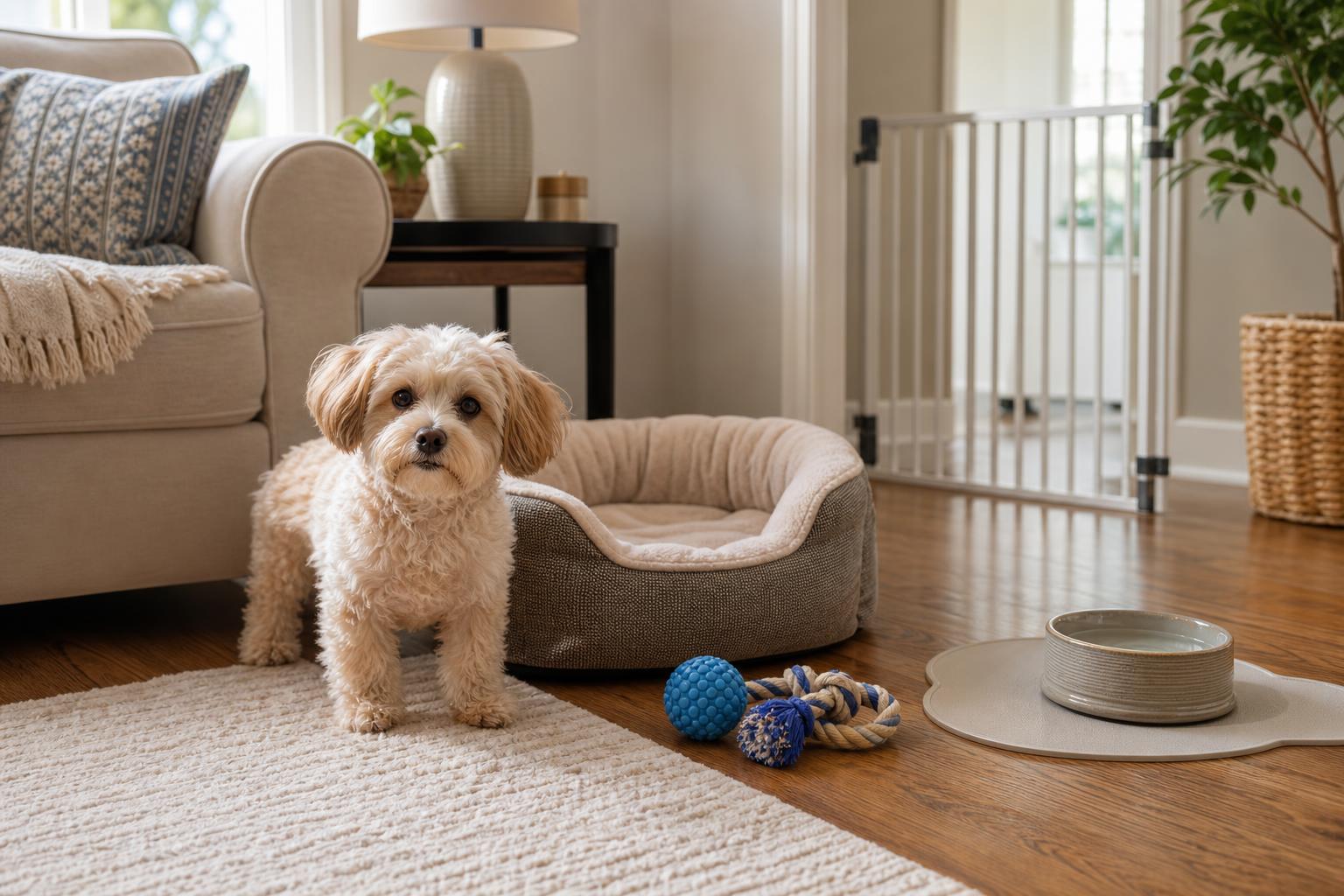
Preparing for a small dog means checking the home from its height: gaps, accessible objects, slippery routes, and places it could become trapped. Set up a comfortable rest area before arrival.
You do not wait until the moment arrives to decide what gear you need or where the hazards are. You scout, you plan, and you make sure the ground is right before you step into it. A small dog needs that same kind of preparation. The world is big to them, and your home can either feel like safe cover or open danger.
Start With Safety at Ground Level
The first thing to remember is that a small dog lives close to the floor. That means dangers you barely notice can sit right at eye level for them. Loose electrical cords, dropped pills, rubber bands, houseplants, and children’s toys all become serious concerns. Get down low and look at your home from a dog’s perspective. It is a simple exercise, but it shows you things you miss while standing upright.
Secure cords behind furniture or with cord covers. Pick up anything small enough to swallow. Check under couches, beds, and tables where dust, hair ties, and forgotten clutter gather. If you use cleaning products, store them in cabinets that close firmly. Some dogs are curious by nature, and a clever little companion can nose its way into trouble in a hurry. If the dog you are welcoming may become a therapy or service dog, that early protection matters even more. A dog that feels safe is better able to focus, learn, and bond.
Stairs deserve special attention. Many small breeds can manage stairs once they are steady and comfortable, but not all of them should be given free access right away. A young puppy, a senior dog, or a small dog with a long back can be injured by jumping or falling. Baby gates can save you a heap of worry. The same goes for furniture. It may seem harmless for a little dog to hop on and off the couch, but repeated impact can strain joints over time. Ramps or pet steps are worth considering, especially for breeds prone to back trouble.
Create a Safe Zone From Day One
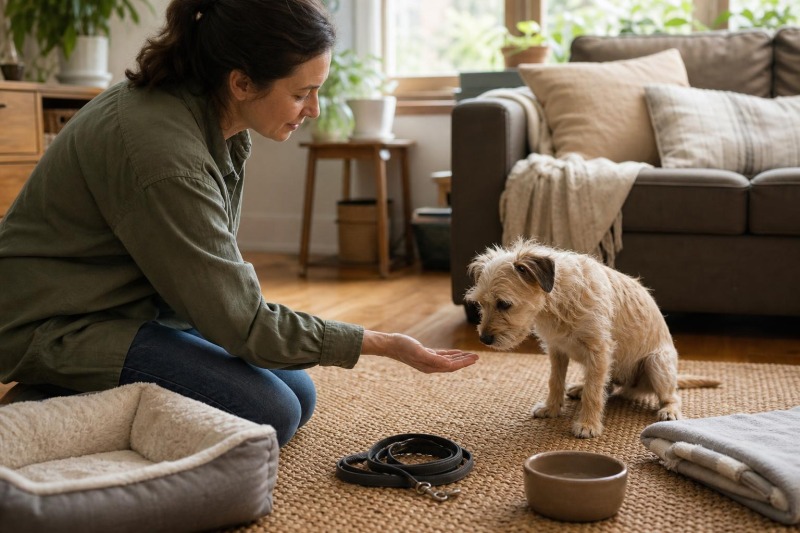
Every small dog needs a place that belongs to them. It might be a crate, a playpen, or a quiet corner with a bed tucked away from heavy traffic. Put that safe zone somewhere calm but not banished, like a corner of the living room or a quiet side of the kitchen where they can still hear your movements and settle into the rhythm of the house.
This space matters because the first few days can feel like a storm to a new dog. New smells, new voices, new rules, and a new schedule all come at once. A safe zone gives them a place to exhale. For companion dogs, that helps prevent clinginess and anxiety. For therapy and service dogs, it builds the skill of settling calmly in different environments. That calmness is not accidental. It starts at home.
Set Up the Essentials Before the Dog Arrives
There is no sense bringing a dog home and then running out to buy what you should have had ready. Set up food and water bowls in a consistent spot. Choose a bed that fits the dog without swallowing them whole. Small dogs often like soft, supportive bedding, especially if they are nervous and looking for comfort. Have a collar or harness, a leash, identification tags, grooming tools, and a few safe chew toys waiting.
Food should be chosen with care. If possible, start with what the dog has already been eating and transition slowly if you plan to change it. Sudden diet changes can upset a small dog fast. Their systems are not always forgiving, and a stomach issue in a little dog can become serious quicker than folks expect. Keep treats simple and use them with purpose. The goal is not just spoiling a dog. It is building communication and trust.
If you are preparing for a service dog or therapy dog candidate, think ahead about routine. Place supplies where they are easy to reach. Keep leashes near the door, treats in a sealed container, and grooming items in one spot. Order and consistency help a dog understand what comes next, and that kind of predictability builds confidence.
Make House Training Easier on Everyone
One of the biggest mistakes people make with small dogs is assuming accidents are just part of the package. They are not. Small dogs can be house trained well, but they need structure. Because their bladders are smaller, they often need more frequent trips outside, especially as puppies. If you wait too long, you are setting them up to fail.
Choose a potty area and stick with it. Take the dog out first thing in the morning, after meals, after naps, after play sessions, and before bed. Praise success warmly and immediately. In the early days, supervision is everything. If you cannot supervise, use the crate or playpen. Freedom should be earned a little at a time, not handed over all at once.
There are situations where indoor potty options make sense, especially for apartment living, severe weather, or dogs with medical needs. Even then, consistency is key. If you decide to use pads or an indoor grass patch, make it a clear system rather than a loose compromise. Dogs learn best when the rules are plain and the routine stays steady.
Watch the Doors, Gaps, and Escape Routes
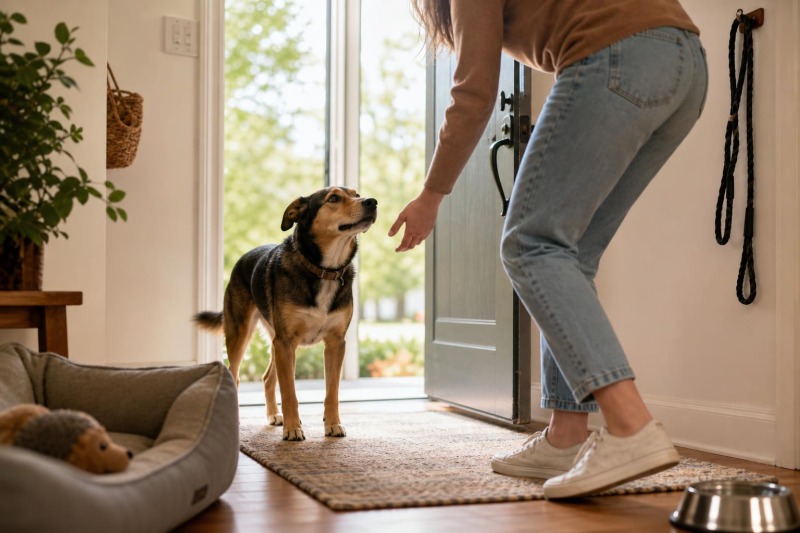
A small dog can slip through spaces that would never hold a larger one. Check fences carefully. Look at gate gaps, deck spaces, and openings around sheds or porches. Inside the home, watch exterior doors like a hawk. Some little dogs are quick and silent, and all it takes is one distracted moment for them to dart out.
Some are driven by curiosity, some by fear, and some by the plain urge to chase movement. A squirrel in the yard, a delivery truck at the curb, or a sudden sound can trigger a bolt. Before your dog comes home, make sure your habits are ready too. Everyone in the household should know to open doors carefully, secure gates, and keep the leash on until the dog is reliable and settled.
Prepare for Noise, Visitors, and Daily Life
Your home is not just walls and furniture. It is sound, motion, and routine. Small dogs can be sensitive to all three. If your house is usually lively, with children running through rooms, televisions humming, and visitors coming and going, ease your new dog into that flow instead of dropping them in the deep end. Let them observe before expecting them to participate.
Vacuum cleaners, washing machines, doorbells, and kitchen noise can all feel bigger to a small dog. Introduce these things gradually when possible. Pair unfamiliar sounds with calm reassurance and rewards. You are not coddling the dog. You are teaching them that the world is manageable. This is especially important for future therapy dogs and service dogs, who must learn to stay composed around a wide range of sights and sounds.
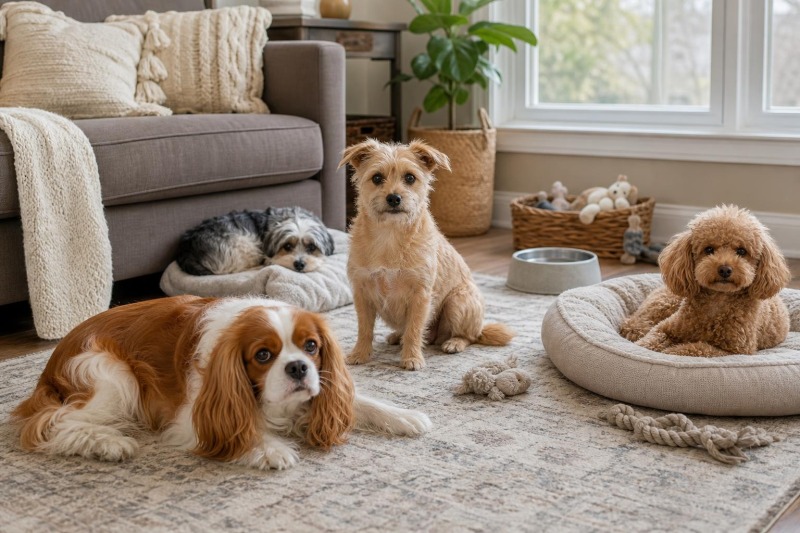
If you have other pets, make introductions slowly and with common sense. Do not force interaction. Let the new dog have a chance to settle before expecting instant friendships. A small dog can be badly shaken by one rough encounter, even if no harm is intended. Controlled meetings, separate rest spaces, and patient supervision go a long way.
Build a Home That Teaches Good Habits
The best home setup does more than prevent trouble. It encourages the habits you want. If you want a dog that settles quietly, reward calm behavior. If you want a dog that does not bark at every passing sound, manage windows and practice focus. If you want a dog that can serve as a steady companion, a therapy dog, or a service dog, your home needs to be a place where listening, patience, and trust are part of everyday life.
If your home feels frantic, your dog will feel it. If your routine is steady and your expectations are fair, most dogs rise to meet it. Keep training sessions short and upbeat. Use mealtimes, walks, and rest periods as anchors in the day. A small dog does not need a mansion. It needs clear guidance, safe boundaries, and the comfort of knowing what comes next.
Toys should be rotated so they stay interesting, and chew items should be size-appropriate. Small jaws need smaller gear. Heavy, oversized toys can frustrate them or even lead to injury. The same goes for collars, harnesses, and beds. Fit matters. A dog that is physically comfortable is more likely to be emotionally settled.
The Goal Is Confidence, Not Just Convenience
Preparing your home for a small dog is not about making life easier only for yourself, though it certainly helps. It is about shaping the kind of dog you want to live with. A dog that feels secure at home is more likely to learn well, travel well, greet people calmly, and adapt to new situations with a steady mind. That applies whether you want a loving lap companion, a gentle therapy dog, or a service dog that can handle daily work with confidence.
But courage grows best in good ground. When you take the time to dog-proof your rooms, establish a routine, and create a quiet place for that little animal to rest, you are doing more than preparing a house. You are setting the first stones in a partnership.
Not fancy gear. Not perfect timing. Just a home made ready with care, a hand that stays steady, and a dog given a fair chance to settle in and belong.