Fostering a small dog involves coordination with the responsible organization as well as daily care. Clarify medical arrangements, supplies, behavior support, and what happens when the placement changes.
Not the first wag at the door, not the picture posted online, but the way the dog settles after supper, the way it reacts to a dropped pan, the way it watches your hands and listens to your footsteps. Small foster dogs will tell you a great deal if you slow down enough to notice. That is where good fostering begins.
Why Small Dogs End Up in Foster Care
Small dogs enter foster care for all kinds of reasons, and many of them have nothing to do with the dog being bad or difficult. Sometimes an owner passes away. Sometimes housing changes and pets are no longer allowed. In other cases, a family underestimated the care a small companion dog needs. A tiny dog may seem easy to manage, but barking, separation anxiety, house-training problems, and fear-based snapping can wear people down fast if they are not prepared.
Rescues also see small dogs surrendered from puppy mills, backyard breeding operations, and overcrowded homes. Those dogs often arrive with patchy social skills and thin trust. They may cling hard to one person or avoid everyone entirely. Some are healthy and simply need structure. Others need medical care, patience, and close observation before anyone can even begin to understand their real temperament.
That matters for readers of Companion Dog Central because many small dogs have the potential to become exceptional companion animals, and in the right case, even show promise for therapy-related work. But none of that can be judged fairly in the first few days. Foster care gives them room to decompress so their true nature can surface.
Preparing Your Home for a Small Foster Dog
A small dog can slip through gaps a larger dog would never notice. That is where danger sits for a little dog. Electrical cords, dropped medication, chewable toys meant for larger pets, and open trash cans all become bigger threats when a dog lives close to the floor and explores with quick feet.
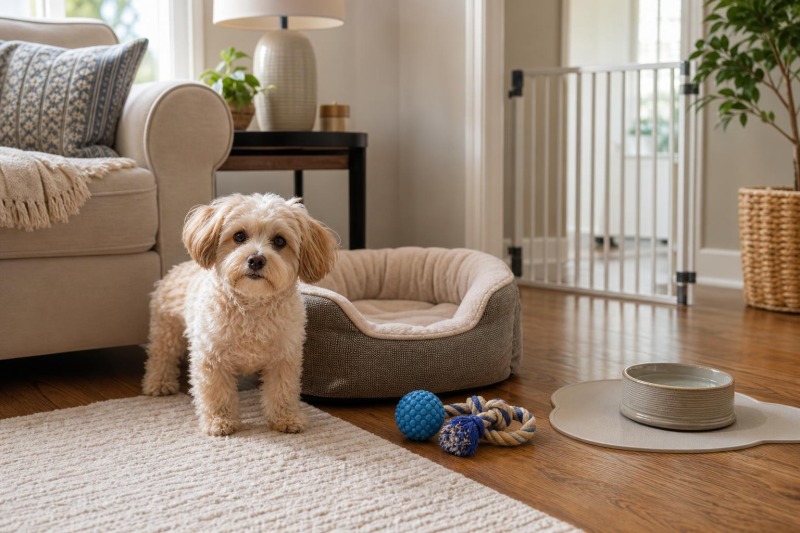
Set up one quiet area where the dog can rest without being bothered. A crate, x-pen, or small gated room works well, especially during the first several days. Tiny foster dogs often get overwhelmed if they are given the whole house too soon. Folks sometimes mistake that overwhelm for stubbornness. In truth, the dog may simply be trying to survive a flood of new sounds, scents, and expectations.
Keep supplies simple and practical. A secure harness, lightweight leash, soft bedding, food approved by the rescue or veterinarian, and a few durable toys are enough to start. For many small dogs, routine matters more than luxury. Feed on schedule, go outside on schedule, and keep greetings calm. The steadier you are, the faster the dog learns your home is not another temporary storm.
The Importance of Safety Over Sympathy
This is where many kind-hearted fosters get tripped up. They feel sorry for the dog and begin loosening rules right away. The little dog sleeps wherever it wants, gets carried every time it hesitates, and avoids any structure because no one wants to add stress.
Small dogs need clear expectations as much as large dogs do. They need safe handling, predictable routines, and gentle limits. If a dog is afraid to walk through a doorway, help it patiently. Do not force it, but do not teach it that panic controls the household either. A foster dog gains confidence by succeeding in manageable steps.
The First Week: Reading the Dog in Front of You
The first week of fostering small dogs is mostly about observation. That information helps rescues place the dog in the right adoptive home later on.
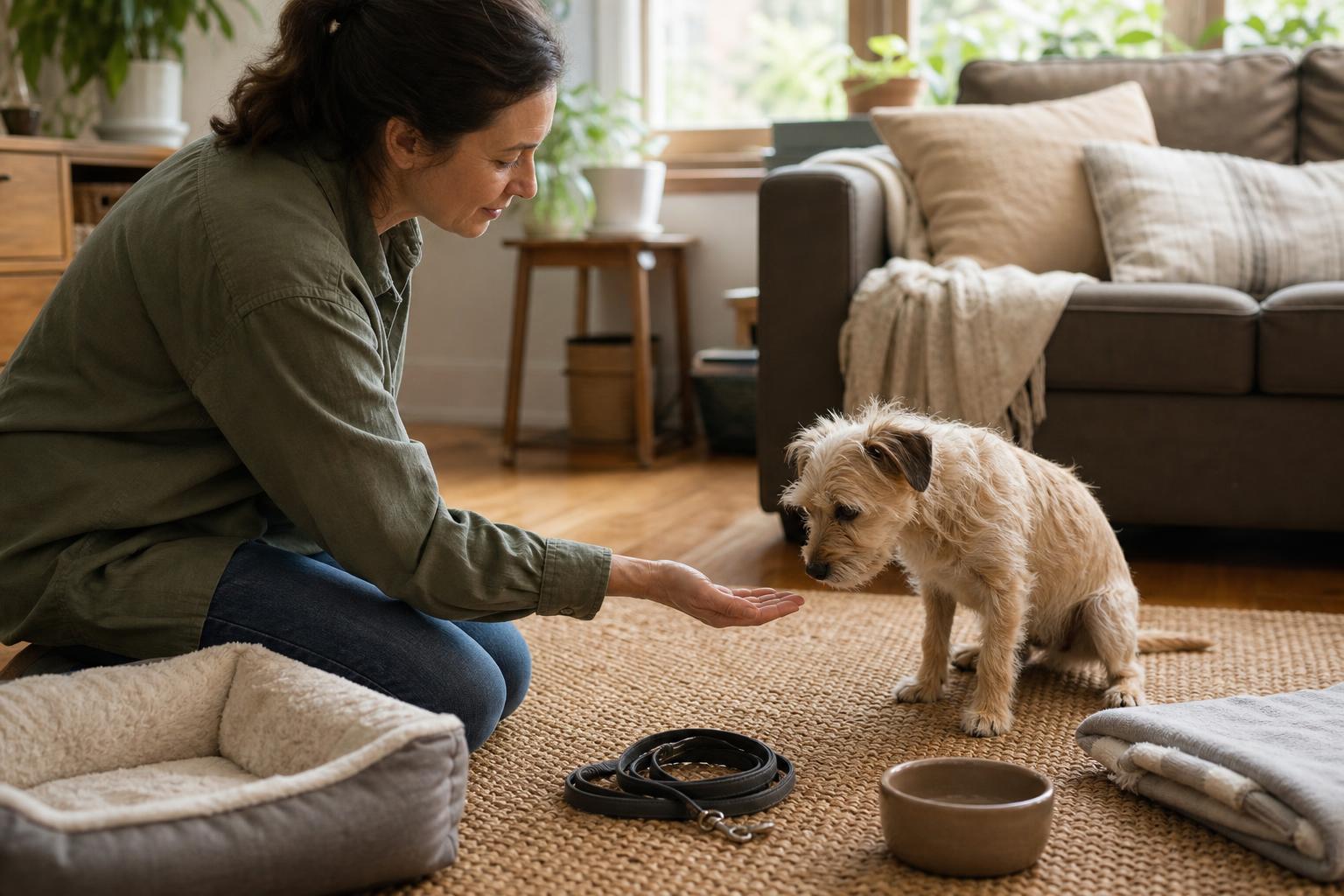
Some little dogs arrive bold as brass, marching through the kitchen like they own the deed. Others creep along the wall and freeze if you look at them too directly. Neither response tells the whole story. A bold dog may be masking insecurity, and a timid dog may blossom into a steady companion once it feels secure.
By the end of the second week, he had claimed a sunny patch near the back door and started following me from room to room like a shadow with hope in it. That is the beauty of foster work. You get to watch a dog remember itself.
House Training and Everyday Manners
One of the biggest challenges in fostering small dogs is house training. Many people excuse accidents because the dog is tiny, but that only makes placement harder later. A future adopter may adore a small companion dog, but constant indoor accidents can sour even a loving home. Start from square one. Take the dog out often, reward success quickly, and supervise closely indoors.
Small dogs also get away with behavior that would never be tolerated in a larger breed. Jumping, demand barking, guarding laps, and snapping during handling are often brushed off because the dog cannot do as much physical damage. That is a mistake. A small dog deserves training and guidance, not indulgence disguised as affection. Good manners increase adoptability, reduce stress, and create a better long-term match.
Keep training short and upbeat. Many little dogs respond beautifully to soft praise, food rewards, and repetition. Focus on the basics first: coming when called, walking calmly on leash, being handled without panic, and settling quietly. These skills matter whether the dog eventually becomes a beloved pet, a reliable companion for an older adult, or a candidate for therapy dog work in the future.
Helping Fearful Small Dogs Build Confidence
Confidence is not built with pressure. It is built with repetition, fairness, and small wins stacked one atop another. Let the dog investigate the yard at its own pace. Introduce new people carefully. Reward curiosity. Protect the dog from rough handling and chaotic greetings, especially from visitors who think small dogs are toys instead of animals with limits.
Morning potty trip, breakfast, a short walk or yard time, quiet rest, and brief training in the evening. Dogs, especially insecure ones, settle when life becomes predictable. It is much like bringing a young hunting dog along in unfamiliar country. You do not throw it into the thickest cover on day one. You show it the ground, let it use its nose, and build steadiness through calm repetition.
Can a Fostered Small Dog Become a Therapy or Service Prospect?
That depends on the dog, its health, its temperament, and the kind of work under consideration. Not every small dog is suited for therapy dog work, and very few will fit the standards required for true service dog tasks. Still, fostering can reveal whether a dog has the qualities needed for more advanced training. A dog that is resilient, people-oriented, gentle under handling, and steady in new environments may have potential worth exploring.
For most foster dogs, though, the more realistic goal is becoming a sound companion animal. That is not second-best work. A dependable companion dog can change a person’s daily life in ways that are hard to measure. It can reduce loneliness, encourage routine, bring comfort during grief, and add warmth to a quiet house. For many adopters, that is exactly the dog they need.
Working with the Rescue and Preparing for Adoption
A good foster does more than provide food and shelter. A good foster gathers honest, useful information. Keep track of the dog’s routines, medical needs, triggers, strengths, and progress. Be truthful in your descriptions. If the dog is uneasy with children, say so. If it rides beautifully in the car, say that too. Clear observations help rescue groups make smart placements and prevent failed adoptions.
Photos matter, but daily notes matter more. Tell the rescue how the dog behaves after the novelty wears off. Does it cuddle quietly in the evening? Does it bark at strangers through the window? Does it prefer women over men? Can it live with cats? This kind of detail gives potential adopters a realistic picture.
When adoption interest comes in, it can stir up mixed feelings. That is normal. Fostering small dogs has a way of getting under your skin. They are easy to tuck against your side, easy to worry over, easy to love. But the job is to move them forward, not keep them stalled in temporary comfort. The right home is the finish line you were aiming for all along.
The Reward of Fostering Small Dogs
There is a particular satisfaction in watching a small dog leave your home stronger than it arrived. Maybe it now sleeps through the night, walks on leash without flinching, or greets strangers with a soft wag instead of a hard stare. Maybe the dog that once hid behind a chair now curls at someone’s feet with complete trust. Those changes do not happen by accident. They come from steady care, clear structure, and a willingness to meet the dog where it is.
Fostering small dogs is not about rescue in the dramatic sense alone. More often, it is about the plain, daily work of helping a little animal feel safe enough to become itself. That kind of work asks patience and honesty. It asks you to notice small gains and keep going. If you are willing to do that, you can play a powerful role in shaping a dog’s future.
And if you ask me, after years around dogs of all kinds, from hard-driving workers to quiet household shadows, there are few better uses of a steady hand than helping a small dog find its footing again.