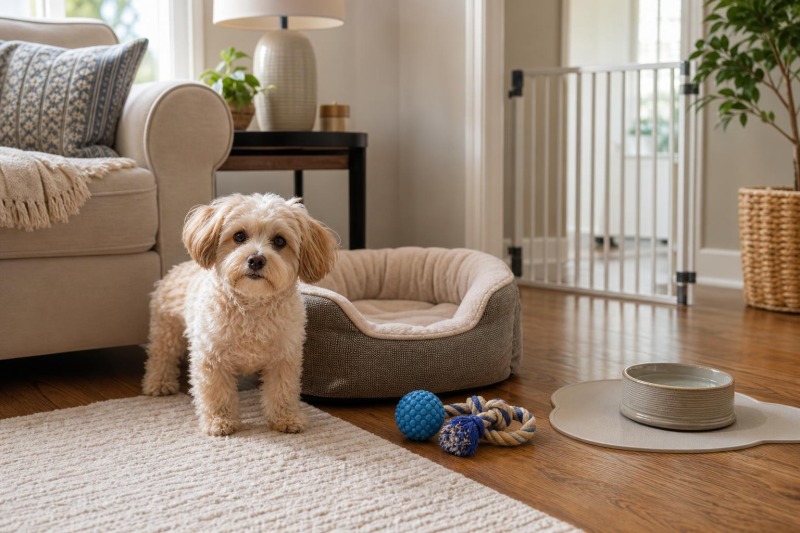
The first days with a companion dog are easier with a quiet resting place, secure boundaries, and a predictable routine. Leave time to learn the individual's habits before adding a busy schedule.
A good companion dog can change the rhythm of a home. These dogs bring comfort, structure, and honest company. For some people, they are the first step into learning about therapy dogs or service dogs. For others, they are simply a loyal friend who shares the morning coffee hour, the evening walk, and the quiet days in between. However you come to it, the start matters. A strong beginning makes the difference between confusion and confidence, between a dog that merely lives in your house and one that truly settles into your life.
Understanding What a Companion Dog Really Is
A companion dog is bred or chosen first for presence, temperament, and the ability to live closely with people. That does not mean the dog has no drive, no energy, or no need for guidance. Quite the opposite. Even the gentlest companion dog needs leadership, boundaries, and purpose. Folks sometimes make the mistake of thinking a companion dog should just naturally fit in without much effort. That is like expecting a young hunting dog to know the field before ever catching a scent. Dogs learn by routine, repetition, and trust.
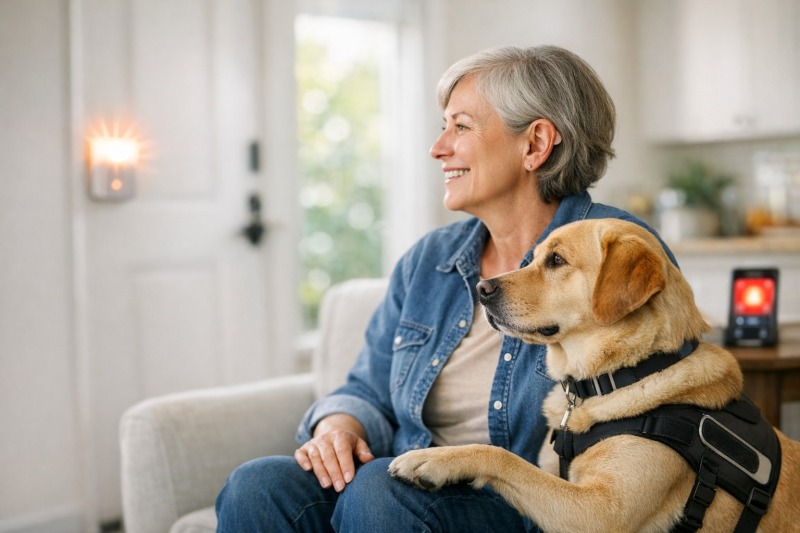
It also helps to understand the difference between companion dogs, therapy dogs, and service dogs. A companion dog offers emotional comfort through everyday presence, but does not have the specialized training or legal access rights of a service dog. A therapy dog, on the other hand, is trained and evaluated to provide comfort to others in settings such as hospitals, schools, or care facilities. A service dog is task-trained to assist a person with a disability. Knowing these distinctions early helps you choose the right expectations and the right training path.
Preparing Your Home Before the Dog Arrives
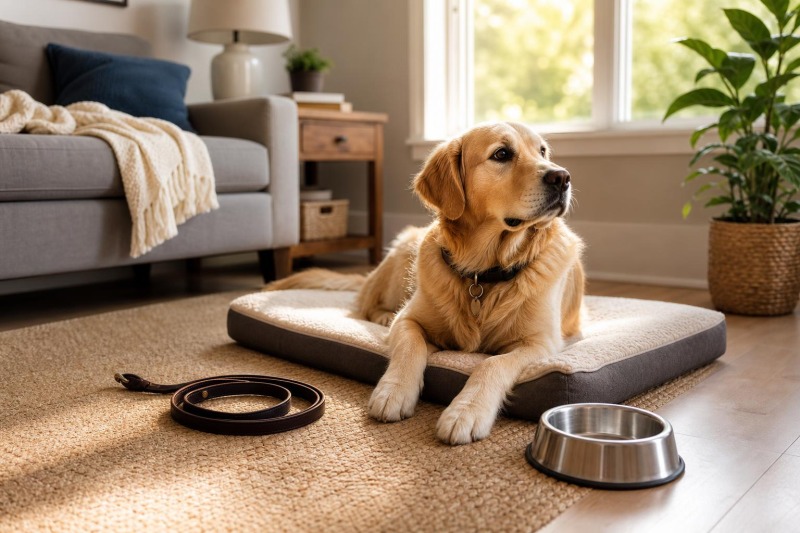
The best dog owners do their work before the dog ever comes through the door. Food and water bowls are ready. The sleeping area is set. Cords are tucked away. Shoes are off the floor. House rules are decided before anyone gets attached enough to bend them. Dogs are comforted by consistency, and confusion starts when one person allows behavior another person corrects.
Your dog needs a place to decompress. That might be a crate, a gated corner of the living room, or a quiet bed in a low-traffic area. Think of it as a safe blind on a windy morning, a place where the dog can settle and observe without pressure. New homes are loud with strange smells, new footsteps, and unfamiliar expectations. Giving your dog a calm place to land prevents overstimulation and helps build security in those first critical days.
The Supplies That Matter Most
You do not need a mountain of gear, but you do need the basics that make life predictable. A properly fitted collar or harness, leash, food recommended by the breeder or rescue, identification tags, a bed, a crate if you plan to use one, and a few safe chew toys will carry you a long way. The right equipment is not about spoiling a dog. It is about reducing friction and setting clear patterns from day one.
The First Day Home Sets the Tone
When you bring your first companion dog home, keep the day simple. Skip the parade of visitors. Hold off on loud introductions and overwhelming adventures. Let the dog explore a little, then rest. Offer water, a bathroom break, and a chance to sniff the surroundings. Remember, this animal may be carrying stress even if it looks calm. Some dogs pace. Some shut down and sleep. Some test every boundary before supper. None of that tells the whole story yet.
You do not crash through brush and expect good results. You move steady, read the signs, and let things unfold. Dogs do best when we allow them time to gather themselves. Speak calmly. Keep commands few and clear. Show the dog where to go out, where to rest, and where meals happen. That is enough for the first stretch.
Building Trust Through Routine
If there is one thing that helps a first companion dog settle in, it is routine. Feed at regular times. Take the same route outside for potty breaks. Build morning and evening habits the dog can predict. Dogs relax when the world starts making sense. In that kind of structure, trust grows naturally.
Routine is not the same as rigidity. Life happens. But in the early weeks, predictable rhythms make training easier and reduce anxiety. A dog that knows when meals come, when walks happen, and where to sleep is less likely to develop stress behaviors. This is especially important for rescue dogs and for sensitive breeds that form deep attachments to their people.
Why Calm Leadership Matters
Companion dogs do not need harsh handling, and they do not thrive under chaos. They need calm leadership. That means you follow through without anger. You reward what you want. You redirect what you do not. Dogs are always reading us. If your voice jumps, your hands fidget, and your rules change by the hour, the dog will mirror that uncertainty. Steady leadership gives a dog the confidence to relax.
Training Starts the Moment You Meet
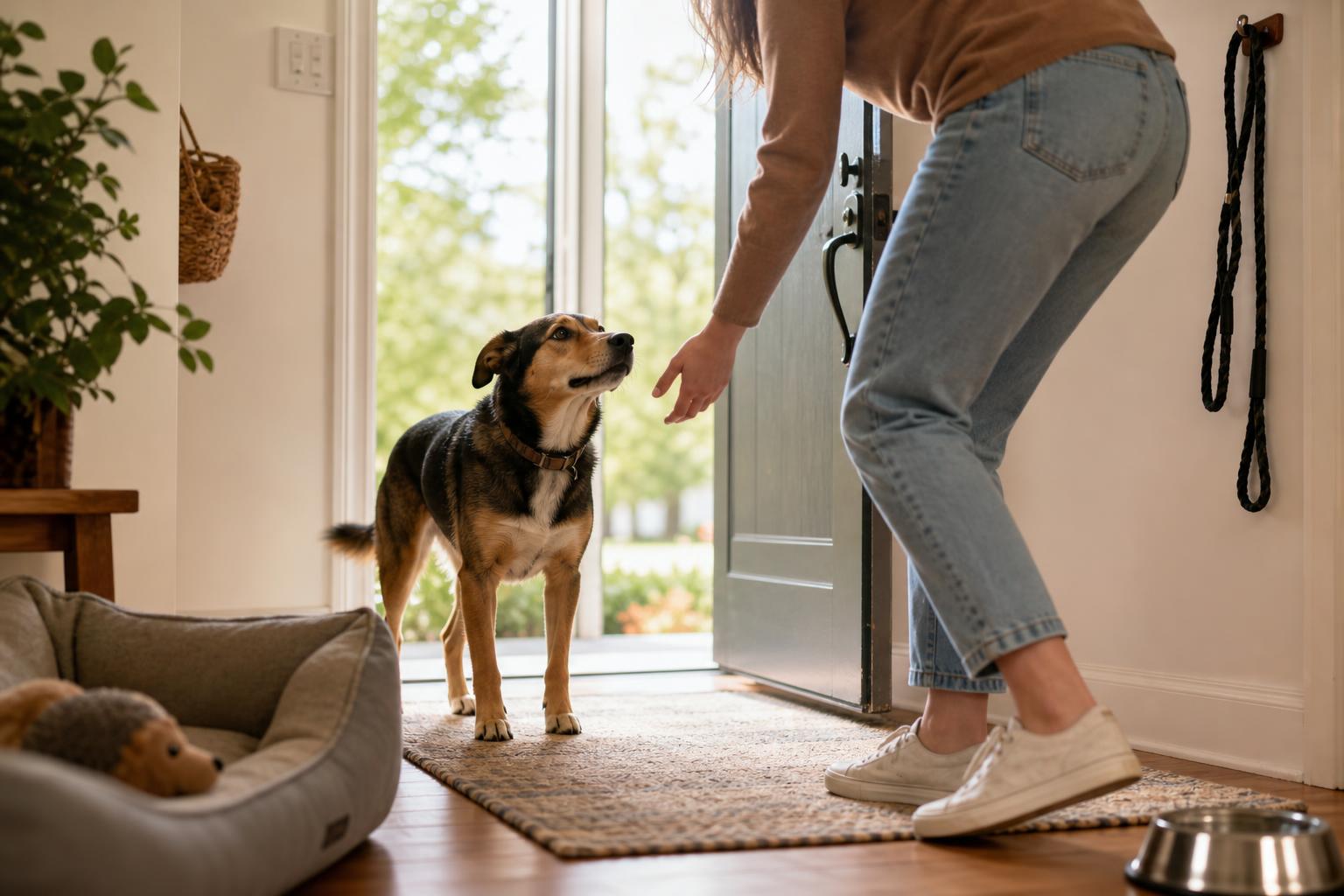
Many first-time owners think training begins after the dog has had time to settle. In truth, training begins the first moment your dog learns what earns attention and what does not. Every meal, every doorway, every leash-up, and every greeting teaches something. The good news is that companion dog training does not need to be complicated at the start. Focus on name recognition, house training, leash manners, recall basics, and simple cues like sit, down, and stay.
Short sessions work best. A few minutes here and there will usually do more good than one long session that leaves the dog mentally tired. Keep your tone encouraging. Reward generously for effort. End on a good note whenever possible. A dog that enjoys learning becomes easier to live with, and in some cases, that foundation can later support therapy work or more advanced task training.
Socialization Without Overdoing It
One of the finest things you can give a companion dog is thoughtful socialization. That means helping the dog experience people, places, sounds, surfaces, and everyday situations in a positive way. It does not mean forcing interaction with every stranger in the grocery parking lot. Socialization done well is measured and intentional.
Let your dog see the world from a distance first. Watch body language. A loose posture, soft eyes, and easy movement tell you the dog is handling the moment well. Tucked tails, yawning, lip licking, freezing, or frantic pulling are signs to back off and simplify. A dog that learns the world is safe one step at a time is far more dependable than one pushed too far too fast.
Common First-Time Mistakes to Avoid
The biggest mistake new owners make is expecting instant bonding. Some dogs attach quickly. Others need weeks or months before their full personality shows. Give that process room. Another common error is allowing too much freedom too soon. If a dog has not earned the run of the house, do not hand it over and hope for the best. Structure prevents bad habits from taking root.
It is also easy to confuse affection with clarity. Love your dog all you want, but make the rules plain. Decide whether the dog is allowed on furniture, where it sleeps, how greetings should happen, and how meals are handled. Dogs are happiest when boundaries are consistent. They do not resent fair rules. They rely on them.
When a Companion Dog May Be Right for Therapy or Service Training
Some first companion dogs show the stable temperament and trainability that make owners wonder about therapy work or service training. That is worth exploring, but it should be done with patience and realistic expectations. Not every friendly dog is suited for therapy environments, and service work requires far more than good manners. It demands specific task training, public behavior standards, and in many cases professional guidance.
Still, a well-raised companion dog can open the door to deeper learning. If your dog is calm, responsive, people-friendly, and confident in public, there may be a future path worth considering. Start with obedience, exposure, and honest evaluation. The dog will tell you what it is built for if you are paying attention.
The Bond That Makes It Worthwhile
There is something plain and true about a good dog settling into your life. It happens in small ways at first. The dog looks for you in the next room. It learns the sound of your truck or your footsteps at the door. It rests easier when you are near. Then one day you realize this animal is not just adapting to your home. It is woven into it.
Bringing home your first companion dog is a beginning, not a finish line. The real work is in the days that follow, when trust is built through feeding, walking, correcting, praising, waiting, and showing up. Do that well, and you will have more than a pet. You will have a steady partner for ordinary life, and there is no small value in that. In a noisy world, a good companion dog brings a kind of honest company that still feels rare.
If you start with patience, structure, and the willingness to learn, your first companion dog can become one of the best decisions you ever make. Not because the road is perfect, but because the bond is earned. And anything earned right tends to last.