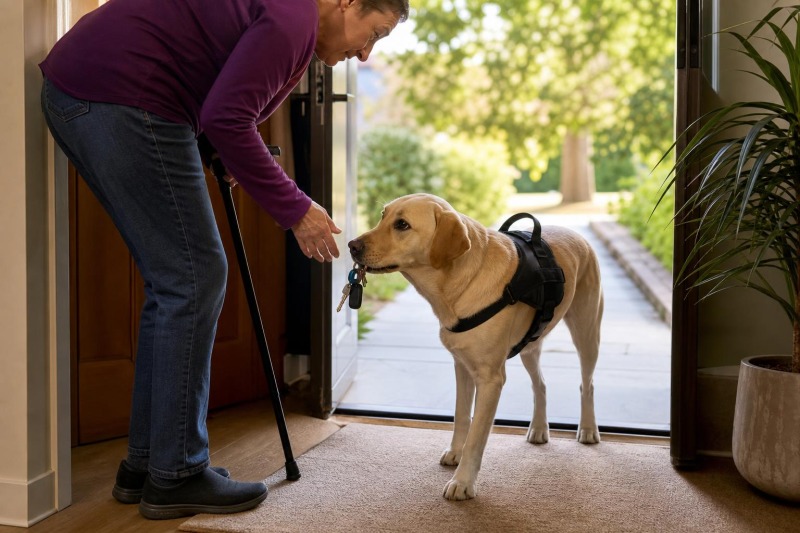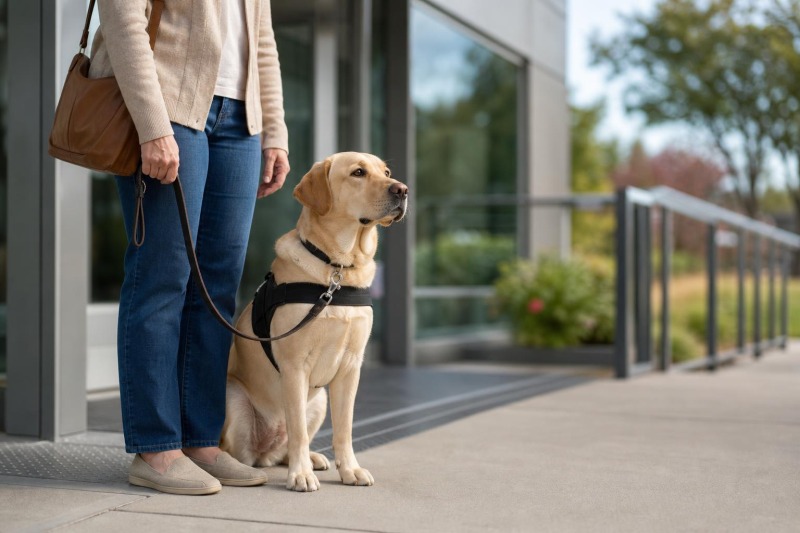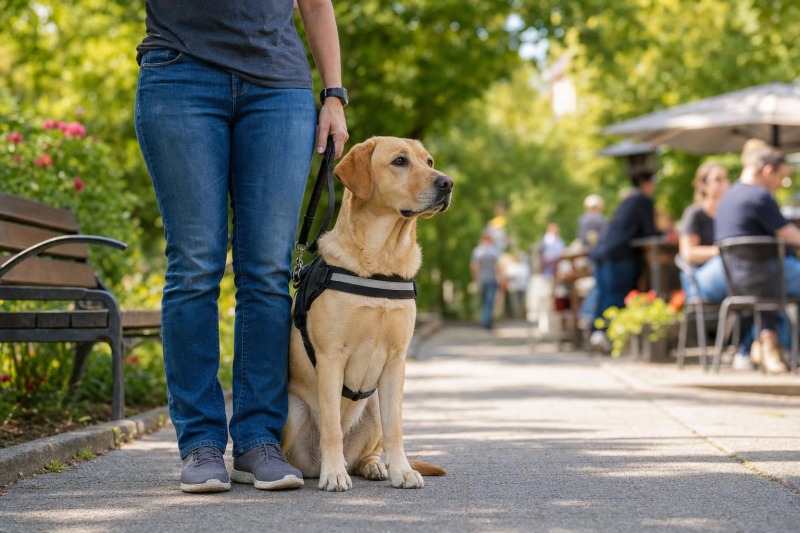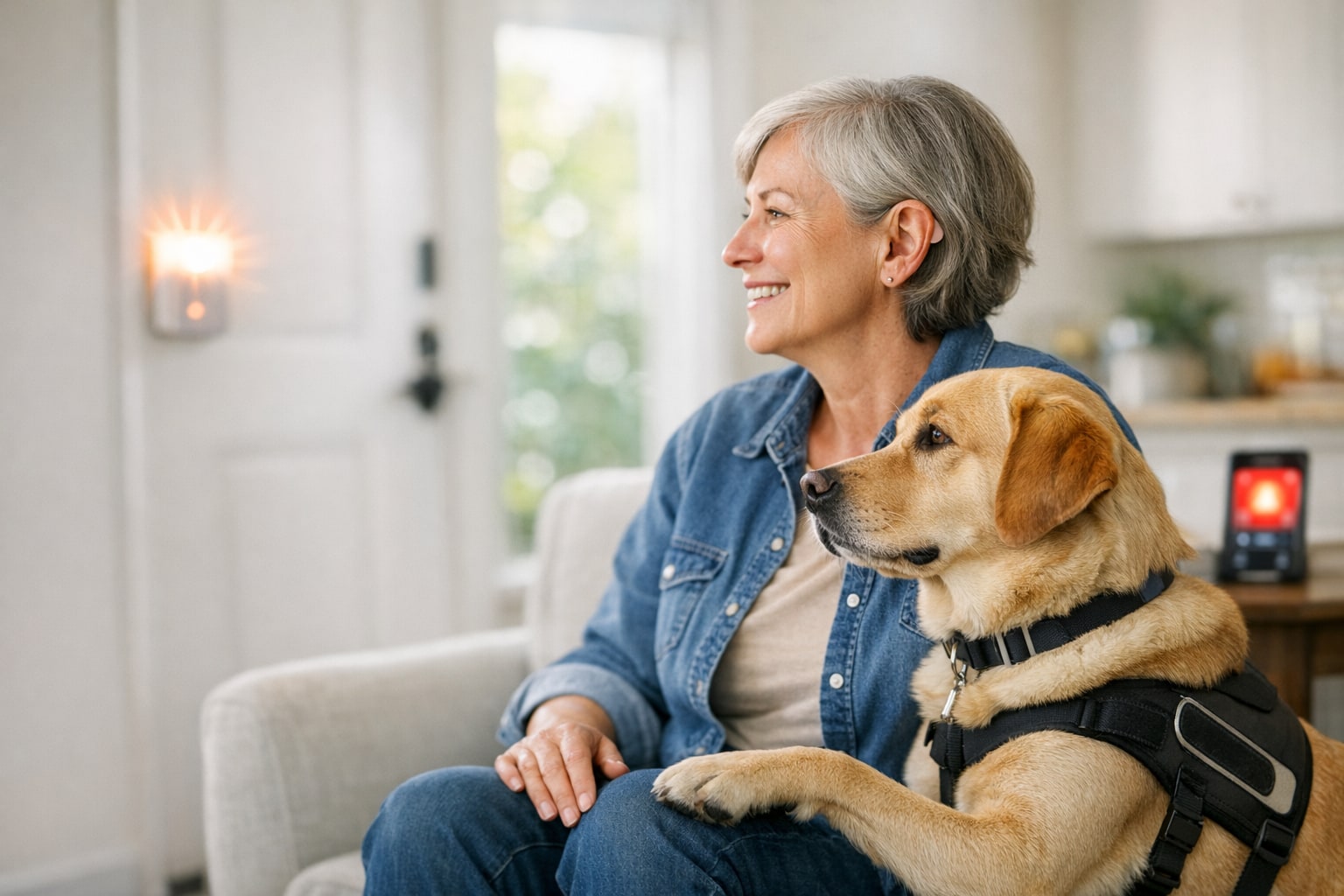
A hearing dog can be trained to alert its handler to selected sounds and guide attention toward their source. The useful tasks depend on the person's routines and environment.
Whether you are in the field before daylight, listening for movement in the timber, or just trying to run a normal day without second-guessing every sound you cannot hear, a steady dog is worth more than fancy talk. Service dogs for hearing loss are trained to notice specific sounds and alert their handler with consistency. They are not pets wearing a vest. They are working dogs, and when they are trained right, they become part of a person’s safety, independence, and peace of mind.
What Is a Hearing Service Dog?
A hearing service dog is trained to assist a person who is deaf or hard of hearing by alerting them to important sounds in the home and in public. When the dog hears a sound it has been trained to recognize, it makes physical contact with the handler and then leads them toward the source or away from danger, depending on the situation. That simple action may sound small on paper, but in real life it can mean the difference between confusion and clarity in a split second.
These dogs commonly alert to doorbells, alarm clocks, smoke alarms, sirens, ringing phones, a baby crying, a timer going off, or someone calling the handler’s name. Some are also trained for more complex sound discrimination based on the handler’s daily routine. Good hearing dogs do not just react wildly to noise. They learn specific sounds, specific responses, and they perform those tasks with calm purpose.
How the Alert Usually Works
Most hearing dogs use a nudge, paw touch, or nose bump to get the handler’s attention. Once contact is made, the dog may guide the person to the sound source. In the case of danger sounds like a smoke alarm or emergency siren, the response may be different and more urgent. A skilled dog knows the difference because it has been shaped through repetition, reward, and careful exposure.
That training matters. A dog that startles easy, loses focus, or guesses at sounds is not helping. A true service dog for hearing loss must be dependable when the room is busy, when the handler is tired, and when the world is loud with distractions.
How Service Dogs for Hearing Loss Improve Daily Life
The biggest benefit most people think of is sound alerting, and that is certainly the backbone of the work. Still, the real value often runs deeper. A good hearing dog helps reduce the constant mental strain that comes from trying to monitor everything at once. Instead of living on edge, waiting to miss something important, the handler can settle into the day knowing a capable partner is listening.
That confidence changes how people move through life. They may feel more comfortable sleeping alone, answering the door, traveling, shopping, or spending time in public spaces. For some handlers, a hearing service dog brings back independence they had been slowly surrendering. For others, it opens doors they had stopped knocking on.
There is also the companionship piece, and that should not be ignored. A service dog is not there just for emotional comfort, but anyone who has worked alongside a dog knows the bond carries real weight. A dog that watches for your safety, day in and day out, becomes more than assistance. It becomes trusted company, the kind that steadies a person in ways hard to measure.
Who Is a Good Candidate for a Hearing Service Dog?
Not every person with hearing loss needs a service dog, and not every household is the right fit. A hearing service dog can be a strong option for someone who is deaf or hard of hearing and would benefit from reliable sound alerts in daily life. It can be especially useful for people who live alone, miss important household sounds, have safety concerns, or want more independence in public and at home.
That said, a service dog is still a dog. It needs feeding, exercise, veterinary care, routine handling, and ongoing reinforcement of its training. A service dog can give a lot, but it also requires commitment. The best partnerships come when the handler is ready for both the help and the responsibility.
Home Life Matters More Than People Realize
The home environment can make or break the success of a working dog. A house that is chaotic, inconsistent, or rough on boundaries can muddy a dog’s job. On the other hand, a calm household with clear routines helps a hearing dog settle into its work. If there are other pets, small children, or frequent visitors, that does not rule a service dog out, but it does mean training and management need to be taken seriously.
What Breeds Make Good Hearing Service Dogs?
There is no single perfect breed for hearing service work. Temperament, trainability, sound sensitivity, confidence, and steadiness matter more than looks. Labrador Retrievers, Golden Retrievers, Poodles, Cocker Spaniels, and mixed breeds with the right disposition are often strong candidates. The dog should be alert without being frantic, social without being pushy, and responsive without needing constant correction.
A hearing service dog does not need to be intimidating or flashy. It needs to listen, think, and stay honest in its work.
Training a Service Dog for Hearing Loss
Training starts with a stable foundation. Before a dog learns to alert to sounds, it must already know how to behave in homes, public places, and around distractions. Obedience, impulse control, confidence, and social neutrality are not extras. They are essential. Once that groundwork is solid, the dog begins learning to associate targeted sounds with a specific alert behavior.
The process is built in layers. First the dog hears the sound and is rewarded for noticing it. Then it learns to approach the handler and make contact. After that, it learns to lead the handler to the source, or to perform a specific safety response. Training continues until the behavior is smooth, reliable, and repeatable in different environments.
This is one reason professional programs are often valuable. The work takes time, structure, and careful proofing. Owner-training can be possible in some cases, but it is not a shortcut. A service dog must perform around groceries, traffic, stores, waiting rooms, and all the messiness of daily life. If the training is soft, the weak spots will show.
Public Access and Real-World Manners
A hearing service dog should be calm in restaurants, quiet in medical offices, steady in crowds, and under control in transportation settings. It should not lunge, bark needlessly, beg for attention, or wander. Task work gets the spotlight, but public behavior is what keeps a service dog usable in the real world. A dog can know every alert in the book, but if it cannot handle a busy sidewalk, it is not ready.
Service Dog or Emotional Support Dog?
This point deserves clarity because confusion helps no one. A service dog is trained to perform tasks directly related to a person’s disability. A hearing service dog alerts to sound and helps the handler respond. An emotional support animal may provide comfort through presence, but it is not trained for disability-specific tasks in the same legal and practical way.
That distinction matters for access, expectations, and fairness. Real service dog work is demanding. It asks a lot from the dog and from the handler. When people blur the line, it creates trouble for those who truly depend on trained assistance animals every day.
What to Expect Before Bringing One Home
If you are looking into a hearing service dog, expect questions about your lifestyle, hearing needs, home setup, and prior dog experience. A responsible organization or trainer will want to know how the dog’s tasks will fit your actual day-to-day life. That is a good sign, not a hassle. Matching the right dog to the right person is part of the work.
You should also expect a transition period. Even a highly trained dog needs time to learn your patterns, your home sounds, and your pace. Trust builds through repetition. In the first weeks, there may be adjustments as the dog settles in and the handler learns how to read and support the dog’s behavior. Good partnerships are built, not magically switched on.
The Long View: Why These Dogs Matter
Out in the field, you learn to value what is reliable. Weather turns, light fades, and plans go sideways. The things you trust are the things that hold steady when conditions are not perfect. That is the kind of value a good hearing service dog brings. It listens when the handler cannot. It responds when seconds count. It turns missed sounds into actionable information and makes ordinary life feel manageable again.
For people living with hearing loss, that kind of support is not just convenient. It can be life-changing. A trained hearing dog can increase safety, strengthen confidence, and give its handler a sense of freedom that had begun to slip out of reach. And like any honest working partnership, the best of it is built on trust, consistency, and a dog that knows its purpose.
If you are considering a service dog for hearing loss, take your time, ask sharp questions, and look for training that values reliability over showmanship. The right dog will not just hear for you. It will stand with you, work for you, and help you move through the world with more certainty than you had before.