The route to a service dog depends on disability-related needs, suitable tasks, and the requirements of any program involved. An online registration or purchased certificate does not establish eligibility under the ADA.
If you are trying to understand how to qualify for a service dog, you need straight talk, not sales fluff. The process can feel muddy because there is so much bad information floating around online. Some websites make it sound like you can buy a certificate and be done by supper. That is not how legitimate service dog work operates. A true service dog is defined by the handler’s disability and the dog’s trained task work, not by a fancy ID card or a bright red vest.
What Qualifies Someone for a Service Dog?
Under the Americans with Disabilities Act, or ADA, a service dog is a dog that has been individually trained to do work or perform tasks for a person with a disability. That is the heart of it. To qualify for a service dog, a person must have a physical, psychiatric, sensory, intellectual, or other mental disability that substantially limits one or more major life activities. On top of that, the dog must be trained to do specific tasks that lessen the impact of that disability.
That second part matters more than many folks realize. A dog that brings comfort just by being present may be deeply valuable, but comfort alone does not make a dog a service dog under federal law. If a dog is trained to interrupt self-harming behavior, guide a handler with visual impairment, alert to a seizure, retrieve dropped medication, brace for mobility support when appropriate, or wake a handler from night terrors, that is task work tied to disability. That is what separates a service dog from an emotional support animal or a companion dog.
Disability Must Be the Starting Point
In plain language, you do not qualify because you want a better-trained pet. You qualify because daily life is limited by a legitimate disability, and a dog can be trained to provide practical help. That can include conditions that are visible, like mobility impairment, and conditions that are not visible, like PTSD, panic disorder, autism, epilepsy, or diabetes. The disability itself does not need to be obvious to strangers, but it does need to be real, documented, and significant enough that task-trained canine support is justified.
They know a dog makes them feel calmer, and that may be true, but the legal question is whether the dog performs trained tasks related to the disability. Think of it like this: out in the field, a good hunting dog is not judged by how handsome he looks in the truck. He is judged by the work he is trained to do when the ground gets rough. Service dogs are the same way. The work is what counts.
Medical Documentation and Professional Support
While the ADA does not require a national registration or official government certificate for a service dog, many handlers begin with medical documentation. That is especially important when you are trying to decide whether a service dog is the right fit in the first place. A physician, therapist, psychologist, psychiatrist, or other licensed healthcare professional can help establish whether your condition qualifies as a disability and whether service dog tasks would meaningfully support your daily life.
For housing, workplace accommodation requests, and some training programs, documentation may be requested. A reputable provider or trainer may ask about your diagnosis, your functional limitations, your treatment history, and what tasks you need the dog to perform. That is not gatekeeping for the sake of pride. It is part of building a safe and effective partnership. A service dog is a working animal, not a shortcut around treatment or a patch over a problem that needs a broader plan.
If you are thinking seriously about getting a service dog, it is wise to have an honest conversation with your healthcare provider. Ask whether a service dog fits into your treatment or management plan. Ask what daily limitations you have that a dog could help reduce. Ask whether you are physically, emotionally, and financially able to care for a working dog. Those are not small questions.
What Tasks Must a Service Dog Perform?
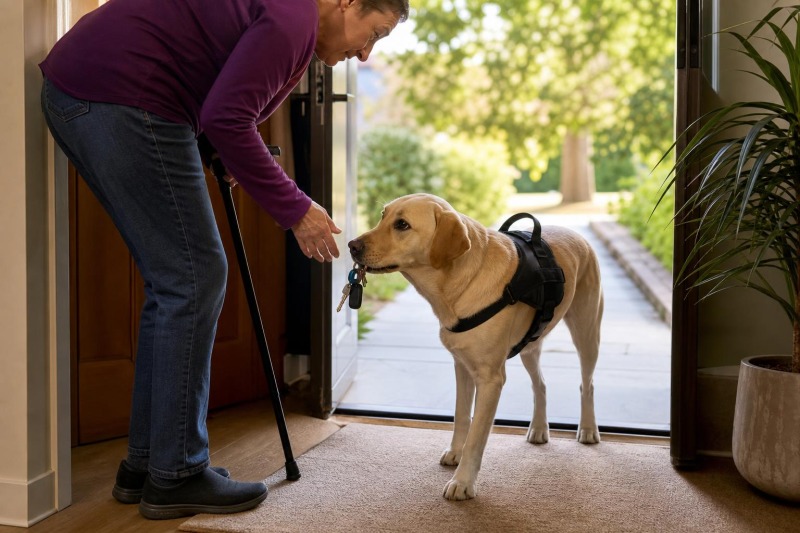
This is where qualification becomes practical. To qualify for a service dog, you need more than a diagnosis. You need a clear connection between your disability and the tasks the dog would perform. A mobility service dog might retrieve items, open accessible doors, tug laundry baskets, or provide momentum assistance in certain cases under professional guidance. A psychiatric service dog may interrupt dissociation, create space in a crowd, remind a handler to take medication, conduct room checks, or ground someone during escalating anxiety. A medical alert dog may detect blood sugar changes or alert to oncoming seizures, though not every alert behavior can be guaranteed by every dog.
The task has to be trained. Natural affection is not enough. A dog leaning against you because he is sweet-tempered is not the same as a dog trained to apply deep pressure therapy on cue or in response to a specific medical episode. That distinction is often the dividing line between a companion animal and a service dog.
Public Access and Behavior Matter Too
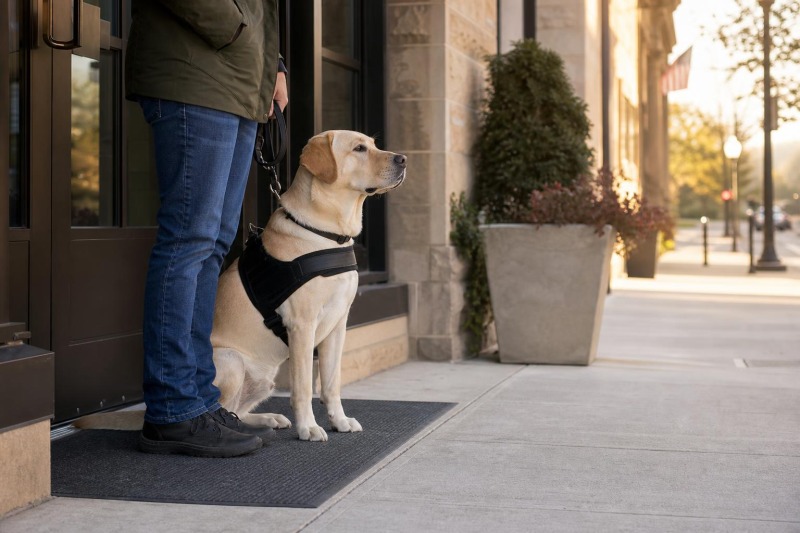
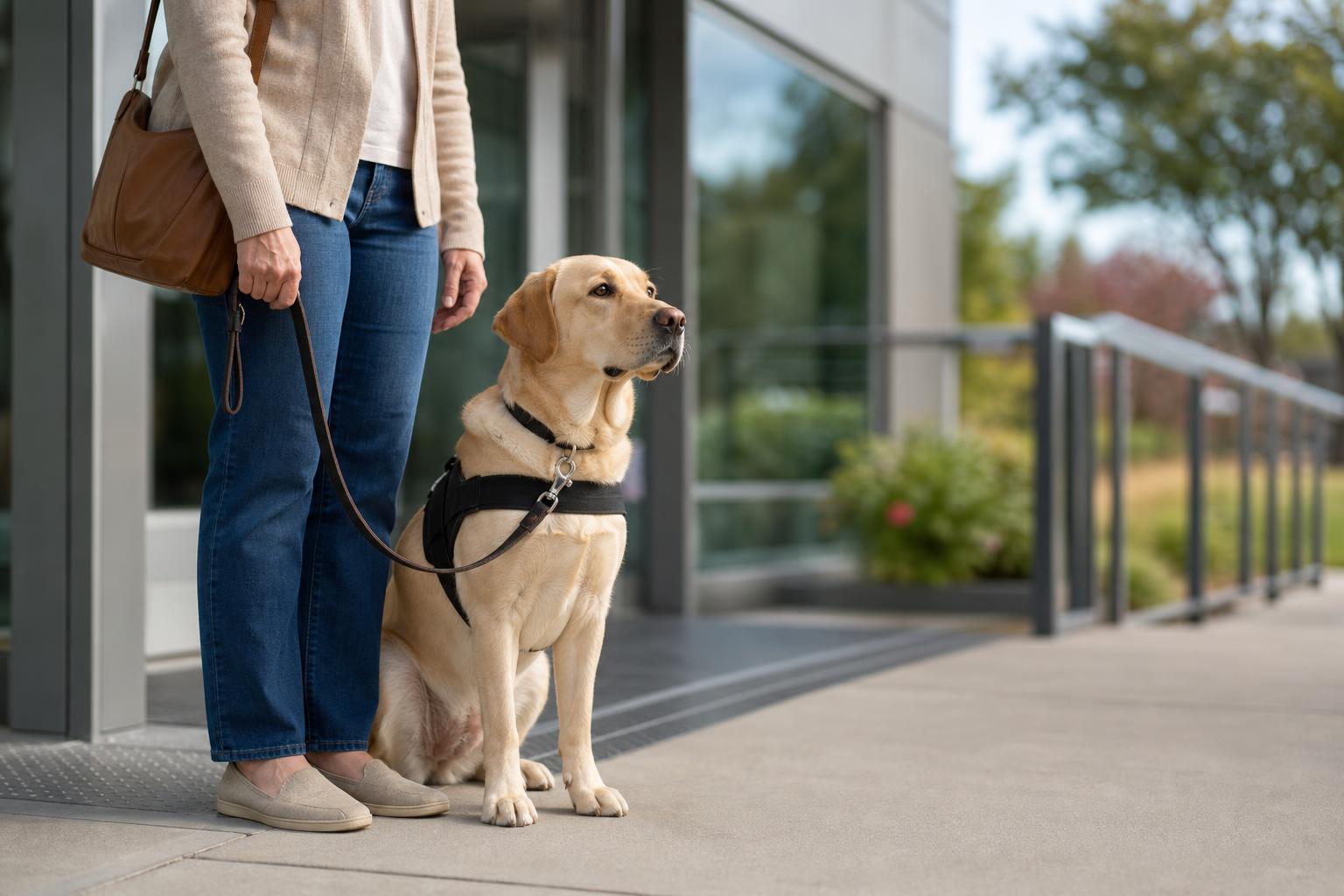
Even if a person medically qualifies, not every dog qualifies to work in public. A service dog must be under control, house trained, and able to behave appropriately in busy environments. If a dog lunges, barks excessively, soils indoors, or cannot settle under a table, that dog is not ready for public access. The law protects legitimate service dog teams, but it does not excuse poor behavior.
Whether you are in a duck blind, a doctor’s office, or the hardware store, a working dog needs steadiness. Nerves, aggression, or chaos can wash out even the best intentions. That is why temperament is every bit as important as task training.
Can You Train Your Own Service Dog?
In many cases, yes. Under the ADA, people with disabilities can train their own service dogs. They can also work with a professional trainer or receive a dog from a program. Owner-training can be a good path for some handlers, especially if they already have a suitable dog with the right temperament, drive, health, and focus. But it is not the easy road. Training a reliable service dog takes time, skill, consistency, and no small amount of patience.
There is a hard truth here that seasoned dog folks understand. Not every good dog is cut out for service work. A dog may be loyal as sunrise, sharp as a tack, and still not have the nerve to handle airports, crowds, medical offices, and long hours of quiet control. Service work asks for a rare blend of stability, trainability, resilience, and willingness. Before you put money and heart into the process, the dog should be evaluated honestly.
How the Qualification Process Usually Works
For most people, the path begins with need. You recognize that your disability limits daily living and that specific dog tasks could help. Then comes consultation with a medical or mental health professional. After that, you either apply to a service dog program, work with a trainer, or explore owner-training. Along the way, the needed tasks are identified, the dog is trained, and public access skills are proofed in real-world settings.
Some programs have strict application standards, waiting lists, interviews, and placement requirements. They may ask for medical records, personal references, home evaluations, and proof that you can care for the dog. Others focus on certain disabilities only, such as guide dogs for blindness or dogs for veterans with PTSD. There is no single national service dog approval office. The process depends on your needs and the route you choose.
That said, legitimate qualification is never just a matter of buying paperwork. If a company is selling instant registration with no regard for disability, task training, or behavior, you are not looking at a meaningful service dog qualification process. You are looking at marketing dressed up as authority.
Service Dog vs Therapy Dog vs Companion Dog
This confusion causes no end of trouble. A service dog is trained to perform disability-related tasks for one handler. A therapy dog offers comfort and support to other people in settings like hospitals, schools, or nursing homes, usually with permission and as part of a volunteer or professional program. A companion dog provides affection, routine, and emotional closeness in everyday life. All three can be valuable, but they do not carry the same legal role or public access rights.
For the audience here at Companion Dog Central, this is worth saying clearly: needing emotional support does not automatically mean you need a service dog. Sometimes a well-matched companion dog is the right answer. Sometimes a therapy dog path fits better. And sometimes a person truly does need a service dog because the dog’s trained work can make daily life safer and more independent. The right choice depends on function, not fashion.
Questions to Ask Before You Move Forward
Before you chase the idea of a service dog, ask yourself whether you need task-based assistance every day or nearly every day. Ask whether you can keep up with feeding, grooming, exercise, veterinary care, training maintenance, and public responsibility. Ask whether your home and schedule support a working dog. Ask whether you are prepared for attention from strangers, because a service dog in public draws eyes like a blaze orange cap in deer season.
A service dog can be life changing, but it is also a working partnership that asks a great deal from both ends of the leash. The dog is not a machine. There will be upkeep, setbacks, and constant reinforcement. Handlers who thrive with service dogs usually understand that they are not receiving a miracle. They are building a disciplined team.
If you want the short version, here it is. To qualify for a service dog, you must have a disability that substantially limits major life activities, and the dog must be individually trained to perform specific tasks that directly help with that disability. Documentation from a healthcare provider is often useful and sometimes necessary in related settings, but registration alone means nothing without legitimate need and training. The dog also needs the temperament and manners to work safely in public.
When you strip away the noise, the process is about fit. The right dog, the right tasks, the right handler, and the right support system. It is not magic, but on a hard day it can look mighty close. If you believe a service dog may be the right path for you, start with honest medical guidance and clear-eyed expectations. That will save you time, money, and heartache, and it will put you on the trail worth following.