Under the U.S. ADA, a service dog is individually trained to do work or perform tasks related to a person's disability. Companionship alone does not meet that definition.
Under the Americans with Disabilities Act, or ADA, service dogs are working animals, not pets. That distinction matters. A service dog is trained to do work or perform tasks for an individual with a physical, sensory, psychiatric, intellectual, or other disability. In plain talk, this means the dog has a job to do, and that job supports the handler in daily life. It might guide someone who is blind, alert someone who is deaf, retrieve dropped items, help with balance, interrupt a panic episode, or respond to a medical emergency. The work is practical, reliable, and built on training.
That is the heart of the answer to the question, what is a service dog. It is a dog trained to perform tasks that lessen the impact of a disability. Not every calm dog is a service dog. Not every affectionate dog is a therapy dog. And not every dog that brings comfort qualifies as a working animal under the law.
What Makes a Service Dog Different?
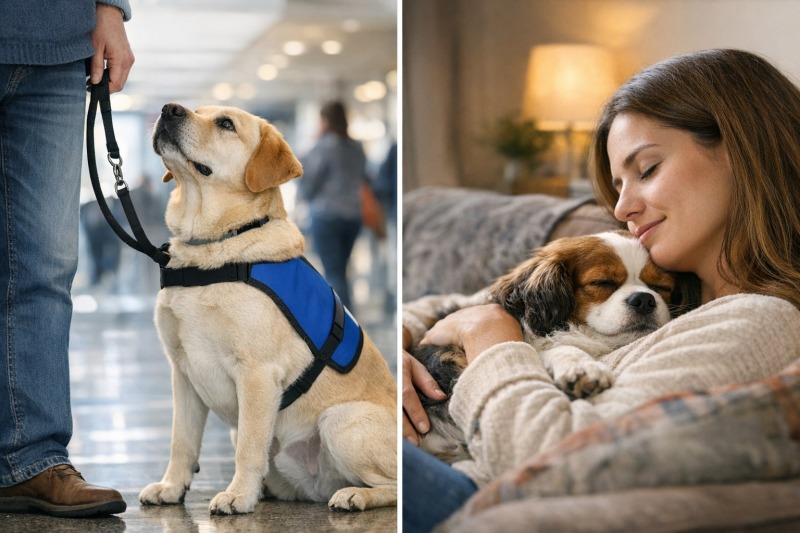
Folks often lump service dogs, therapy dogs, and companion dogs into the same pile, but they are not the same thing. The difference comes down to function and training. A companion dog offers company, routine, and emotional connection. That can be a powerful thing, especially for people who live alone or need emotional steadiness in the home. A therapy dog is usually brought into places like hospitals, schools, nursing homes, or crisis settings to provide comfort to many people. These dogs are expected to be calm, social, and dependable in public-facing environments.
A service dog, on the other hand, is trained to assist one specific person with a disability. The dog’s work is customized. It is not there to comfort the public or simply provide emotional presence. It is there to perform tasks that help the handler function day to day. That is a major legal and practical difference, and it is one of the most misunderstood parts of the conversation.
Those dogs were valuable. But a true service dog is trained with a sharper edge and clearer purpose. There is discipline in it, and repetition, and a handler-dog partnership built like a good hunting team where each one reads the other without much fuss.
Service Dogs Are Task-Trained
The phrase task-trained matters. A service dog must be trained to perform actions directly related to the handler’s disability. That could include guiding a person around obstacles, alerting to sounds like alarms or doorbells, pulling a wheelchair, retrieving medications, pressing emergency buttons, waking a handler from night terrors, or detecting changes in blood sugar. Some dogs are trained to sense seizures before they happen or respond once one begins by staying near, fetching help, or providing protection from injury.
This is what separates a service dog from a dog that simply makes someone feel better by being nearby. Comfort alone does not make a service dog. The dog must perform a trained task.
Types of Service Dogs and the Work They Do
Service dogs come in many forms because disabilities come in many forms. Some of the most recognized are guide dogs for people who are blind or visually impaired and hearing dogs for people who are deaf or hard of hearing. Mobility assistance dogs help handlers with balance, bracing, retrieving objects, opening doors, and other physical tasks. Medical alert dogs can detect changes related to conditions like diabetes or seizures. Psychiatric service dogs assist people with diagnosed mental health disabilities by interrupting self-harming behavior, reminding handlers to take medication, conducting room checks, grounding them during dissociation, or creating space in crowded places.
There is no one-size-fits-all service dog. The tasks depend on the person and the disability. Breed can vary too, though not every dog has the temperament, health, or drive for this kind of work. A good service dog needs steady nerves, strong obedience, excellent social control, and the ability to work in public without becoming distracted by noise, food, strangers, or other animals. That is a tall order. It takes the right dog and the right training.
Not Every Smart Dog Is Suited for Service Work
The dog must be even-tempered, adaptable, and willing to stay focused under pressure. A dog that startles easily, reacts to crowds, or gets overexcited around other dogs may be a wonderful pet but not a safe service prospect. Health matters too. A service dog must be physically able to work consistently and comfortably for years.
That is why reputable training programs are careful. They are not just looking for obedience. They are looking for a sound dog in mind and body.
How Is a Service Dog Trained?
Training a service dog is no casual undertaking. It takes time, structure, and patience, often stretching over many months or even years. First comes the foundation. The dog must learn basic obedience, house manners, impulse control, and calm behavior in all sorts of settings. A service dog has to be solid in public. That means ignoring dropped food, holding position in tight spaces, staying composed around shopping carts, children, loud noises, and sudden movement.
After that, task training becomes more specific. If the dog is meant to retrieve items, those retrieves must be reliable. If the dog is being trained for medical alert work, response behavior has to be carefully shaped and reinforced. If the dog will guide or support mobility, every movement must be safe, measured, and consistent. This is not flashy work. It is repetitive, thoughtful, and often quietly demanding.
Owner-trained service dogs do exist, and in some cases they can be successful. But it is not easy. Training has to meet a very high standard because the dog will be accompanying a disabled person into public spaces and handling situations where mistakes could carry serious consequences. Professional help is often worthwhile, whether the dog is fully program-trained or developed with owner participation.
Where Can a Service Dog Go?
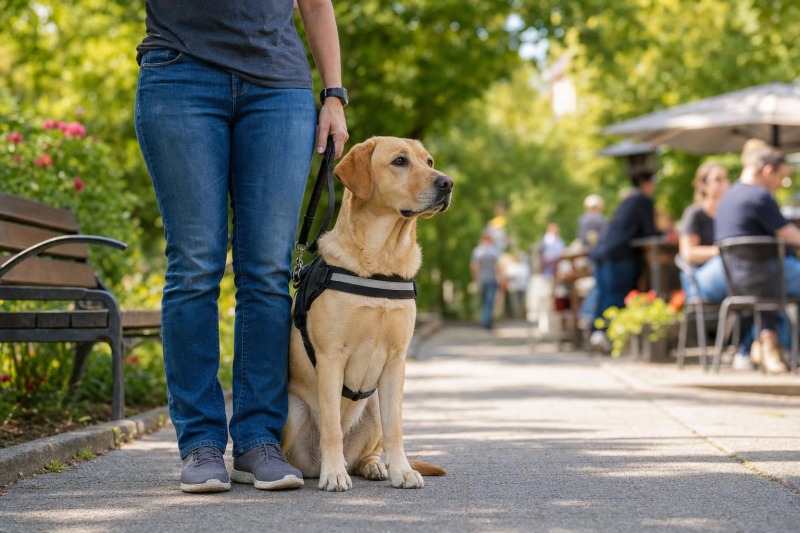
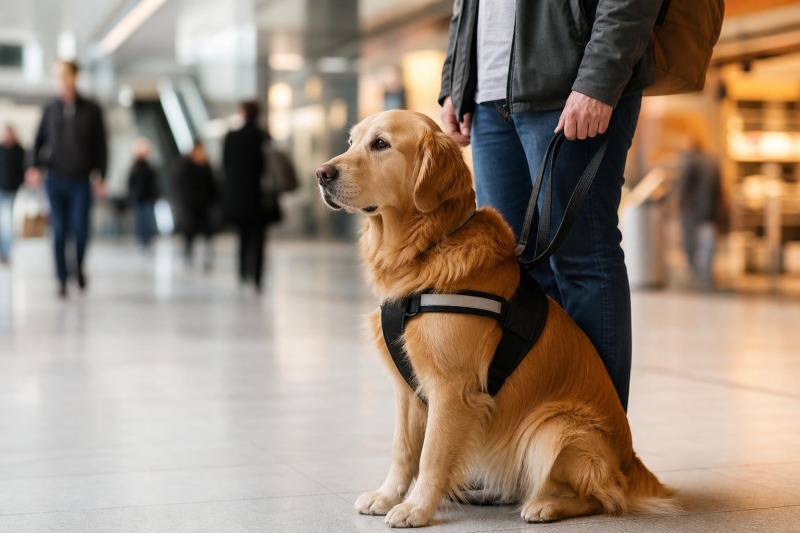
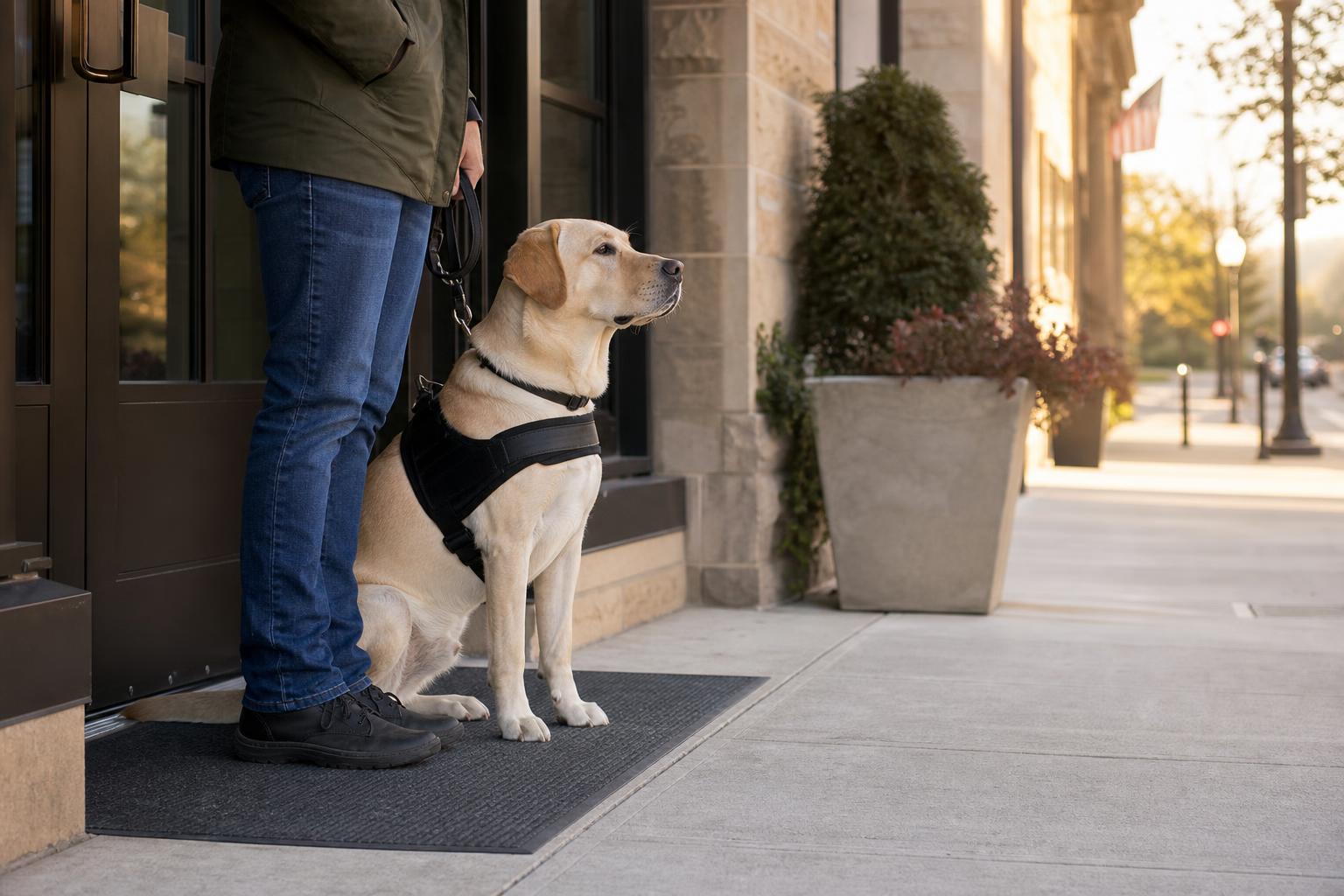
Because service dogs are working animals under the ADA, they are generally allowed in public places where pets are not. This includes stores, restaurants, hotels, and many other businesses. The reason is simple enough. If a person relies on a service dog to function safely, separating them from that dog would be like taking away a necessary piece of equipment.
That said, public access is not a free pass for poor behavior. A service dog must be under control. If a dog is out of control, barking repeatedly, acting aggressively, or not housebroken, a business may ask that the dog be removed. The handler still retains the right to receive service without the dog present if possible, but public access depends on the dog behaving like a trained working animal.
There is often confusion about paperwork and certification. In the United States, there is no official federal certification required under the ADA for a service dog. Businesses may ask only two limited questions when the disability is not obvious: whether the dog is required because of a disability and what work or task the dog has been trained to perform. They cannot demand medical records, require a special ID card, or insist the dog demonstrate its task on the spot.
Why Service Dogs Matter So Much
A strong dog can change the shape of a person’s life. In service work, that trust is not sentimental fluff. It is practical and hard-earned. For someone living with a disability, a service dog may mean the difference between relying on constant assistance and moving through the world with confidence. It may mean warning before danger hits, helping after a fall, interrupting a mental health crisis, or simply allowing a person to leave the house without fear.
These dogs do not just perform tasks. They give back freedom in pieces large and small. They help handlers shop, travel, work, sleep, and navigate public life with greater control. Anyone who has ever depended on a dog in rough weather, thick cover, or black-dark timber understands something about that bond. A well-trained dog can steady a person in ways that are hard to put into neat language.
Common Misunderstandings About Service Dogs
One of the biggest misconceptions is that any dog wearing a vest is a service dog. The vest does not make the dog legitimate. Training does. Another misunderstanding is that emotional support animals and service dogs are the same. They are not. Emotional support animals may provide comfort, but they are not granted the same public access rights under the ADA unless they are also task-trained service dogs.
There is also the mistaken belief that service dogs must come from a large organization or be a certain breed. Neither is universally true. What matters is whether the dog is individually trained to perform tasks for a person with a disability and can behave appropriately in public. Some handlers work with large service dog programs, while others train with independent professionals or train their own dogs with guidance.
Respect matters too. You should not pet, distract, or call to a service dog without the handler’s permission. However friendly the dog may seem, it is working. A moment of distraction can interfere with a task or put the handler at risk.
So what is a service dog? It is a highly trained working dog that helps a person with a disability live more safely and independently by performing specific tasks tied to that disability. That definition may sound straightforward, but the reality behind it is deep. It involves careful training, legal protections, public responsibility, and an uncommon partnership between dog and handler.
At Companion Dog Central, understanding these differences matters because the world of dogs is broad, and each role has its own value. Companion dogs enrich home life. Therapy dogs bring comfort where it is needed most. Service dogs carry out vital work that can reshape a person’s future. When you understand what each dog is meant to do, you can make wiser choices, ask better questions, and appreciate the remarkable ways dogs serve people every day.