A useful daily routine gives a companion dog predictable care without requiring every day to be identical. Include movement, toilet opportunities, meals, social contact, and enough uninterrupted rest.
Dogs are creatures of habit. They read the house, the tone of your voice, the sound of boots on the floor, the rattle of a food scoop, and the time the sun starts slipping through the window. A companion dog that knows when it will eat, when it will go outside, when it will be asked to settle, and when it will get your attention tends to carry less stress. That predictability can mean fewer behavior problems, less anxiety, and a stronger bond between dog and owner.
For families learning about companion dogs, therapy dogs, or service dogs, it helps to understand one simple truth: structure does not make a dog stiff. It gives the dog room to relax. Just like a seasoned hunting dog settles better in camp when it knows the order of the day, a companion dog does best when its routine is built with purpose.
Why a Daily Routine Matters for Companion Dogs
A companion dog is there to share life with you. That may sound simple, but it covers a lot of ground. These dogs often help ease loneliness, bring comfort, reduce stress, and provide emotional steadiness in a home. To do that well, they need their own needs met first. A dog that is under-exercised, overstimulated, poorly rested, or fed on a chaotic schedule often shows that strain in ways owners do not always expect. It may bark more, pace the house, cling too much, ignore cues, or struggle to settle.
A steady routine creates a framework for physical health and emotional balance. It supports digestion through regular mealtimes, helps with house training, improves sleep, and makes training stick. It also teaches a dog what comes next. That sense of order is especially important for dogs that may be sensitive, newly adopted, or adjusting to a new household.
The finest companion dogs are not always the flashiest ones. They are the dogs that understand the rhythm of the home and move within it with confidence. That starts with a daily plan that covers the basics and leaves room for real connection.
Morning Routine: Starting the Day on the Right Foot
The morning sets the tone. When a dog wakes up with energy and curiosity, it needs direction before that energy spills into nuisance behavior. Most dogs, especially puppies and seniors, benefit from getting outside early. It is a simple thing, but it starts the day with success.
After that first outing, many companion dogs do well with a calm feeding time. Regular meals help regulate digestion and make bathroom schedules more predictable. Rather than dropping food and walking away in a rush every day, take a moment to make the meal part of the routine. Ask for a simple sit, let the dog wait a breath, then release it to eat. Small moments like that build impulse control without turning breakfast into a formal drill.
Adding Purpose to Morning Exercise
Once the dog has eaten and had a little time to settle, exercise should follow in a way that fits the breed, age, and health of the dog. A brisk walk works well for many companion dogs. Others need a little more, especially younger dogs or working breeds that were bred to move and think. A proper outing is not just about wearing a dog out. It is about giving it a chance to sniff, observe, and engage with the world in a controlled way.
There is something honest about that time of day. Fewer distractions, clearer air, and a chance for the dog to tune in to you before the household gets loud. Even fifteen to thirty minutes of meaningful movement can make the rest of the day smoother.
Midday Routine: Balancing Activity and Rest
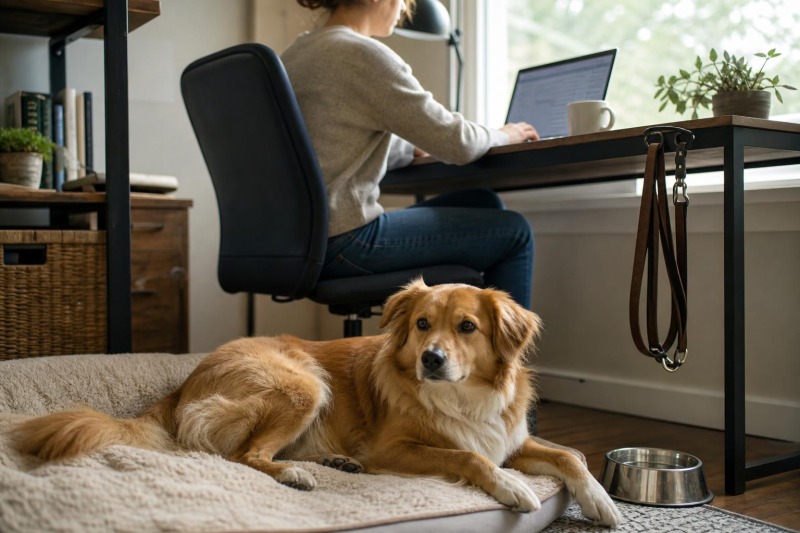
One mistake owners make is thinking a good dog should be active all day. In truth, a stable companion dog needs rest just as much as stimulation. By midday, many dogs benefit from a balance of a short potty break, a little engagement, and then quiet time. If you work from home, this is a good window for a brief training session. If you are away during the day, a dog walker, trusted family member, or dog-safe enrichment setup can help break up the hours.
Training in short sessions tends to work best. Five or ten focused minutes can produce better results than long, uneven lessons. Practice basic skills like recall, leash manners, place work, and calm greetings. For families interested in therapy dog or service dog foundations, these steady everyday behaviors matter more than flashy tricks. A dog that can settle quietly, walk politely, and remain attentive in ordinary settings is building the kind of reliability that serves many roles.
Mental Stimulation Without Chaos
Mental exercise is often overlooked in a companion dog routine. Food puzzles, scent games, and short problem-solving activities can do wonders for dogs that get bored easily. Still, there is a line between healthy stimulation and constant arousal. Not every game needs to rev the dog up. Some of the best midday activities are the quiet kind, like sniffing for hidden treats or chewing safely on an appropriate enrichment item while resting in a designated spot.
A dog that learns how to be calm is a pleasure to live with. That calmness does not usually fall from the sky. It is taught through repeated cycles of activity followed by rest, attention followed by quiet, and freedom balanced with clear expectations.
Evening Routine: Reconnecting After a Long Day
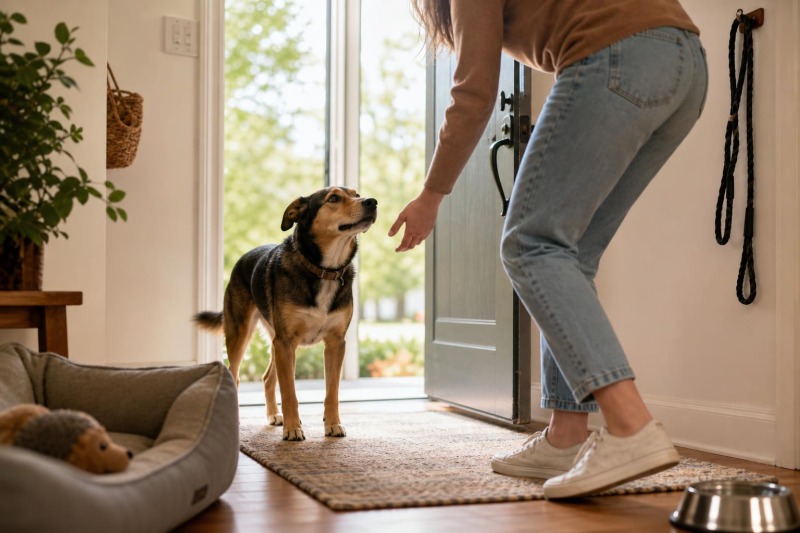
Evenings are when many households drift into disorder. People come home tired, schedules collide, and the dog feels the shift. This is exactly why the evening routine should be dependable. Your companion dog may have been waiting hours for connection, movement, and guidance. Give it those things in a steady order.
Start with an outdoor break and some form of exercise suited to the dog’s needs. This might be a neighborhood walk, light play in the yard, or a training-based outing where the dog practices focus around distractions. The goal is not to create a wild hour of excitement but to help the dog release energy and reconnect with you. If the dog has had a quiet day, this period becomes especially important.
Dinner should come at a fairly consistent time, followed by another bathroom opportunity. From there, the house should begin to slow. Companion dogs do well when they can feel that shift from daytime activity into evening peace. A settled family room, soft interaction, and a familiar resting place help many dogs wind down.
Creating Calm Before Bed
One of the finest habits you can teach a companion dog is how to settle in the evening without constant entertainment. That may mean lying on a bed near the family, chewing on something appropriate, or simply resting while people read or watch television. If a dog is always pushed from one exciting event to the next, it often struggles to switch itself off.
Before bed, give the dog one last bathroom break. Keep this final outing calm and predictable. Nighttime should signal rest, not another round of rough play. Over time, most dogs come to appreciate this gentle close to the day, and owners appreciate the quieter nights that follow.
Adjusting the Routine for Age, Breed, and Purpose
No two dogs need the exact same schedule. A puppy will need more frequent potty trips, shorter training sessions, and more supervision. An older companion dog may need gentler exercise, more rest, and careful attention to comfort. High-energy breeds often need more structured activity and mental work than low-key lap dogs. The key is not copying somebody else’s routine word for word. It is building one that fits the dog in front of you.
For people exploring therapy dogs or service dogs, this becomes even more important. Those dogs are not only companions; they may also be expected to remain composed in public or provide steady support in specific situations. That kind of reliability grows from a home life built on consistency. Daily routines teach dogs to regulate themselves, trust guidance, and recover well from stimulation.
Even rescue dogs with uncertain pasts can blossom under a reliable daily structure. There is comfort in predictability, for dogs and humans alike.
Common Mistakes in a Companion Dog Routine
A routine should be steady, but it should not feel harsh or joyless. One common mistake is confusing routine with rigidity. Life happens. There will be days when the walk runs late or dinner shifts a little. That is fine. What matters is the overall rhythm. Another mistake is relying on exercise alone while neglecting training and rest. A tired dog is not always a balanced dog. Some become fitter, wilder, and harder to settle if all they get is more physical output with no structure.
Inconsistent rules also create trouble. If a dog is allowed to jump on guests one day, then scolded for it the next, confusion follows. Companion dogs need clear boundaries delivered in a calm, fair manner. They should know where to rest, how to greet, when to wait, and how to settle. Routine is where those lessons take hold.
Building a Routine That Strengthens the Bond
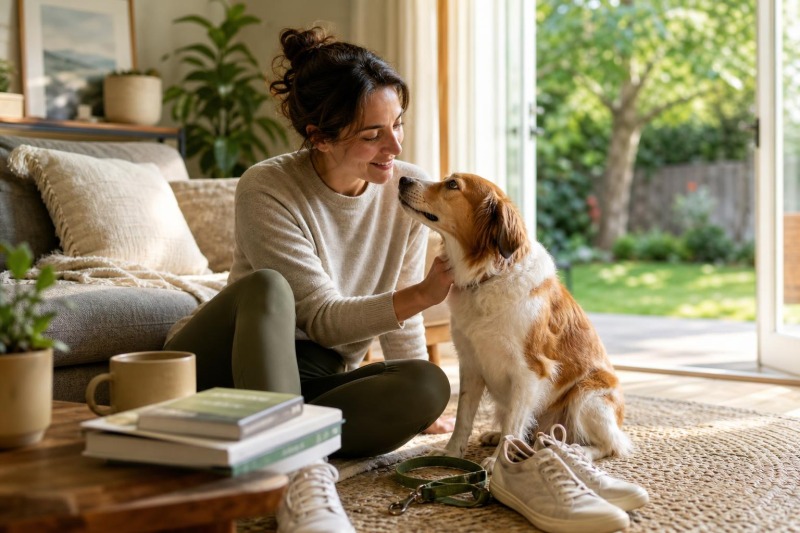
At its heart, a daily routine for companion dogs is not just a management tool. It is part of the relationship. Every feeding, walk, training repetition, and quiet evening together tells the dog something about your leadership and your reliability. Dogs notice who brings order, who provides comfort, and who can be trusted.
That kind of dog is shaped by daily living more than grand gestures. If you want a companion dog that is relaxed in the home, pleasant in public, and deeply bonded to you, begin with the ordinary pieces. Feed with consistency. Walk with purpose. Train in small honest doses. Make room for rest. End the day in peace.
Do that often enough, and you will not just have a schedule. You will have a dog that feels secure in your world, and that is the foundation of true companionship.