A service dog's veterinary care supports its health and welfare as well as its ability to work. Share the tasks and daily workload with the veterinarian when planning preventive care or assessing changes.
Folks new to the world of service dogs sometimes think veterinary visits are only for vaccines or emergencies. In the field, whether you are talking about a dog that guides, alerts, retrieves, braces, or helps with psychiatric stability, health maintenance is daily business. A service dog works through busy sidewalks, slick store floors, summer heat, winter cold, loud environments, and long stretches of concentration. That kind of life asks a lot from joints, paws, eyes, ears, heart, digestion, and nerves. Good veterinary care helps catch the little things before they become big problems.
Why Vet Care Matters More for a Working Service Dog
A service dog does not just need to be healthy enough to lounge around the house. He needs to stay physically sound and mentally balanced under pressure. A small limp, a tender ear, a cracked paw pad, or an upset stomach may look minor to an outsider, but any one of those can interfere with task performance. When a dog hesitates to move, loses focus, or avoids contact because of pain, his handler may lose critical support at the exact wrong moment.
Dogs are loyal that way. They do not always complain early. That means owners and handlers must stay ahead of trouble with regular veterinary exams and an eye for subtle changes. Preventive care is cheaper, kinder, and more practical than waiting until a dog is clearly in distress.
Routine Wellness Exams Build the Baseline
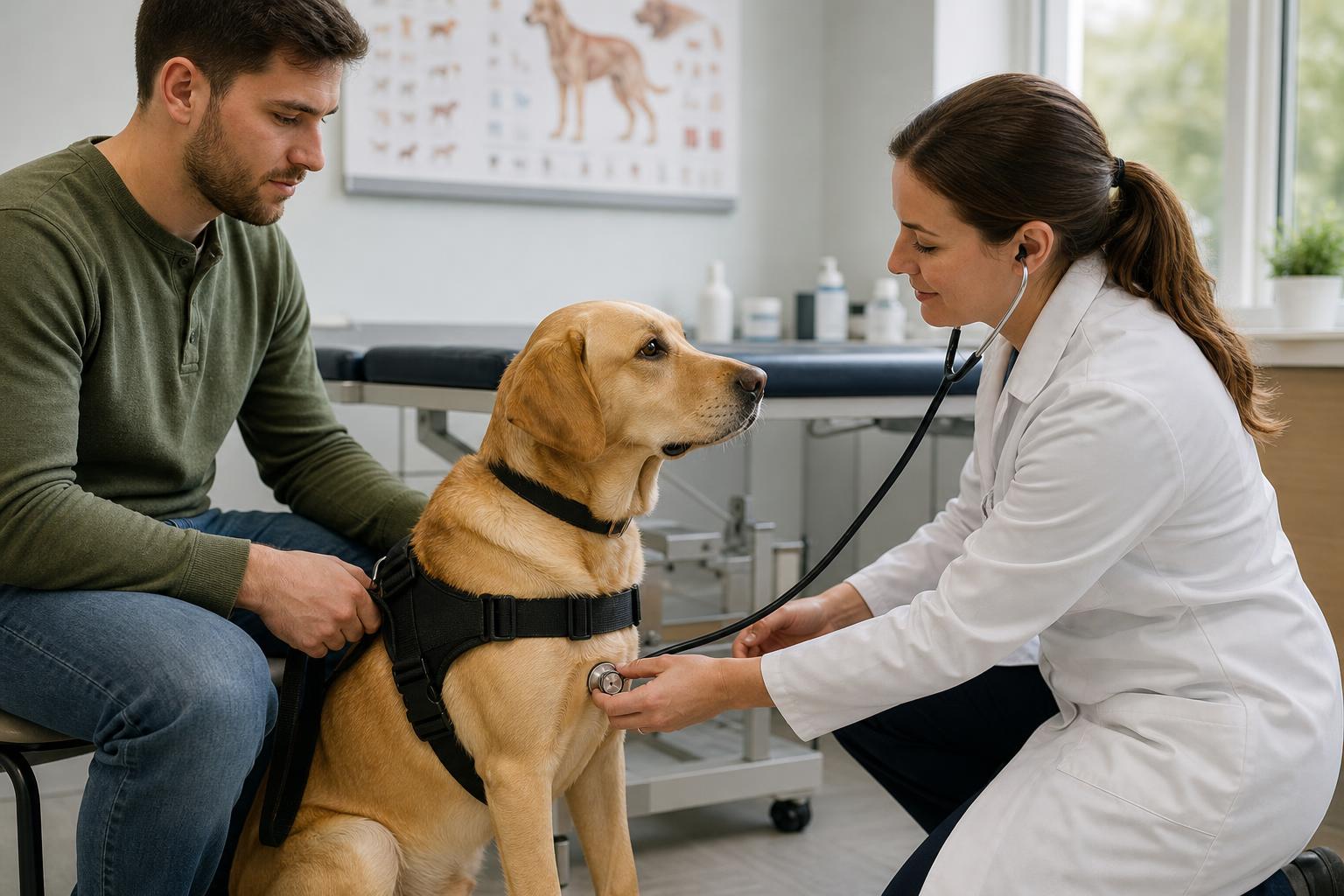
Every service dog should have consistent wellness exams, even when he seems fit as a fiddle. Those visits help establish a baseline for weight, mobility, heart function, dental health, skin condition, and overall body condition. Once a veterinarian knows what normal looks like for that specific dog, it becomes easier to detect changes early.
For most adult service dogs, a full veterinary checkup at least once a year is a reasonable standard. Many working dogs benefit from exams every six months, especially as they age or if they carry a heavy workload. Senior service dogs, large breeds, and dogs with prior orthopedic issues often need closer monitoring. Early arthritis, mild vision changes, allergies, and low-grade pain can creep in quietly. Catching those changes early can help extend a dog’s working life and improve comfort at home.
What a Vet Should Evaluate
A proper wellness visit for a service dog should go beyond a quick once-over. The veterinarian should assess gait, spine, hips, elbows, knees, nails, paw pads, and body condition score. Eyes and ears deserve close attention because so many tasks depend on awareness and responsiveness. Dental health matters too. A dog with tooth pain may become distracted, irritable, or reluctant to take rewards during training. Even digestive health matters more than people realize, because chronic stomach upset can throw off energy, hydration, and behavior.
If the dog performs mobility-related tasks, the vet should be aware of that workload. If the dog does alert work or psychiatric support, the clinician still needs to understand that stress tolerance, stamina, and daily function are part of the health picture. A veterinarian familiar with working dogs can often offer better guidance on conditioning, safe activity levels, and long-term joint support.
Vaccines, Parasite Prevention, and Public Access Readiness
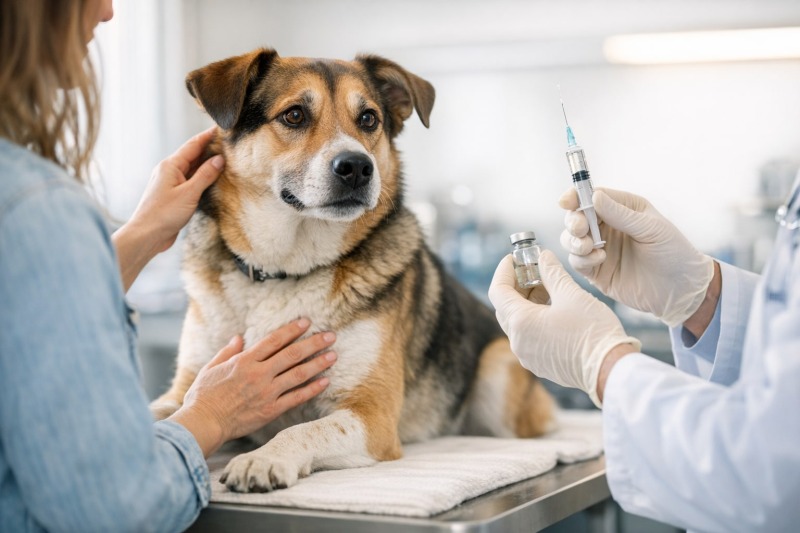
Service dogs go where many other dogs do not. They may travel frequently, enter public buildings, spend time on sidewalks, rest under restaurant tables, and encounter all sorts of environments. That exposure makes preventive medicine essential. Core vaccinations should always be kept current according to veterinary guidance and local law. Depending on region and lifestyle, non-core vaccines may also be recommended. Your veterinarian can tailor a vaccine plan based on risk, geography, and travel routine.
Parasite prevention is another piece that should never be overlooked. Fleas, ticks, intestinal parasites, and heartworms can sideline a working dog in a hurry. A dog scratching from flea bites, dragging from fatigue, or fighting parasite-related illness is not in working condition. Year-round prevention is often the safest route, particularly for dogs that move between indoor public spaces and outdoor areas on a regular basis.
There is also the plain matter of presentation. A healthy service dog should be clean, odor-free, and comfortable in public. Routine veterinary care supports that standard by keeping skin conditions, ear infections, and coat problems from taking hold.
Nutrition and Weight Control for Long-Term Performance
If you spend enough time around working animals, you learn that extra weight is a quiet thief. It steals endurance, strains joints, worsens heat tolerance, and increases the risk of injury. A service dog does not need to look bulky to be strong. He needs to be lean, fueled well, and built for steady performance.
A veterinarian can help determine ideal weight and body condition based on breed, age, workload, and medical history. Some service dogs burn more calories because they are constantly active and alert. Others may need careful calorie control because their work is mentally intense but not physically demanding. There is no one-size-fits-all feeding plan.
Nutrition also ties into skin quality, stool consistency, coat condition, and inflammation. Dogs with food sensitivities, chronic GI upset, or allergies may show signs that look behavioral at first. In reality, the dog may simply feel lousy. A strong veterinary partnership helps sort out whether food adjustments, supplements, or diagnostic testing are needed.
Protecting Joints, Paws, and Mobility
Many service dogs spend long hours walking on concrete, tile, asphalt, and other unforgiving surfaces. Those miles add up. Over time, repetitive strain can wear on joints and soft tissue, especially in larger breeds. Even a dog bred for soundness can develop soreness with age, poor footing, or overwork.
This is where proactive vet care earns its keep. Regular mobility assessments can uncover early arthritis, muscle imbalances, or subtle injuries before they become career-limiting. Some dogs benefit from joint supplements, rehabilitation exercises, controlled conditioning, or anti-inflammatory treatment. Others may need work modifications, better harness fit, or changes in how often they perform physically demanding tasks.
Paws deserve special respect too. Out in the field, a dog with damaged feet is done for the day. Service dogs are no different. Cracked pads, torn nails, burns from hot pavement, and irritation from de-icing chemicals can all affect performance. If a dog starts licking his feet, slowing down, or shifting weight, it is worth investigating early.
When to Consider Rehab or Specialist Care
There comes a time with some dogs when a general checkup is not enough. If a service dog shows repeated limping, difficulty rising, weakness, reduced task reliability, or signs of pain during movement, a rehabilitation vet or orthopedic specialist may be the right next step. Physical therapy, underwater treadmill work, laser therapy, and targeted strengthening can help many dogs recover function or maintain comfort for longer than owners expect.
That grit is admirable, but it can fool people into waiting too long. If your dog seems “off,” trust your gut and get him seen.
Dental, Eye, and Ear Health Are Working-Dog Essentials
People often overlook dental care because it does not seem directly tied to service work, but pain is pain. Infected teeth and gum disease can affect mood, appetite, and concentration. Regular dental checks and professional cleanings, when needed, can spare a dog from chronic discomfort that quietly undermines performance.
Eye health is just as important. Even a dog that does not do guide work depends on sight to navigate obstacles and read the world around him. Changes in vision can appear as hesitation, clumsiness, or anxiety in unfamiliar settings. Ear health matters too, especially for dogs that rely heavily on sound cues or alert work. Chronic ear infections can cause pain, head shaking, distraction, and balance issues.
Mental Health and Stress Load Matter Too
A service dog is a working partner, but he is still a dog. Constant public access, handler dependence, schedule changes, and high-alert situations can create stress over time. Veterinary care should include honest discussion about behavior changes, fatigue, sleep, appetite, and recovery time. Not every issue is a training problem. Sometimes a dog that seems less willing is dealing with pain, hormonal changes, digestive discomfort, or anxiety linked to health problems.
There is wisdom in knowing when to lighten a dog’s load. Sometimes the bravest and kindest call is adjusting workload, adding more rest, or planning retirement before a dog is completely worn down. A veterinarian can help guide those decisions with objectivity.
Emergency Planning for Service Dog Owners
Every handler should have a plan for urgent veterinary care. Illness and injury do not wait for a convenient hour. It pays to know the location of the nearest emergency clinic, keep medical records accessible, and have a basic understanding of your dog’s normal pulse, appetite, bathroom routine, and behavior. That way, when something changes fast, you are not making guesses in the dark.
Sudden limping, bloat symptoms, collapse, heat stress, vomiting, diarrhea, severe lethargy, breathing changes, eye injuries, and toxin exposure all deserve prompt attention. Working dogs often press on longer than they should, so by the time symptoms are obvious, the issue may already be serious.
Choosing the Right Veterinarian for a Service Dog
The best veterinarian for a service dog is one who listens closely and respects the dog’s role. You want someone who understands that the dog is not just a pet with a cute vest. He is medical support, daily assistance, and in many homes, a lifeline. That does not mean the vet has to specialize only in service dogs, but it helps if they appreciate the physical and emotional demands involved.
A strong vet-client relationship makes everything easier. It encourages earlier reporting, better follow-through, and more tailored care. If your veterinarian knows your dog’s work style, age, temperament, and history, they can offer better recommendations on exercise, weight, preventive medicine, pain management, and retirement timing.
The Real Goal: A Longer, More Comfortable Working Life
Vet care for service dogs comes down to stewardship. These dogs give people freedom, safety, confidence, and calm in places where life can feel mighty uncertain. They deserve more than the bare minimum. They deserve thoughtful, regular care that protects their health before problems knock them sideways.
Maybe it is a slower rise in the morning, a shorter stride, a softer appetite, or a look in the eyes that says today is harder than yesterday. Veterinary care helps you hear that truth early and answer it with action. When you stay ahead of illness, support the body, and respect the wear that comes with honest work, you give that service dog the best chance to stay strong, comfortable, and ready for whatever the day brings.