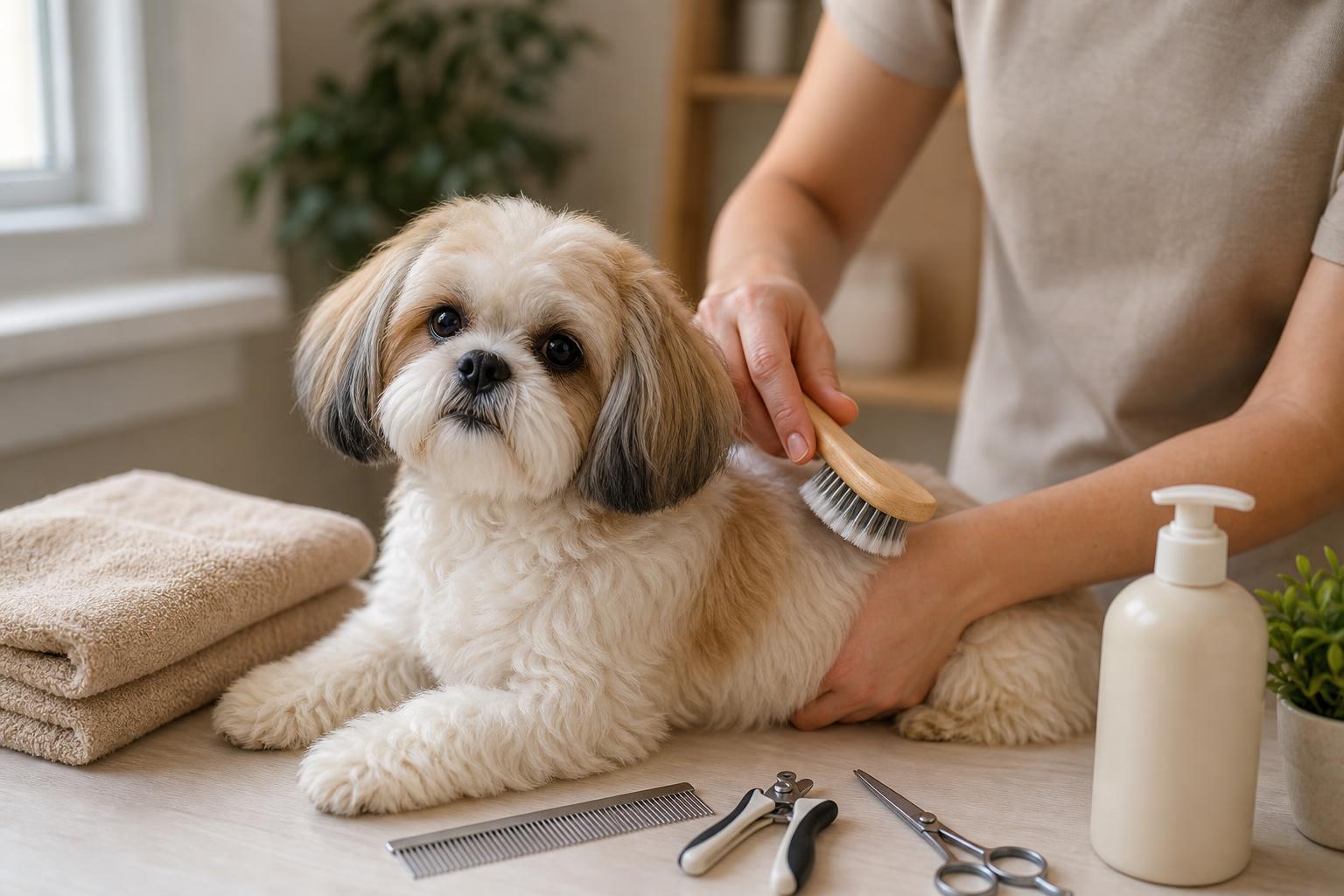
A manageable grooming routine suits the dog's coat and comfort, as well as the owner's schedule. Short sessions and gradual handling practice can make routine care easier to maintain.
Small dogs often fool people into thinking they are easier to maintain because there is simply less dog to handle. In truth, little dogs can come with their own set of grooming challenges. Their coats mat quickly, their nails can overgrow before you notice, and their ears, teeth, and skin need regular attention. A small dog that is brushed, cleaned, and handled often is usually calmer and more confident than one that only sees a brush when things have already gone wrong.
That matters for companion dogs at home, and it matters even more for therapy and service dogs who spend time in public where cleanliness and presentation matter.
Why Regular Grooming Matters for Small Dogs
Good grooming is part maintenance and part inspection. Every time you brush your dog, wipe down paws, or trim nails, you get a chance to notice burrs, sore spots, dry skin, fleas, lumps, or signs of discomfort. Small dogs are close to the ground, and they collect dust, debris, grass seeds, and all sorts of trouble in ways many owners do not expect. Long-haired breeds can hide skin issues under a soft coat, while short-haired dogs may seem low-maintenance until dry skin, shedding, and dirty nails start to show.
For therapy dogs, grooming also affects how people receive them. A clean, fresh-smelling dog with a soft coat and neatly trimmed nails is easier for strangers to welcome. For service dogs, regular grooming supports hygiene in stores, clinics, offices, and other public settings. For companion dogs, it simply makes life more pleasant. Fewer tangles on the couch, fewer dirty paws on the blanket, and fewer surprises when you run a hand down your dog’s back.
Start with the Right Grooming Routine
The best grooming routine is one you can stick to. A small dog usually benefits from brief, regular sessions instead of long, stressful ones once every few weeks. Five or ten minutes here and there can save you from wrestling with mats, overgrown nails, and a dog that has learned to hate being handled.
Set your dog up on a secure surface, keep your tone easy, and handle the feet, ears, tail, and mouth gently from the beginning. Many small dogs are picked up often, but not all of them are truly accustomed to being calmly examined. There is a difference. Grooming should feel like a normal part of life, not a surprise ambush. When done right, it becomes a kind of quiet routine the dog comes to trust.
Brushing the Coat Before Trouble Starts
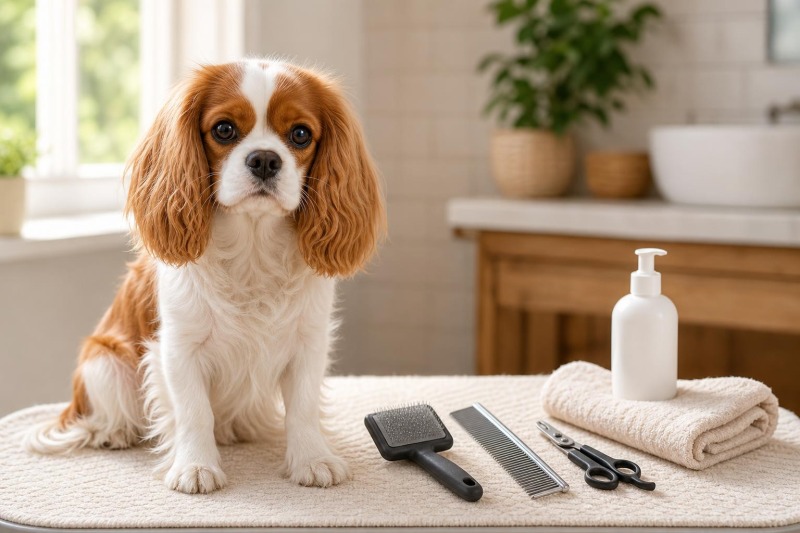
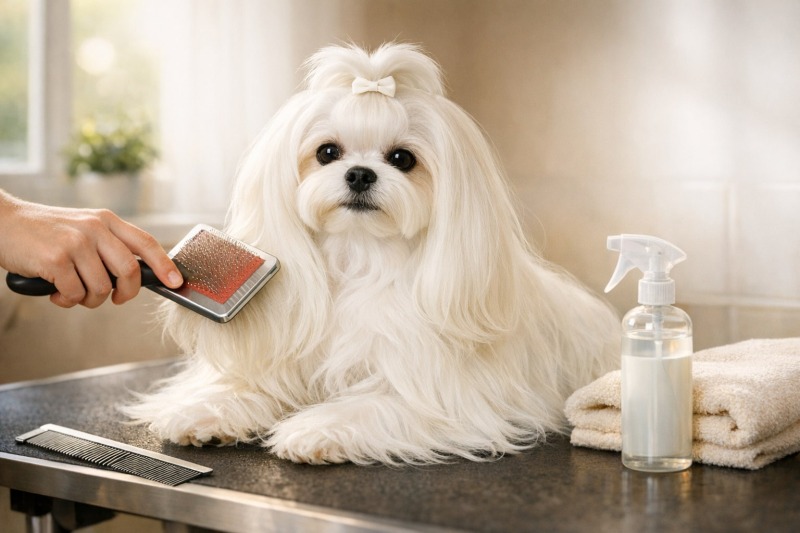
Brushing is the backbone of small dog grooming. The exact tool depends on the coat. A slicker brush works well for many long-haired and fluffy small breeds, while a bristle brush or grooming mitt may suit shorter coats. A metal comb is worth its weight in gold for finding tangles the brush misses, especially behind the ears, under the collar, under the legs, and around the tail.
If you wait until the coat is visibly tangled, you have waited too long. Mats pull on the skin, trap dirt, and can become painful fast. Brush down to the skin in layers, especially on thick-coated dogs, and take your time. Never rake at a mat in frustration. Use a detangling spray if needed and work it apart gently.
Short-haired small dogs need brushing too. A quick pass once or twice a week helps remove loose hair, spreads natural oils, and keeps the coat looking healthy. It also gives you the chance to inspect the skin for redness, flaking, bites, or irritation.
Bathing Without Overdoing It
One of the most common mistakes owners make is bathing too often or using harsh products. Small dogs do not need constant scrubbing unless their lifestyle calls for it. A companion dog that mostly lives indoors may only need an occasional bath, while a therapy dog making regular visits or a service dog out in public daily may need more frequent cleaning. The key is balance.
Use a dog-specific shampoo that matches your dog’s skin and coat type. If the skin tends to be dry or sensitive, choose something gentle and moisturizing. Wet the coat thoroughly, rinse even more thoroughly than you think necessary, and make sure no soap is left behind. Residue causes itching, and itching leads to scratching, licking, and skin trouble.
With small dogs, drying matters just as much as bathing. Damp coats can tangle, hold odor, and irritate the skin. Towel dry first, then use a pet-safe dryer on a low, calm setting if your dog tolerates it. If not, keep the dog warm until fully dry. Pay extra attention to the feet, underarms, belly, and feathering on the legs where moisture likes to linger.
Nail Care Is Not Optional
If there is one grooming task too many owners put off, it is nail trimming. A small dog’s nails can grow long before you notice, especially if the dog spends most of its time indoors or on soft ground. Long nails affect posture, put stress on the feet and legs, and can make walking uncomfortable. For therapy and service dogs, long nails also click loudly on floors and can scratch delicate skin during visits or tasks.
Trim a little at a time and get your dog used to having each foot handled. If your dog has dark nails and you cannot easily see the quick, go slowly. There is no shame in asking a groomer or veterinarian to show you where to cut. Better a careful trim than a bad one that teaches your dog to fear the process. Regular trimming keeps the quick shorter over time, which makes future trims easier.
Do Not Forget the Paw Pads
Small dogs carry a lot on those little feet. Dirt packs between the toes, fur mats around the pads, and in rough weather the skin can crack or become tender. Check the paws often, especially after walks, outdoor play, or travel. Trim excess hair around the pads if it gets slippery or traps debris. Wipe paws after outings, particularly for therapy and service dogs that enter homes, facilities, or public buildings.
In winter, salt and de-icing chemicals can irritate the pads. In summer, hot pavement can do the same. A quick paw check can save your dog a fair bit of misery. It is one of those small habits that seasoned dog folks do without thinking, because they know a dog with sore feet is a dog that cannot move or work comfortably.
Ear, Eye, and Face Care
Many small dogs need regular face care, especially breeds with longer facial hair or prominent eyes. Tear staining, trapped food around the mouth, and moisture around the eyes can all become problems if ignored. Use a soft, damp cloth to gently clean the face and keep the hair around the eyes trimmed enough that the dog can see clearly and comfortably.
Ears deserve steady attention too. Floppy-eared small dogs and dogs with hair growing inside the ear canal may be more prone to buildup and irritation. Look for redness, strong odor, dark wax, or signs your dog is scratching and shaking its head. Clean only with a vet-approved ear cleaner and never push deep into the ear. If something seems off, get it checked. Ear trouble can go from mild to miserable in a hurry.
Dental Care Is Part of Grooming Too
Small dogs are famous for dental issues, and it does not take many years for neglected teeth to catch up with them. Bad breath is often the first warning owners shrug off, but tartar, gum irritation, and loose teeth can become serious. Brushing your dog’s teeth regularly with dog-safe toothpaste is one of the best things you can do for long-term health.
This is especially important for companion and working dogs that spend time close to people. A clean mouth means more comfort for the dog and a better experience for everyone around them. Start slowly, be patient, and make it part of your regular routine rather than an occasional afterthought.
When to Use a Professional Groomer
There is no prize for doing every bit of grooming yourself if the result is a stressed dog and a coat in poor shape. Some small dogs, especially those with high-maintenance coats, benefit greatly from a skilled professional groomer. A good groomer can keep the coat manageable, trim sanitary areas neatly, shape the feet, and help maintain a clean, comfortable look that is practical for everyday life.
That is often a smart choice for therapy dogs and service dogs who need to stay especially polished. You can still do the in-between work at home with brushing, paw care, nail checks, and daily hygiene. Think of it like keeping a rifle clean between seasons. Regular upkeep matters, but sometimes a deeper once-over by practiced hands is worth every penny.
Make Grooming a Calm, Positive Habit
The best-groomed small dogs are usually not the ones with the fanciest products. They are the ones whose owners built a routine and stuck with it. Start young if you can, but even older dogs can learn. Keep sessions short when needed, reward calm behavior, and stop before frustration takes over. A little consistency goes a long way.
If you are hurried, rough, or uncertain, the dog knows it. If you are steady and calm, that settles into them over time. Grooming becomes less of a chore and more of a check-in, a few quiet minutes where you care for the animal that trusts you to keep life in good order.
Grooming tips for small dogs are really about more than appearance. They are about comfort, health, confidence, and readiness. A clean coat, trimmed nails, healthy ears, and cared-for paws make a difference you can see in how a dog moves, rests, and engages with the world. For companion dogs, that means a happier life at home. For therapy and service dogs, it means being ready to work in a way that reflects well on both dog and handler.
Take the time to learn your dog’s coat, skin, and habits. Build a routine that fits your life and your dog’s needs. Stay ahead of the tangles, the nails, the dirt, and the small issues before they turn into bigger ones. That is the kind of dog care that stands the test of time, whether you are headed down a wooded trail, into a care facility, or just back home to the porch at day’s end.