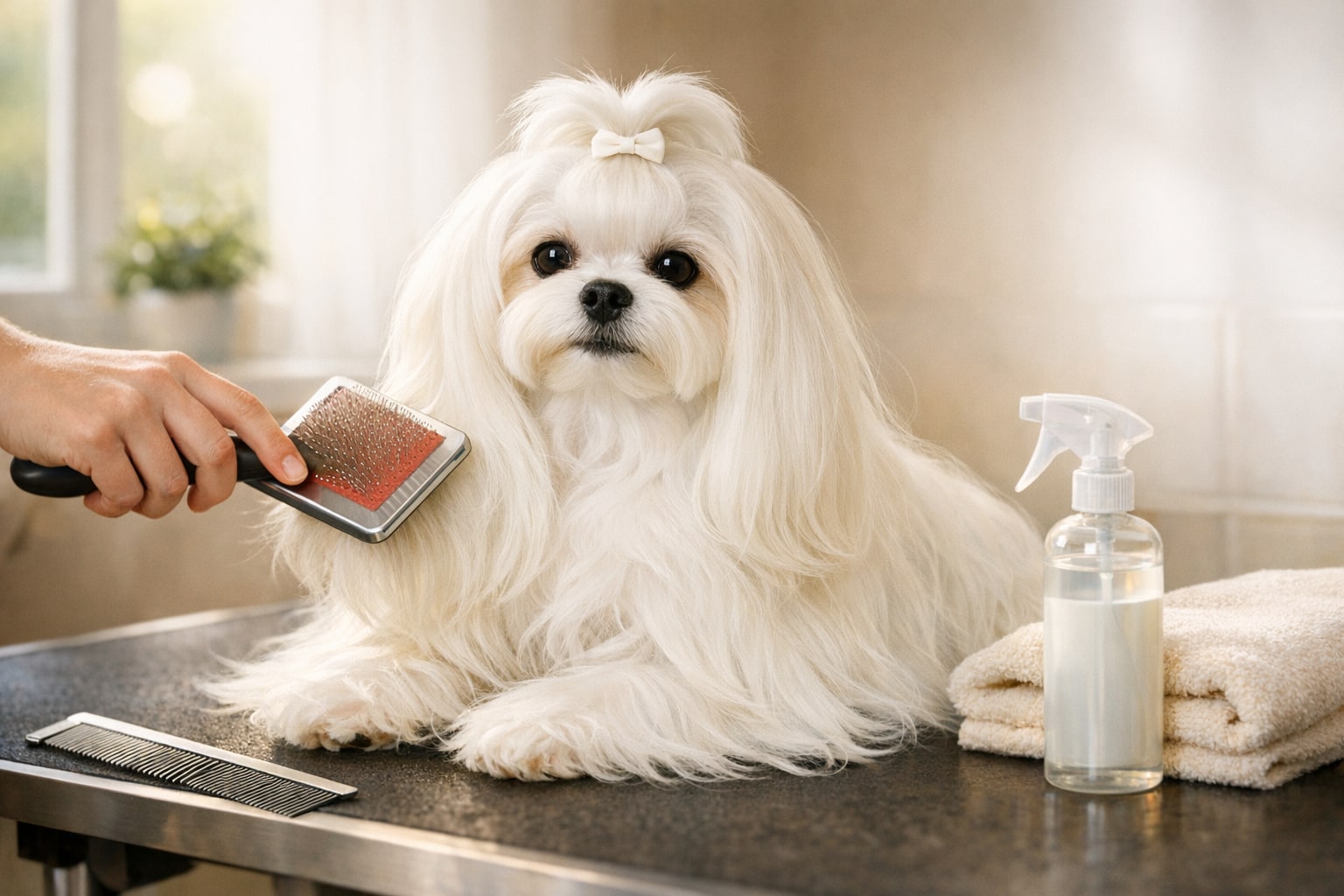
Long coats need a grooming plan that prevents tangles while keeping handling tolerable for the dog. Coat texture, skin condition, and the dog's comfort determine the useful tools and schedule.
If you are learning about companion dogs, therapy dogs, or service dogs, grooming matters for far more than looks. A clean, well-kept coat supports skin health, comfort, mobility, and confidence. For dogs working in therapy settings or assisting handlers in daily life, regular grooming also helps them stay pleasant to touch, easy to manage, and presentable in public. Long-haired toy breeds are small, but they need steady hands and a steady routine.
Why Grooming Long-Haired Toy Breeds Matters
Small dogs live close to us. They curl up on laps, ride in carriers, visit care homes, rest at our feet, and in some cases provide emotional support or practical assistance. Because they live in such close contact, coat condition becomes more than a cosmetic issue. Mats can pull at the skin and cause pain. Damp fur around the mouth can lead to odor and irritation. Hair around the eyes can block vision or trap discharge. Hair packed between the paw pads can make a tiny dog slide across smooth floors like a skiff on ice.
That is especially important if your dog is being prepared for therapy work or already serves as a dependable companion in public settings. People notice grooming. More importantly, the dog feels the difference. A coat that is brushed, clean, and free from painful tangles allows the dog to move naturally and remain calm when being handled. A dog that is physically comfortable handles the world with more patience.
Understanding the Coat You Are Working With
Not all long-haired toy breeds carry coat the same way. A Maltese has a very different texture from a Pomeranian. A Havanese coat behaves differently than a Cavalier King Charles Spaniel. Some coats are silky and prone to breakage. Some are thick and cottony, catching every burr, bit of grass, and household dust bunny they pass. Others carry a dense undercoat that sheds into the longer topcoat and creates hidden knots close to the skin.
The mistake many owners make is grooming only what they can see. The top layer may look tidy while the coat underneath is packing into mats behind the ears, in the armpits, at the collar line, and around the tail base. You have to work with your hands as much as your eyes. That tells the truth faster than a glance ever will.
The Trouble Spots Most Owners Miss
Even careful dog owners tend to miss the same places. Friction zones mat first. The harness rub area, the chest, under the front legs, the belly, and the hindquarters all deserve attention. If your little dog wears sweaters in cold weather, that adds another source of tangles. Tear staining around the eyes and moisture around the mouth can also turn clean hair into a sticky mess if ignored for too long.
Building a Grooming Routine That Works
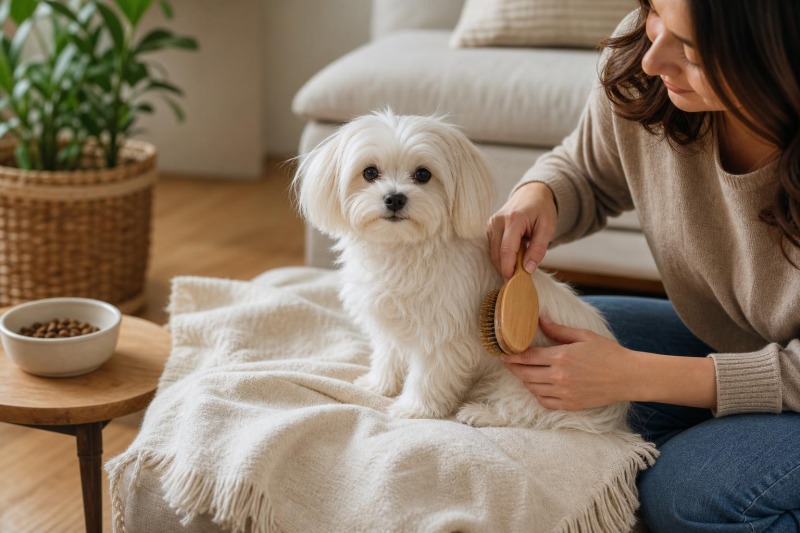
The best grooming routine is not the fanciest one. It is the one you can keep. Long-haired toy breeds usually need brushing several times a week, and many benefit from a light daily session. That sounds like a lot until you realize a proper ten-minute brushing today can save you from an hour of dematting later.
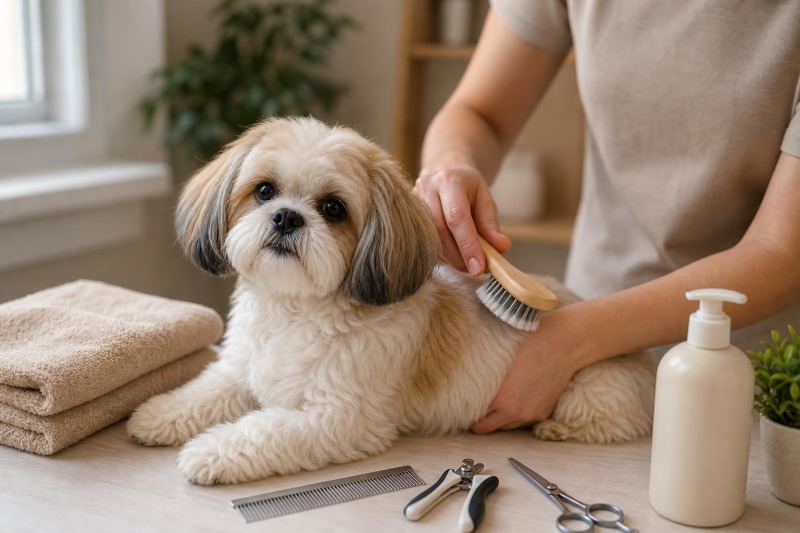
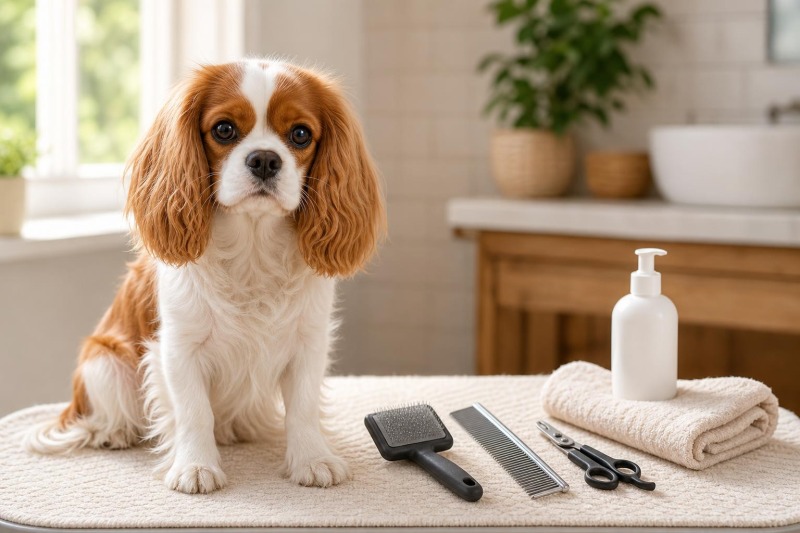
Start with a calm setting and a dog that is not wound up. A grooming table is handy, but a towel on a stable counter or bench can do the job if you are careful. Use a soft slicker brush, a metal comb, and a gentle detangling spray suited for dogs. Brush in sections, lifting the hair and working from the skin outward rather than skimming over the surface. Finish each section with a comb. If the comb does not pass through easily, the area is not truly brushed out.
That last step matters. Plenty of coats look smooth after a quick brushing, but the comb catches what the brush slides over. For long-haired toy breeds, the comb is your proof of work. It helps you find small knots before they tighten into dense mats.
Getting Puppies Comfortable with Grooming
If you are raising a toy breed puppy as a future therapy dog, service dog, or steady companion, early grooming practice pays off for years. Keep sessions short and positive. Handle the feet, ears, tail, and muzzle gently. Let the puppy learn that brushes, combs, nail trims, and baths are ordinary parts of life. A dog that panics at basic grooming will struggle in many other forms of handling too, and that can carry over into veterinary care and public access work.
Bathing Without Damaging the Coat
Bathing a long-haired toy breed is useful, but only if you do it in the right order. Never bathe a matted dog unless you are prepared to make those mats tighter. Brush and comb first. Once the coat is free of tangles, use lukewarm water and a mild dog shampoo chosen for the coat type and skin condition. Follow with a conditioner if the coat tends to dry out or tangle easily.
Rinse thoroughly. Residue left in the coat can cause itching, dullness, and more tangling. After the bath, blot the coat with a towel instead of rubbing it around wildly. Rubbing creates snarls in a hurry. If your dog tolerates it, a low-heat dryer while brushing can keep the coat straighter and help prevent curls from setting into knots. For many toy breeds, air drying is what leads to those sneaky mats tucked close to the skin.
A clean coat is easier to brush than a dirty one, but overbathing can strip natural oils. For most long-haired toy breeds, a bath every few weeks works well, adjusted for lifestyle, skin sensitivity, and how much coat maintenance the dog receives in between.
Trimming, Sanitation, and Practical Maintenance
You do not have to keep every long-haired toy breed in full flowing coat. In fact, many companion homes are better served by a practical trim. A shorter pet cut can reduce daily brushing time and keep the dog more comfortable, especially in warm climates or busy households. There is no shame in choosing function over pageant polish. A dog that is neatly trimmed and well maintained is better off than one dragging around an impressive coat full of knots.
Pay close attention to sanitary areas, paw pads, and the hair around the eyes. Clear vision matters for confidence and safe movement. Clean feet matter for traction and cleanliness. If the dog is a therapy dog visiting schools, hospitals, or senior living facilities, tidy grooming also helps maintain a professional, welcoming appearance.
Many owners can manage brushing, bathing, and basic touch-up work at home, but a skilled professional groomer is worth every penny if you are unsure. A good groomer can also help you choose a coat length that fits your schedule and your dog’s role in the home.
Common Grooming Mistakes to Avoid
The biggest mistake is waiting until the coat is already in trouble. Mats do not appear overnight. They build one missed session at a time. Another common error is using the wrong tools or brushing too roughly. Toy breeds have delicate skin, and harsh handling can make them dread grooming.
Skipping nails is another problem. Grooming is not just coat care. Overgrown nails change the dog’s posture and can make walking uncomfortable. Ears need checking, especially in breeds with hair growth around the ear canal. Teeth matter too. A pretty coat does not help much if the dog has painful dental disease. Full grooming means looking after the whole dog.
Grooming and the Well-Being of Companion, Therapy, and Service Dogs
A well-groomed dog is easier to live with, easier to handle, and often happier in its own skin. For companion dogs, grooming strengthens trust through regular hands-on care. For therapy dogs, it supports cleanliness and comfort in close public interaction. For service dogs, even small ones trained for specific assistance tasks, grooming helps preserve working readiness and daily comfort.
A brush session tells you if the skin is dry, if a lump has appeared, if the ears are warm, if the dog is sore, or if something just feels off. Grooming slows you down enough to notice changes early. That alone makes it worth doing right.
Long-haired toy breeds bring beauty, heart, and a good deal of personality into a home. They also bring a standing invitation to stay on top of coat care. If you approach grooming as a regular part of responsible dog ownership rather than a chore saved for emergencies, life gets easier for both of you. Keep your routine steady, your tools simple, and your expectations practical. Whether your dog is a lap companion, a future therapy partner, or a small service dog helping someone through the day, proper grooming is part of good care.
The goal is not perfection. The goal is a dog that can see clearly, move freely, rest comfortably, and meet the world without carrying a coat full of pain and trouble. That is a standard any good dog owner can be proud of.