Caring for a toy dog involves practical adjustments to feeding, handling, equipment, and household safety. Small size makes accurate observation and appropriately fitted supplies especially useful.
On a cold morning in camp country, you learn fast that the smallest creature often works hardest to hold onto warmth, energy, and confidence. Toy breeds are much the same. Their bodies burn fuel quickly, their bones are more fragile than many first-time owners realize, and their size puts them at risk in ways larger dogs rarely face. At the same time, many toy dogs are bright, devoted, and deeply bonded to their people. Handled well, they can become steady companions with excellent manners and surprising grit.
Understanding the Needs of Toy Breeds
Toy breeds include dogs such as Chihuahuas, Pomeranians, Yorkshire Terriers, Maltese, Shih Tzus, Cavalier King Charles Spaniels, and similar small-framed companions. Though each breed carries its own temperament and care requirements, most share a few common traits. They need careful handling, regular feeding routines, close supervision around children and larger pets, and training that builds confidence instead of fear. That last point matters more than people think. A toy dog that feels overlooked or pressured can turn nervous, reactive, or clingy in short order.
Small size also means small margin for error. A missed meal can hit harder. A jump from a couch can end in injury. A poorly fitted harness can strain a neck or chest. Owners who do best with toy breeds are the ones who pay attention to details and build calm, predictable routines.
Why Routine Matters So Much
With larger dogs, you can sometimes get away with a little inconsistency and smooth things over later. Toy breeds are less forgiving. Regular feeding times, bathroom breaks, sleep patterns, and short training sessions help them feel secure. This is especially important if your goal is to raise a dog suited for emotional support, therapy settings, or close companion work. Stability at home lays the foundation for confidence in the wider world.
Feeding Toy Breeds the Right Way
One of the most important parts of caring for toy breeds is feeding them correctly. Their stomachs are small, but their nutritional needs are not. High-quality dog food made for small breeds is often the best place to start because the kibble size is easier to manage and the nutrient balance is designed for smaller bodies and faster metabolisms. Puppies, especially, may need more frequent meals to maintain blood sugar. That is not something to take lightly. Some toy breed puppies can become weak or shaky if meals are skipped or delayed too long.
As adults, many toy breeds still do better with measured portions and a watchful eye on weight. It does not take much extra food for a six-pound dog to become overweight, and carrying extra pounds on a tiny frame can strain joints, worsen breathing issues, and shorten overall quality of life. Treats should be used with purpose. If you are training, use tiny pieces. Dogs do not count size the way we do. They care about timing and consistency far more than volume.
Fresh water should always be available, and if your dog is especially tiny, elderly, or medically fragile, it is wise to talk with your veterinarian about meal timing, calorie needs, and signs of low blood sugar. Good feeding habits are not fancy, but they can save you a world of trouble.
Protecting Fragile Bodies Without Raising a Fragile Mind
This is where many owners get turned around. Toy breeds need physical protection, yes, but they do not need to be treated like they are made of glass every waking minute. If you carry them everywhere, shield them from every sound, and never let them work through small challenges, you may end up with a dog that startles easily and falls apart under pressure. The trick is to protect the body while strengthening the mind.
Use ramps or pet steps if your dog is allowed on furniture. Avoid rough play with larger dogs unless you know both dogs very well and can supervise closely. Teach children how to sit on the floor and let the dog come to them rather than grabbing or lifting. Use a harness instead of attaching a leash to a collar, especially for breeds prone to tracheal issues. And keep a close eye outdoors. A gap in a fence that would not matter to a Labrador might as well be an open gate to a toy dog.
At the same time, let them explore safely. Let them sniff, solve problems, learn cues, and walk on their own four feet. Confidence grows through experience, not overprotection.
Household Hazards Owners Often Miss
Small dogs can slip behind recliners, underfoot in the kitchen, or into spaces around doors and gates before you know it. In homes with toy breeds, awareness becomes part of the daily rhythm. Watch rocking chairs, dropped food, dangling cords, and unsecured balconies. The smaller the dog, the more ordinary hazards become serious hazards.
Training Toy Breeds for Good Manners and Real Confidence
Folks often excuse poor behavior in small dogs because the damage seems minor. A yapping Chihuahua gets laughed off where a lunging shepherd would be corrected right away. That is a mistake. Toy breeds need training just as much as any hunting dog, stock dog, or family guardian. Maybe more, because the world presses on them harder.
Start with basic obedience and household manners. Teach your dog to come when called, settle quietly, walk politely on leash, wait at doors, and accept handling. Keep sessions short, upbeat, and consistent. Small dogs can learn fast when the lessons are clear and fair. Use reward-based methods, but do not confuse kindness with softness. A dog feels safest when the rules make sense.
Socialization matters too, but it should be thoughtful, not chaotic. The goal is not to flood your toy breed with noise, strangers, and strange dogs all at once. The goal is to introduce the world in manageable pieces so the dog learns that new things are normal and not threatening. That steady exposure is especially important if you hope your dog will serve as a calm companion in public spaces or visit people in therapy settings someday.
Grooming and Dental Care for Toy Breeds
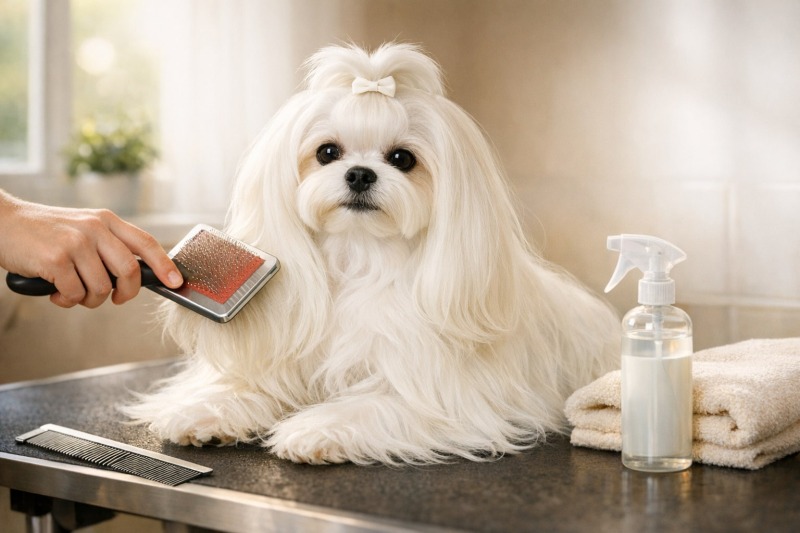
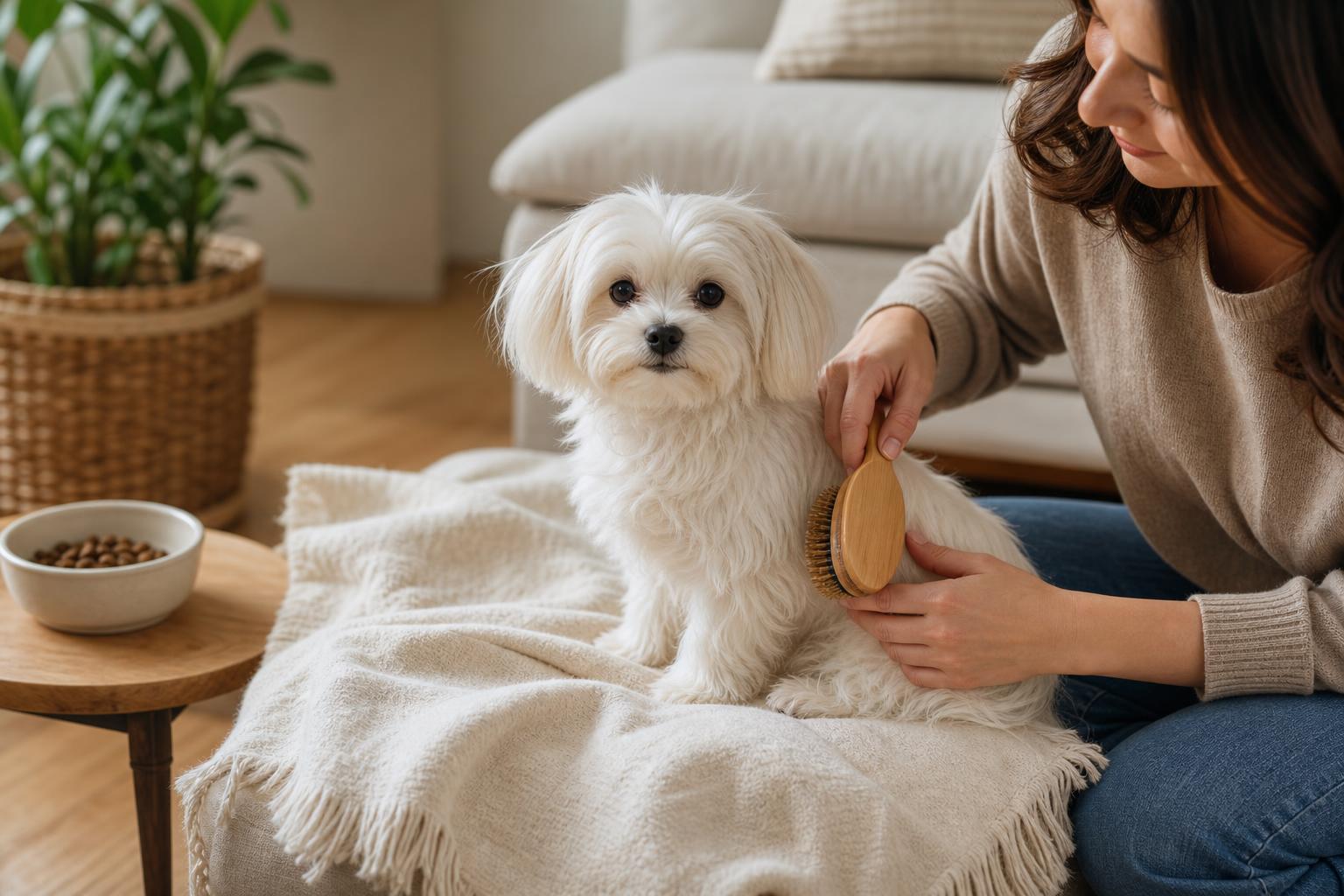
Toy breeds often need more grooming than people expect. Long-coated breeds mat quickly, and even short-coated dogs benefit from regular brushing to distribute oils, reduce shedding, and help you spot skin trouble early. Ears should be checked, nails trimmed, and eyes kept clean if your breed is prone to tear staining or discharge. Grooming is not just cosmetic. It is part of health care.
Dental care deserves special attention. Small dogs are well known for dental disease, crowded teeth, and tartar buildup. If you let that slide, it can lead to pain, bad breath, gum infection, and broader health complications. Brush your dog’s teeth regularly with a dog-safe toothpaste, offer veterinarian-approved dental support, and schedule professional cleanings when needed. A toy breed with a painful mouth may stop eating well, become irritable, or seem withdrawn, and owners sometimes miss the cause because the signs can be subtle at first.
Exercise and Enrichment for Small Dogs
Because toy breeds do not need miles of hard running, people sometimes assume they do not need real exercise. That is another easy misstep. Most toy dogs need daily movement and mental stimulation to stay balanced. A short walk, a little indoor play, some scent games, and a few minutes of training can go a long way. It is less about distance and more about regular engagement.
For a toy breed, the job may be learning to settle on a mat, greeting visitors calmly, finding hidden treats, or accompanying you through a predictable routine. Purpose steadies a dog. That is one reason some small breeds can do beautifully as companion animals and, in the right case, as therapy dogs. They do not need to be large to be useful. They need to be sound, willing, and well prepared.
Health Concerns to Watch in Toy Breeds
Toy breeds can be long-lived, but they are not free from health concerns. Owners should be aware of dental disease, luxating patella, collapsing trachea, heart issues in some breeds, low blood sugar in young puppies, and sensitivity to cold. Keep routine veterinary visits on schedule and do not shrug off small changes. A slight limp, a skipped meal, coughing, unusual tiredness, or a sudden change in behavior may be the first sign of a real issue.
Preventive care matters. Vaccinations, parasite prevention, weight management, and early screening all help protect a small dog whose body has less room to absorb neglect. If you are choosing a puppy, work with a responsible breeder who health tests and prioritizes temperament. If you are adopting, ask questions about medical history and observe how the dog handles touch, noise, and new surroundings.
Toy Breeds as Companion, Therapy, and Service-Oriented Dogs
Not every toy breed is suited for every role, and it is important to be honest about that. Many toy dogs make outstanding companion dogs because they bond closely, adapt well to apartment living, and thrive on human connection. Some also do very well in therapy work when they have the right temperament: calm, social, resilient, and comfortable being handled by different people. Service work is more limited by size depending on the tasks required, but small dogs can still assist with certain alert-based or support roles when individually qualified and properly trained.
The common thread is temperament. You cannot force steadiness into a dog that is fearful by nature or poorly socialized from the start. What you can do is choose wisely, train patiently, and care for the dog in a way that builds trust. That is the heart of it, whether the dog sleeps on your lap, visits a hospital, or helps you through the routines of daily life.
Caring for toy breeds is a game of close observation and quiet consistency. You feed with care, train with intention, protect without smothering, and remember that a little dog is still a dog. Do that well, and you will often get a companion of uncommon loyalty and spirit. That kind of heart deserves proper care.
If you are considering a toy breed for companionship, therapy work, or a support role in your everyday life, take the decision seriously. Choose the dog with your eyes open, build good habits from day one, and respect the needs that come with that small frame. In return, you may find yourself with one of the finest little partners a person could ask for.