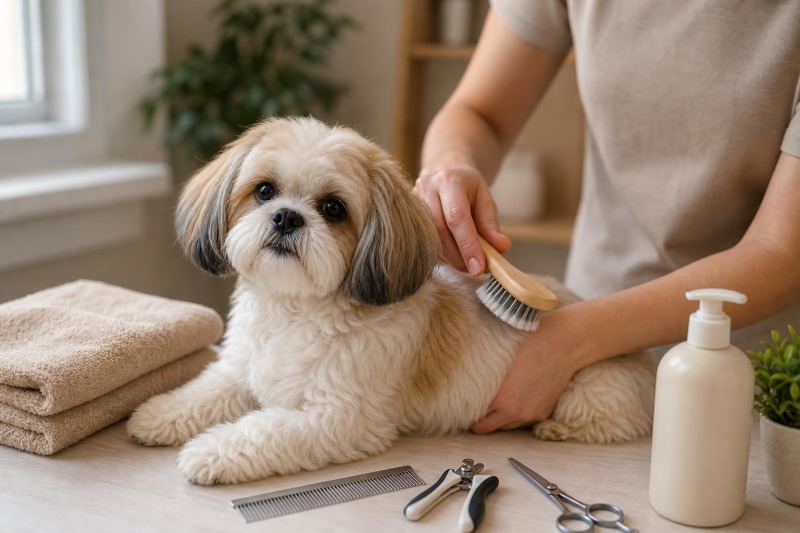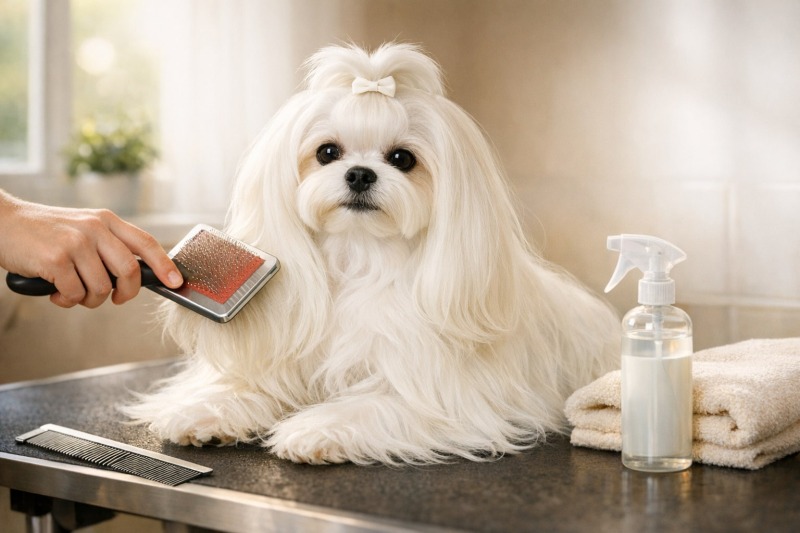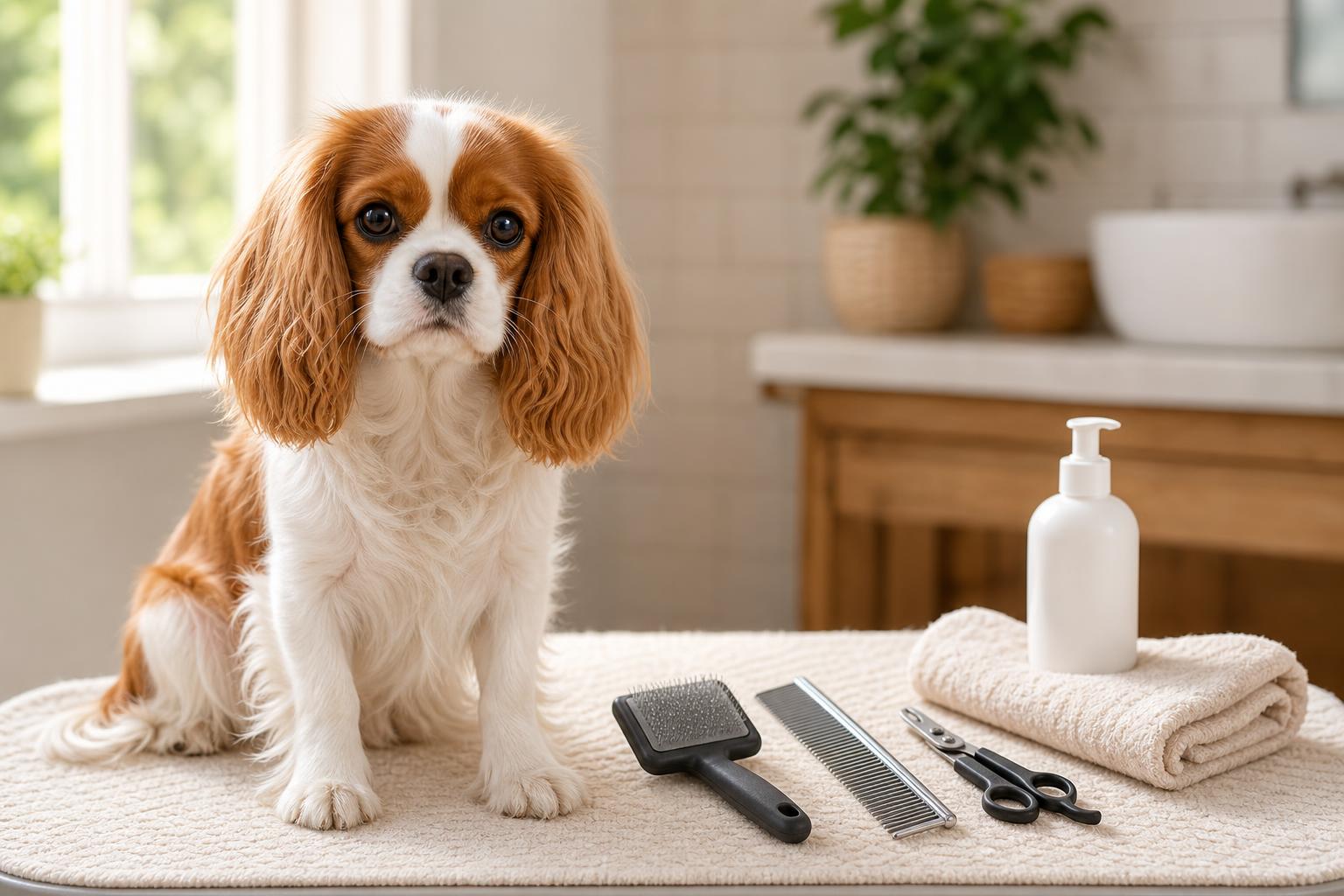
Useful grooming tools depend on coat texture, skin condition, and the dog's tolerance of handling. A small, workable kit is better than equipment chosen without a clear purpose.
A clean, well-kept dog is not only easier to live with, but easier to handle in public, easier to train, and often happier in its own skin. For therapy dogs and service dogs, grooming is tied to function. A matted coat, overgrown nails, or irritated ears can turn a calm working dog into a distracted one. For companion dogs, regular grooming builds trust and catches problems early. That is backward thinking. Start with the tools that keep the dog healthy.
Why Small Dogs Need Specialized Grooming Tools
Small dogs are built differently, and that changes the grooming approach. Their bones are finer, their skin can be more sensitive, and many popular small breeds carry coats that mat if you just look at them sideways. A Shih Tzu, Maltese, Yorkie, Cavapoo, Toy Poodle, or long-haired Chihuahua all need precision, not brute force. The brush that works on a Labrador after a muddy morning is often too harsh for a toy breed curled up on a blanket.
Then there is temperament. Many small dogs are alert, quick, and not always thrilled about being held still. If a grooming tool pinches, pulls, or rattles too much, they remember it. Once a dog starts associating grooming with discomfort, the whole process gets harder. That is why the best grooming tools for small dogs are usually lighter in the hand, gentler on the coat, and easier to control in tight spots like under the chin, behind the ears, and around the paws.
Slicker Brushes for Tangles and Daily Maintenance
A good slicker brush is worth its weight because it lifts loose hair, works through light mats, and reaches down into the coat without tearing at the skin when used correctly. The key is softness and scale. You want fine pins and a compact head, not a giant paddle meant for a retriever.
For long-coated companion dogs and curly-coated service or therapy dogs, a slicker brush can be the backbone of a daily routine. A few calm minutes in the evening can keep knots from turning into mats that require shaving. Out in hunting country, we always learned that small maintenance beats big repair. The same rule applies in the living room.
Bristle and Pin Brushes for Finishing Work
Some coats need a softer touch after the tangles are gone. A pin brush or soft bristle brush helps smooth the topcoat and distribute natural oils. This is especially useful on silky breeds that need to look neat without frizz. Therapy dogs that visit hospitals, schools, or care facilities benefit from that polished finish. A dog that feels clean and looks tidy makes a better impression, and those details matter when a dog is working closely with people.
These brushes are not always the heavy lifters, but they do the finishing work well. Think of them as the tool you reach for once the hard part is handled.
Combs: The Truth-Tellers in a Grooming Kit
A comb is honest in a way a brush is not. Plenty of owners think they have brushed out the coat, then they run a steel comb through and it catches behind the ears, under the collar, and along the legs. That is where mats like to hide. A fine-and-coarse steel comb is one of the best grooming tools for small dogs because it confirms whether the coat is actually clean and tangle-free all the way to the skin.
This matters a great deal for service dogs and therapy dogs. Harnesses, vests, and collars create friction points. If you are not checking those areas with a comb, you can miss trouble until the dog is sore. A few passes with a comb can save the dog from pain and the owner from confusion.
Small Nail Clippers and Grinders
If there is one grooming task people put off too long, it is nail care. On a small dog, overgrown nails change posture, strain the feet, and make movement less sure. That is no small issue for a service dog that needs confident footing or a therapy dog walking polished floors. Even a household companion benefits from proper nail length, especially older dogs whose joints already work hard enough.
Small, sharp nail clippers made for toy breeds are safer than oversized ones because they give you better visibility and control. Many owners also do well with a quiet nail grinder, especially for shaping edges after trimming. The grinder can be a blessing for dogs that snag their nails on blankets or upholstery. The trick is to introduce it slowly, keep the sessions short, and let the dog learn that grooming does not have to be a wrestling match.
Clippers and Trimmers for Sensitive Areas
Not every small dog needs full-body clipping at home, but many benefit from a reliable trimmer for the paws, face, sanitary area, and around the eyes. Hair that grows into the corners of the eyes can cause staining and irritation. Hair packed between paw pads collects dirt, holds moisture, and makes dogs slide on slick floors. A narrow, low-vibration trimmer is often the right choice for these detail areas.
You do not need a machine that sounds like a chainsaw. You need one that is quiet, easy to maneuver, and suited to a dog that may weigh less than a sack of feed. For therapy and service dogs in particular, clean paws and tidy sanitary trimming go beyond appearance. They support hygiene, comfort, and safe movement in public spaces.
Shampoos, Conditioners, and Wipes That Suit Small Dogs
Skin health starts with using products that fit the dog in front of you. Small dogs can be prone to dry skin, tear staining, and irritation from strong fragrances or harsh formulas. A mild dog shampoo, ideally one designed for sensitive skin, is usually the best place to begin. If the coat is long, curly, or prone to tangles, a light conditioner can help keep it manageable and cut down on breakage during brushing.
Waterless wipes also have a place in the kit, especially for companion dogs that sleep on furniture or therapy dogs that need a quick cleanup before a visit. A wipe-down of paws, face, and underbelly can stretch the time between full baths without letting grime build up. In muddy weather or dusty conditions, that simple habit is worth more than people realize.
Ear and Dental Grooming Tools You Should Not Ignore
Folks tend to think of grooming as coat work, but ears and teeth are part of the whole picture. Small dogs often need routine ear checks, especially those with floppy ears or hair growth inside the canal area. A veterinarian-approved ear cleaner and soft cotton rounds can help keep ears fresh without overdoing it. You do not need to dig around or get aggressive. Gentle maintenance is the name of the game.
Dental care matters just as much. Many small breeds are notorious for dental trouble. A small toothbrush or finger brush paired with dog-safe toothpaste belongs in the grooming routine as surely as a comb. Bad teeth can affect appetite, mood, and overall health. A dog that is meant to comfort people or assist with daily tasks should not be dealing with hidden pain in its mouth.
How to Build a Grooming Routine That a Small Dog Accepts
The finest tools in the world do no good if the dog hates the process. Start early, go slow, and keep your hands calm. If you come in rushed and fussy, they get jumpy. If you settle them, talk low, and work with purpose, most of them come around. Grooming should feel like regular handling, not punishment.
For companion dogs, these sessions strengthen the bond. For therapy dogs, they teach patience with touch. For service dogs, they create comfort with the kind of close handling they may experience throughout their working life. Grooming is not separate from training. In many ways, it is part of it.
Choosing the Best Grooming Tools for Your Dog’s Coat Type
There is no single perfect kit for every small dog. A short-coated Chihuahua may need a soft brush, nail care tools, wipes, and dental supplies more than anything else. A Yorkie or Maltese needs brushes, combs, detangling support, and trimming tools. A small Poodle mix may need regular clipping and line brushing to stay mat-free. The dog’s role matters too. A service dog in public work may need more consistent maintenance than a couch-loving companion, though both deserve proper care.
Choose tools based on coat type, skin sensitivity, and your own ability to use them well. Better to own a few dependable tools you actually use than a drawer full of gadgets gathering dust.
Grooming a small dog is about more than keeping them pretty. It is about comfort, health, trust, and readiness for whatever their life asks of them. Whether your dog is a steady little companion, a gentle therapy dog, or a focused service dog, the right grooming tools make all the difference.
Good grooming is quiet work. It does not draw much praise, and it is easy to overlook until something goes wrong. But like a well-maintained rifle, a sharp knife, or a reliable pair of boots, the right tools and steady habits pay off over time. Small dogs may be compact, but their care deserves real attention. Get the basics right, stay consistent, and your dog will feel the benefit every single day.