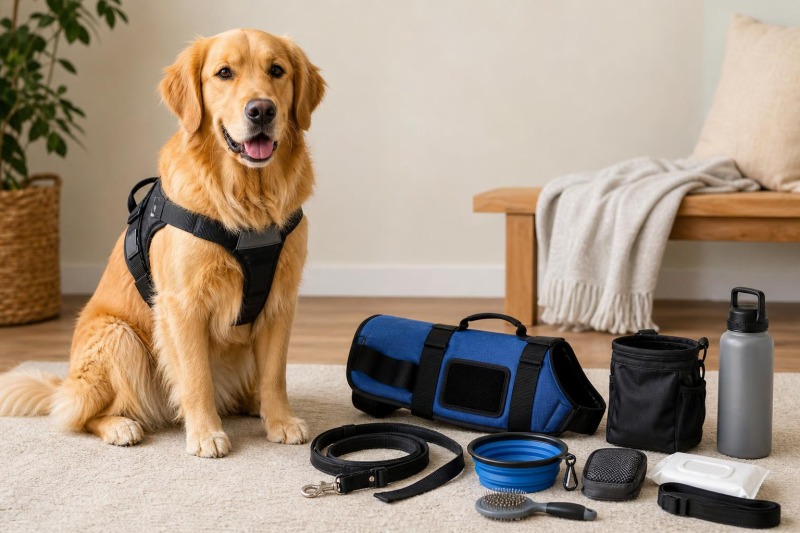
Weather gear can support comfort, but it cannot make every temperature or outing safe. Consider health, coat, activity, and conditions, and change the plan when the dog needs shelter or rest.
Folks sometimes assume dogs come wearing their own all-weather coat and do not need much help. That is only half true. Breed, age, coat type, body condition, health, and workload all matter. A heavy-coated dog may still overheat in humid weather. A short-haired dog with little body fat can get chilled faster than most owners expect. Senior dogs, young dogs, and dogs with mobility issues often need extra support on either end of the thermometer. When you start looking at cooling and warming gear through that lens, the choices get a lot clearer.
Why Seasonal Gear Matters for Companion, Therapy, and Service Dogs
A dog does not have to be running birds in a frosty field or crossing open country in August to feel the strain of weather. Companion dogs face hot sidewalks, cold pavement, windy parks, and long car rides. Therapy dogs may work in hospitals, schools, and care facilities where indoor temperatures vary wildly from one wing to the next. Service dogs often move between outdoor heat, air-conditioned stores, cold sidewalks, and public transportation in the same afternoon. Those transitions can wear on a dog.
A cooling vest can help a service dog stay composed during summer errands. An insulated coat can keep a therapy dog comfortable on the way into a winter visit so it arrives ready to engage instead of shivering and distracted. When the dog feels better, it works better, settles better, and recovers faster.
Cooling Gear for Dogs in Warm Weather
Heat is often the more dangerous side of the equation because many dogs will keep going even when they should not. They trust us to make the call.
Cooling Vests and Evaporative Coats
A well-made cooling vest is one of the best tools for hot weather. Most work through evaporation. You soak the vest, wring it out, and put it on the dog so the moisture helps draw away heat as air moves across the fabric. These are especially useful for walks, training sessions, outdoor events, and service work where the dog needs to remain active but not overtaxed.
The key is fit and coverage. You want a vest that cools the chest and core without rubbing the shoulders or restricting movement. If a dog is expected to heel, pivot, lie down, and rise often, a stiff or bulky vest becomes a nuisance fast. In dry climates, evaporative cooling can work beautifully. In humid conditions, it still helps, but owners should be realistic and combine it with shade, water breaks, and shorter outings.
Cooling Mats, Bandanas, and Portable Shade
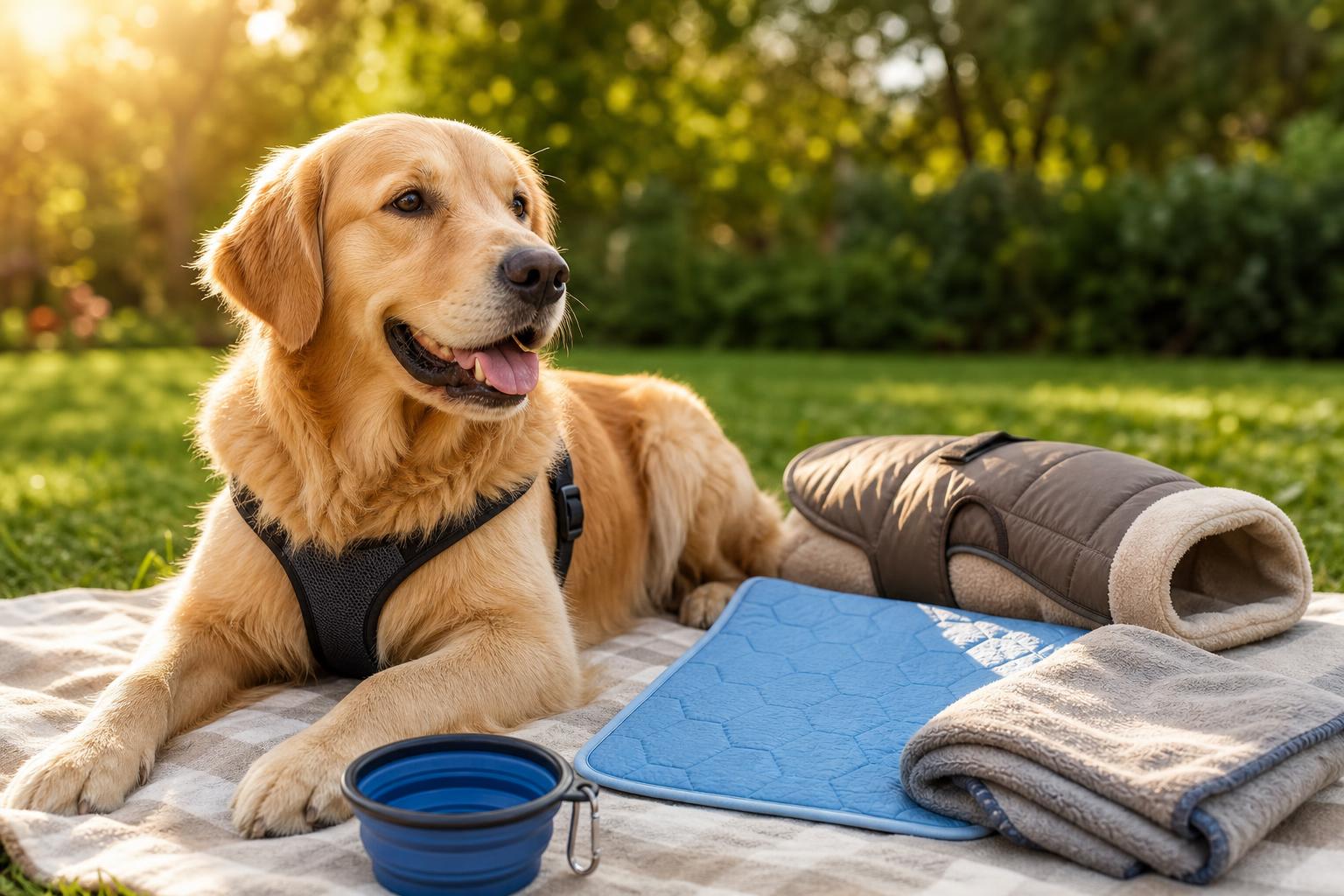
Cooling mats are excellent for recovery after walks, travel, or work sessions. The dog can lie down, cool off, and get back up when ready. These are useful at home, in crates, in cars during stops, and in therapy or training spaces where dogs may need a calm place to rest between tasks.
They are easy to use and can provide some relief around the neck area, but they will not replace a vest during serious heat. Portable shade, whether that means a pop-up canopy, a reflective car shade, or simply choosing routes with tree cover, still matters just as much as wearable gear.
Paw Protection in Summer
Hot ground can be brutal on a dog’s paws. Asphalt, concrete, sand, and metal surfaces heat up fast, and dogs rarely get a vote in the route. Summer booties can help protect paws during hot-weather outings, especially for service dogs working in parking lots, at outdoor events, or around urban surfaces that hold heat well into the evening.
The trick with dog boots is getting a secure fit without causing rub spots. Cheap boots that twist sideways or slip off halfway through a walk are not worth the trouble. Look for breathable materials, flexible soles, and closures that hold steady without cutting into the leg. If your dog is new to boots, take the time to condition them slowly. A dog that trusts its gear is always easier to manage than one fighting every step.
Warming Gear for Dogs in Cold Weather
Cold weather brings a different kind of challenge. It is not always dramatic at first. Sometimes it shows up as stiffness, reluctance to move, shorter strides, or a dog curling tighter than usual at rest. That is often your sign that warming gear would do some good.
Insulated Dog Coats and Jackets
Short-haired companion dogs, lean service dogs, small breeds, puppies, seniors, and dogs with thin coats benefit the most, but even sturdy dogs can appreciate added warmth on bitter days. A coat should cover the chest, shoulders, and back without interfering with the dog’s gait or bathroom breaks.
Too much bulk can limit movement and create friction under a harness. For therapy and service dogs, compatibility with a working harness or vest matters. You do not want to stack gear in a way that pinches, slips, or distracts the dog during tasks.
Dog Sweaters, Base Layers, and Indoor Warmth
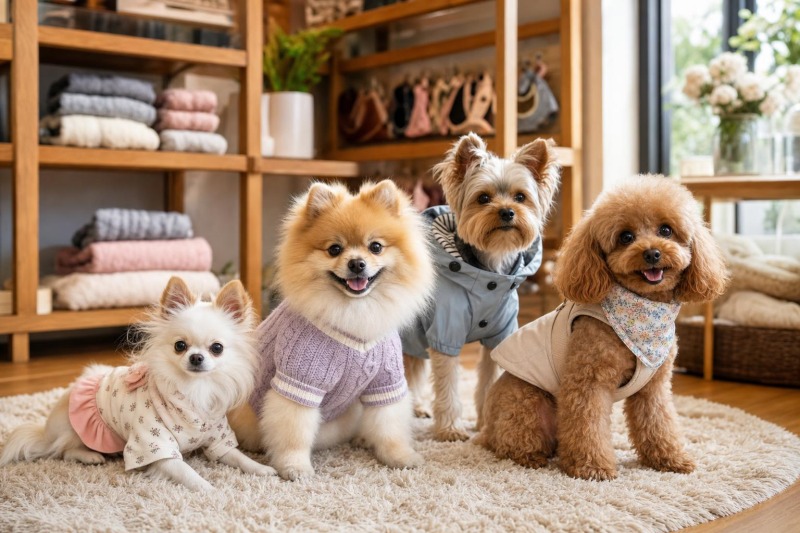
Not every cold day calls for a full insulated coat. Sweaters and lighter base layers can be useful for cool mornings, indoor drafty spaces, or dogs that chill easily after grooming. Therapy dogs, especially those visiting calm indoor settings, often do well in a soft, lightweight layer that keeps them comfortable without making them look overloaded with equipment.
This is where knowing your individual dog pays off. Some dogs run warm and only need protection in wind or wet conditions. Others start to shiver the minute the temperature drops. There is no one-size-fits-all answer, only good observation.
Winter Booties and Protection from Ice, Salt, and Snow
Snow can pack between toes. Ice can cut. Salt and chemical de-icers can burn pads and linger long after the walk is over. Winter booties help shield the feet and improve traction, especially for older dogs and dogs with joint issues.
Some dogs will tolerate boots right away, while others act like they have forgotten how legs work. That is normal. Keep training short and upbeat. Let the dog wear them indoors first, then on brief outdoor walks. Pair boot use with praise and movement so the dog learns the sensation is temporary and harmless. It is worth the effort when the weather turns rough.
How to Choose the Right Gear for Your Dog
Start with your dog’s daily life. A companion dog that takes neighborhood walks has different needs than a service dog that accompanies its handler everywhere or a therapy dog that visits facilities on a schedule. Think about climate, duration of outings, terrain, indoor-outdoor transitions, and how much gear the dog already wears.
Fit comes before almost everything else. Cooling and warming gear should stay in place without chafing the armpits, neck, or belly. It should allow a full range of motion and work with your dog’s harness when needed. Materials matter too. Breathable fabrics are important in heat, while water resistance and insulation matter in cold or wet weather. Easy cleaning is another feature owners tend to appreciate more with time.
A dog that pants hard, seeks shade, lags behind, shivers, lifts paws, or seems reluctant to continue is giving useful information. Gear should improve comfort, not just check a box in your shopping cart. If something looks good online but your dog moves poorly in it, it is the wrong piece of equipment.
Safety, Habituation, and Practical Use
Even the best dog gear needs proper introduction. Let the dog inspect it, wear it briefly, and move around in a low-pressure setting before relying on it in public. Service and therapy dogs especially should be comfortable enough in their cooling or warming gear that it fades into the background of the job.
Remember too that gear is support, not permission to ignore weather. A cooling vest does not make midday summer pavement safe. A winter coat does not cancel out dangerous wind chill. Fresh water, breaks, route planning, vehicle temperature awareness, and common sense still lead the way. Good gear just gives your dog a better margin of comfort and protection.
There is a plain truth any experienced dog owner learns sooner or later: dogs will give you their best long before they should. That is why it falls on us to notice the details. Cooling and warming gear for dogs is one of those details that can quietly change everything. The right vest, coat, mat, or pair of boots can help a companion dog enjoy longer outings, keep a therapy dog relaxed and approachable, and allow a service dog to stay focused through changing conditions.
When you choose wisely, fit carefully, and pay attention to your dog’s response, seasonal gear becomes more than an accessory. It becomes part of good stewardship. And if you ask me, there is no better mark of a solid dog owner than making sure the dog beside them can meet the day in comfort, no matter the weather.