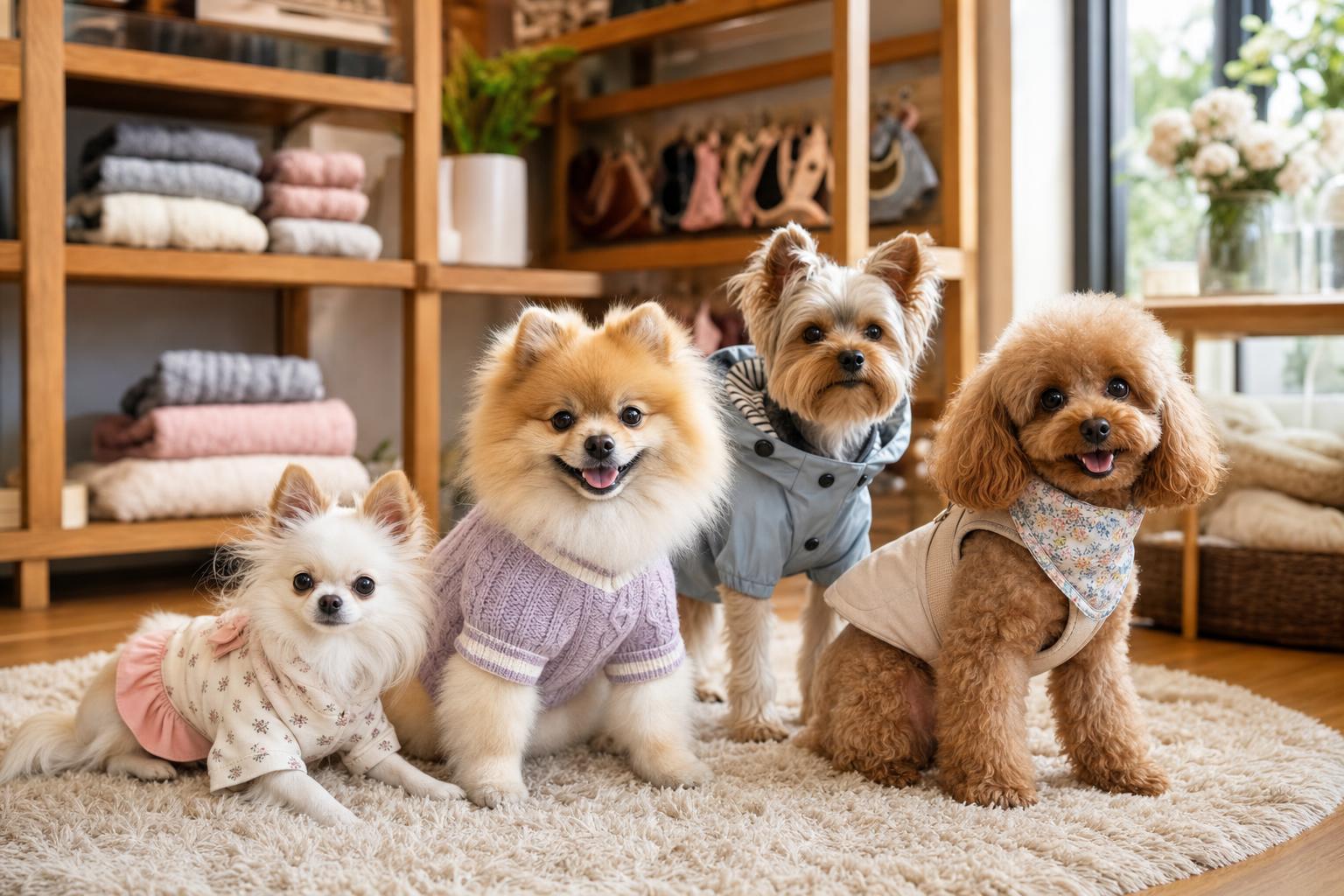
Clothing should allow a toy dog to move, breathe, and rest comfortably. Check fit and weather conditions first, and avoid items the dog finds uncomfortable or tries to remove.
A toy dog feels weather harder than a big hound does. Their bodies sit lower to the ground, they lose heat faster, and rain, mud, and wind can wear them down in a hurry. So if you want your little companion looking sharp, start with comfort and function. The style will follow naturally.
Why Toy Dogs Often Benefit From Clothing
A toy breed has less natural insulation than many larger dogs, especially short-haired or fine-coated breeds. That means a light sweater in fall or a lined jacket in winter is not just for looks. It can make walks more enjoyable and reduce stress for the dog.
This matters even more for therapy and companion dogs that travel often, visit public spaces, or spend time in climate-controlled buildings where the air can run cold. Even service dogs in toy or small sizes may need weather protection during outdoor transitions. Clothing, when chosen carefully, can support the dog’s comfort without interfering with behavior, focus, or mobility.
Fit Comes Before Fashion
If there is one lesson worth remembering, it is this: a poor fit ruins everything. Clothing that rubs under the front legs, bunches along the back, or slips sideways will sour a dog on getting dressed at all. You want enough room for the shoulders to move freely, no tight pressure on the neck, and no dangling trim that can catch on furniture or brush.
A good outfit should let your toy dog walk, sit, stretch, and settle down naturally. If your dog freezes, scratches, or starts chewing at the garment, that is your answer. Cute is never worth discomfort.
Classic Sweaters for Everyday Charm
When people picture cute toy dog outfit ideas, the classic knit sweater usually comes first, and for good reason. A simple sweater gives a toy dog a polished, cozy look without too much fuss. If you want something brighter, a deep red or soft blue can look striking without becoming gaudy.
For companion dogs, a sweater is an easy choice for morning walks, coffee shop patios, or quiet errands. For therapy dogs, especially those visiting schools or assisted living centers, a neat sweater can create a warm, approachable appearance. The trick is keeping the look tidy and calm. Nothing too scratchy, too thick, or too flashy. A toy dog carries enough natural appeal already.
Lightweight Hoodies for Casual Style
A lightweight hoodie can suit certain toy dogs well, especially in cool spring weather or breezy summer evenings. It gives off a relaxed, playful feel and works especially well for younger dogs or spirited companions with plenty of personality. Around the ears and neck, less interference is generally better.
Choose a soft cotton blend with a little stretch, and avoid heavy seams. The best hoodie is the one your dog forgets it is wearing. That is always the standard.
Raincoats That Keep Tiny Dogs Clean and Confident
There are few things less glamorous than a toy dog with a soaked chest and muddy belly after a ten-minute walk. A good raincoat may not sound exciting at first, but it can be one of the smartest and cutest additions to your dog’s wardrobe. Bright yellow, classic navy, and cheerful red all look good on small breeds, and reflective trim adds safety if you walk near dawn or dusk.
It helps a little dog stay warmer, keeps matting and dampness down on longer coats, and cuts back on cleanup after wet outings. If you live somewhere with frequent rain, this is not just a novelty item. It is working gear dressed up nicely.
Best Details in a Toy Dog Raincoat
Look for a raincoat with a secure but simple closure, room for a harness, and enough coverage over the back without making the dog waddle. A slick exterior and breathable lining go a long way. Some dogs dislike sleeves, so a cape-style coat can be easier. You want weather protection, not a wrestling match.
Bandanas and Bows for Low-Fuss Personality
If your toy dog does not enjoy full outfits, bandanas are one of the easiest ways to add charm without asking too much of the dog. A soft bandana in plaid, floral print, or a seasonal pattern can give a polished look in seconds. This is especially useful for therapy dogs that need to appear friendly and well-groomed without extra bulk.
A small, secure bow near the collar or topknot can be sweet. Oversized decorations tend to look more like something for the owner than for the dog. Simple usually wins.
Fall Layers
Autumn is when toy dogs truly shine in clothing. A ribbed sweater, a small waxed vest, or a plaid bandana can capture the season without going overboard. On a crisp walk through leaves, a properly dressed little dog looks right at home.
Winter Warmth
Winter calls for serious attention to warmth. Insulated jackets, fleece pullovers, and soft base layers can all help. If your dog is very small, elderly, thin-coated, or recovering from illness, winter outfits move from cute to necessary. Make sure snow and slush do not collect around the garment, and always check for signs of cold stress. Small dogs can go from comfortable to miserable quickly.
Spring Showers and Breezes
A pastel rain jacket or a thin pullover works well. This is a season when toy dogs can get chilled by damp air even if the temperature seems mild. The right outfit keeps them active and willing.
Summer Style With Caution
Summer is where many owners make mistakes. A toy dog does not need extra clothing in heat unless there is a specific purpose, such as sun protection for a vulnerable dog or a very light cooling garment. If you want style in warm weather, go with a breathable bandana or a lightweight shirt for short periods. Heat safety matters more than appearances every single time.
Outfits for Companion, Therapy, and Service-Oriented Dogs
For a companion dog, clothing can reflect personality and make everyday outings more enjoyable. For therapy dogs, calm and approachable attire works best. Soft colors, clean lines, and comfortable pieces can help create a gentle presence around children, seniors, and medical settings. For service-oriented small dogs, any clothing should never interfere with function. Harness access, mobility, and focus must stay front and center.
The outfit should support the dog’s role, not distract from it. A tidy vest, weather layer, or modest accessory often does far more good than an elaborate getup.
How to Choose the Right Outfit for Your Toy Dog
Start with your dog’s coat type, body shape, and daily routine. A short-haired toy breed may welcome warmth. A heavily coated dog may only need light accessories. Dogs that ride in carriers, visit public places, or walk often in rough weather may benefit from a small wardrobe built around practical use. Keep an eye on the dog’s expression and movement. Dogs tell the truth quickly if something feels wrong.
Washability matters too. Small dogs pick up dirt close to the ground, and fabrics should hold up to regular cleaning. Let the dog build confidence. Some take to clothing right away. Others need patience.
The Best Cute Toy Dog Outfit Ideas Are the Ones Your Dog Enjoys
There is a fine line between dressing a dog and burdening one. The sweet spot is where style meets comfort, and where the dog still carries itself with ease and confidence. A good sweater for a frosty morning, a raincoat for damp sidewalks, a simple bandana for a therapy visit, or a soft jacket for an older companion dog can all be both charming and useful.
Toy dogs do not need much to look adorable. Most of the time, they bring enough heart and character on their own. The right outfit just frames it. Choose pieces that respect the dog, fit the season, and serve a purpose, and you will have a little companion that looks fine, feels good, and is ready to go wherever the day leads.