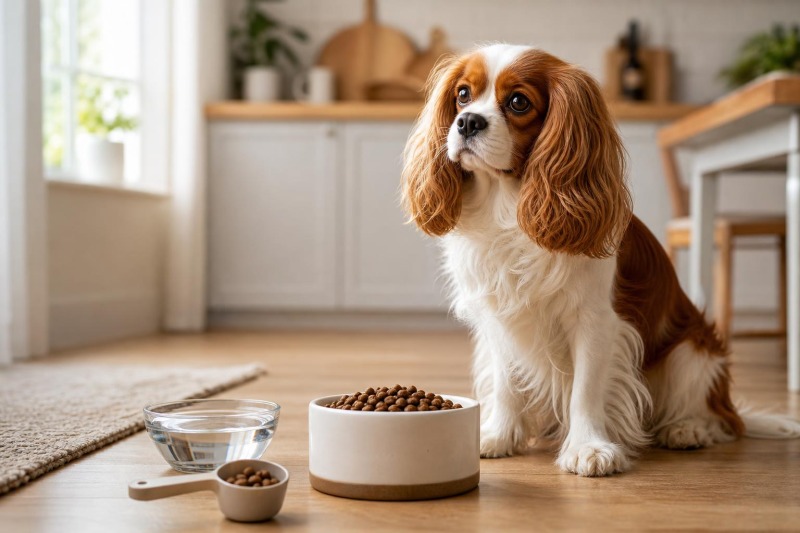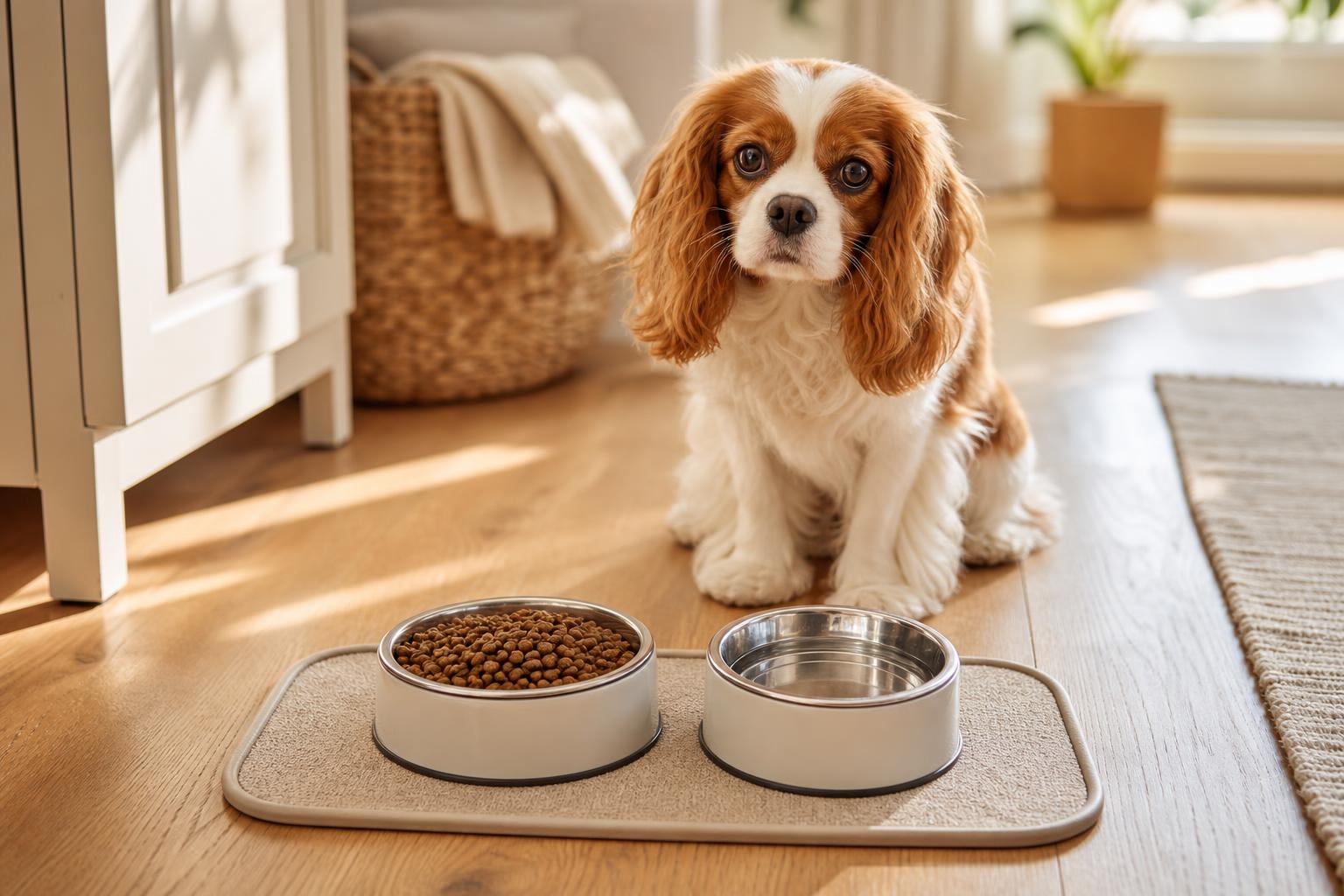
A feeding bowl should be stable, easy to clean, and comfortable for the individual dog to use. Watch the dog's eating posture and discuss persistent difficulty with a veterinarian.
For owners of companion dogs, therapy dogs, and service dogs, that daily rhythm matters. Small breeds often have delicate frames, shorter muzzles, and distinct personalities that show up at mealtime. Some are eager little eaters. Some are cautious. Some insist on pawing at the bowl before taking a bite. Choosing feeding bowls for small breeds is not just about picking something cute off a shelf. It is about matching the bowl to the dog’s body, eating style, and role in your home or working routine.
Why Bowl Choice Matters for Small Breeds
Small dogs do not approach food the same way larger breeds do. Their heads are lower to the ground, their mouths are smaller, and many toy breeds can be surprisingly particular about texture, smell, and comfort. A bowl that is too deep can make it awkward for a little dog to reach the last bites. A bowl that is too wide and lightweight can slide around like a tin can on ice. Over time, those small frustrations can affect how eagerly a dog eats and how calm mealtime feels.
This matters even more for therapy dogs and service dogs, where consistency is a real asset. A dog that is expected to work around people, travel regularly, or maintain a predictable schedule benefits from calm, reliable feeding habits. Companion dogs do too, of course, especially older small breeds or those with dental issues. Good bowl selection supports comfort, and comfort supports routine.
Best Bowl Size and Shape for Little Dogs
Small breeds generally do best with shallow to moderately deep bowls that let them reach food easily without pressing their face down into a narrow opening. Dogs with shorter muzzles, such as Shih Tzus or Pekingese, often appreciate a broad, shallow dish. Slender-faced little dogs may manage fine with a slightly deeper bowl, but it still should not feel like they are dropping their nose into a well.
Water bowls deserve just as much thought. A too-deep water bowl can lead to messy drinking, damp ears, or simple hesitation. For long-eared small breeds, a more narrow opening can help keep ears drier, while still allowing comfortable access. You want a bowl that serves the dog, not one that creates a cleanup job every afternoon.
Watch How Your Dog Eats
One of the best ways to choose the right feeding bowl is to observe your dog for a few meals. A dog that pushes kibble out of the bowl may need a wider design. A dog that seems to hesitate or strain might need a shallower bowl or one with a more stable base. That is not stubbornness. Usually, it is the dog telling you the setup is wrong.
Choosing the Right Bowl Material
Material makes a real difference in durability, hygiene, and day-to-day use. Stainless steel remains one of the best all-around choices for small breeds. It is easy to clean, tough enough to hold up over time, and less likely to harbor lingering odors. For households with service dogs or therapy dogs that need dependable, sanitary equipment, stainless steel is hard to beat.
Ceramic bowls can also work well, especially if they are heavy enough to stay put. Many owners like ceramic because it feels solid and often looks nicer in the home. That said, quality matters. If ceramic chips or cracks, it needs to be replaced. Those damaged areas can trap bacteria and become rough on a dog’s mouth.
Some small dogs develop irritation around the muzzle from certain plastics, and plastic surfaces can scratch over time, making them harder to keep fully clean.
Should Small Breeds Use Raised Feeding Bowls?
This is where owners often get mixed advice. Raised feeding bowls can be helpful in some cases, but they are not automatically better for every small dog. A very young, healthy small breed often does perfectly well eating from a bowl placed at floor level, as long as the bowl itself is easy to access. However, for senior dogs, dogs with mobility issues, or dogs recovering from injury, a slight elevation can reduce strain and make meals more comfortable.
The key is moderation. Small breeds do not usually need dramatic height. In fact, too much elevation can feel unnatural. Think in terms of improving ease, not forcing posture. If your dog has arthritis, neck stiffness, or another medical concern, it is wise to talk with your veterinarian before making a major change to the feeding setup.
Comfort Comes Before Trends
Dogs do not care about trends. They care whether something feels steady and natural. If a simple low-profile bowl suits your dog best, there is no prize for making things fancier than they need to be.
Bowls for Fast Eaters, Messy Eaters, and Picky Eaters
Small breeds can be surprisingly fast when food hits the bowl. If your dog gulps meals, a slow feeder may help encourage steadier eating. These bowls have ridges or patterns that make the dog work around the food rather than inhaling it in one rush. For some little dogs, especially excitable companion breeds, this can settle the pace and reduce the chances of stomach upset after meals.
Messy eaters may benefit from bowls with a wider base or a non-slip bottom. If your dog likes to flip, paw, or shove the dish, stability becomes a top priority. Rubber-bottom bowls or heavier ceramic models often solve that problem. Picky eaters are a little different. Sometimes the issue is not the food at all. It is the bowl. A strong smell left by soap, a deep design that crowds the whiskers, or a bowl that rattles on the floor can all put a sensitive small dog off its meal.
Pay attention to what the dog is telling you. Working dogs and companion dogs alike thrive when we notice the details.
Cleaning and Hygiene Matter More Than Most Owners Think
Any bowl your dog uses every day should be cleaned regularly, and water bowls should never be treated as an afterthought. Small breeds may not drink gallons at a time, but they still deserve fresh, clean water in a bowl free from slime, residue, and old food dust. In homes with therapy dogs or service dogs, cleanliness becomes even more important because those dogs may move through public spaces and interact closely with people.
A clean bowl also protects the appeal of the meal itself. Dogs notice stale smells more than we do. If a bowl carries yesterday’s odor, some small dogs will lose interest fast. Stainless steel shines here because it cleans thoroughly and dries quickly. Ceramic can do well too, provided it stays in good shape and is washed consistently.
Travel Bowls for Therapy Dogs and Service Dogs
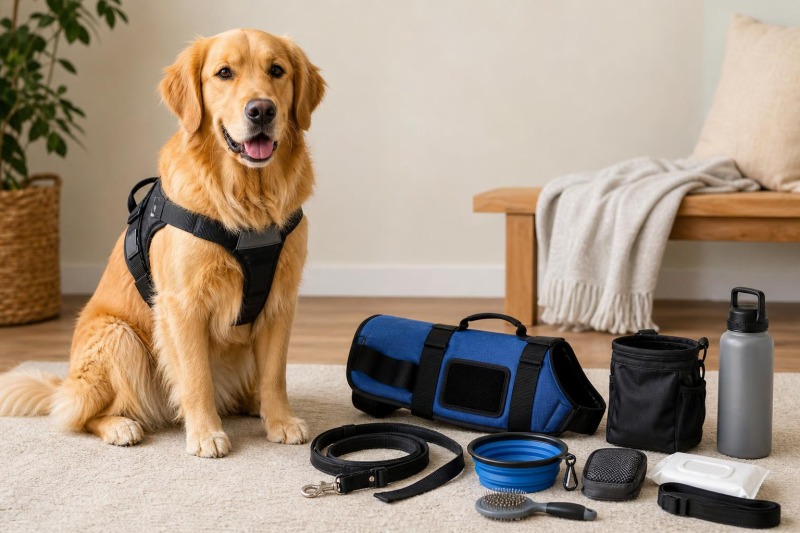
If your small breed travels with you for work, appointments, training, or visits, a home bowl alone is not enough. Portable feeding bowls can make a big difference in maintaining routine. A collapsible water bowl or compact travel feeder helps keep a dog hydrated and comfortable without much fuss.
For therapy dogs and service dogs, portability should not come at the cost of sanitation. Choose travel bowls that are easy to rinse and dry, and avoid anything flimsy that folds grime into hard-to-clean seams. A dependable travel bowl does not need to be fancy. It needs to work every time you pull it from the bag.
How to Pick the Best Feeding Bowl for Your Small Dog
The best feeding bowls for small breeds are the ones that fit the dog’s size, eating style, and daily routine. Start with a shallow or moderately deep bowl scaled to your dog’s head and muzzle. Choose a material that stays clean and holds up well. Make sure the bowl is stable, easy to access, and comfortable for the dog to use. If your dog is older or has physical limitations, consider slight elevation with guidance from your veterinarian.
Above all, do not overcomplicate the choice. Good dog care is often a matter of honest observation and a willingness to adjust. The bowl that works for one small breed may not work for another, even if they weigh the same. Watch your dog eat. Notice what happens. A dog will tell you plenty if you have the sense to look.
Feeding bowls are not just dishes on the floor. They are part of a dog’s daily foundation, as ordinary and important as a well-fitted collar or a bed in the right corner of the room. For companion dogs, therapy dogs, and service dogs, those foundations matter. Get the bowl right, and mealtime becomes simple, clean, and comfortable. That may not sound like much, but in a life with dogs, steady little wins are often the ones that count the most.