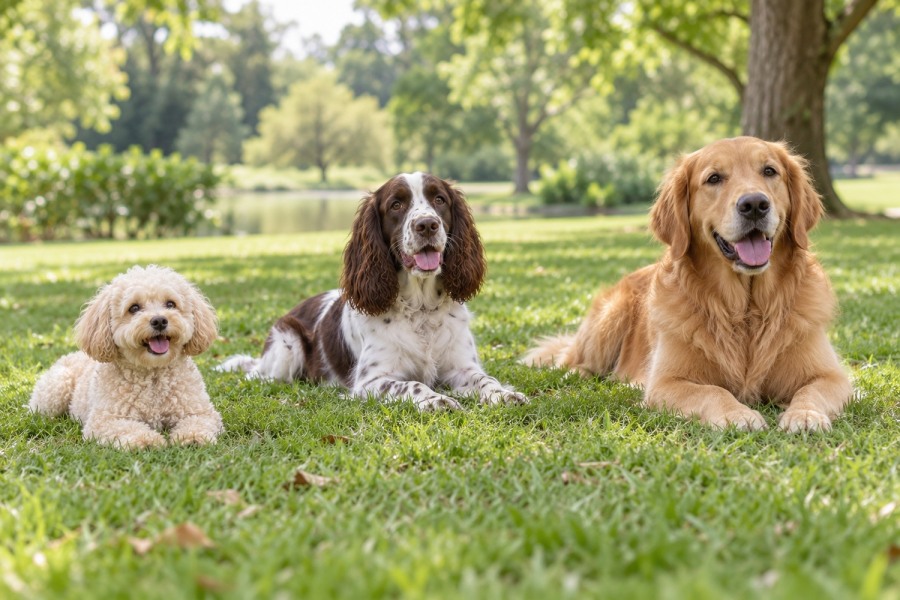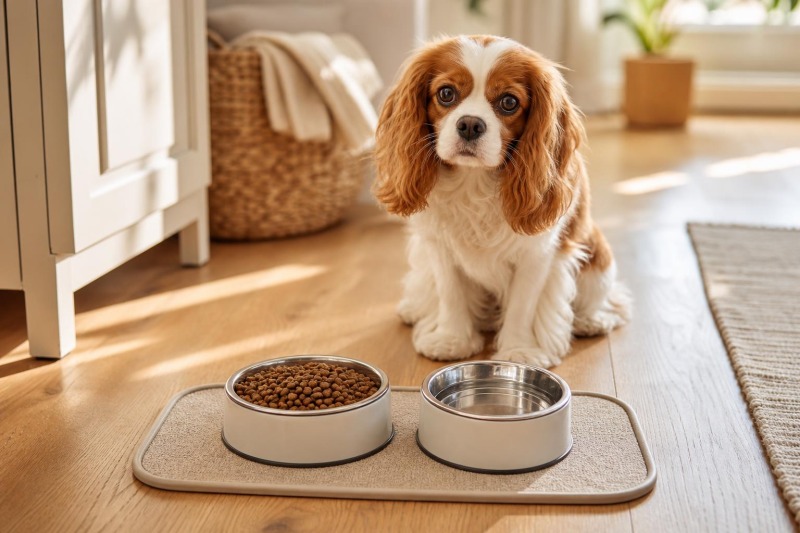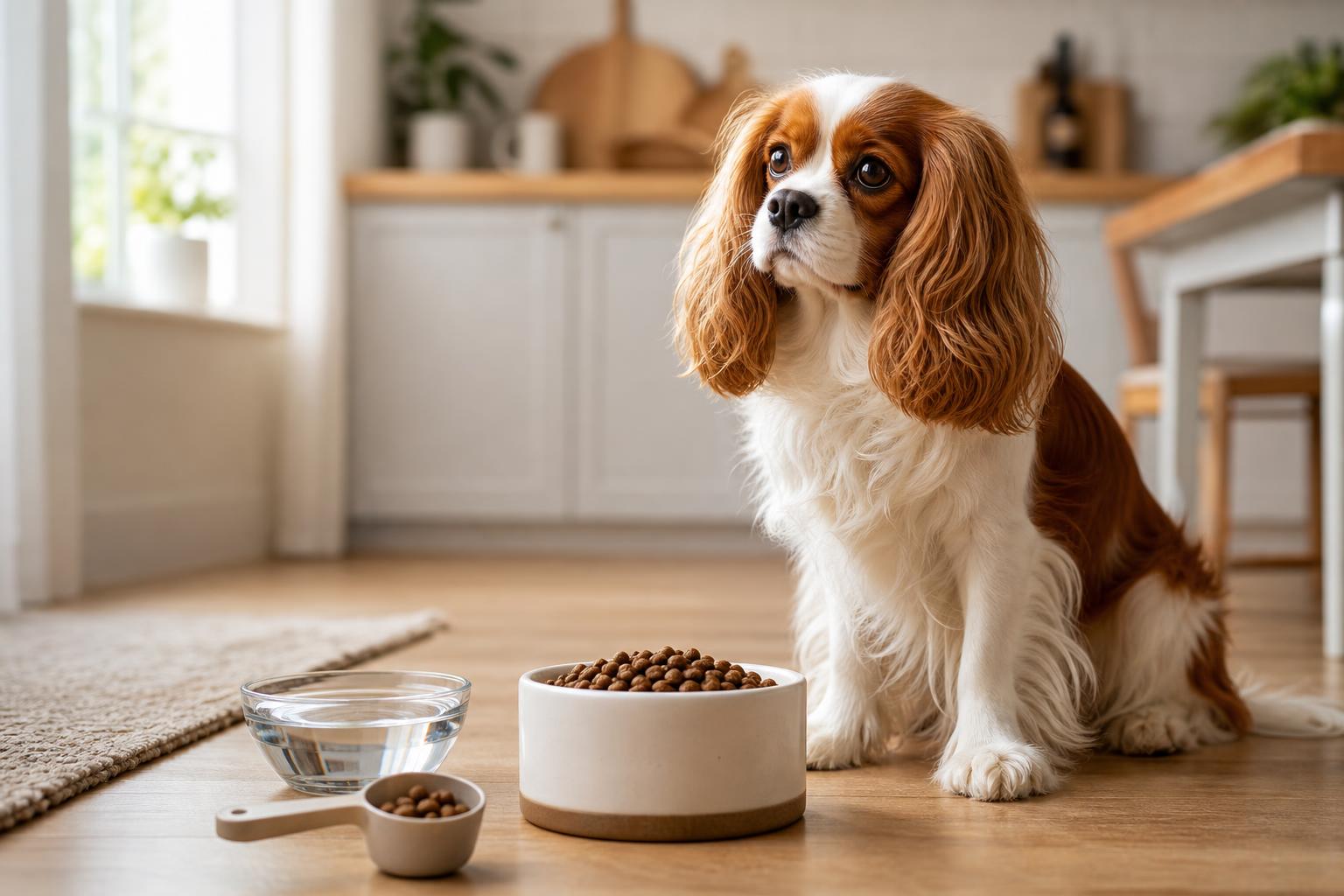
Small-dog feeding starts with an appropriate complete diet and a measured daily amount. Age, body condition, health, and activity help determine what belongs in the bowl.
Small breed dogs have different nutritional needs than larger dogs. Their metabolism tends to run hotter, their stomachs are smaller, and their mouths and teeth can make food texture more important than many owners realize. A ten-pound dog is not just a scaled-down fifty-pound dog. That is where many people get tripped up. They buy whatever food has a pretty label, feed by guesswork, then wonder why the dog is always hungry, gaining weight, or showing signs of digestive trouble. Good feeding starts with understanding the dog in front of you, not just the bag on the shelf.
Why Small Breed Dogs Need a Different Feeding Approach
Small breed dogs use energy quickly. Because of that, they often need calorie-dense, nutrient-rich food in appropriate portions. That does not mean overfeeding them. It means every bite should count. A quality small breed formula usually accounts for that by offering balanced protein, healthy fats, and kibble sized for little jaws. If the dog is a working service dog or spends long days in therapy settings, nutrition becomes even more important. You want stable energy, good digestion, and a body condition that supports movement, attention, and endurance.
Tiny breeds can be more prone to low blood sugar, and while not every small dog is fragile, they do benefit from consistency. A dependable routine matters. Dogs that know when they are fed often settle better, train better, and carry themselves with more confidence.
Fast Metabolism and Small Stomachs
A small dog may need more calories per pound than a large dog, but those calories must be spread sensibly. Their stomach capacity is limited, so stuffing them full once a day is rarely the best idea. Many small breed adults do better on two meals a day, while puppies often need three or four smaller meals depending on age and veterinary guidance. This schedule helps keep energy more even and can reduce the chance of digestive upset.
For therapy dogs and service dogs, meal timing can also affect performance. A dog asked to work in hospitals, schools, public spaces, or demanding daily routines should not be heading into the day on an empty stomach, nor should it be loaded down with a heavy meal right before active work.
Choosing the Best Food for Small Breed Dogs
The best food for a small breed dog is one that matches its age, activity level, health status, and job. A laid-back lap dog has different needs than a small service dog that is alert and active for much of the day. Start by looking for a complete and balanced dog food from a reputable manufacturer. Real animal protein should be prominent, and the food should include appropriate fat levels, digestible carbohydrates, vitamins, and minerals. Small breed formulas are often a smart place to begin because they are designed with size, metabolism, and kibble shape in mind.
That said, labels can still fool folks. Fancy words do not always mean better nutrition. A healthy small breed dog should have a glossy coat, steady stools, good muscle tone, bright eyes, and a healthy appetite without acting ravenous all day. If a food causes itchy skin, chronic loose stool, gas, dull coat, or weight swings, then it may not be the right feed, no matter what the label promises.
Wet Food, Dry Food, or Mixed Feeding
Dry food is convenient, affordable, and often better for routine feeding, especially if you need precise portion control. Wet food can help with palatability and hydration, which can be useful for picky eaters or older dogs. Many owners settle on a mixed approach, using dry food as the main diet and adding a small amount of wet food for flavor. That can work well, provided the total calories stay in line.
For small dogs, texture matters more than some people expect. Tiny mouths and dental issues can make oversized kibble a chore. On the other hand, feeding only soft food for years without regard for dental care can contribute to plaque buildup. The right answer depends on the dog, but the goal is always the same: food the dog can eat comfortably, digest well, and thrive on.
How Much to Feed a Small Breed Dog
This is where good intentions often go sideways. Small breed dogs are easy to overfeed because even a few extra treats a day can add up fast. When the dog weighs eight or ten pounds, a little excess becomes a big percentage of its daily intake. Owners see that eager expression and assume hunger. In truth, many little dogs would eat like they had a mortgage to pay if given the chance.
Start with the feeding guide on the package, then adjust based on the dog’s body condition, age, and activity. If you can barely feel the ribs, the dog may be carrying too much weight. If the dog looks tucked up too sharply and seems to be losing condition, it may need more. A veterinarian can help you fine-tune portions, particularly if the dog is a therapy dog or service dog with specific demands on its body.
Treats should be counted as part of the daily total, not some separate category that lives outside reason. Training rewards are useful, especially for companion and working dogs, but they should be small, intentional, and balanced against meals.
Feeding Small Breed Puppies
Small breed puppies need special care because they are growing quickly while carrying very little margin for error. They need nutrient-dense puppy food designed for growth, and they usually need to eat more often than adults. Skipping meals in a tiny puppy is a poor gamble. Keep feeding regular, watch energy levels, and pay attention to signs of weakness, trembling, or unusual lethargy. If something seems off, call your veterinarian rather than waiting it out.
Good puppy nutrition lays the foundation for everything that follows. Bone development, muscle growth, coat quality, brain function, and trainability all benefit from proper feeding. If you hope your small dog will become a calm companion, a reliable therapy dog, or a steady service dog, the work begins early, and the feed pan is part of that work.
Common Feeding Mistakes with Small Dogs
One common mistake is free-feeding all day. Some dogs manage fine with food always available, but many small dogs become picky, gain weight, or lose food motivation for training. Scheduled meals are often the better road. Another mistake is feeding too many table scraps. It starts with a little bite here and there, and before long the dog is holding out for richer food while proper nutrition takes a back seat.
Owners also tend to change foods too quickly. If you need to switch diets, do it gradually over several days to reduce stomach upset. Another issue is ignoring dental health. Small breeds are often prone to dental disease, and painful teeth can change the way a dog eats long before the owner notices. If a dog starts dropping kibble, chewing on one side, or eating more slowly, it is worth looking into the mouth instead of assuming the dog has become fussy.
Special Considerations for Therapy and Service Dogs
Therapy and service dogs need more than full bellies. They need steady nutrition that supports consistent behavior and dependable performance. A dog that works around people should not be dealing with digestive swings, gassiness, low energy, or preventable weight gain. Feeding a high-quality diet on a reliable schedule helps keep the dog comfortable and focused.
Hydration matters too, especially for active small dogs that travel, work indoors for long periods, or spend time in warm weather. Some dogs naturally drink well, while others benefit from moisture in meals. The cleaner and simpler you keep the feeding routine, the easier it is to spot changes in appetite, stool, energy, or body condition before they become real problems.
Building a Feeding Routine That Lasts
The best feeding plan is one you can maintain consistently. Pick quality food, measure portions, keep mealtimes steady, and watch your dog with a sharp eye. Dogs tell the truth with their body condition, their coat, their stool, and the way they move through the day. If you pay attention, they will show you whether the plan is working.
Feeding small breed dogs is not about chasing trends or buying the most expensive bag in the store. It is about giving a little dog the kind of steady care that lets it live well and work well. Whether that dog is curled up beside you on the couch, bringing comfort as a therapy dog, or helping someone navigate daily life as a service dog, proper nutrition is part of the bond. You are building trust, stamina, and a better life, one meal at a time.