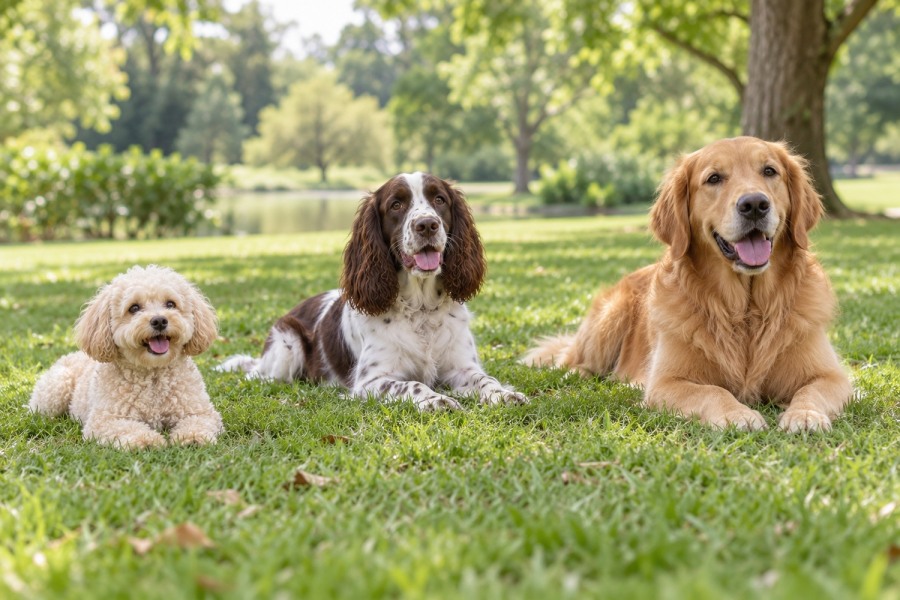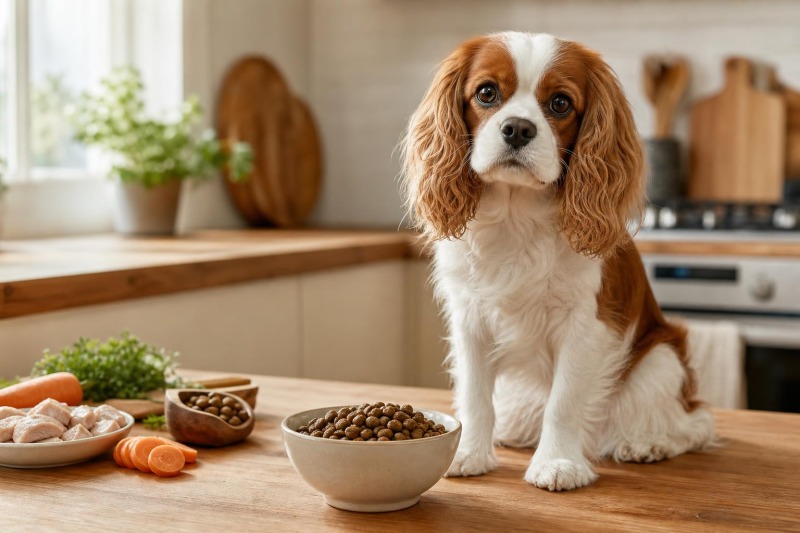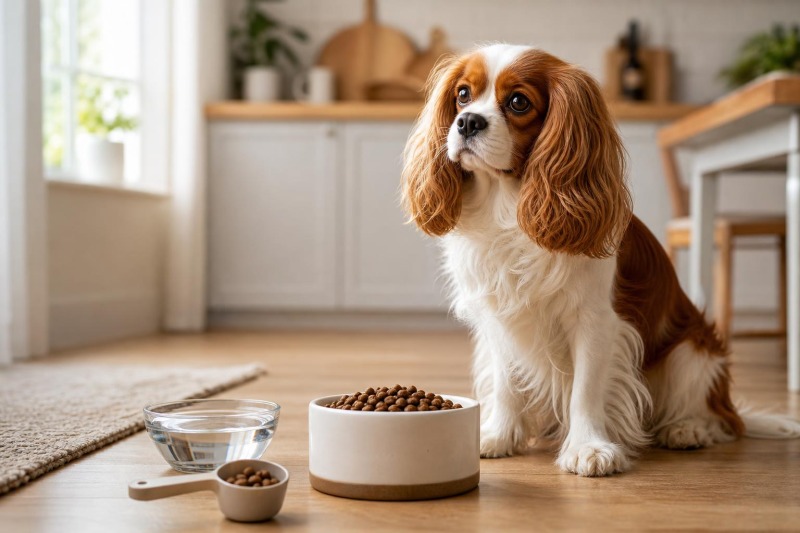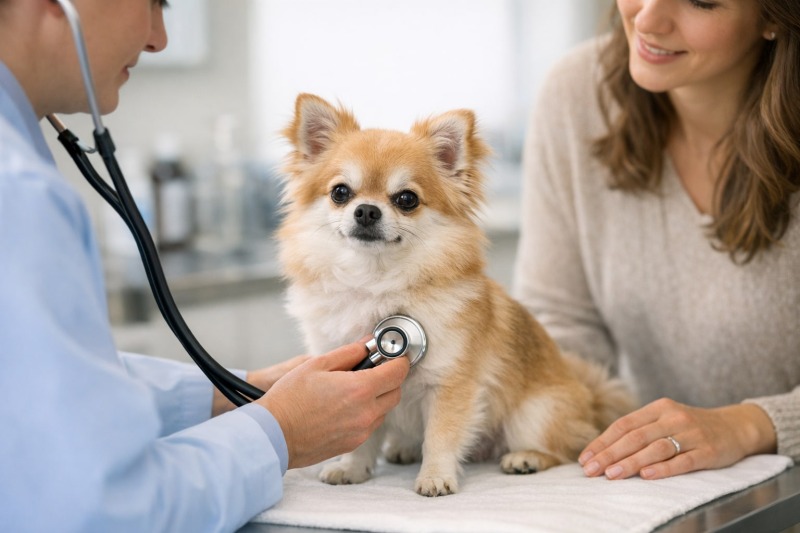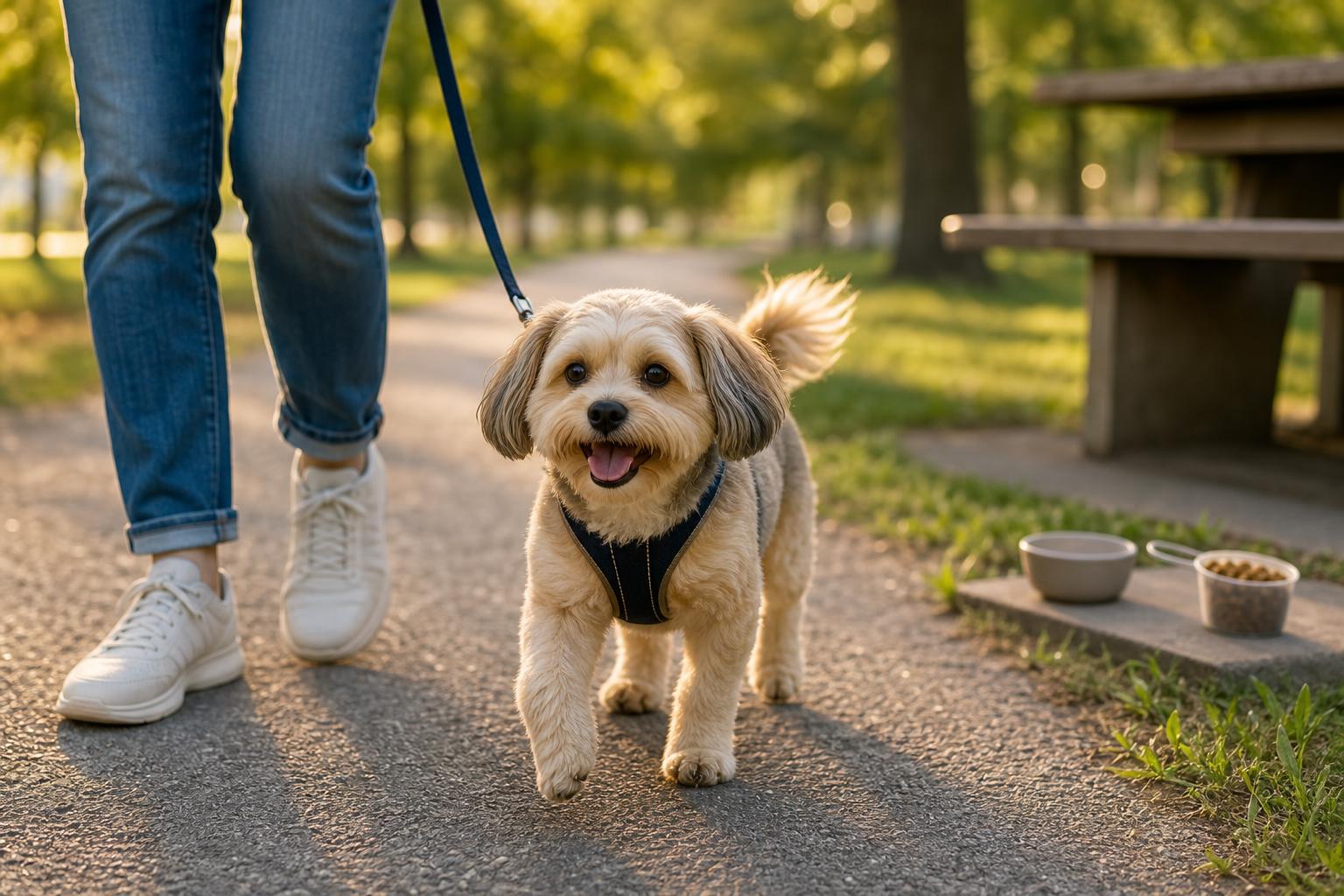
Measured meals, awareness of treats, and regular body-condition checks help manage a small dog's weight. Ask a veterinarian for an individual plan when weight change or a health condition is involved.
Small dogs live close to us. They ride in our arms, sit on our laps, trail us through the kitchen, and look up with eyes that can weaken a person’s resolve in a heartbeat. That closeness is part of their charm, but it also makes overfeeding easy. One extra treat here, one scrap there, and before long that little frame is carrying far more than it was built to bear. Preventing obesity in small dogs starts with understanding just how fast weight can creep on and how much damage it can do over time.
Why Weight Matters So Much in Small Breeds
A five-pound gain on a big hunting dog is one thing. On a ten-pound companion dog, it can be a wrecking ball. Small dogs have fine bone structure, delicate joints, and metabolisms that can be thrown off by poor feeding habits. Extra weight places strain on the knees, hips, spine, heart, and lungs. It can make common problems like luxating patellas, collapsing trachea, and arthritis harder to manage. It can also reduce stamina, which matters a great deal for therapy and service dogs that need to move calmly, confidently, and comfortably through daily work.
That is not just age. More often than people think, it is excess body fat stealing away the dog’s ease of movement. A healthy small dog should feel lively, capable, and ready to go, not winded from ordinary life.
Body Condition Tells the Truth
The scale matters, but the hands tell a more honest story. You should be able to feel your small dog’s ribs without digging through a thick blanket of fat. From above, there should be a visible waist. From the side, the belly should tuck up rather than hang flat or sag low. Long coats can fool the eye, which is why so many owners are surprised when a groomer or veterinarian points out that their dog is overweight. Fur can hide a lot. Your hands usually will not.
If you are shopping for a companion, therapy, or service dog prospect, learning body condition early is a wise habit. It helps you recognize healthy structure, and it teaches you to judge fitness by function rather than sentiment.
How Small Dogs Become Overweight
Most small dogs do not become obese from one dramatic mistake. They get there through small kindnesses repeated day after day. A handful of treats during training, table scraps after dinner, free-feeding a calorie-dense kibble, too little exercise during bad weather, and not adjusting food after spay, neuter, or age-related slowdown all add up. A dog that spends more time indoors can gain weight before the owner even notices a change in shape.
When a dog looks bored, lonely, or demanding, food becomes the quick answer. But many small dogs need engagement more than calories. They need a walk, a training session, a chew, a puzzle toy, a sniff around the yard, or simply a settled routine. Feeding is easy. Caring well takes more thought.
Breed Tendencies and Lifestyle Matter
Some small breeds seem born with a stronger appetite than common sense. Others are less food-driven but still gain weight because their owners underestimate their calorie needs. A toy breed may require far fewer calories than people realize, especially if the dog is older, less active, or living the pampered indoor life. A service dog in active daily work may burn more. A therapy dog that mostly travels, visits, and rests may need less than expected. The key is to feed the dog in front of you, not the number printed blindly on the bag.
Feeding for Lean Health Instead of Round Comfort
The best feeding plan is steady, measured, and honest. Measure meals. Do not guess. Use a proper measuring cup or, better still, weigh portions with a kitchen scale if you want precision. Choose a quality diet appropriate for your dog’s age, size, and activity level. Then watch your dog’s condition over several weeks and adjust as needed. If your dog is gaining, trim the intake before the problem gets away from you.
Treats deserve close attention. In small dogs, treats can quietly become a large share of daily calories. Training rewards should be tiny, especially for toy breeds. A dog does not need a large biscuit to feel rewarded. Often a pea-sized training treat, a bit of kibble from the meal ration, or simple praise does the job just fine. Every reward has a purpose. Nothing gets wasted.
Table scraps are where many well-meaning households lose the plot. Rich foods, sauces, bits of cheese, fatty meat, and frequent handouts train the dog to beg and add calories without nutritional balance. If you want to share something, do it sparingly and count it as part of the day’s intake. Better yet, keep mealtime clean and consistent so the dog learns not to expect hand-fed extras.
Exercise That Fits a Small Dog’s Frame
Preventing obesity in small dogs is not just about feeding less. It is about helping them live like dogs. Small breeds need movement, stimulation, and regular muscle use. That does not mean pounding miles on pavement or asking a little dog to perform like a field-bred retriever. It means daily walks, short training sessions, indoor games, scent work, and safe play that keeps the body active and the mind engaged.
One thing years with dogs taught me is that steady exercise beats heroic bursts. A ten-minute walk twice a day, every day, often does more good than one long outing on the weekend. For a small therapy or companion dog, routine movement helps maintain body condition while also building confidence and emotional balance. For a service dog, fitness supports mobility, endurance, and focus.
Don’t Ignore the Power of Sniffing and Training
A walk is not only about distance. Letting a dog sniff, explore, and use its brain makes the outing richer and more tiring in the best way. Mental work burns energy too. Obedience drills, scent games, place work, and simple task training can help prevent boredom eating and improve overall behavior. A dog that has a job, even a small one, is often easier to keep fit than a dog that spends the day begging for snacks.
The Health Problems That Can Drive Weight Gain
If a small dog gains weight despite reasonable feeding and activity, it is worth looking deeper. Thyroid issues, pain, reduced mobility, age-related slowing, and other medical conditions can contribute. Dental pain can change eating patterns. Joint soreness can reduce activity. Spayed and neutered dogs may need fewer calories than they did before surgery. This is where a good veterinarian earns their keep. Weight management should never be guesswork when the dog’s health may be involved.
That point matters especially for working dogs. A therapy dog that tires easily or a service dog that loses conditioning may be telling you something important. Physical readiness is part of reliable performance.
Building Habits That Last
The strongest defense against obesity is routine. Feed at set times. Measure portions. Keep treats controlled. Walk daily. Weigh your dog regularly or check body condition with your hands every week or two. Make adjustments early, when they are small and manageable. It is easier to prevent obesity than to reverse it once a dog has become heavy and deconditioned.
Families do best when everyone follows the same rules. A small dog can be sabotaged by one softhearted person slipping snacks under the table. If the dog belongs to the household, the plan has to belong to the household too. Consistency keeps the dog healthy and prevents mixed signals that lead to begging and overfeeding.
There is also wisdom in keeping your dog working in some form, even if that work is modest. A companion dog can practice manners and tricks. A therapy dog can polish calm greetings and public behavior. A service dog can maintain task training and fitness. Dogs with purpose often carry themselves better, body and mind alike.
A trim small dog is not a deprived dog. More often, it is a happier one. It moves easier, breathes easier, plays longer, and stays capable as the years come on. That is reason enough to take weight seriously.
If you love your dog, show it with structure, not just snacks. Feed with intention. Exercise with regularity. Put your hands on the dog and learn what healthy feels like. For companion dogs, therapy dogs, and service dogs, good weight is part of good care. A small dog may be easy to spoil, but the best kind of spoiling is giving that dog every fair chance at a long, able, and comfortable life.