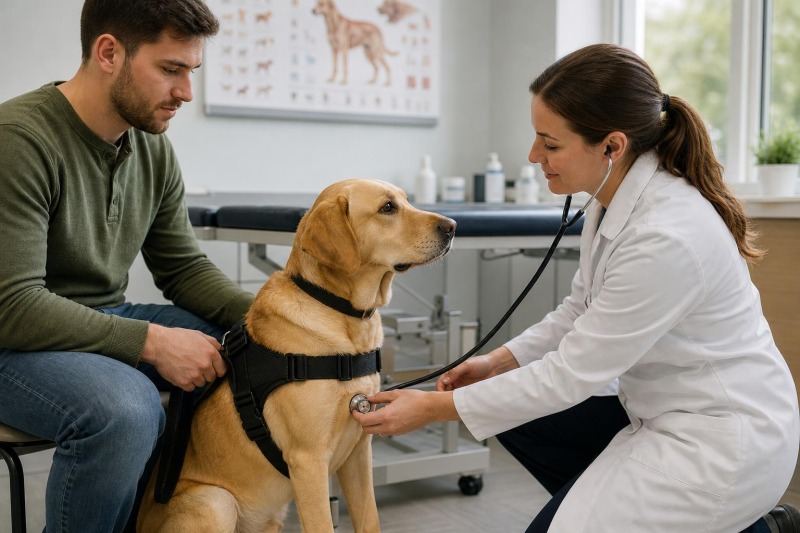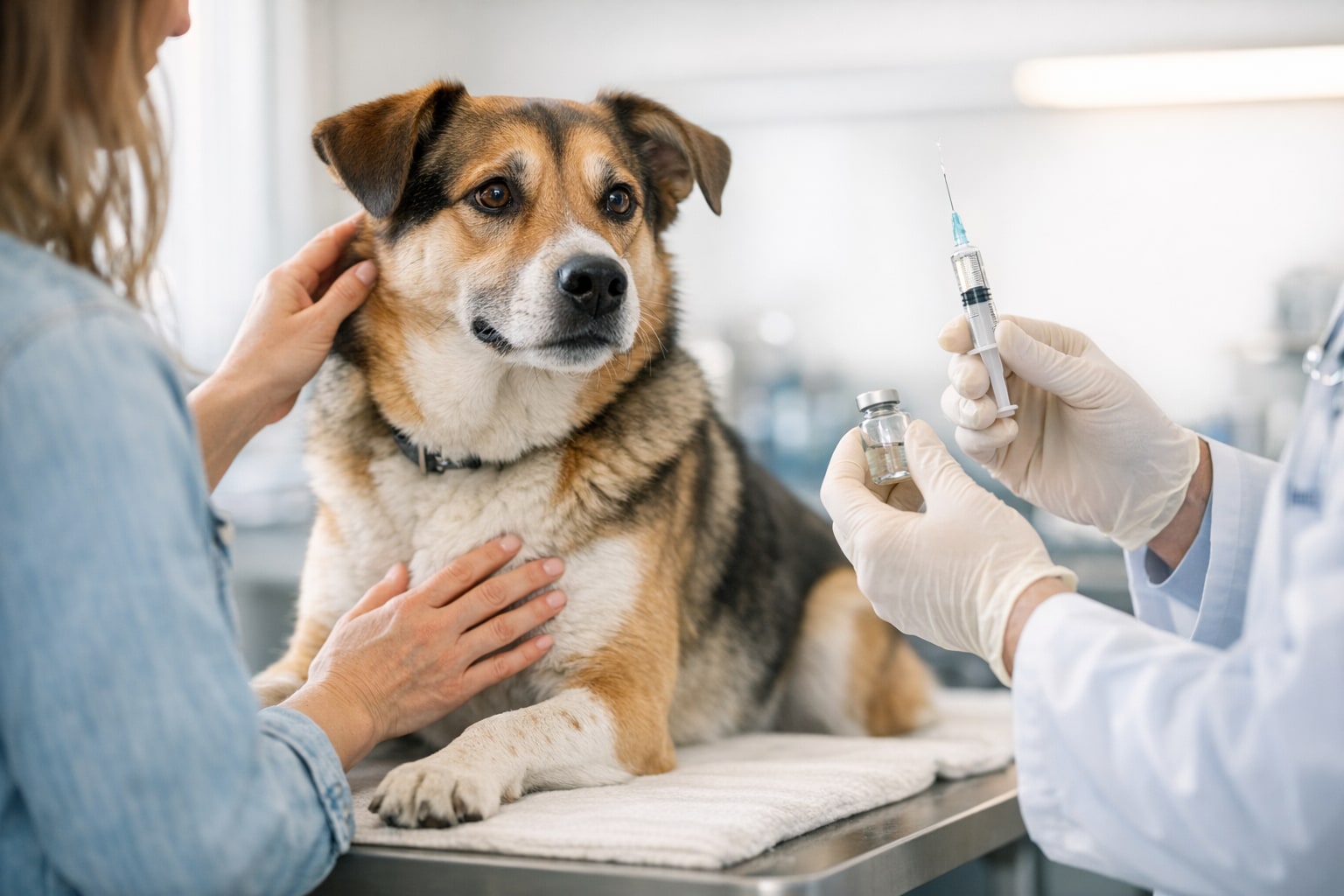
A vaccination plan depends on age, vaccination history, health, and exposure risk. Review the schedule with a veterinarian rather than applying one timetable to every companion dog.
Whether you are raising a family companion, preparing a dog for therapy work, or depending on a service dog in daily life, vaccines matter because dogs do not live in a bubble. They walk through parks, sit in waiting rooms, greet strangers, sniff where other dogs have passed, and sometimes travel farther than we ever expected. Disease can move quietly, and by the time symptoms show, the damage may already be done.
This vaccination guide for companion dogs is meant to give you a practical understanding of what vaccines do, which ones are considered essential, when dogs usually receive them, and how to work with your veterinarian to make sound decisions based on your dog’s age, health, and lifestyle. There is no one-size-fits-all plan for every dog, but there is a smart, informed approach.
Why Vaccinations Matter for Companion, Therapy, and Service Dogs
A dog that spends most of its life curled at your feet still faces exposure risk. A therapy dog that visits hospitals or schools faces even more. A service dog that accompanies its handler into public spaces carries not only its own health burden, but also a responsibility to remain physically sound and safe in busy environments. Vaccination helps reduce the risk of serious infectious disease, and it also supports public health in certain cases, especially with rabies.
You do the work ahead of time because once you are in the thick of it, you may not get a second chance. Diseases like parvovirus, distemper, and rabies are not small inconveniences. They can be devastating, expensive to treat, and in some cases fatal.
Vaccines train the immune system to recognize and fight specific pathogens. They do not guarantee a dog will never get sick, but they greatly reduce the odds of severe illness from diseases we know how to prevent. That is a trade worth making.
Core Vaccines
Core vaccines are the ones most veterinarians recommend for nearly every dog, regardless of breed or routine. These protect against diseases that are widespread, severe, or dangerous to both animals and people. For most companion dogs, the core group includes rabies, distemper, parvovirus, and adenovirus, which is often associated with hepatitis protection in combination vaccines.
Distemper is a hard disease that can attack the respiratory, gastrointestinal, and nervous systems. Parvovirus is especially feared in puppies because it strikes fast and can be deadly. Adenovirus protection helps guard against infectious canine hepatitis and related illness. Rabies, of course, is not only deadly but also regulated by law in many places because it can spread to humans and other animals.
Non-Core Vaccines
Non-core vaccines are given based on risk. They are not unnecessary; they are situational. A dog that boards often, attends daycare, works in public settings, visits grooming salons, hikes in tick-heavy country, or spends time around other dogs may benefit from vaccines beyond the core set. These often include Bordetella, leptospirosis, canine influenza, and Lyme disease.
Bordetella is commonly associated with kennel cough, which spreads easily where dogs gather. Leptospirosis deserves special attention because it can be picked up from contaminated water or wildlife exposure and can also affect humans. That matters in town and in the country. Folks sometimes think it is only a rural concern, but city puddles and rodent activity can carry risk too. Canine influenza may be recommended in areas with outbreaks or for dogs with heavy social exposure. Lyme vaccination may be useful in regions where ticks are common.
Puppy Vaccination Schedule: Building Protection Early
Puppies do not start with a fully reliable shield. They receive some temporary immunity from their mother, but that protection fades, and the timing can vary. That is why puppies are vaccinated in a series rather than all at once. The goal is to protect them during that window when maternal antibodies are dropping and their own immune system needs support.
Many veterinarians begin puppy vaccinations around six to eight weeks of age, then continue every few weeks until about sixteen weeks, sometimes a bit longer depending on risk and vaccine type. The exact schedule should come from your veterinarian, but the general idea is steady, timed coverage. Rabies is often given later in puppyhood according to local law and veterinary guidance.
This is the stage where owners can make one of the most common mistakes: assuming one early shot means the puppy is fully protected. It does not. Until the vaccine series is complete, puppies remain vulnerable. That means socialization should be thoughtful. You still want to introduce your puppy to the world, but you do it with care, choosing clean environments and known healthy dogs instead of throwing a young pup into high-risk places too soon.
For future therapy or service dogs, this period is especially important. Healthy development, safe exposure, and proper preventive care all work together. A dog cannot learn calm public manners if illness derails its early growth.
Adult Dog Boosters and Ongoing Protection
Once the puppy series is finished, vaccination does not become a forgotten chore. Adult dogs need booster shots on a schedule determined by vaccine type, local regulations, and veterinary advice. Some boosters are yearly, while others may be given every three years. Rabies timing often depends on the law in your state or county and the specific vaccine used.
For adult companion dogs, the right booster schedule depends on how they live. A quiet homebody may not need every non-core vaccine, while a therapy dog greeting strangers every week might need broader protection. A service dog traveling with its handler into stores, medical facilities, or public transportation may need a plan tailored to that exposure. The same is true for dogs that board, compete, or spend time outdoors in tick or wildlife country.
You do not wait for the cattle to wander off before repairing the weak section. You maintain protection before immunity drops too far.
Are Dog Vaccines Safe?
In the great majority of cases, yes. Most dogs handle vaccines well. The most common reactions are mild and short-lived, such as slight soreness at the injection site, a little sleepiness, or reduced appetite for a day. Those signs usually pass without trouble.
More serious reactions are less common, but owners should still know what to watch for. Facial swelling, vomiting, diarrhea, hives, difficulty breathing, collapse, or severe lethargy after vaccination warrant immediate veterinary attention. If your dog has had a vaccine reaction before, tell your veterinarian before the next appointment. There may be ways to adjust the plan, space vaccines out, or monitor more closely.
That said, fear should not outrun facts. The risk from preventable infectious disease is often far greater than the risk of a serious vaccine reaction. A sensible owner weighs those realities with a veterinarian who knows the dog’s history.
Working With Your Veterinarian to Build the Right Plan
The best vaccination guide for companion dogs will always include this point: your veterinarian is your partner. The internet can give you a framework, but it cannot examine your dog, assess local disease trends, or account for legal requirements where you live. Vaccine decisions should be made with the dog’s age, medical history, daily routine, travel habits, and working role in mind.
If you own or plan to own a therapy dog, ask about exposure risks tied to group settings and institutional visits. If you rely on a service dog, discuss travel and public access patterns. If your dog is mostly a beloved couch companion but joins you on trails, camps, or country walks, mention that too. Exposure can come from standing water, wildlife, ticks, shared airspace, and close contact with unfamiliar dogs.
It pays to keep a clean vaccination record and know when boosters are due. This is useful not just for health, but also for boarding facilities, training programs, therapy certifications, and travel requirements. Keeping records squared away is part of responsible ownership.
Special Considerations for Senior Dogs and Dogs With Health Issues
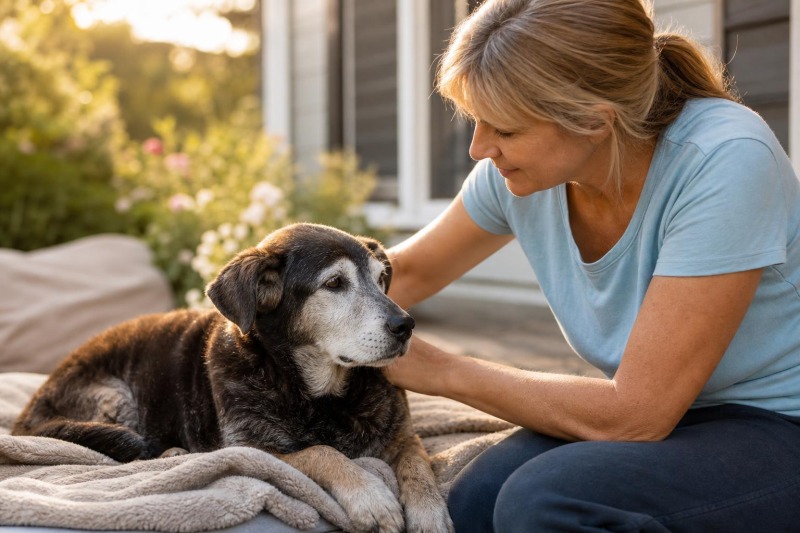
Older dogs still need thoughtful preventive care, but vaccination plans may need to be adjusted based on health status. A senior dog with chronic illness, immune concerns, or a history of vaccine sensitivity should be evaluated carefully. The answer is not automatically to skip vaccines, nor is it to push forward blindly. It is to weigh benefit and risk with a veterinarian who understands the whole picture.
The same goes for dogs with medical conditions or those taking medications that affect immune function. In some cases, lifestyle changes may also help reduce disease exposure. Good decisions often come from combining vaccination, routine wellness exams, parasite prevention, and smart management rather than relying on any single tool alone.
Common Mistakes Dog Owners Should Avoid
One mistake is delaying puppy vaccines because the puppy seems healthy. Another is assuming indoor dogs do not need protection. A third is forgetting booster appointments and trying to play catch-up only when boarding, travel, or training is around the corner. The truth is, risk can show up in suburban neighborhoods and city blocks just as easily.
Another problem is treating all dogs as if they live identical lives. A retired senior companion, a hospital therapy dog, and a full-time service dog may share your home, but they do not share the same exposure profile. Good care means seeing the dog in front of you, not a generic label.
A sound vaccination plan is one of the strongest foundations you can give a dog. It protects the eager puppy finding its footing, the steady therapy dog bringing comfort to others, the service dog carrying real responsibility, and the faithful companion that meets you at the door every day. When done right, vaccination is not just a box to check. It is part of a larger promise we make to dogs who depend on us.
Vaccination is part of that bargain. Work with a trusted veterinarian, keep your records current, and build a plan that fits your dog’s life. That way, you are not just reacting to trouble when it comes down the trail. You are staying ahead of it.