An older dog's routine may need adjustment as mobility, sleep, appetite, or tolerance of activity changes. Track those changes and discuss them with a veterinarian instead of attributing everything to age.
Whether you share your home with a companion dog, a therapy dog, or a service dog, the later years deserve real attention. Older dogs can continue living rich, steady, meaningful lives when we pay attention to comfort, routine, diet, movement, and mood. You cannot treat a twelve-year-old dog like a two-year-old prospect and expect good results. You adjust, you observe, and you protect what matters.
Know When Your Dog Becomes a Senior
One of the first senior dog care tips worth remembering is that aging does not hit every dog on the same day. A giant breed may show senior changes years before a small companion dog does. Some service dogs stay sharp and physically capable deep into their later years, while others begin showing signs of slowing down sooner because of workload, genetics, or old injuries. The key is not a birthday on paper. The key is noticing change.
Maybe your dog takes longer to rise after a nap. Maybe stairs bring hesitation where there used to be confidence. Maybe the ears still hear the treat jar but miss the softer sounds. You may notice a once-eager worker needing longer recovery after outings or a therapy dog becoming less interested in crowded environments. Those details matter. Aging often arrives in quiet ways before it becomes obvious.
Watch the Small Signs
The earliest clues are often easy to dismiss. Weight gain, weight loss, disrupted sleep, increased thirst, cloudy eyes, bad breath, stiffness, house-soiling, anxiety, and confusion can all be tied to senior health changes. Sometimes folks call it old age when it is actually pain, dental disease, thyroid trouble, arthritis, or cognitive decline. An older dog should never be written off as simply slowing down without a good look from a veterinarian.
Make Regular Veterinary Care Non-Negotiable
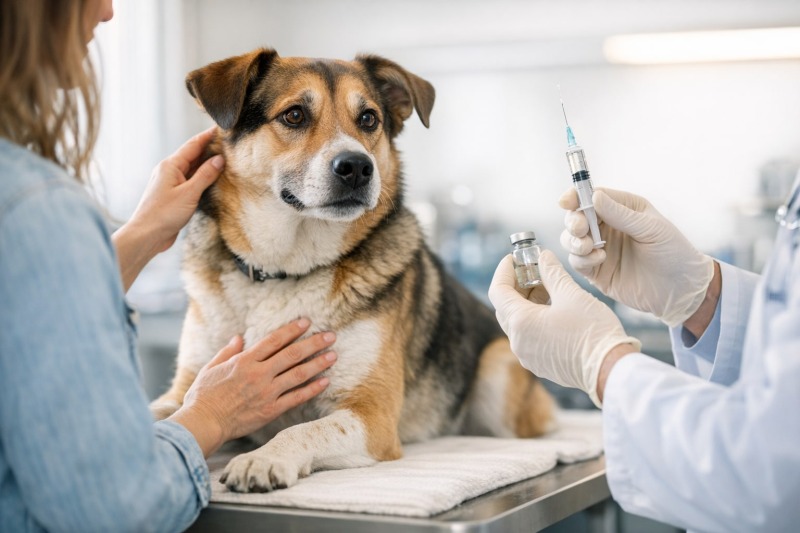
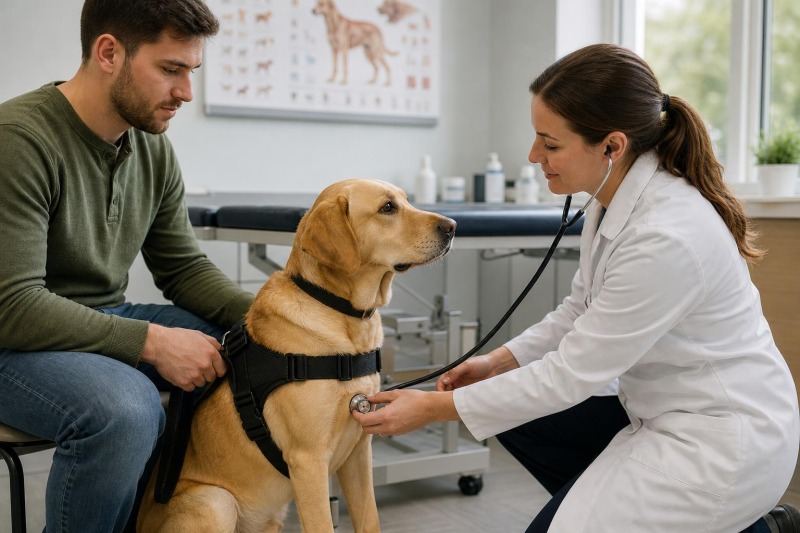
If there is one place where senior dog care lives or dies, it is in routine medical attention. Older dogs need more frequent checkups because problems can move fast once they start. What looks like ordinary slowing down may be joint disease, heart trouble, diabetes, kidney issues, vision loss, or hearing decline. Catching these things early gives your dog a far better chance at comfort and stability.
For senior companion dogs, these visits help preserve quality of life. For therapy dogs and service dogs, they also help determine whether the dog can continue working safely and comfortably. A dog can be willing long after the body starts bargaining. That is where the owner must be clear-eyed. Pride has no place in care decisions.
Ask your veterinarian about bloodwork, dental checks, mobility assessments, body condition, and any change in behavior or appetite. If your older dog is on medication, stay consistent and keep notes on what improves and what does not. Good senior care is often less about dramatic action and more about steady management.
Feed the Dog in Front of You
Nutrition becomes more important with age, not less. Senior dogs need food that supports lean muscle, healthy weight, digestion, and joint function. The right diet depends on the dog’s size, activity level, medical history, and whether your dog still performs tasks or therapeutic visits. An older service dog that remains active may need a different feeding plan than a retired companion dog who spends more time resting by the window.
Weight control matters a great deal. Extra pounds put strain on aging joints and can shorten a dog’s useful, comfortable years. On the other hand, unexplained weight loss can point to illness, poor absorption, dental pain, or muscle wasting. Keep your hands on your dog, not just your eyes. Run your palm over the ribs, look at the waistline, and notice whether the body is changing.
Hydration and Digestive Comfort
Older dogs can become fussy eaters, but sometimes what looks like pickiness is discomfort. Dental pain, nausea, or reduced sense of smell can all change eating habits. Fresh water should always be easy to reach, and some seniors do better with softer food or a mixed diet if chewing becomes difficult. Any major appetite shift deserves attention, especially if it comes with vomiting, diarrhea, constipation, or lethargy.
Protect Mobility Before It Slips Away
A dog does not have to be flat lame to be hurting. Many seniors hide discomfort well, and hardworking dogs especially will push through soreness if asked. One of the best senior dog care tips is to make movement easier before your dog is forced to struggle. Rugs on slick floors, ramps at steps or vehicles, supportive bedding, and thoughtful exercise can preserve confidence and reduce strain.
That is when a person has to show judgment. Keep your dog moving, but do it wisely. Shorter, more frequent walks are often better than one hard push. Gentle climbing, light play, controlled leash exercise, and veterinarian-approved supplements or therapies can help maintain muscle and function.
Do not wait until your dog refuses a favorite route or stumbles badly to address mobility. By then the dog may have been compensating for a long while. Early support often means more good months and less suffering.
Create a Home That Supports an Aging Dog
Senior dogs thrive on predictability. As senses change and the body slows, the home should become easier to navigate, not more demanding. Keep food and water in accessible places. Make sleeping areas warm, quiet, and easy to enter. If your dog has vision loss, avoid rearranging furniture without reason. If hearing is fading, approach gently so you do not startle them awake.
This matters for every older dog, but especially for therapy and service dogs transitioning into lighter work or retirement. Dogs who have spent years staying tuned to people can find change unsettling if they are suddenly left without structure. Routine feeding times, regular bathroom breaks, gentle outings, and continued engagement help them feel grounded.
Comfort Is Not Spoiling
There is a certain old-school mindset that says a dog will be fine anywhere so long as it has grit. Thick bedding, traction mats, climate control, and help getting into the car are not softness. They are practical care. A senior dog does not need to prove toughness. That dog already has.
Keep the Mind Working
Aging is physical, but it is mental too. Many older dogs still want purpose, and that purpose can be as simple as a steady routine, a scent game in the yard, a short training session, or a calm public outing if appropriate. Mental stimulation helps preserve confidence and can slow the frustration that comes with boredom and confusion.
For retired service dogs and therapy dogs, the shift away from regular duties should not feel like being cast aside. Let them participate in family life. Give them simple tasks, familiar cues, and quiet praise. If a dog has spent years attending to human needs, complete idleness can feel strange. Purpose does not have to mean pressure. It just means continued connection.
If you notice pacing, nighttime restlessness, staring at walls, accidents indoors, or seeming lost in familiar places, talk with your veterinarian. Cognitive changes are common in senior dogs, and supportive care can make a real difference.
Adjust Workloads for Senior Therapy and Service Dogs
For readers interested in therapy dogs, service dogs, and companion dogs, this point deserves plain talk. Not every older working dog should retire at the same age, but every aging working dog should be evaluated honestly. A good dog may still be eager to perform tasks or visit people in need, yet the body may no longer recover as it once did. Joints, vision, stamina, and stress tolerance all have to be considered.
Sometimes the right move is reduced hours. Sometimes it is shorter visits with more recovery. Sometimes it is retirement with dignity while a younger dog steps forward. That is not failure. That is stewardship. A dog that has carried responsibility for years deserves a transition that honors its service instead of draining the last of it.
Pay Attention to Pain, Behavior, and Quality of Life
Older dogs often communicate discomfort through behavior before they show it in movement. Irritability, clinginess, withdrawal, panting, licking at joints, avoiding touch, reluctance to go outside, and changes in sleep can all point to pain or distress. Families sometimes misread this as stubbornness or personality change. More often than not, the dog is trying to cope.
Quality of life should be assessed with honesty and tenderness. Is your dog eating with interest, resting comfortably, moving without severe struggle, and still enjoying parts of daily life? Is there more comfort than distress? Those are hard questions, but responsible owners ask them before crisis forces the issue.
The Real Heart of Senior Dog Care
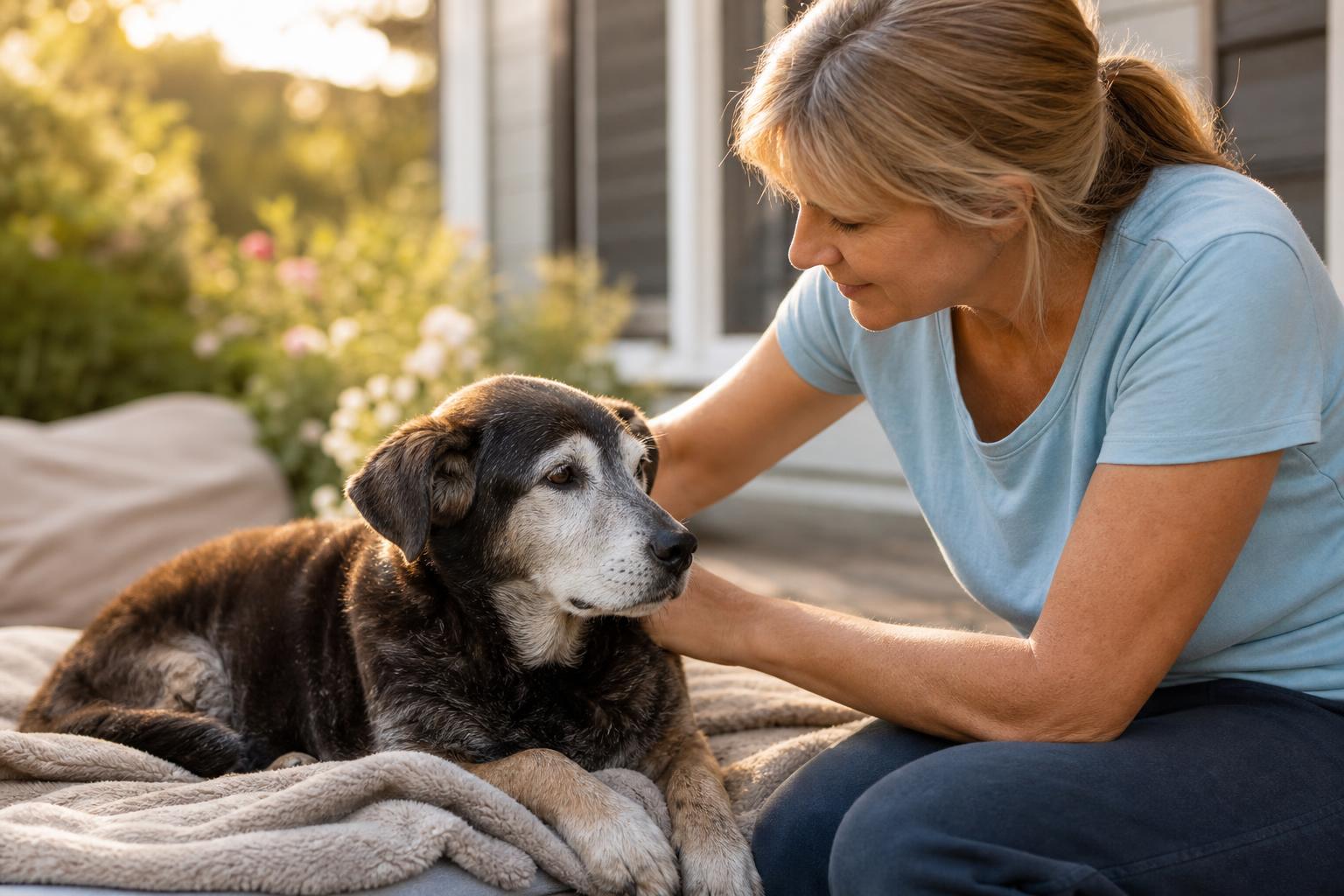
Senior dog care tips are not just about food, ramps, medications, or softer beds, though all of those matter. The deeper part is attention. An old dog needs a person who notices the pause before lying down, the slower turn at the doorway, the look that says today is not the same as yesterday. If you can give that kind of care, you can help an aging dog live with dignity and ease.
There is something special about the old ones. They are steadier, deeper, and somehow closer to you than they were in the wild young years. Maybe it is because time has polished away the extra noise. Maybe it is because you have walked enough miles together to understand each other without much fuss. However you name it, those later seasons are worth showing up for. Take care of your senior dog with patience, common sense, and gratitude, and you will be repaid in the quiet kind of companionship that only an old dog knows how to give.