Dogs may contribute companionship, routine, or trained assistance during mental-health recovery. Those roles differ, and none should be presented as a substitute for appropriate clinical care.
For many people, healing does not happen in one clean line. It comes in starts and stops, in good mornings followed by rough afternoons, in progress that looks small until you turn around and realize how far you have walked. Dogs fit into that kind of recovery in a natural way. They live close to the ground, close to the moment, and they pull us back there with them. Whether we are talking about a trusted companion dog, a therapy dog that brings comfort in structured settings, or a service dog trained to perform psychiatric support tasks, dogs can offer a kind of help that reaches both the heart and the body.
Why Dogs Matter in Mental Health Recovery
Mental health struggles often bring isolation, disrupted routines, fear, poor sleep, and a sense of disconnection from everyday life. A dog pushes against that drift. Even on the hard days, that dog still needs food, water, a walk, a bit of brushing, or a hand on its shoulder. That responsibility can be a burden if the dog is the wrong fit, but when the match is right, it gives structure to people who badly need it. It creates small tasks that matter. Small tasks lead to movement, and movement often leads to momentum.
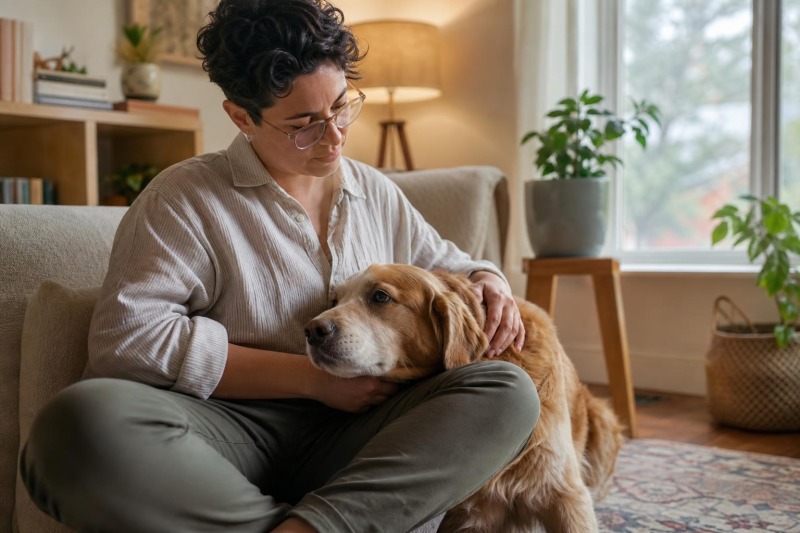
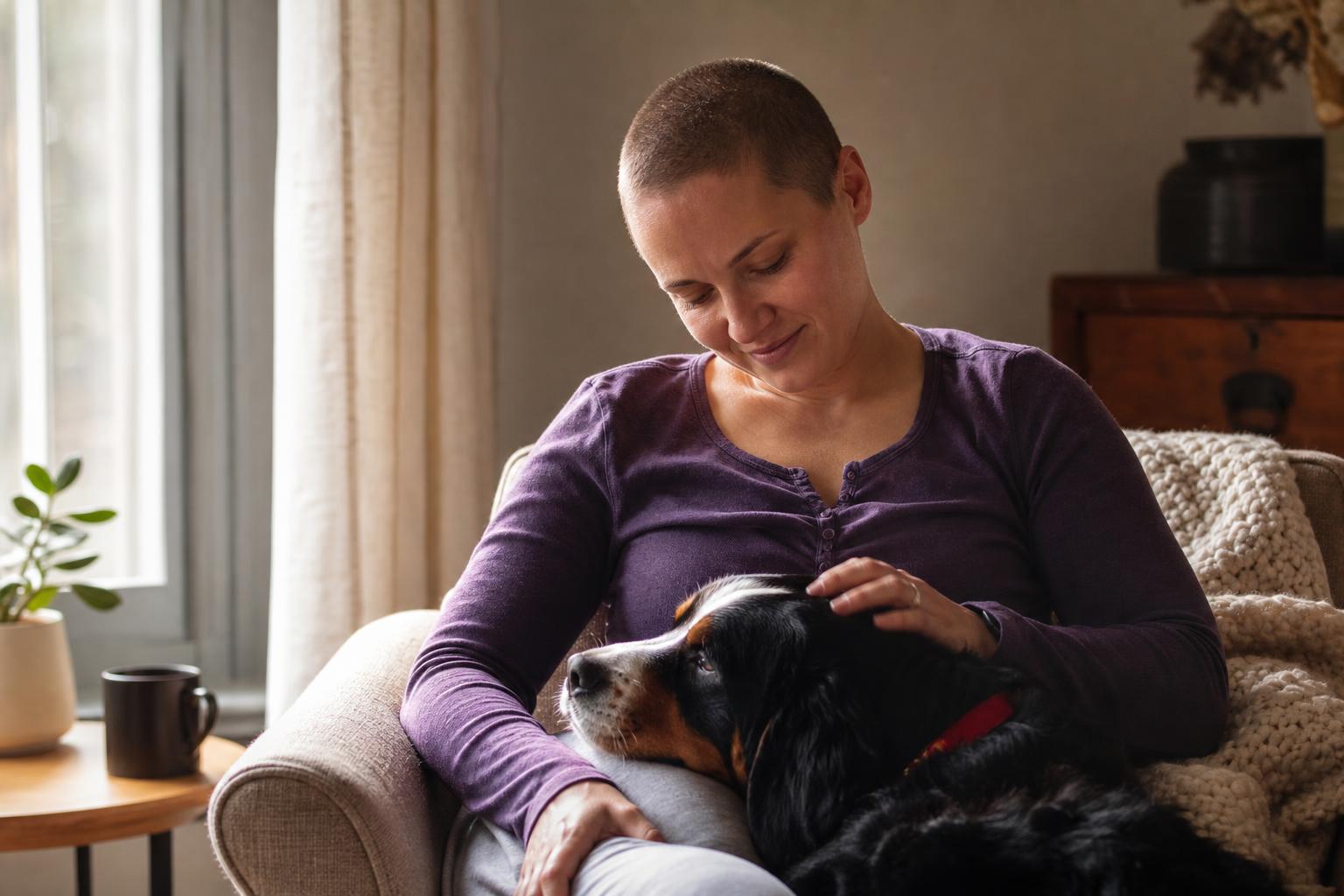
There is also the quiet language dogs speak better than most people. They notice pacing, changes in breathing, tension in the hands, and the silence that settles over someone who is not doing well. Good dogs read us with a hunter’s patience. They do not always understand the reason behind our distress, but they recognize the shift. A dog may rest its head on a knee, lean into a leg, nudge a hand away from spiraling thoughts, or simply stay close until the worst of the moment has passed. That kind of contact can reduce the feeling of being alone inside your own mind.
For people dealing with anxiety, depression, post-traumatic stress, or other emotional challenges, this bond can become part of a wider recovery plan. It is not a replacement for therapy, medication, medical care, or support systems. It is support with fur on it, and in many homes, that support turns out to be deeply meaningful.
The Science Behind the Bond
Anyone who has lived with a good dog already knows the effect in their bones, but science has been catching up for years. Time spent petting or interacting calmly with dogs has been linked with reduced stress markers and increased feelings of comfort and social connection. There is a reason your shoulders drop when a calm dog settles against you. The body often responds before the mind can explain it.
That response matters in mental health recovery because healing is not just about thoughts. It also involves the nervous system. People recovering from trauma, chronic anxiety, or deep depression may live in a state of constant alertness or exhaustion. A calm, predictable dog can help interrupt that cycle. Not every dog has this effect, of course. A frantic, under-trained dog can make things worse. Temperament, training, and fit all matter.
Companion Dogs and Everyday Emotional Support
A companion dog is often the first kind of support people think about, and for good reason. These dogs are not necessarily trained to perform specialized tasks in the legal sense, but they can still provide profound emotional comfort. A dependable companion dog helps create rhythm in the day. Morning feeding turns into stepping outside. Stepping outside turns into fresh air. Fresh air turns into a short walk, and that walk may be the first healthy thing a person has done for themselves all week.
That matters. Caring for another living creature can restore a sense of usefulness when a person feels flat and hollow. A companion dog can also offer steady affection without judgment. That kind of consistency is rare, and in recovery, rare things matter.
Still, a companion dog should be chosen with clear eyes. Energy level, size, grooming demands, trainability, and temperament all shape whether a dog will support recovery or strain it. A soft-natured dog with moderate exercise needs may suit one person perfectly. Another might do better with a more active breed that encourages long walks and outdoor time. The best choice is the dog that fits the person’s daily reality, not the dog that looks good in a picture.
Therapy Dogs in Healing Spaces
Therapy dogs serve a different role. These dogs are usually brought by handlers into hospitals, schools, counseling centers, nursing homes, rehabilitation programs, and other structured environments where comfort and human connection are needed. A true therapy dog is steady under pressure, friendly without being pushy, and reliable in unfamiliar settings. That sort of dog can open doors that conversation alone sometimes cannot.
In mental health recovery settings, therapy dogs often help people lower their guard. Someone who does not want to speak to a counselor right away may talk to the dog first. A child with anxiety may read aloud to a dog without fear of criticism. A veteran carrying memories too sharp for easy discussion may find that petting a calm dog makes it possible to stay in the room a little longer. Those are not small things. They are often the first cracks in the wall, and healing usually starts there.
The value of a therapy dog lies partly in what the dog brings out in people. Dogs invite conversation, memory, and softness. They can shift the tone of a room from clinical to human. For someone in recovery, that change can make treatment feel less intimidating and more possible.
Service Dogs for Mental Health Disabilities
Service dogs are in a class of their own. These dogs are individually trained to perform tasks that directly help a person with a disability, including psychiatric disabilities in some cases. A psychiatric service dog may interrupt panic behaviors, remind a handler to take medication, create physical space in crowded areas, wake a person from night terrors, or guide them to an exit during overwhelming episodes. That is not casual comfort. That is trained, practical support built around real daily needs.
This distinction matters because service dogs, therapy dogs, and companion dogs are often confused online. They are not interchangeable. A service dog must be task-trained for the individual handler’s disability. A therapy dog offers comfort to other people in approved settings. A companion dog provides emotional support through the human-animal bond at home and in daily life, though legal access rights differ depending on the category and local laws.
For someone in mental health recovery who is considering a service dog, the decision should be made carefully with medical and professional guidance. A service dog can be life-changing, but it also requires ongoing training, management, public handling skills, and a lifestyle that supports the dog’s welfare. These dogs are not shortcuts. They are working partners.
What Makes the Right Dog for Recovery
They are the dogs with sense. The kind that watch before they react. The kind that recover quickly from surprises. The kind that can settle. In the field, a dog that burns all its fuel in the first hour is hard to hunt with. In the home, a dog that lives wound tight can be just as difficult for someone in recovery.
Temperament should come before appearance every time. Look for stability, sociability, trainability, and a manageable energy level. Consider age as well. Puppies are charming, but they demand patience, consistency, and sleep you may not have. An adult dog with a known personality can sometimes be the wiser choice for a person focused on healing.
The Responsibilities That Come With the Reward
There is no honest article on dogs and mental health recovery that should skip the hard side of the equation. Dogs need veterinary care, exercise, training, time, money, and structure. If a person is in a severe phase of illness, adding a dog without support may create stress rather than relief. Recovery-focused planning is essential. Who helps with the dog during setbacks? Is the housing situation stable? Can the person meet the dog’s physical and emotional needs over time?
These questions do not mean someone should give up on the idea. They mean the decision deserves respect. The best dog relationships are built on mutual care. When both human and dog are supported, the bond becomes strong enough to carry real weight.
A Dog Is Not a Cure, But It Can Be a Way Forward
That is how recovery often looks in real life. Not dramatic. Not perfect. Just a series of steps taken because something loyal is waiting at the door.
Dogs and mental health recovery belong in the same conversation because dogs meet people where they are. A companion dog can restore routine and comfort at home. A therapy dog can support healing in professional and community settings. A service dog can provide highly trained assistance that helps a person function more safely and independently. Each role matters. Each one should be understood clearly.
If you are exploring whether a therapy dog, service dog, or companion dog may be right for you or someone you love, start with honesty. Look at daily needs, limitations, goals, and living conditions. Talk with qualified professionals. Learn the differences. Choose a dog for temperament and fit, not impulse. Done right, the partnership can become one of the steadiest supports a person has in the long road of healing.
A good dog does what good dogs have always done. It stays close. It keeps watch. It helps carry the quiet load. And for many people in mental health recovery, that can mean more than words ever could.