Spending time with a dog may be relaxing for some people and stressful for others. Consider the setting, the person's preferences, and the work involved in caring for the animal.
For anyone exploring the world of companion dogs, therapy dogs, or service dogs, it helps to understand that each role brings something different to the table. All dogs can offer affection and routine, but some are especially suited to emotional support through daily companionship, some are trained to bring calm to others in clinical or community settings, and some are trained to perform specific tasks that help people with disabilities manage life with more confidence. When stress has become a constant companion, the right dog can become a steady hand in rough weather.
Why Dogs Help Reduce Stress
A dog does not care about your inbox, the tension from a hard conversation, or the noise of the outside world. That alone is powerful. Dogs pull people back into the present. They need feeding, walking, grooming, and attention, and that simple rhythm can keep a person from drifting too far into anxious thoughts. When your mind is racing, a dog asks you to clip on a leash, step outside, notice the wind, and move your body. Sometimes that is the first crack of daylight in a stressful week.
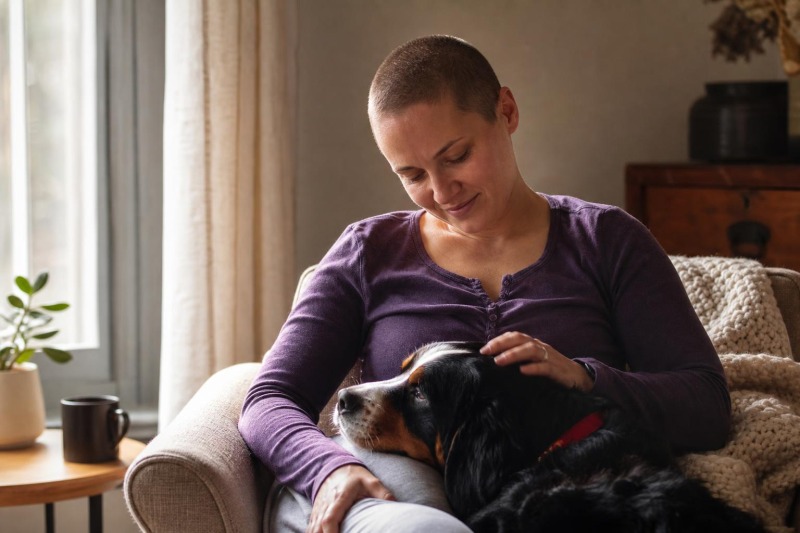
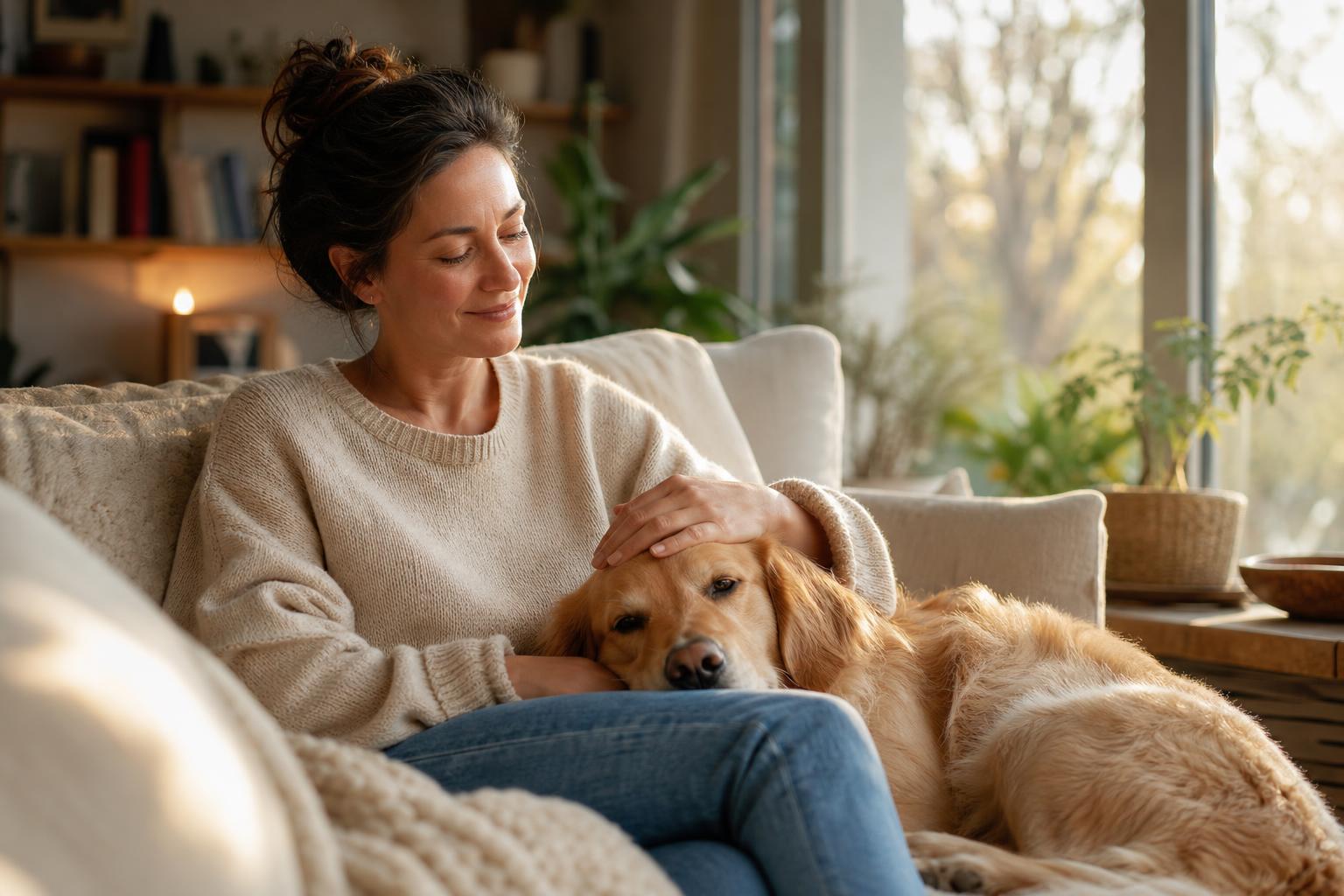
There is also the matter of trust. A good dog reads body language better than most people do. They notice when your breathing changes, when your shoulders tighten, when your pace turns restless. Many dogs respond by leaning in, resting a head on your knee, or simply staying close. It sounds simple, and it is, but simple things often work best. That quiet, grounded presence can help lower tension and create a sense of safety that is hard to manufacture any other way.
Science supports what seasoned dog owners have long known from experience. Time spent with dogs has been linked to lower cortisol levels, improved mood, and reduced feelings of loneliness. But even outside the lab, the proof shows itself in everyday life. A person with a dog often sleeps better, gets outside more, and feels less isolated. Stress does not always disappear, but it becomes easier to carry.
Companion Dogs and Everyday Emotional Support
Companion dogs are often the first place people begin, and for good reason. These dogs are not necessarily trained for public therapy work or disability-related tasks, but they are deeply important. A well-matched companion dog brings structure, affection, and a sense of belonging to a household. For someone dealing with daily stress, grief, burnout, or loneliness, that can be life changing.
The best companion dogs for stress relief tend to have stable temperaments, a desire to bond closely with their people, and an ability to settle well indoors. That does not mean a dog has to be lazy or overly quiet. Some people feel calmer with a gentle lap dog that likes to nap nearby, while others need an active partner that gets them outdoors every morning. The right fit depends on lifestyle, energy level, and expectations. A mismatch can add strain, while the right match can bring remarkable peace.
Choosing the Right Companion Dog for Stress Relief
A dog should fit your life the way a good pair of boots fits your feet. Temperament matters more than trend. If you live in a small space and work long hours, a high-drive breed may not be your best path to calm. If stress has left you feeling stuck indoors, a dog that needs a couple of brisk walks a day might be just what gets you moving again.
Breed can offer clues, but the individual dog matters most. Retrievers, Cavaliers, Poodles, and mixed breeds with calm, people-oriented personalities are often strong candidates for companionship. Rescue dogs can be outstanding sources of comfort too, especially when their temperament has been evaluated carefully. The key is choosing a dog whose needs you can meet consistently, because responsible ownership is part of what makes the relationship feel secure rather than overwhelming.
Therapy Dogs and Shared Comfort
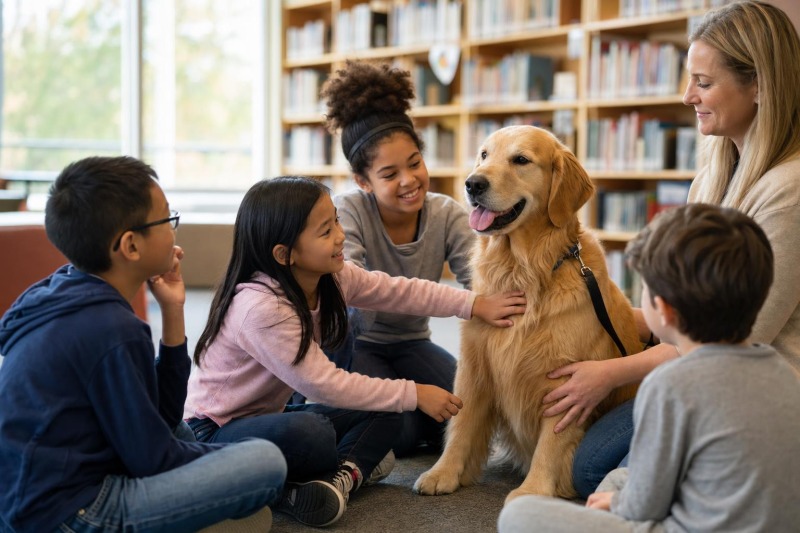
Therapy dogs serve a different purpose. These dogs are trained and tested to provide comfort in places like hospitals, schools, nursing homes, rehabilitation centers, and disaster response settings. They do not just support one person at home. They offer calm and connection to many people in structured environments. Their presence can soften fear, reduce agitation, and create an opening for emotional healing.
That kind of dog is worth admiring. Therapy dogs need excellent manners, confidence around strangers, and the temperament to remain calm amid wheelchairs, medical equipment, sudden noises, and unpredictable behavior. They are not rattled easy, and that steadiness is exactly what makes them such effective stress relievers.
For people interested in learning about therapy dogs, it is important to understand that not every friendly dog is suited for therapy work. A true therapy dog must enjoy unfamiliar people and handle public interaction with grace. When the dog is right for the work, the impact can be profound. Children read more confidently to calm dogs. Patients facing pain or uncertainty relax more easily. Older adults brighten when a familiar canine visitor appears at the door. Stress gives way, even if only for a while, and sometimes that while is enough to matter deeply.
Service Dogs and Stress-Related Disabilities
Service dogs fill another role entirely. These dogs are specially trained to perform tasks for individuals with disabilities, including some psychiatric and medical conditions where stress and anxiety are part of the picture. A service dog may interrupt panic behaviors, remind a handler to take medication, guide them out of overwhelming spaces, create physical space in a crowd, or alert to changes related to a medical event. That is far beyond general comfort. It is trained, purposeful support.
For someone living with severe anxiety, PTSD, or another qualifying condition, the help of a service dog can restore freedom that stress has slowly taken away. A trained dog can make public life more manageable and daily routines more stable. But this path requires seriousness. Service dogs need extensive training, public access skills, and a handler prepared for the responsibility of working with a dog in a consistent, respectful way.
Understanding the Difference Matters
Companion dogs, therapy dogs, and service dogs all provide stress relief, but they are not interchangeable. A companion dog offers personal emotional comfort at home and in daily life. A therapy dog is trained to comfort many people in approved settings. A service dog is trained to perform specific tasks for a person with a disability. Knowing these distinctions helps people choose the right path and avoid confusion, especially when researching what type of dog best fits their needs.
The Daily Habits That Make Dogs So Effective
One of the finest things a dog brings into a stressful life is routine. Dogs rise with purpose. They need breakfast whether you feel motivated or not. They need exercise whether the day looks easy or difficult. They need fresh water, clean spaces, and your attention. That responsibility may sound like work, and it is, but it is often good work. Healthy routine gives shape to the day. It helps prevent the kind of aimless drift that lets stress build into something heavier.
Then there is touch. Running your hand over a dog’s coat, feeling that warmth, noticing how they relax under your palm, all of it slows a person down. Add in the natural social bridge dogs create, and the effect grows. People with dogs tend to speak to neighbors more, spend more time outdoors, and feel less cut off from the world. When stress thrives on isolation, a dog can interrupt that pattern in practical ways.
Is a Dog the Right Answer for Your Stress?
A dog can be a powerful source of stress relief, but honesty matters here. Dogs need time, money, patience, and commitment. They shed, they age, they get sick, and some come with behavioral challenges that require steady training. If a person is looking for a cure-all, they may be disappointed. But if they are looking for a loyal presence, a reason to keep moving, and a relationship built on trust and routine, a dog can be one of the best decisions they ever make.
Start by asking what kind of support you truly need. If you want comfort, companionship, and emotional steadiness at home, a companion dog may be ideal. If you hope to share comfort with others through volunteer work, a therapy dog could be worth exploring. If stress is tied to a disability and task-trained assistance is necessary, learning about service dogs is the right step. There is no shame in taking your time. A good dog deserves a thoughtful home, and a stressed person deserves a good match.
A trustworthy dog has a way of reminding a person what solid ground feels like. In a noisy world, they are honest company. In tense moments, they bring steadiness. In lonely seasons, they fill the silence with life.
For anyone interested in therapy dogs, service dogs, or companion dogs, the lesson is the same: the right dog can do more than keep you company. A dog can help create routine, offer emotional relief, support recovery, and bring calm when stress has worn you down. When chosen carefully and cared for well, that bond becomes one of the strongest forms of support a person can have.