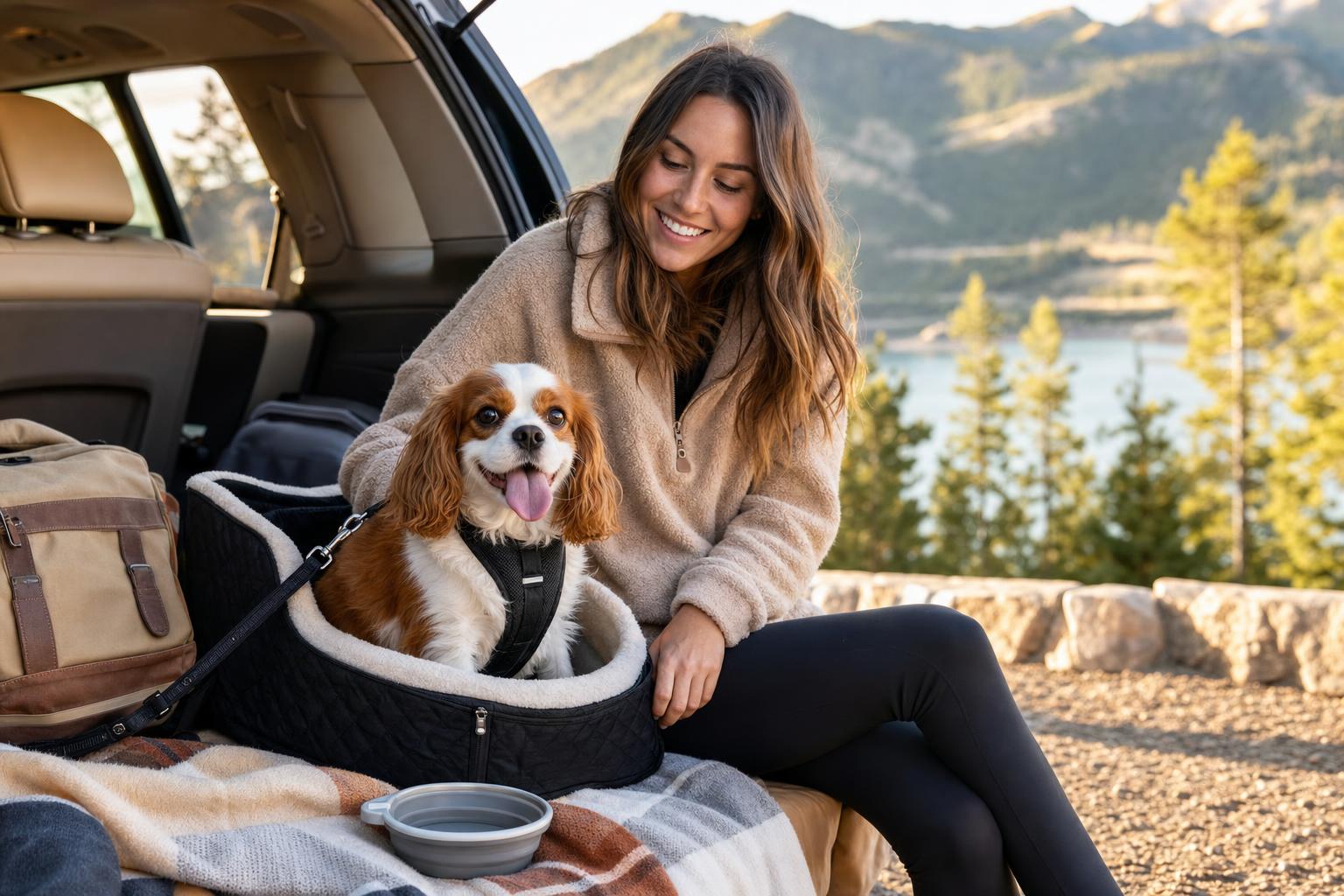
Trips with a lap dog need secure transport, appropriate accommodation, and time for ordinary care. Begin with manageable outings so the travel setup becomes familiar before a longer journey.
Folks often assume small dogs are easier to travel with simply because you can pick them up with one arm and set them wherever you please. That is only half true. Their size helps, no doubt, but their safety, confidence, and comfort still depend on the choices you make before the wheels ever start turning. A fine companion dog, therapy dog prospect, or service dog in training needs a travel routine that builds trust rather than confusion. That routine starts at home and follows you into the truck, the airport, the hotel lobby, and every unfamiliar place in between.
Why Lap Dogs Make Remarkable Travel Companions
A well-bred, well-socialized lap dog often carries an adaptability that surprises people. These dogs are attentive, people-oriented, and usually happiest when they can stay close to their person. That closeness is worth its weight in gold when travel gets noisy, tiring, or unpredictable. A small companion dog can settle quietly in a carrier, rest under a table, or curl beside you at a lodge after a long day. For many owners, that steady presence is not just pleasant company. It can be calming, grounding, and deeply reassuring.
For those exploring the world of therapy dogs, service dogs, or companion dogs, travel also reveals a dog’s true temperament. A dog that can remain composed in new settings, adjust to changing sounds and scents, and take cues from its handler is showing valuable qualities. Not every lap dog is suited for every role, of course, but travel has a way of teaching both dog and owner what they are made of. You see where the cracks are, and you also see where the trust is strongest.
Preparing Before You Ever Leave the Driveway
Before traveling with your lap dog, make certain the basics are squared away. Your dog should have current identification, clear veterinary records, and a secure collar or harness with tags that can be read at a glance. If your dog is microchipped, double-check that the contact details are current. Too many people forget that last part, and it matters more than they think.
Health should be settled before convenience. If your dog gets carsick, nervous, or overstimulated, do not wait until the morning of departure to discover it. Take shorter drives in the weeks ahead. Watch how your dog breathes, settles, and recovers after each outing. If you are traveling with a therapy dog or service dog candidate, these shorter trips are training opportunities in plain clothes. Calm entry, calm exit, quiet waiting, and attention to the handler all count.
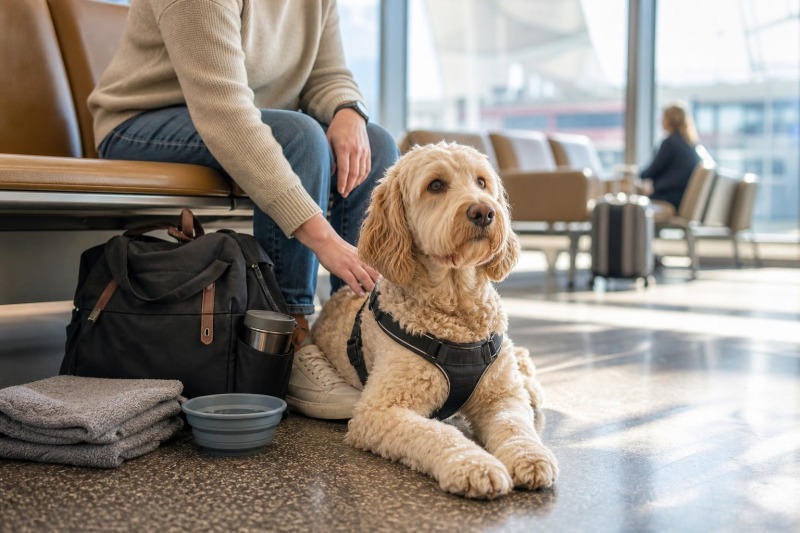
It also pays to practice the travel tools you plan to use. A carrier should feel like a familiar den, not a punishment. A seat-belt harness should be worn at home first so it does not become a wrestling match at the gas station. Food and water bowls, portable bedding, and even a small blanket that smells like home can make an unfamiliar room feel less strange. Dogs read the world through scent and routine. If you give them both, they tend to settle faster.
Packing for Comfort Without Overdoing It
You do not need to haul half the house, but you do need the right gear. Pack enough food for the full trip plus extra in case weather, traffic, or schedule changes keep you out longer than planned. Bring medications, waste bags, grooming supplies, and a towel for muddy paws or damp weather. Consider a dedicated travel kit for your dog, kept partly stocked year-round. When the urge to head out comes quick, you are not scrambling for essentials.
For small companion dogs, temperature matters more than many realize. A lap dog can get chilled fast in air conditioning and overheat quickly in a parked vehicle or direct sun. Pack with the season in mind. In cool weather, a light sweater or blanket may be enough. In heat, shade, ventilation, and frequent water access are not optional. They are the difference between a good trip and a dangerous one.
Road Trips, Rest Stops, and the Rhythm of the Journey
The open road has a rhythm to it, and dogs do best when they can fall into that rhythm with you. If you are driving, secure your lap dog properly. Letting a small dog roam freely in a vehicle may seem harmless, but it is unsafe for both dog and driver. In a sudden stop, a little dog can be badly injured in an instant. A secured carrier or crash-tested restraint gives your dog a defined space and keeps distractions down.
Rest stops are where good habits prove their value. Keep your dog leashed before any door opens. Strange parking lots and travel plazas carry a thousand distractions, and a startled dog can vanish quicker than most folks believe. Give your dog a chance to stretch, relieve itself, and reset mentally. Some dogs perk right up after a short sniff walk. Others need a quiet corner and a calm voice. Pay attention to the dog in front of you, not the dog you wish you had that day.
A full stomach and winding roads are not always a friendly mix. Water should be offered regularly, but in manageable amounts if your dog is prone to motion sickness. It is a practical balance, the sort learned by paying attention over time.
Hotels, Cabins, and Visiting New Places
There is an art to entering a new place with a dog. Walk in like you belong there, because nervous energy at the leash tends to travel straight down the line. If you are staying in a pet-friendly hotel, cabin, or rental home, know the rules before arrival. Weight limits, barking policies, and cleaning fees vary, and a little courtesy goes a long way. A lap dog that is quiet, house-trained, and under control leaves a better impression on everyone, which helps all responsible dog owners in the long run.
Once inside, give your dog a moment to investigate calmly. Set out the bed, water, and one or two familiar items. Do not flood the room with toys and excitement. New spaces can already feel busy to a dog. If you are traveling for therapy visits or service work, downtime matters. Your dog cannot remain switched on forever. Rest is part of training, and so is silence.
Be honest about your dog’s limits. Some little dogs can settle alone in a crate while you step out briefly. Others cannot. Separation distress in a hotel can spiral into barking, scratching, and panic. If your dog is not ready for that challenge, plan your trip around keeping your dog with you or building up that skill gradually at home first.
Etiquette Matters More Than Size
A lap dog that lunges, yaps at every passerby, or soils indoor spaces creates the same trouble as a larger dog, just in a smaller package. Good travel etiquette is not fancy. It is simple obedience, quiet handling, and respect for shared spaces. Keep your dog groomed, clean up after it promptly, and never assume every stranger wants an introduction.
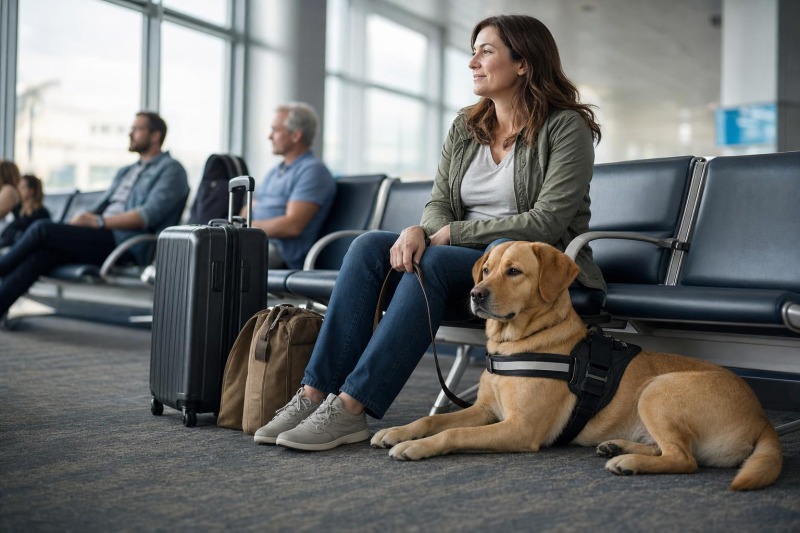
This is especially important for readers interested in therapy dogs and service dogs. Public access manners are built in ordinary moments. Waiting calmly at a doorway, ignoring food on the floor, settling under a chair, and remaining neutral around other animals are all pieces of the same puzzle. Travel sharpens those lessons because there are more distractions and fewer second chances.
Flying With a Lap Dog
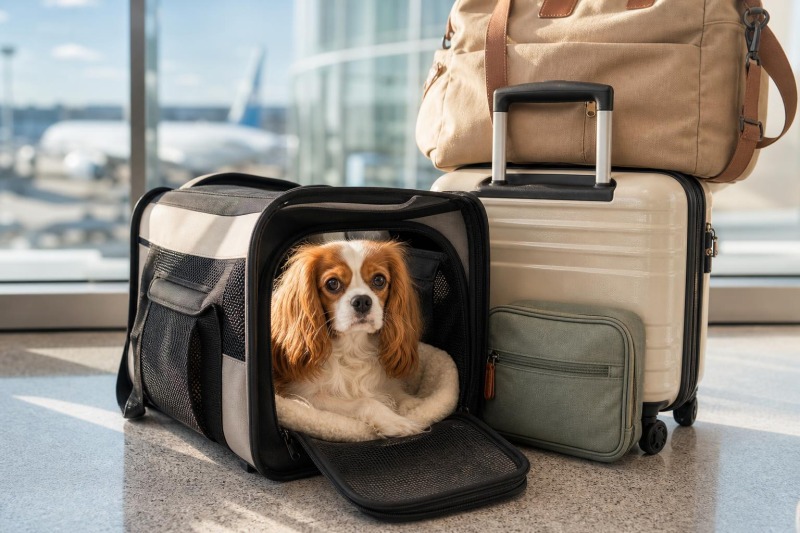
Air travel asks for another layer of preparation. Airline policies differ, and they can change with little notice, so always confirm details directly with the carrier. For most lap dogs traveling in cabin, the carrier must meet strict size requirements and fit under the seat. That means your dog should be comfortable resting quietly in that confined space for longer than the actual flight time, since delays are part of the bargain.
Practice matters here as much as anywhere. Let your dog nap in the carrier at home, then carry it on short errands, then bring it into busier environments if appropriate. The goal is not just tolerance but confidence. A dog that feels secure in its travel den handles crowds, announcements, and motion with less strain. Skip heavy feeding before the flight, allow time for a bathroom break beforehand, and keep your own manner calm and unhurried. Dogs often take their cue from the person holding the lead.
Travel as a Bonding Tool for Companion, Therapy, and Service Dogs
There is something about shared travel that forges a dog-owner bond in a lasting way. You begin to read each other better. You learn when your dog is tired before the signs grow obvious. Your dog learns how your voice sounds when you mean business and when you are simply taking in the scenery. For companion dogs, that bond is often the whole point. For therapy dogs and service dogs, it becomes the backbone of reliable work.
You do not need grand adventures for that growth to happen. A day trip to a quiet town, a stop at an outdoor café, a family visit, or a carefully planned overnight stay can teach more than a dozen ordinary afternoons at home. The key is not pushing too hard or expecting perfection too soon.
When you travel with your lap dog, you are not just moving from one place to another. You are building habits, trust, and resilience. Those things matter whether your dog is simply your closest household companion or a candidate for more specialized work. Every smooth check-in, every calm car ride, and every gentle recovery from a new experience becomes part of the dog you are shaping.
A lap dog may ride light, but the responsibility is still a serious one. Good travel is not luck. It is preparation joined with patience, and a willingness to put the dog’s well-being ahead of convenience. If you do that, the reward is hard to overstate. You get a little partner who sees the world from your side, shares the silence, and turns even an ordinary road into something richer.
For anyone exploring life with a companion dog, therapy dog, or service dog, travel offers more than a change of scenery. It is a chance to see what kind of team you truly are. Start small, stay observant, and let your dog learn the road one honest mile at a time. Before long, that little dog at your side will not just be along for the trip. It will be part of the reason you wanted to go in the first place.