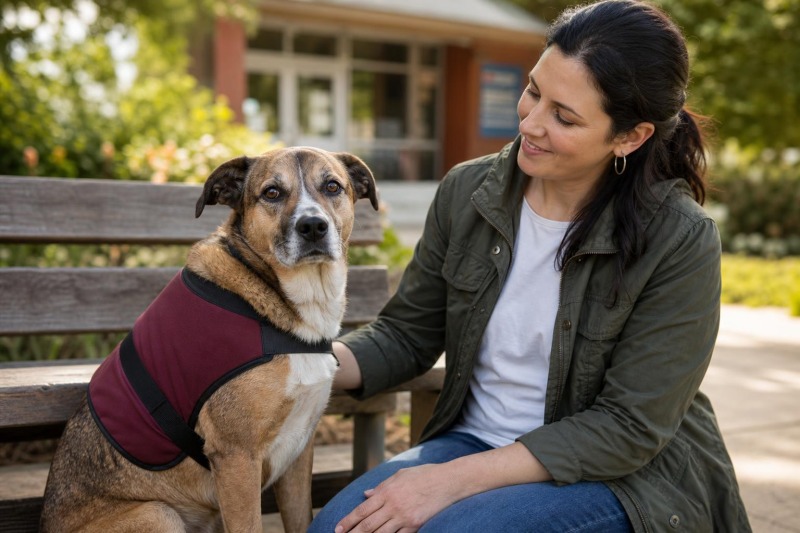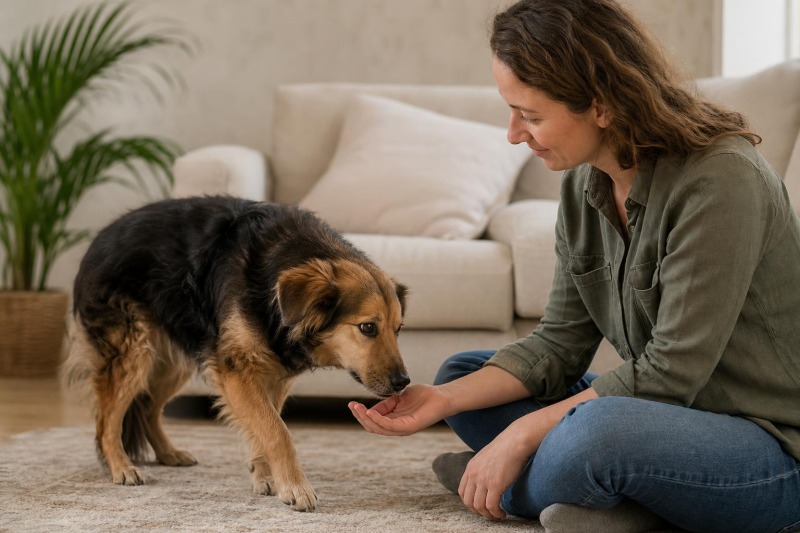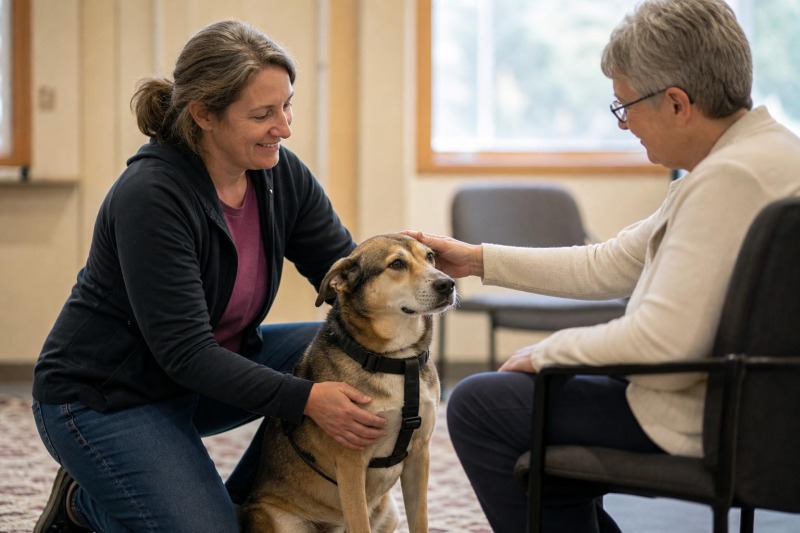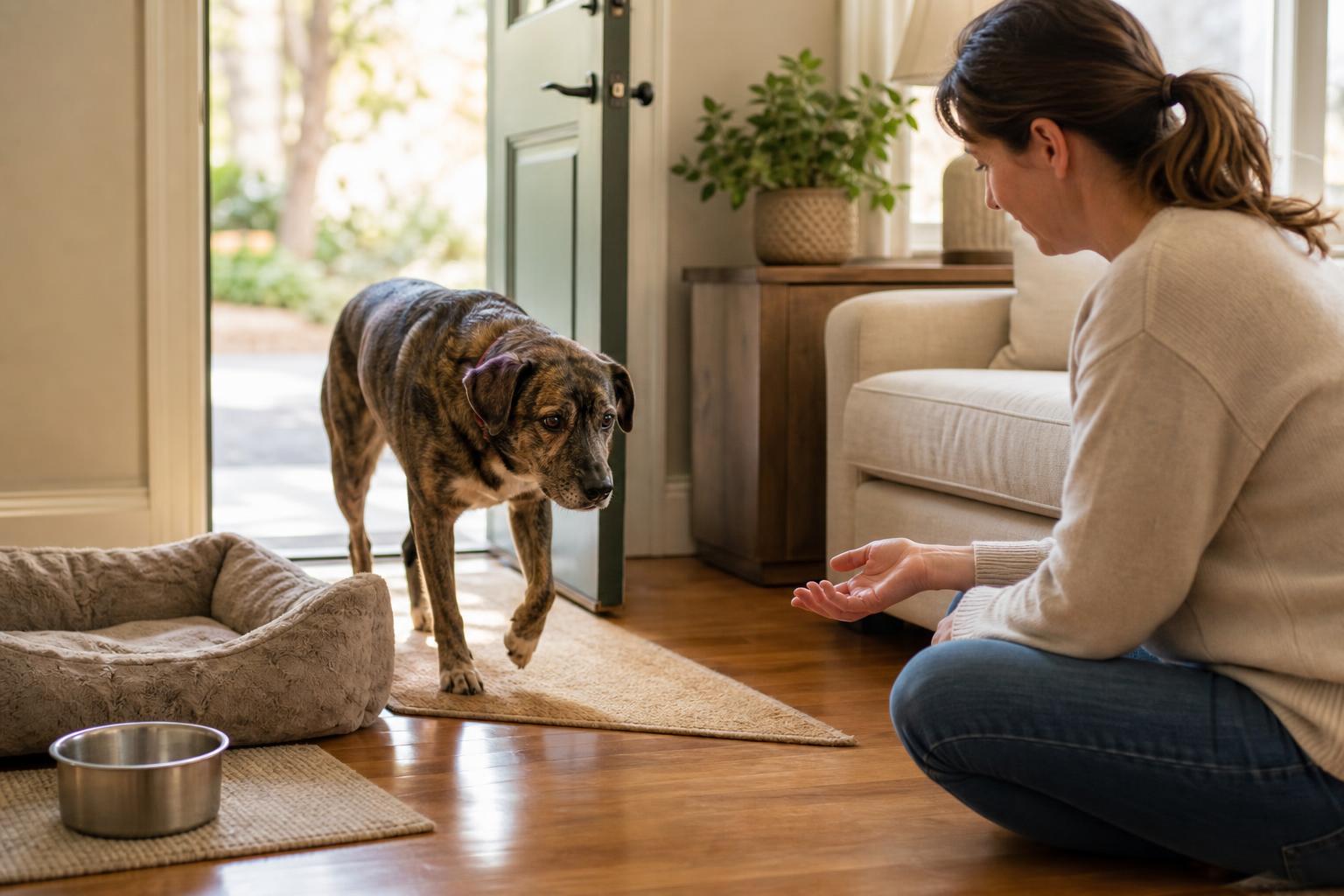
Moving into a new home is a substantial change for a rescue dog. Prioritize secure management, rest, and predictable care before expecting social confidence or considering a working role.
Folks often ask whether a rescue can become a reliable companion dog, therapy dog, or even a service dog prospect. The answer is yes, sometimes, but only if you start by seeing the dog for what it is instead of what you hope it will become. You cannot force trust any more than you can force a shy bird dog to work cover before it understands the field. A dog settles when it feels safe, and safety comes from consistency.
The First Days Matter More Than Most People Think
The first seventy-two hours in a new home can tell you a lot, though not always the whole truth. Some rescue dogs shut down and move through the house like ghosts. Others come in hot, sniffing every corner, barking at windows, and acting as if they own the place by sundown. Neither response gives you the full dog. Stress can look like calm, and fear can look like excitement.
No parade of visitors. No free run of the house. No rough play meant to "tire the dog out." A rescue dog needs a small world at first. A sleeping area, a predictable potty routine, measured meals, and short, calm interactions create the kind of order that lets the dog exhale. Too many choices can make an uncertain dog feel cornered rather than free.
This is especially important for anyone hoping the dog may someday serve as a therapy dog or service dog. Dogs working in those roles need emotional steadiness. The best way to assess that steadiness is not by throwing the dog into busy situations early, but by seeing how it handles a structured and peaceful beginning.
Why Decompression Is Not Optional
People hear the word decompression and think it means spoiling a dog or doing nothing. That is not it. Decompression means lowering pressure so the dog can learn your patterns, your voice, your rules, and your intentions. A dog fresh from transport or shelter life has often been living in a state of constant alert. Smells change, handlers change, noises stack up, and rest is shallow. In that condition, even a good dog can make poor choices.
Give that dog a steady week or two, and you often see a different animal. Appetite improves. Sleep gets deeper. Play begins to show. That is when real temperament starts to come out. If you move too fast, you may mistake stress behavior for personality, and that can lead to setbacks that were never necessary.
Building Trust One Repetition at a Time
Trust with a rescue dog is built in ordinary moments. It comes when you feed the dog on time, clip the leash without a fuss, and do not make every interaction feel like a test. Gentle movements, clear cues, and respecting a dog's space go a long way.
One of the biggest mistakes new owners make is demanding affection too soon. They crouch, hug, pat, and crowd the dog because they want connection. To a dog with a rough past, that can feel like pressure. Let the dog come to you. Sit nearby. Speak low. Offer routine before affection. In time, many rescue dogs begin to seek closeness in a way that is honest and lasting.
For companion dogs, this trust forms the heart of the relationship. For therapy dog candidates, trust becomes the basis for calm social engagement. For service dog prospects, it becomes the foundation for task work and handler focus. No path starts well without it.
Reading Body Language Before Problems Start
If you want to help a rescue dog transition smoothly, learn to read what the dog is saying before it barks, snaps, or shuts down. Lip licking, yawning, turning away, freezing, pacing, whale eye, and sudden scratching can all signal discomfort. A wagging tail does not always mean ease. Plenty of uneasy dogs wag low and fast while their body tells a different story.
If a dog stiffens when someone reaches over its head, stop asking for that kind of contact. If doorways cause crowding, slow the pace and use the leash to create space. If the dog guards the couch, do not turn it into a showdown. Manage the environment, then train with calm purpose. Rescue dogs do better when they feel understood rather than challenged.
Creating a Routine That Gives the Dog a Job
Dogs settle faster when life makes sense. That does not mean military rigidity, but it does mean a pattern the dog can count on. Meals at roughly the same times. Walks with a purpose. Rest after activity. Short training sessions that end on success. Predictable routines reduce anxiety because the dog starts to understand what comes next.
Even a household companion benefits from having a job, and a job does not need to be fancy. It may be waiting politely at the door, settling on a mat during dinner, or checking in on walks. These simple expectations give a rescue dog direction. Dogs, much like good working animals in the field, often do better when they know their role.
For therapy and service pathways, routine matters even more. Exposure to the world should be gradual and thoughtful. A dog that cannot relax at home will struggle in a hospital hallway, school reading program, or public access environment. Start with the home. The home tells the truth.
House Training, Crates, and Boundaries
Many rescue dogs arrive without a clear understanding of house manners. Some were never taught. Others were taught once and lost the routine in chaos. The answer is not frustration. It is supervision and repetition. Take the dog out often, reward success immediately, and limit unsupervised freedom until the dog has earned it.
Crates can be useful if introduced correctly. To some dogs, a crate is a den and a relief. To others, especially dogs with confinement trauma, it can trigger panic. You have to judge the individual dog. The goal is not forcing a tool; the goal is creating security. Baby gates, tethers, pens, and quiet rooms can all help define space in a way that keeps the dog from becoming overwhelmed.
Handling Fear, Setbacks, and Big Emotions
Now and then a rescue dog has a hard day that seems to come from nowhere. A trash truck bangs outside. A stranger enters wearing a hat. A child runs through the room. Suddenly the dog that seemed to be settling acts like it has forgotten everything. That does not mean progress is gone. It means the dog is still learning how to live in the new world.
Go back to basics. Keep walks calm. Lower social demands. Reinforce known behaviors. Stress rises in layers, and recovery often comes by peeling those layers off. If you meet fear with punishment, you risk teaching the dog that being afraid around you is dangerous too. That is a poor bargain.
Some rescue dogs need professional help, and there is no shame in that. A qualified trainer or veterinary behavior professional can make the difference between ongoing struggle and real stability. This is especially true if a dog shows severe separation distress, resource guarding, reactivity, or bite history. Hope is valuable, but honest assessment is better.
Can a Rescue Dog Become a Therapy Dog or Service Dog?
This question deserves a plain answer. Yes, some rescue dogs make excellent therapy dogs and, more rarely, service dogs. Rescue status does not disqualify a dog. Temperament does. Health does. Recovery capacity does. Soundness under pressure does. The dog has to enjoy the work, not merely tolerate it.
A fine therapy dog tends to be social without being pushy, calm without being dull, and resilient in strange places. A service dog prospect needs even more: stable nerves, strong handler engagement, trainability, physical soundness, and the ability to work in public without unraveling. Some rescue dogs have these qualities in abundance. Others are better suited to being beloved pets, and there is honor in that.
Consider people to let the dog become secure at home before assigning it a bigger purpose. A dog that learns to trust, settle, and communicate in the home has a fair shot at growing into more. A dog that is rushed into a role before its feet are under it may never recover its confidence.
The Heart of a Good Transition
Transitioning rescue dogs into homes is about giving the dog a fair beginning, maybe the first one it has ever had. It is less about dramatic breakthroughs and more about steady mornings, clean water, kind handling, and rules the dog can understand. That sort of care does not look flashy, but it changes dogs.
Then, over time, with enough patience and plain honesty, they began to soften. They learned where to sleep, how to ask to go out, how to rest with one eye closed and then both. Some became steadfast companion dogs. A few showed the grace and balance needed for therapy work. Every one of them needed the same first thing: a home that understood transition is a process, not an event.
If you are bringing home a rescue dog, take the long view. Keep your standards clear and your hands gentle. Let trust come at the dog's pace, while you provide the kind of structure that makes trust possible. That is how you turn a rescue into a family dog, and sometimes, with the right dog, into something even more remarkable.