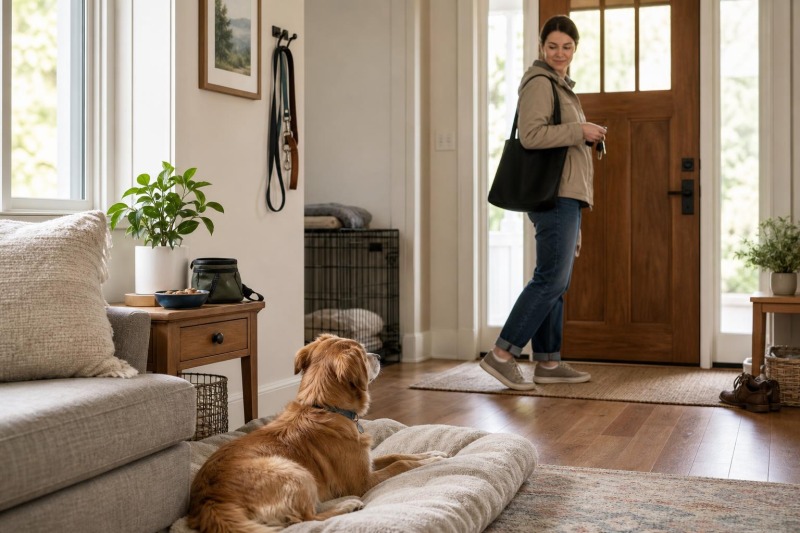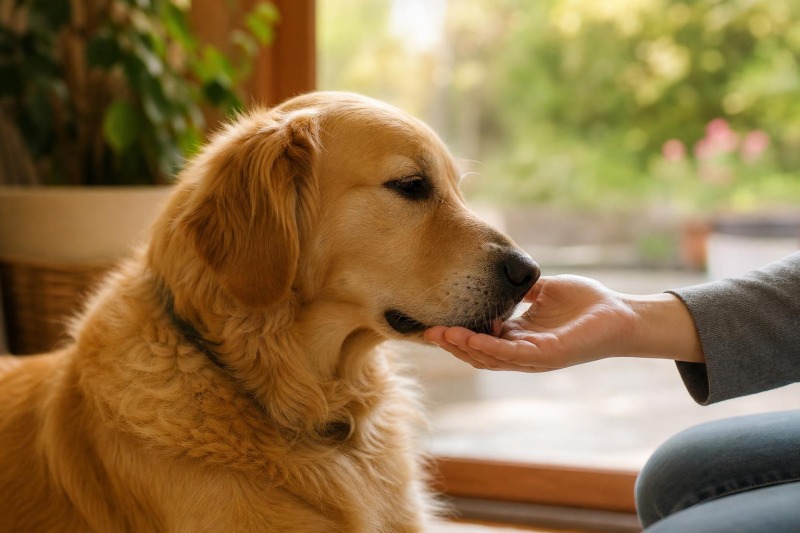
Ignoring distractions is a skill built through manageable practice. Begin far enough from the distraction that the dog can respond, then adjust distance and difficulty gradually.
It is easy for a dog to sit in a quiet kitchen. It is another matter entirely when a squirrel darts across the yard, a child squeals in excitement, a shopping cart rattles by, or another dog starts barking from fifty feet away. In those moments, the dog shows you what he truly understands. That is why training dogs to ignore distractions is not some polished extra tacked on at the end. It is the heart of reliable behavior.
Why distraction training matters so much
Folks often think distraction work is mainly for advanced obedience, but that misses the point. For companion dogs, learning to ignore temptations makes daily life smoother and safer. Walks become calmer. Greetings become more polite. Trips to the vet, the park, or a family gathering become manageable instead of stressful. For therapy dogs, the stakes rise because they are expected to stay gentle and composed around wheelchairs, dropped items, sudden movement, and unfamiliar hands. For service dogs, steadiness around distractions is non-negotiable. Their work depends on attention, judgment, and consistency even when the environment is chaotic.
A dog is not born understanding that the rabbit, the food wrapper, the barking dog, or the friendly stranger should be ignored. He has to be shown, rewarded, and guided until that choice becomes habit.
Start with focus before you add chaos
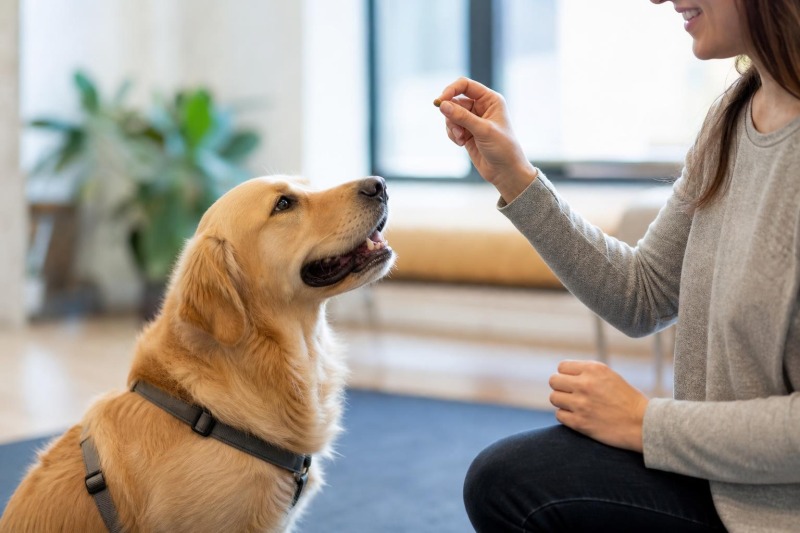
The biggest mistake many owners make is rushing into distraction training before they have built engagement. If your dog will not reliably look at you in a quiet place, he will not do it in a busy one. Before you expect self-control, teach your dog that paying attention to you is rewarding. That begins in simple settings with simple asks.
Use your dog’s name with purpose, not as wallpaper. Say it once, and when your dog turns toward you, reward that attention right away. Build value in eye contact, in checking in, in choosing you over whatever else is available. Some dogs work best for food, others for praise, toys, or movement. A seasoned owner learns what the dog values and uses it well. A dog trained with clear timing and honest rewards learns faster and carries that understanding farther.
Teach the dog what success looks like
Commands like watch me, leave it, heel, place, and settle all help a dog navigate distractions, but the words themselves are not magic. The dog needs to understand the behavior behind the cue. When you teach leave it, for example, you are not merely telling the dog to avoid one object. You are teaching restraint. You are teaching him that ignoring temptation leads to something better. That lesson carries over to food on the sidewalk, a bouncing child, a cat under the porch, or the smell of another dog on a bench leg.
Keep the early sessions short and clean. Ask for a glance, a sit, a down, a few calm steps at heel. Reward generously when the dog makes the right choice. End before the dog starts fraying. There is no prize for wearing a young or inexperienced dog out mentally. You want focus to feel possible, not hopeless.
Use distance like a smart trainer
A distraction that overwhelms a dog at ten feet may be manageable at fifty. That does not mean the dog is stubborn or poorly bred. It means you have found his current threshold. Good training lives right around that edge, not over it.
Push a dog too close to temptation too fast, and his brain leaves the lesson behind. Give him enough distance to notice the distraction without losing himself in it, and now you have a dog who can learn. He sees the thing, thinks about it, then chooses you. That is the moment you reward.
When your dog can stay composed at one distance, inch closer over time. Not in one leap, but in steady, measured steps. Quiet progress builds confidence. Fast progress often builds cracks.
Proof behaviors in real-world settings
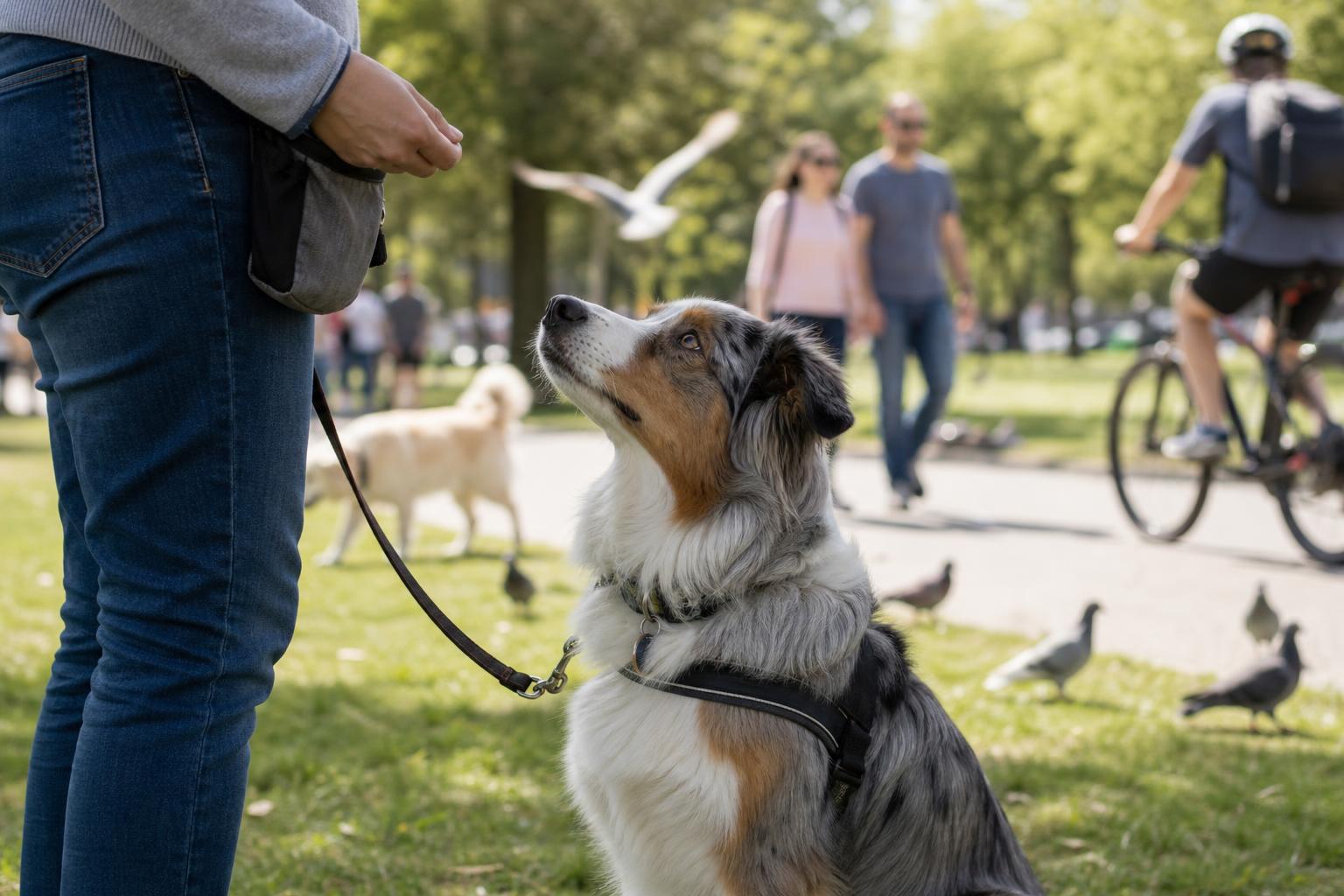
Once your dog understands the basics at home, start changing the picture. Train in the yard, then near the driveway, then on a quiet sidewalk, then near a busier street. Visit a park at a slow hour before trying a busy afternoon. Let your dog succeed in layers. Reliable dogs are not made by one perfect class session. They are made by repeated wins in many different places.
This is especially important for therapy dogs and service dogs. They must generalize behavior across environments. A down-stay in the living room is one thing. A down-stay in a waiting room while doors open, phones ring, and people shift in their chairs is another. Dogs do not automatically transfer lessons from one place to the next. They need practice in each new setting until the behavior feels familiar there too.
Change only one challenge at a time
When proofing behavior, avoid stacking too much difficulty at once. If you move to a new environment, keep the distraction level lower. If you increase the duration of a stay, reduce the intensity of what is happening nearby. If you shorten distance to the distraction, keep the task simple. Smart progression keeps the dog from failing over and over, and repeated failure teaches all the wrong things.
That confidence matters. A dog that has learned how to work through mild pressure becomes far steadier when real-life surprises show up.
Reward the choice, not just the command
There is a difference between a dog that obeys after being corrected and a dog that voluntarily dismisses a distraction to focus on his handler. The second dog is what most people truly want. That kind of reliability comes from marking and rewarding the decision to disengage.
If your dog notices another dog across the street, then looks back at you on his own, that is worth something. Pay it. If he hears a loud noise, startles, then recovers and settles, praise that recovery. If he walks past dropped food without diving for it, reward the restraint. These moments are the raw materials of a dependable dog.
Over time, the dog begins to understand that distractions are not a doorway to excitement. They are background noise. The real value is staying connected to you.
What to do when your dog breaks focus
Every dog loses focus sometimes. Young dogs do it. Sensitive dogs do it. High-drive dogs do it. Even experienced dogs can wobble on a hard day. What matters is your response. Do not turn a lapse into a battle. If the dog cannot respond, you are likely asking for too much in that moment. Create more distance, simplify the task, and help him back into success.
That calm adjustment is not weakness. It is good handling. A dog that feels trapped, nagged, or over-pressured often becomes more reactive, not less. They read the dog, changed the setup, and got the lesson back on track.
That said, clarity matters. If your dog knows the cue well and blows it off because the training has been inconsistent, tighten your standards. Be fair, be steady, and follow through. Dogs thrive when the rules are plain and dependable.
Special considerations for therapy and service dogs
Companion dogs need good manners, but therapy and service dogs must operate with a level of steadiness that goes deeper. They are expected to remain neutral around medical equipment, unusual sounds, food, sudden touches, crowds, and emotional human energy. That kind of neutrality has to be built deliberately.
For therapy dog prospects, focus on calm greetings, controlled exposure, and the ability to settle without needing constant stimulation. For service dogs, the standard is even higher. The dog must maintain task focus while ignoring environmental noise. Training should include elevators, automatic doors, slick floors, waiting areas, and all the ordinary public scenes that feel extraordinary to an unprepared dog.
In both cases, the dog should never be pushed past what he can handle emotionally. Reliable service and therapy work comes from stability, not suppression. A dog that looks obedient but is internally overloaded is not truly ready.
Patience builds the kind of dog people remember
It never happened in one afternoon. It happened through repetition, sensible setups, and a handler who understood that steadiness is grown, not demanded into existence.
There is something satisfying about seeing a dog notice a distraction, weigh it, and let it pass. That is a mature choice. It tells you the dog is thinking instead of simply reacting. In the field and in daily life, that kind of control is gold. It keeps dogs safer. It keeps handlers calmer. And it opens doors for dogs that are meant to serve, comfort, or simply be trusted members of the family.
If you want to succeed at training dogs to ignore distractions, start small, stay patient, and keep your standards honest. Build focus before pressure. Use distance wisely. Reward thoughtful choices. Proof skills in many places. And remember that every calm decision your dog makes today is shaping the reliable animal you will count on tomorrow.
On the best days, it looks effortless. A dog walks at your side while the world clatters and swirls, and he hardly gives it a second thought. But effortless dogs are usually the product of deliberate training. Put in that work with care, and you will have more than obedience. You will have trust.