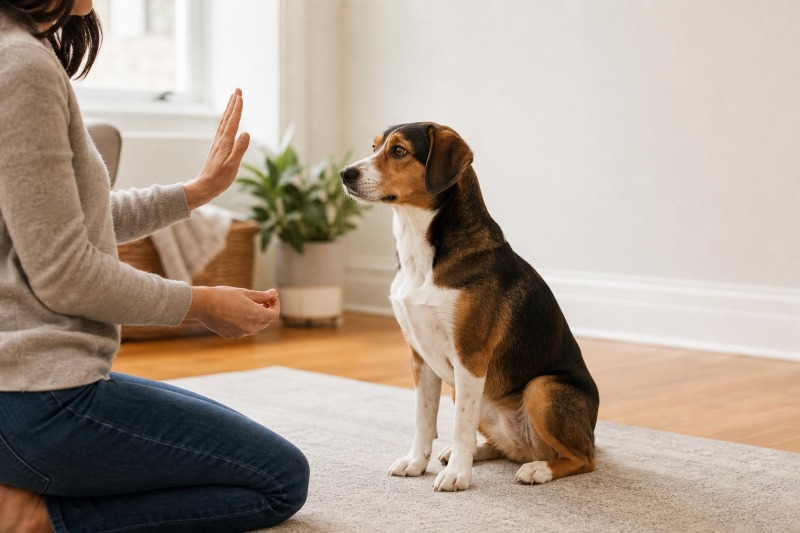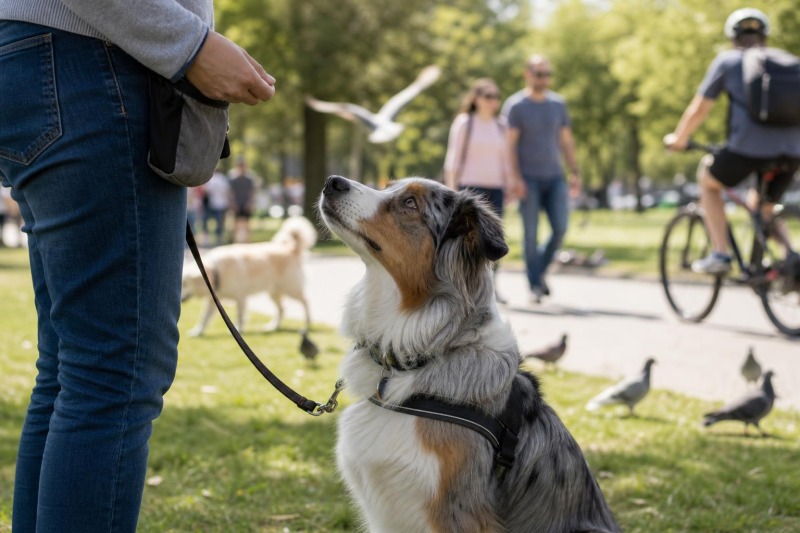
Gentle behavior can be taught through carefully managed interactions and rewards for appropriate choices. Protect both people and dogs while practicing, especially around children or anyone vulnerable to injury.
Some folks think teaching gentleness means making a dog timid. That is not the case. A gentle dog should still be confident. The goal is not to dull your dog’s nature. The goal is to teach control. You want a dog that can take food softly, greet people without bowling them over, handle excitement without nipping, and respond to pressure with composure instead of chaos.
If you have ever watched a good dog around a child, an elderly person, or someone unsteady on their feet, you know exactly why this matters. A dog that understands how to be gentle becomes easier to live with and far more dependable in meaningful work. For therapy and service roles especially, gentleness is not a bonus trait. It is part of the foundation.
What Gentleness Really Means in Dog Training
Gentleness shows up in several ways. It is in the mouth that takes a treat without grabbing. It is in the body that moves with awareness instead of crashing through knees and furniture. It is in the mind that can slow down when excitement rises. When people ask how to teach a dog to be gentle, they are often talking about one problem on the surface, but there are usually a few skills underneath it.
A dog that mouths too hard during play may need better impulse control. A dog that jumps on guests may need calmer greetings and stronger boundaries. A dog that snatches food may simply have never been shown there is another way. Good training begins by seeing the behavior clearly. You cannot fix what you have not defined.
For companion dogs, gentleness makes daily life smoother. For therapy dogs, it helps create emotional safety for the people they visit. For service dogs, it is essential because they work in tight spaces, around vulnerable people, and under distractions that can rattle an unprepared animal. In every case, gentleness comes from repetition, timing, and consistency.
Start with Your Own Energy
Dogs read us better than most people realize. If you are loud, jerky, and impatient, your dog often reflects that right back at you. A calm voice, deliberate movement, and clean timing go a long way.
That does not mean you have to be stiff or cold. It means you should be steady. Think of yourself as the anchor in the boat. If the water gets rough, the dog needs to feel that you are still in control. Especially with energetic breeds and working-minded dogs, your emotional tone can either sharpen the storm or settle it.
Teach a Soft Mouth with Food and Rewards
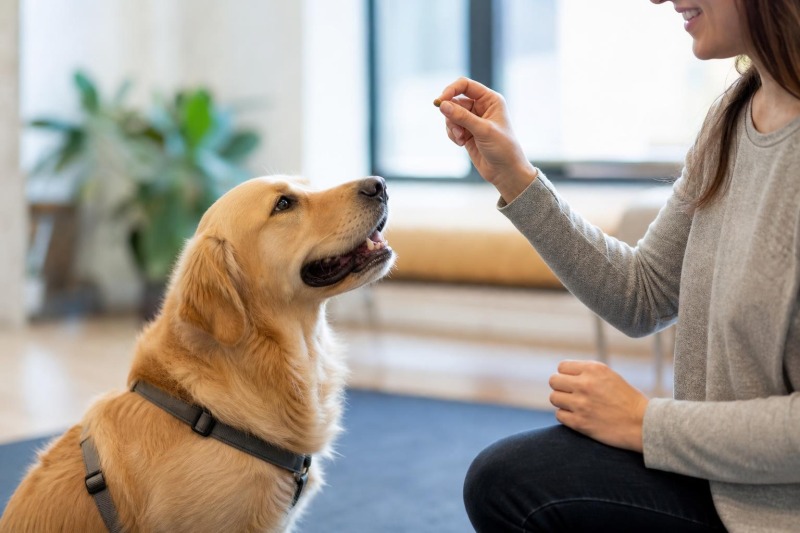
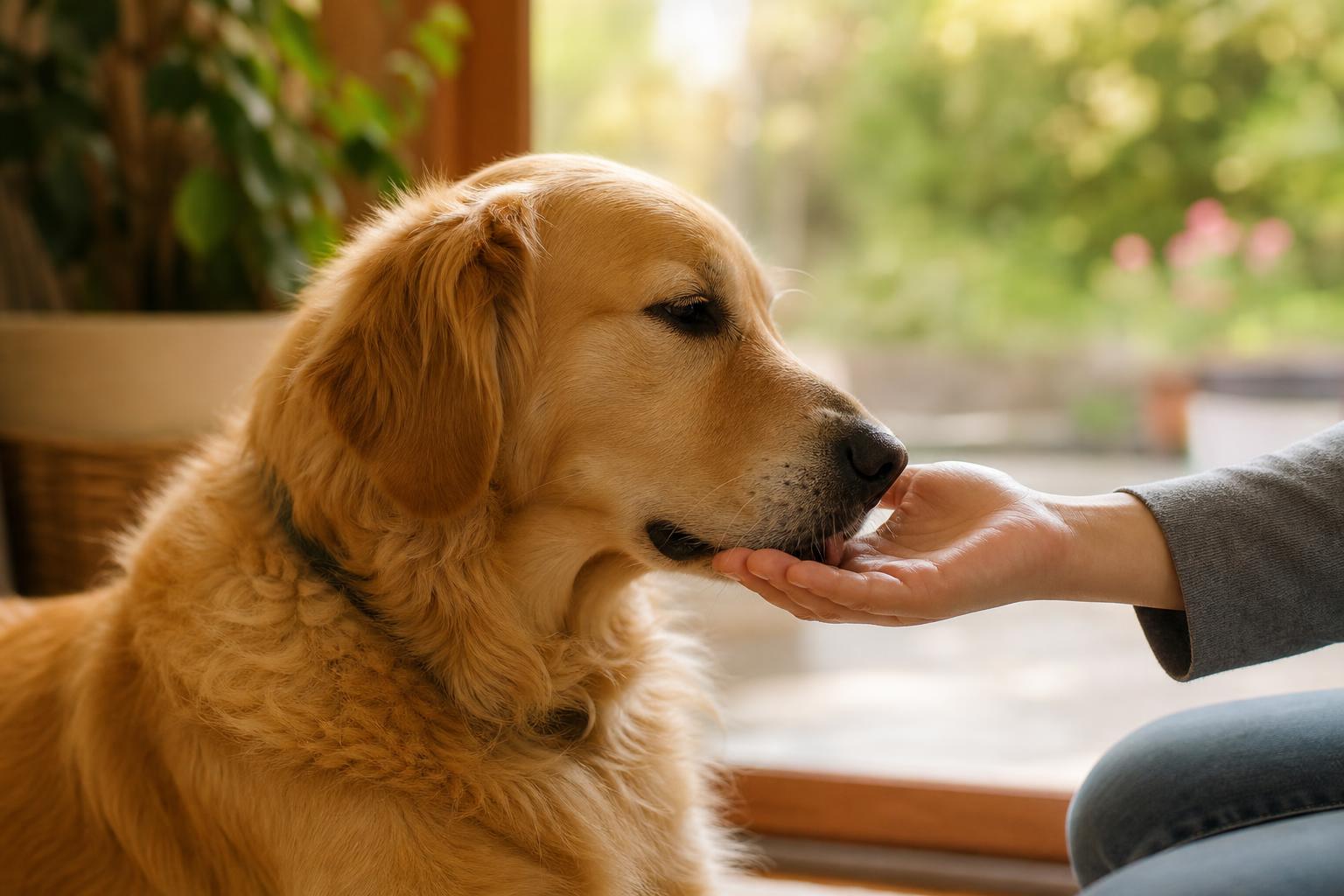
One of the simplest and most important lessons is teaching your dog to take food gently. This skill carries over into toy play, handling, and overall impulse control. Start in a quiet place with small treats. Offer one in your fingers and if your dog grabs, simply close your hand. Do not jerk away and do not scold. Wait for a calmer attempt. The moment your dog softens, mark the behavior with praise and let them have the treat.
Timing matters here. You are not punishing enthusiasm. You are rewarding self-control. Most dogs catch on quickly when they realize that rough behavior makes the reward pause and gentle behavior makes it arrive. Keep sessions short so frustration does not build.
If your dog gets too wound up by food, use lower-value treats at first. A dog that loses its head over every piece of chicken may learn better with something less exciting in the beginning. Once the behavior is reliable, you can practice with more tempting rewards and in more distracting settings.
It takes patience, but a soft mouth can be built. For therapy and service dogs, this is especially useful because they may be handled by trainers, caregivers, or members of the public under supervision. A dog that snatches is a dog people hesitate to trust.
Gentle Play Builds Better Manners
Play is where a lot of rough habits take root. Puppies nip. Young dogs body-slam. Excited dogs forget themselves. If you let those patterns run unchecked, they often show up later when the dog is larger, stronger, and harder to manage. That is why play should include rules from the start.
When your dog gets too rough, stop the game. Let the energy come down before restarting. This teaches that roughness ends the fun and calm behavior keeps it going. You are not trying to make play joyless. You are teaching your dog that teeth, paws, and full-speed collisions have limits.
Tug can be a fine game when handled well. Fetch can teach patience if the dog must wait before the release. Even rough-and-tumble dogs can learn to check themselves if the handler is consistent. They still played hard, but they played with control.
Use a Clear Cue for Calm Behavior
It helps to attach gentleness to a word or phrase like “easy” or “gentle.” Use it the same way each time. Say it in a calm tone when your dog is approaching for a treat, greeting someone, or taking a toy. Then reward the soft, measured response you want. Over time, the cue begins to mean more than the sound itself. It becomes a reminder to slow down and think.
This is especially valuable for service dogs and therapy dogs that need a reliable behavioral switch. A clear cue can help your dog settle into more delicate interactions, whether that means walking beside a wheelchair, resting near a hospital bed, or greeting a child with quiet manners.
Teach Gentle Greetings Around People
Many dogs are not mean when they act rough with people. They are simply overwhelmed by excitement. A wagging dog that jumps on a frail person can still do real harm. That is why greeting manners matter as much as any obedience command.
Start by removing the reward for overexcited greetings. If your dog lunges, jumps, or shoves forward, the attention stops. Turn away, create space, and wait for four paws on the ground. Then offer calm praise and affection. If needed, use a leash indoors to prevent your dog from rehearsing bad habits on guests.
Practice with people your dog knows before trying it with strangers. Set the dog up to succeed. A dog that can greet one calm person gently can build from there. If your dog struggles, shorten the interaction and reward even small improvements. This kind of training is often won inch by inch, not all at once.
For therapy dog prospects, gentle greeting behavior should be polished until it looks easy. The dog should not crowd, paw, lick obsessively, or lean too hard unless invited and appropriate. A calm, soft presence is what puts people at ease.
Help Your Dog Be Gentle with Children and Vulnerable Adults
No dog should be left unsupervised with children, no matter how trustworthy that dog seems. That is not a knock on the dog. It is common sense. Children move unpredictably, grab without warning, and often stir excitement. Teaching your dog to be gentle around children begins with controlled exposure and clear boundaries.
Reward your dog for lying quietly near children, for taking treats softly from small hands under supervision, and for remaining calm when the room gets lively. If your dog becomes overstimulated, create distance and let the dog settle before trying again. Do not force interaction. Gentleness grows best in safe, manageable steps.
The same goes for elderly people and individuals with medical or mobility challenges. A gentle dog must learn body awareness. That means not swinging hindquarters into weak legs, not stepping on feet, and not pulling into a greeting with full force. These skills do not appear by magic. They are trained through repetition in real situations.
Reward What You Want, Not Just What You Want to Stop
One of the biggest mistakes handlers make is paying attention only when the dog gets it wrong. If your dog is lying quietly, approaching softly, or showing restraint, that is the moment to acknowledge it. Dogs repeat what works. Calm praise, food rewards, and access to what they want all help strengthen gentle behavior.
Instead of living in correction mode, they started catching the dog being thoughtful. That shift changes the whole rhythm of training.
When Roughness Comes from Stress or Fear
Not all rough behavior is overexcitement. Some dogs grab, jump, mouth, or move frantically because they are anxious. A nervous dog may not know how to regulate emotion and can come across as pushy or wild. In those cases, gentleness training must include confidence building and stress reduction.
Keep sessions predictable. Avoid flooding the dog with too much stimulation. Use simple routines and reward calm decisions generously. If fear, reactivity, or handling sensitivity is part of the picture, slow down and consider working with a qualified trainer who understands service and therapy temperament standards. You do not want to train over the top of stress and call it progress.
A truly gentle dog is not just obedient on the outside. That dog has learned how to stay composed on the inside too.
Gentleness Is a Daily Habit
They were shaped in a hundred ordinary moments. At the doorway. At feeding time. On a walk past strangers. In the living room when company came over. Gentleness becomes reliable when it is practiced in the places where real life happens.
If you want your dog to be gentle, ask for it often and reward it honestly. Keep your standards fair, your timing clean, and your expectations clear. Do that long enough and your dog begins to carry that softness into everything else. What starts as a lesson with treats becomes a way of moving through the world.
For a companion dog, that means a more peaceful home. For a therapy dog, it means becoming a source of comfort people can trust. For a service dog, it means working with the steadiness that vulnerable handlers depend on. However your dog fits into your life, gentleness is one of the surest signs that training has gone beyond commands and settled into character.
That is the kind of dog worth taking pride in. A dog with heart, brains, and enough self-control to use both well.