Positive reinforcement makes a behavior more likely by following it with something the dog values. Clear timing, appropriate rewards, and a manageable training setup help the dog understand the lesson.
At Companion Dog Central, that matters because most people are not just looking for a dog that can sit on command. They want a partner that can live well in a family, behave in public, and offer steady support when it counts. Positive reinforcement gives you a way to teach all of that without grinding down the dog’s spirit. The best dogs carry both discipline and heart, and reward-based training helps preserve both.
What Positive Reinforcement Really Means
At its core, positive reinforcement means rewarding a behavior you want so the dog is more likely to repeat it. That reward might be a treat, praise, a toy, access to a favorite place, or even the chance to greet someone the dog loves. The point is simple: when the dog makes a good choice, something valuable follows.
That sounds easy enough on paper, but good training lives in the details. Timing matters. Consistency matters. The dog has to understand exactly which behavior earned the reward. If your timing is sloppy, you can accidentally reward the wrong thing. If your expectations change by the hour, the dog gets confused. A good handler learns to watch close, mark the right moment, and pay the dog clearly. It feels a little like hunting with a seasoned partner; success often comes down to noticing the exact instant something goes right.
This approach is especially important for companion dogs, therapy dogs, and service dogs because these roles demand emotional steadiness along with obedience. A dog that learns through clear rewards often shows stronger engagement, less anxiety, and better problem-solving. That confidence carries into everyday life, from crowded sidewalks to nursing homes to public access environments where distractions come from every direction.
Why Reward-Based Training Builds Trust
Trust is not a fancy extra in dog training. It is the foundation. A companion dog needs to trust that home is safe and communication is fair. A therapy dog must trust its handler while moving through unfamiliar rooms, wheelchairs, medical equipment, and human emotions. A service dog depends on trust at an even higher level because it may need to perform tasks under stress, in tight spaces, and around constant distraction.
When training relies on positive reinforcement techniques, the dog learns that offering attention and making good choices leads to success. That expectation changes the dog’s whole outlook. Instead of shrinking back, the dog leans in. Instead of shutting down, it starts thinking. That shift is powerful, and it is one reason reward-based work is so effective for dogs expected to be calm, responsive, and socially dependable.
Core Positive Reinforcement Techniques Every Owner Should Know
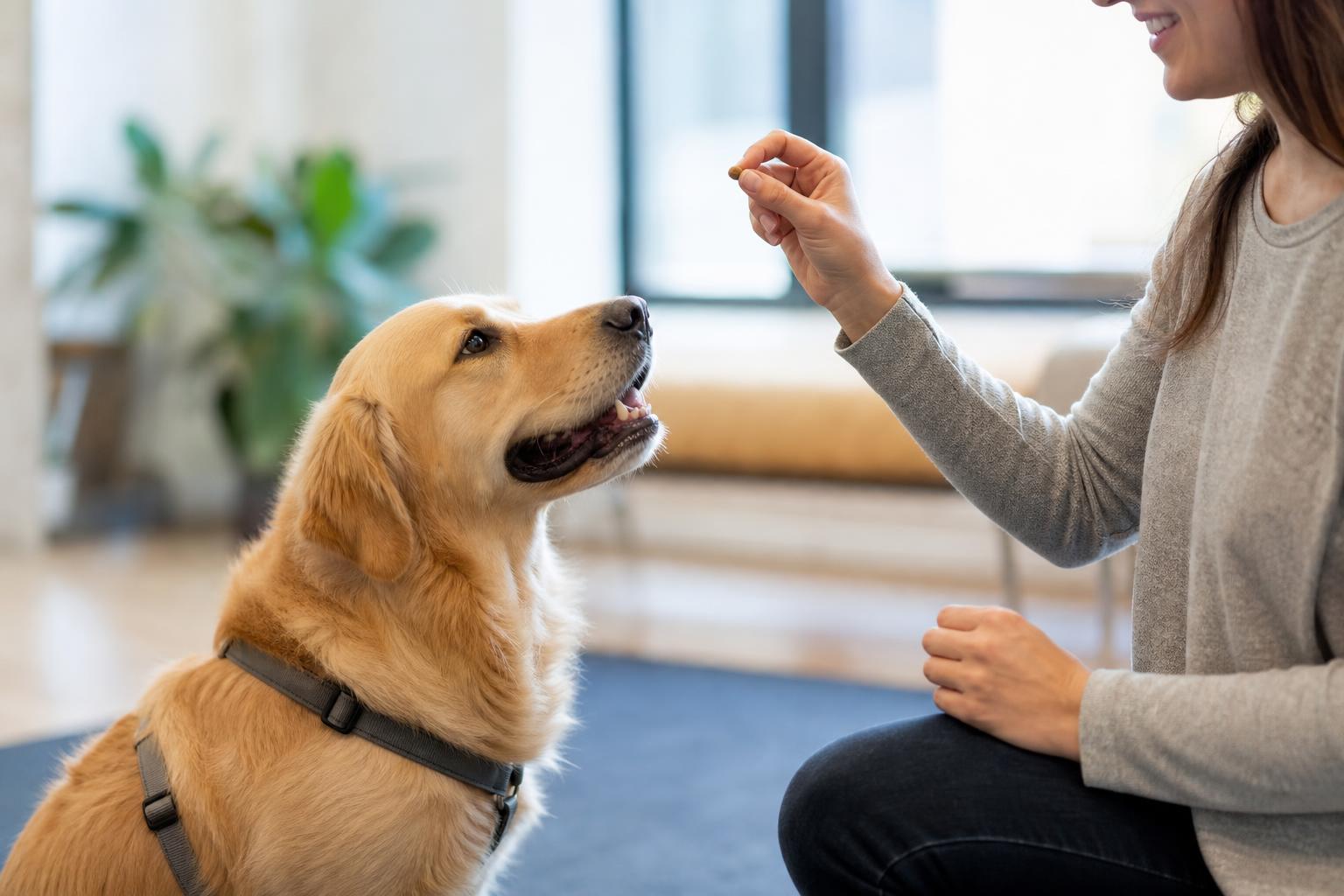
One of the most useful methods is marker training. You use a consistent word like “yes” or a clicker to mark the exact behavior you want, then follow with a reward. That marker acts like a snapshot. It tells the dog, right there, that this was the winning moment. For teaching sit, down, eye contact, loose-leash walking, or polite greetings, a marker can sharpen communication in a way dogs understand quickly.
Luring is another reliable technique, especially with young dogs or green dogs that do not yet know the game. You guide the dog into a position with a treat, then reward once the behavior happens. Over time, you fade the lure so the dog responds to the cue rather than chasing food. The danger is staying too dependent on the lure, so wise trainers use it as a bridge, not a crutch.
Capturing behavior works beautifully for naturally offered actions. If your dog lies down calmly, checks in on a walk, settles on a mat, or waits patiently at a door, you can mark and reward that behavior in real time. This teaches the dog that good choices count even when you did not ask first. For companion households, this can be a game changer because much of what people want from a dog involves self-control in daily life.
Shaping takes a little more patience, but it can build precise, thoughtful behavior. Instead of rewarding only the finished task, you reward small steps toward it. A dog learning to place its paws on a platform, retrieve a dropped item, or position properly for service work may benefit from shaping. Done well, it encourages the dog to think and engage rather than wait passively for physical guidance.
Using Rewards That Matter to Your Dog
Not every dog works for the same paycheck. Some would cross a county line for a piece of chicken. Others will do near anything for a ball, a tug, or warm praise from their person. One mistake many owners make is assuming the reward should matter because it would matter to them. Dogs decide value for themselves.
In low-distraction environments, kibble or gentle praise may be enough. In a busier setting, especially for therapy dog or service dog training, the reward often needs to compete with louder, richer distractions. That might mean soft treats, higher enthusiasm, or a brief release to sniff and decompress. Knowing what your dog values, and when, is part of skilled handling. Good training is not only about asking for behavior. It is about paying fairly for the effort required.
Applying Positive Reinforcement to Real-World Dog Roles
For a companion dog, positive reinforcement techniques are often the difference between daily tension and daily peace. Rewarding calm behavior in the house, polite leash manners, kennel comfort, and reliable recall creates a dog that fits naturally into family life. Instead of correcting every unwanted behavior after it happens, you spend more time building habits you actually want to see.
Therapy dogs need a special kind of steadiness. They must remain gentle around frail hands, sudden noises, unfamiliar smells, and emotional situations that can be heavy even for people. Positive reinforcement helps these dogs associate new places and interactions with safety and success. A therapy dog trained through patience and reward is often more adaptable because it has learned that the world is not something to endure, but something to navigate with its handler.
Service dogs require a deeper level of task reliability and public composure. Whether the work involves mobility support, alert behaviors, retrieval, or interruption tasks, the dog must perform with clarity. Positive reinforcement techniques help build these behaviors step by step, then strengthen them through repetition and appropriate reward. That process creates durable learning without adding unnecessary stress to a dog already working in demanding environments.
Common Mistakes That Slow Progress
One common mistake is rewarding too late. If several seconds pass, the dog may connect the reward to whatever it is doing at that later moment. Another issue is repeating cues over and over. If you say “sit” five times before the dog responds, you may be teaching that the first four do not matter. Clear cue, brief pause, then help the dog succeed.
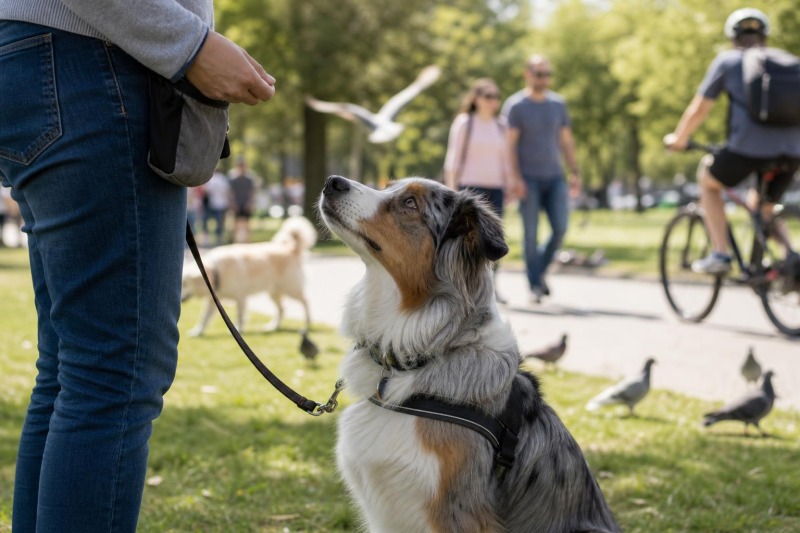
Another problem is asking for too much too soon. A dog that can heel in your kitchen may not be ready to do it in a crowded park. Handlers sometimes assume the dog is stubborn when, in truth, the environment is simply too difficult for the current stage of training. Good trainers raise difficulty gradually. They proof behaviors with patience. They understand that reliability is built, not wished into existence.
It is also easy to forget to reward the behaviors you want once the dog starts offering them regularly. People often stop paying for success too quickly, then wonder why the behavior weakens. Rewards do not always have to be food forever, but reinforcement must still exist. Praise, play, access, and life rewards can all keep behavior strong when used thoughtfully.
Building a Dog That Wants to Work With You
They were willing partners. They watched their handler with bright eyes and steady nerves because years of fair training had taught them that working together was worth it. That is what positive reinforcement techniques offer when done right. They do not lower standards. They raise understanding.
If you are choosing a future companion dog, starting a therapy dog on the right path, or helping a service dog grow into demanding responsibilities, begin with clarity, patience, and rewards that matter. Teach the dog what right looks like. Reinforce it often. Keep your timing honest and your expectations realistic. Over time, those small moments stack up like good days afield, each one hardly noticed on its own, until suddenly you realize the dog beside you has become steady, responsive, and deeply connected.
That kind of dog is not built through force alone. It is built through repetition, trust, and a training style that respects the animal while still asking for excellence. Positive reinforcement is not a passing trend. It is one of the soundest ways to create the kind of companion, therapy, or service dog people can truly depend on.