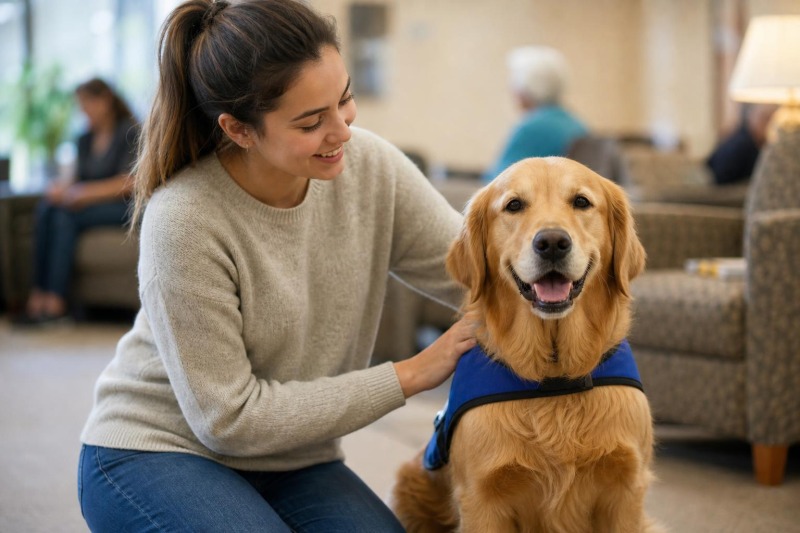
Nursing-home visits work best when residents can choose whether to participate and staff help plan suitable interactions. A quiet dog still needs breaks, comfortable footing, and protection from unwanted handling.
When a therapy dog pads down a hallway in a nursing home, heads turn. Hands lift from blankets. Faces that looked tired a moment ago soften and wake up. A resident who has not said much all week may suddenly tell a story about the shepherd he had as a boy or the little spaniel she raised when her children were young. That is the power of therapy dogs in nursing homes. They open doors that people thought had been shut.
For families looking into therapy dogs, service dogs, or companion dogs, it helps to understand that a therapy dog has a very specific role. These dogs do not live in the facility as personal assistance dogs for one resident. Instead, they visit with a trained handler to provide emotional support, social engagement, and comfort to many people. In a nursing home setting, that work can be profound.
Why Therapy Dogs Matter in Nursing Homes
Nursing homes can be caring places, but they can also feel heavy. Residents may be coping with chronic pain, reduced independence, memory decline, grief, and long stretches of quiet. Even with good staff and loving family, there is often a kind of ache that settles in when people lose familiar routines, homes, and the everyday touch of ordinary life. A therapy dog brings a piece of that ordinary life back.
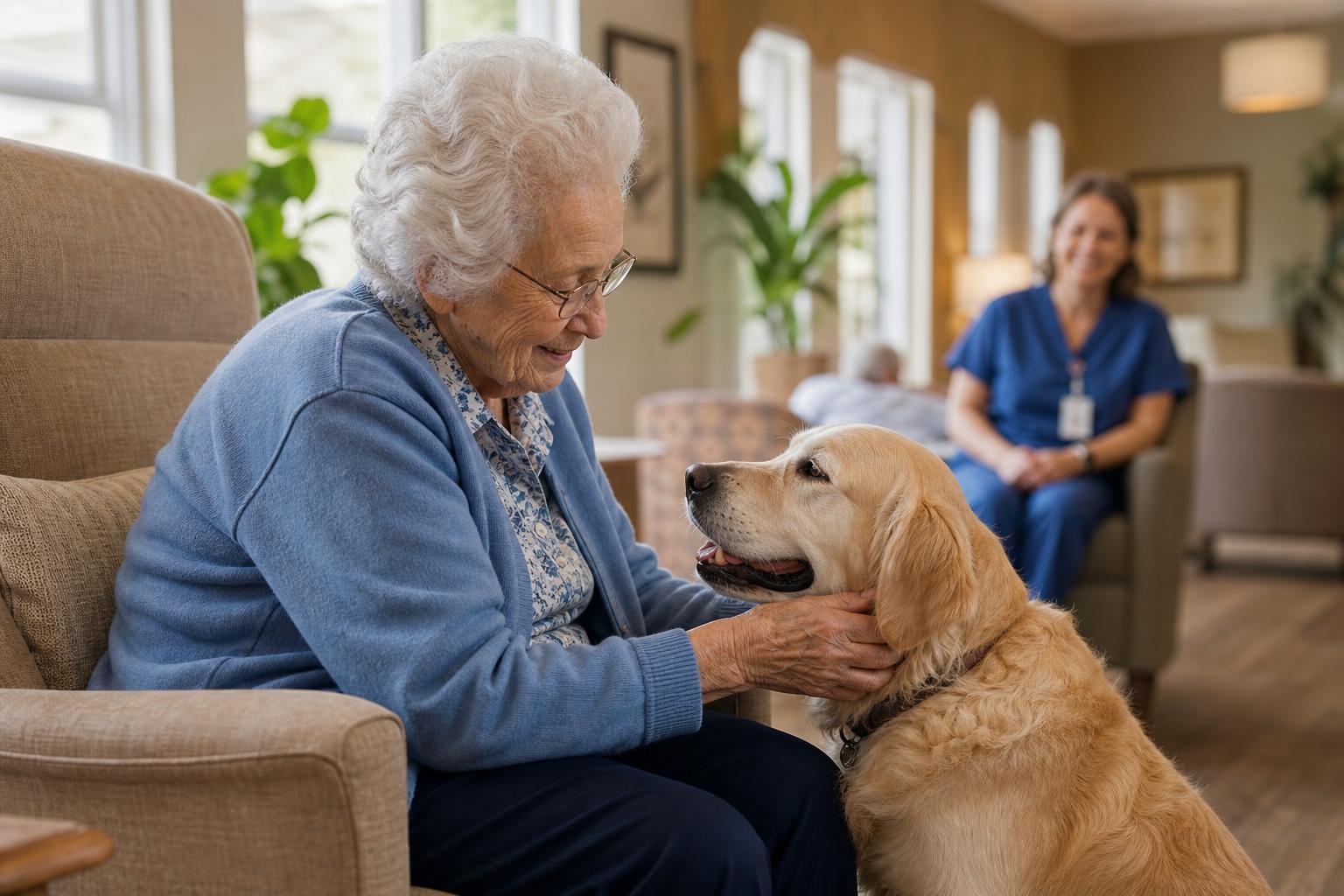
One of the biggest benefits is simple companionship. Dogs offer attention without judgment. They do not mind repeated stories, trembling hands, or long pauses in speech. They are content to sit beside a bed, rest a chin on a knee, or accept a slow stroke across the ears. For residents who feel isolated, that calm presence can ease anxiety and help them feel seen again.
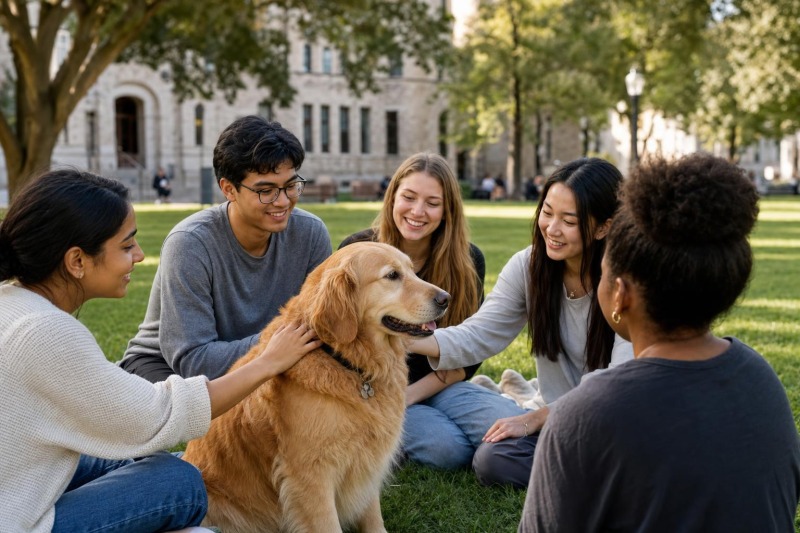
Therapy dogs also encourage social interaction. A dog is a natural bridge between people. Residents who may not speak much to one another often start talking when a dog arrives. Staff members join in. Family visitors relax. The room changes.
There is also growing recognition that animal-assisted visits can help reduce stress, lower agitation, and improve mood. In some residents, especially those dealing with dementia, a therapy dog can provide grounding during confusion or restlessness. Not every person responds the same way, of course, but many do. Some brighten. Some calm down. Some remember.
The Emotional Impact on Residents
The emotional value of therapy dogs in nursing homes is hard to overstate. Many residents miss the routines that once gave shape to their days: feeding a dog in the morning, taking a walk, hearing paws cross the floor, feeling a body settle nearby in the evening. Those small rituals carry meaning. When a therapy dog visits, even for a short while, it can stir a deep sense of familiarity and comfort.
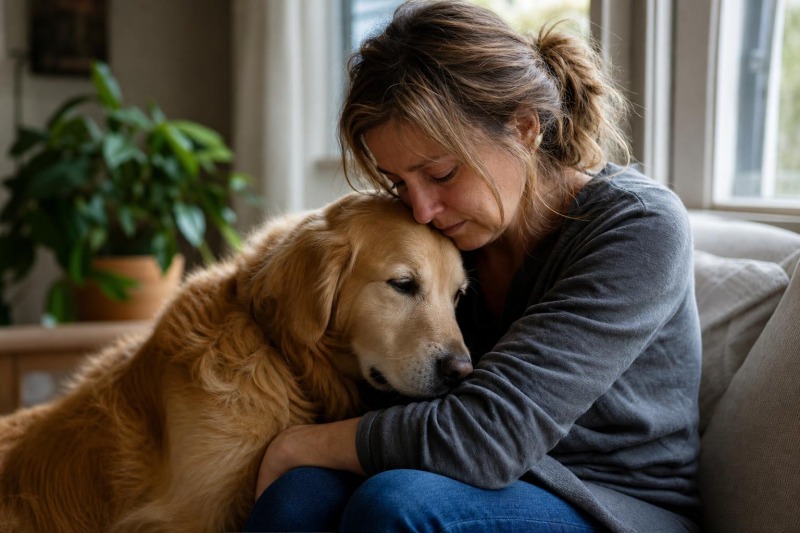
That kind of connection matters especially for residents who are grieving. Some have lost spouses, close friends, homes, and even the ability to care for themselves in the way they once did. A dog does not erase that pain, but it can lighten it for a spell. Sometimes that is enough to change the whole tone of a day.
How Therapy Dogs Help Residents with Dementia
One area where therapy dogs often shine is memory care. Dementia can leave people feeling disoriented, frustrated, and withdrawn. Words may come slowly or not at all. Familiar names may slip away. Yet emotional memory often remains strong, and animals can reach that part of a person in a powerful way.
A gentle dog can help create a sense of safety. Residents may pet the dog, smile, hum, or begin speaking in ways they had not moments before. Sometimes an old memory rises up as naturally as a bird flushing from grass. A resident may remember a childhood farm dog, a beloved hunting companion, or the mutt that slept on the porch for fifteen years. Those moments are precious because they reconnect people to their own stories.
Handlers and facility staff still need to be thoughtful. Not every resident wants interaction, and some may be startled by sudden movement or unfamiliar animals. The best therapy dog teams know how to read a room, move slowly, and let the resident set the pace.
What Makes a Good Therapy Dog for Nursing Home Visits
Not every friendly dog is suited for therapy work. A good therapy dog in a nursing home needs more than a wagging tail. The dog must be calm, stable, patient, and comfortable around wheelchairs, walkers, medical equipment, unusual noises, and unsteady movement. Strong obedience matters, but temperament matters more.
The best therapy dogs tend to enjoy human contact without being pushy. They should be able to settle quietly, accept handling from strangers, and remain composed if someone hugs a little awkwardly or pets with trembling hands. They need to stay soft and steady even when a hallway gets busy or a resident becomes emotional.
Breed is less important than suitability. A therapy dog should be healthy, clean, well-groomed, and trained well enough that the resident never has to worry about the dog’s behavior.
The Handler Matters Just as Much
A therapy dog team is exactly that, a team. The handler is not just holding the leash. The handler watches body language, protects the dog, respects resident boundaries, and works closely with staff. In a nursing home, the handler needs patience, humility, and good sense. This is not a place for showing off a dog. It is a place for serving people.
A strong handler understands when a resident wants conversation and when they simply want a quiet visit. They know how to approach a bed-bound resident, how to pause for consent, and how to end an interaction before the dog becomes tired or the resident becomes overwhelmed. The best handlers move with the same calm steadiness as the dogs themselves.
Safety, Cleanliness, and Facility Standards
For therapy dogs in nursing homes to be a real benefit, the work must be done responsibly. Facilities usually require proof of vaccinations, grooming standards, health checks, and behavior evaluations. Many also work with registered therapy dog organizations that test dogs and handlers for appropriate temperament and control.
Cleanliness matters. Residents in nursing homes may have fragile health, so therapy dogs should be bathed, brushed, and free of parasites before visits. Handlers should follow facility rules about hand hygiene and where dogs may go. Some residents may have allergies, fears, or cultural concerns about dogs, and those preferences deserve full respect.
Good programs never force interaction. The visit should always be invited, welcomed, and supervised. That care protects residents, staff, and the dog alike. A well-run therapy dog visit feels easy on the surface, but it is built on planning and professionalism underneath.
The Difference Between Therapy Dogs, Service Dogs, and Companion Dogs
Folks often mix these terms together, so it is worth clearing up. A therapy dog visits many people to provide comfort and emotional support in places like nursing homes, hospitals, schools, or rehabilitation centers. A service dog is individually trained to perform specific tasks for a person with a disability. A companion dog, meanwhile, offers everyday friendship and emotional closeness, usually within a home.
All three roles matter, but they are not interchangeable. Understanding the difference helps families choose the right path, especially if they are considering a dog for a loved one in later life or trying to learn what kind of support animal may fit a certain need best.
Why These Visits Leave a Lasting Mark
Some of the strongest moments with therapy dogs in nursing homes are quiet ones. No big speech. No grand event. Just a resident stroking a dog’s back with slow, careful hands while breathing settles into an easier rhythm. Maybe a daughter standing nearby sees her mother smile in a way she has not seen for weeks. Maybe a staff member gets a brief reminder of why this work matters. Those moments count.
They remind residents that affection can still be simple. That trust can still be immediate. That comfort does not always need words. In a world of schedules, medications, and hard realities, a dog can cut through all that and offer something plain and true.
If you are exploring the world of therapy dogs, service dogs, or companion dogs, nursing home therapy work is one of the clearest examples of a dog’s gift. These dogs are not there to fix everything. No honest dog person would claim that. But they can soften fear, ease loneliness, spark memory, and bring warmth where warmth is badly needed. That is worthwhile work by any measure.
Therapy dogs in nursing homes offer more than a pleasant distraction. They help residents feel connected, valued, and comforted in an environment that can sometimes feel clinical or lonely. With the right dog, the right handler, and the right facility standards, these visits can become a meaningful part of care.
For anyone interested in learning more about therapy dogs, service dogs, or companion dogs, this is a good place to begin. Watch how a good dog meets a person where they are. There is wisdom in that, and more heart than most people expect. Once you have seen it, you do not soon forget it.