Crisis-response dog teams should work through an established organization with a defined assignment. Handler preparation, coordination, consent, and animal welfare matter as much as a dog's sociability.
Folks often hear the term and picture any friendly dog with a wagging tail. That is not how it works in the field. Therapy dogs in crisis response need a calm head, a soft presence, and a handler who reads both the dog and the room with care. When they are the right match, they can offer comfort in a way that feels honest and immediate, especially when people are too shaken to accept much else.
What Therapy Dogs Do in Crisis Response
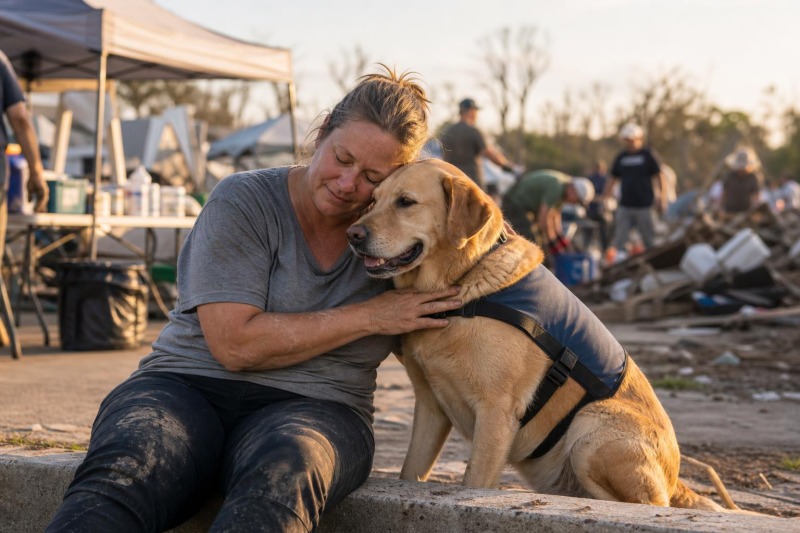
Therapy dogs in crisis response are brought into situations where individuals or communities are dealing with trauma, grief, fear, or extreme stress. These may include natural disasters, mass casualty events, school crises, hospital emergencies, funerals, community vigils, and support settings for first responders. Their purpose is not clinical treatment and it is not task-based disability work. Instead, they provide emotional grounding through calm contact, companionship, and a reassuring routine in the middle of chaos.
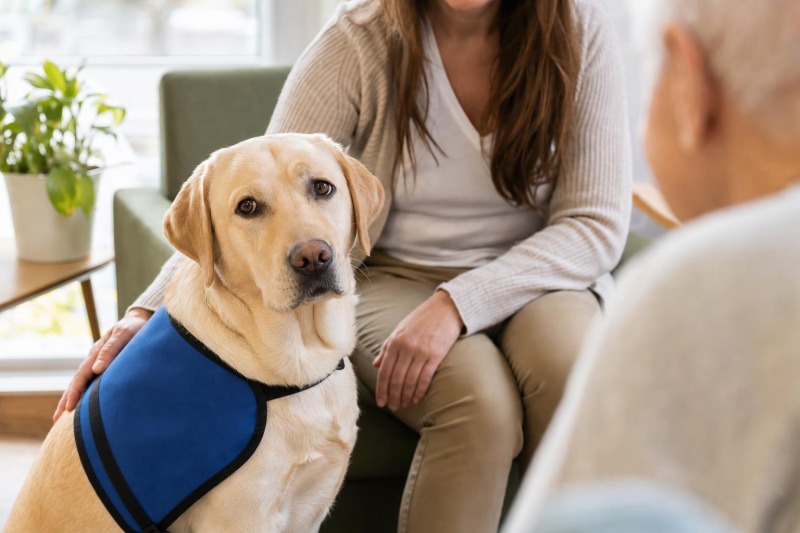
That distinction matters. A service dog is trained to perform specific tasks for a person with a disability. A companion dog offers support and company within daily life. A therapy dog, especially one involved in crisis response, is invited to comfort many different people in structured environments. In the best programs, the dog and handler work as a team under established guidelines, often in coordination with hospitals, schools, nonprofits, chaplains, emergency management personnel, or mental health professionals.
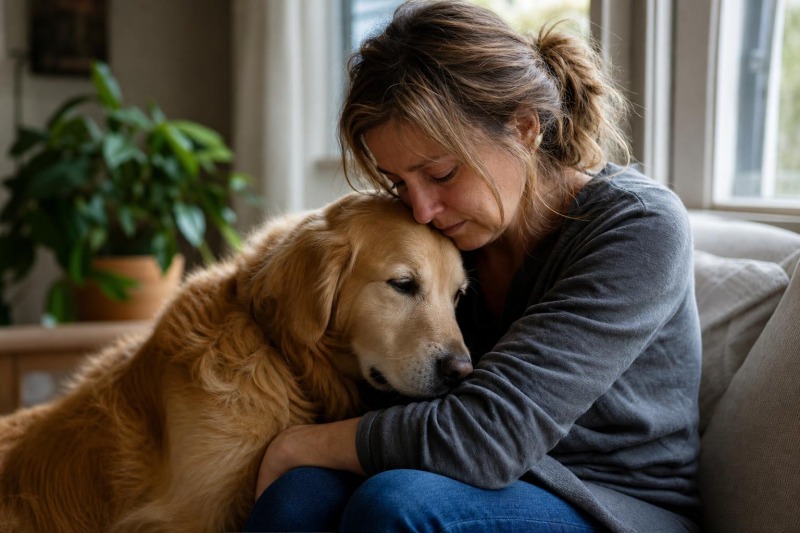
That is not magic. It is the power of safe, nonjudgmental presence. A steady dog does not ask for explanations. The dog does not rush the moment. That can open a door when human conversation feels too heavy to carry.
Why the Best Crisis Therapy Dogs Are Built for Steadiness
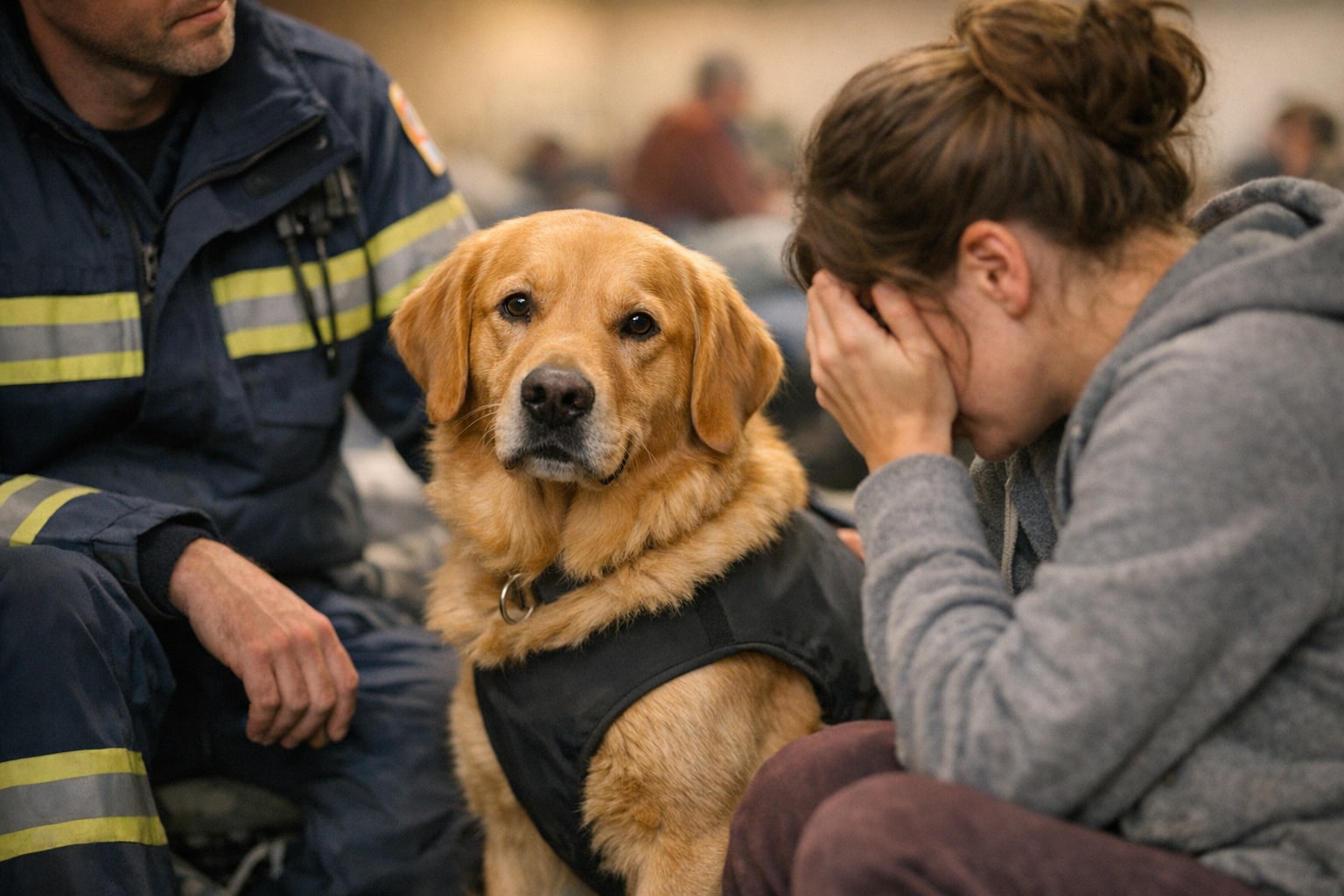
If you spend enough time around dogs, you learn quick that friendliness alone is not enough. In crisis response, the dog may encounter sirens, tears, wheelchairs, unfamiliar floors, loud voices, medical equipment, crowds, and people whose emotions are running hard and fast. Some may cling too tightly. Some may move unpredictably. Some may be grieving so deeply they do not realize how much pressure they are putting on the animal in front of them.
A strong crisis response therapy dog has a settled temperament. The dog should be social without being pushy, confident without being overbearing, and gentle without being timid. Startle recovery is a big one. The dog may hear a slammed door or a burst of sobbing and needs to regain composure quickly. The dog must also be comfortable being touched by strangers, walking through changing environments, and taking direction from the handler in tense situations.
Breed can influence tendencies, but temperament always outranks stereotypes. The best dog for crisis response is the one that remains stable under pressure and still enjoys meeting people after the novelty has worn off.
The Handler Matters as Much as the Dog
Any seasoned dog person will tell you the leash runs both ways. A therapy dog in crisis response is only half the team. The handler has to understand canine body language, protect the dog’s limits, and know when a visit is helping and when it needs to end. Good handlers are observant and humble. They do not force interaction. They do not treat the dog like a prop. They know that the dog’s welfare is tied directly to the quality of comfort the team can offer.
In difficult scenes, handlers also need emotional discipline. The setting may be heartbreaking, and yet the dog looks to the human for cues. If the handler is frantic, distracted, or chasing praise, the whole visit can go sideways. The strongest teams move with quiet purpose. They enter with respect, they watch carefully, and they leave before the dog is drained.
How Therapy Dogs Help After Trauma and Disaster
After a crisis, people often lose their sense of normal rhythm. Their breathing changes. Their thoughts scatter. Their bodies stay braced as if danger is still standing in the doorway. Therapy dogs can interrupt that cycle in a simple, physical way. Petting a calm dog can slow a person down. Eye contact with a gentle animal can reduce the feeling of isolation. Even sitting near a relaxed dog can encourage people to mirror that stillness for a moment.
In shelters after disasters, therapy dogs may help children settle in unfamiliar surroundings. In schools, they can give students and staff a softer path back into conversation after traumatic events. In hospitals and family assistance centers, they can offer a point of focus when people are overwhelmed by grief or uncertainty. For first responders, these dogs can provide a brief but meaningful release valve, a chance to lower their guard without needing to explain themselves.
Of it a bit like hunting with a seasoned dog in rough country. When the weather turns and the cover gets thick, a dependable dog keeps you anchored. Not because the terrain is easy, but because the dog is steady in it. Crisis work carries that same truth. The surroundings may be broken, but the dog offers one living sign that calm is still possible.
Support Without Replacing Professional Care
It is important to keep expectations grounded. Therapy dogs do not replace trauma-informed mental health care, medical treatment, or emergency services. They are part of a broader support response. Their value is in human connection made easier through the dog’s presence. Sometimes that means helping a grieving person sit quietly without feeling alone. Other times it means making a frightened child willing to enter a room, speak to a counselor, or stay in place long enough for care to begin.
That role may sound modest on paper, but in a real-world crisis it can be powerful. Small openings matter. A little trust matters. One slowed breath can matter more than folks realize.
Training and Certification for Crisis Response Therapy Dogs
No dog should be dropped into crisis scenes just because it is sweet at home. This work calls for advanced preparation. A quality therapy dog should have reliable obedience, excellent social manners, and the ability to stay composed around noise, movement, and emotional intensity. Beyond basic therapy certification, many organizations require additional screening or specialized preparation for crisis response environments.
The dog should be comfortable with crowds, mobility aids, medical settings, unusual surfaces, and prolonged calm behavior. The handler should be trained in stress signals, safe interactions, sanitation protocols, and site-specific procedures. In many programs, teams also learn how to work within incident command structures or alongside mental health professionals and chaplain teams.
A dog that loves greeting neighbors may still be a poor fit for post-disaster work. That is no knock on the dog. It just means the standards are different when people are in shock and the environment is unpredictable. Good organizations respect that and evaluate teams honestly. The goal is not to create heroes. The goal is to provide safe, measured comfort without adding strain to an already fragile setting.
When a Therapy Dog Should Not Work a Crisis Scene
One of the clearest marks of an experienced handler is the willingness to say no. Not every dog is suited for crisis deployment, and even a seasoned dog has off days. If the dog is tired, stressed, ill, distracted, or showing avoidance, the visit should not happen. The same goes for environments that are too chaotic, unsafe, or poorly managed for canine welfare.
There is a temptation in emotional situations to keep going because people are grateful and the need feels endless. That is where mistakes happen. A therapy dog that is overworked may shut down, become anxious, or lose confidence over time. Protecting the dog is not separate from serving people well. It is part of the same responsibility.
Choosing the Right Dog for Therapy Work
That foundation is worth more than flashy tricks.
Puppy socialization helps, but mature temperament is what tells the truth. Some dogs grow into this work beautifully. Others prefer a quieter life as beloved companions, and there is nothing wrong with that. The finest dog in your home may not be the right dog for public emotional labor. It takes honesty to see the difference, and honesty is what good dog stewardship is built on.
The Lasting Value of Therapy Dogs in Crisis Response
In hard times, people remember strange little details. The sound of a hallway. The smell of rain on wreckage. The warmth of a dog leaning against their leg when everything else felt cold. Therapy dogs in crisis response do not erase trauma, but they can soften a moment that might otherwise feel unbearable. They remind people that comfort still exists, even when the ground has shifted under them.
That is why this work deserves respect and careful handling. It is not a costume for social media and it is not a feel-good extra. Done right, it is disciplined, compassionate service carried out by the right dog, the right handler, and the right support network. For families learning about therapy dogs, service dogs, and companion dogs, that distinction is worth understanding. Each has a different job. Each serves people in a different way. But in the world of crisis response, a true therapy dog can be one of the steadiest lights in a dark stretch of road.
If you are considering therapy dog work, take your time. Learn the standards. Train carefully. Watch your dog honestly. The best teams are not built overnight. They are shaped through patience, trust, and a clear-eyed respect for what this work asks of both ends of the leash.