A service-dog vest may communicate that a dog is working, but it does not establish legal status. Choose any equipment for fit, comfort, and the handler's practical needs.
That is where a lot of confusion starts. Folks see a dog in a bright vest and assume the vest itself is proof. It is not. A service dog is defined by training and task work, not by a piece of fabric. Still, service dog vests have a real purpose, and for many handlers they are part of the daily routine, as familiar as boots by the back door before first light.
What a Service Dog Vest Really Means
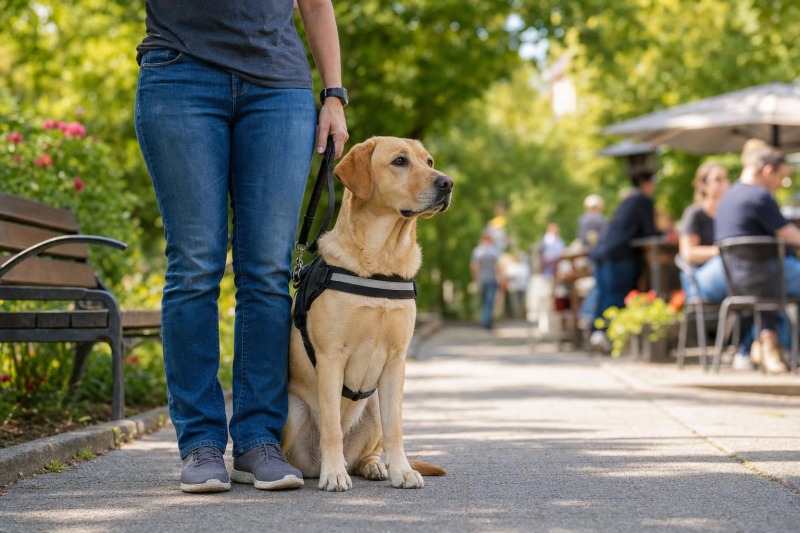
A service dog vest is best understood as working equipment. It is a visible signal that the dog is on duty, trained to assist a person with a disability, and not available for petting or distraction. In public, that matters more than some people realize. A vest can reduce unwanted attention, cut down on questions, and help create a cleaner path through stores, airports, offices, and medical buildings.
That said, a vest does not create legal status. In the United States, service dogs are not required by federal law to wear a vest. They are not required to carry ID cards, registrations, or certificates either. That catches many first-time readers off guard because the internet is full of slick-looking websites selling paperwork and badges as if they hold legal power. They do not. The dog’s training and behavior are what matter.
From a practical standpoint, though, many handlers still choose a vest because it helps avoid conflict. It can make everyday outings smoother, especially in busy places where people might otherwise treat the dog like a pet. In that sense, a vest is less about proving something and more about helping everyone understand the situation at a glance.
Why Many Handlers Use a Vest Anyway
Out in the real world, clean communication counts. When a dog is tucked at a checkout line or guiding a handler through a doorway, the last thing needed is a stranger leaning in with baby talk and grabbing hands. A clearly marked service dog vest often heads that off before it starts. It sets the tone. The dog is working. Respect the space.
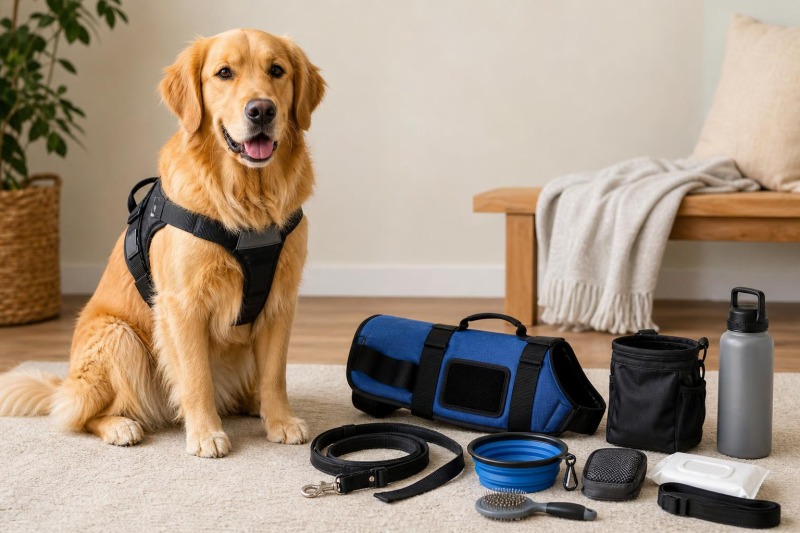
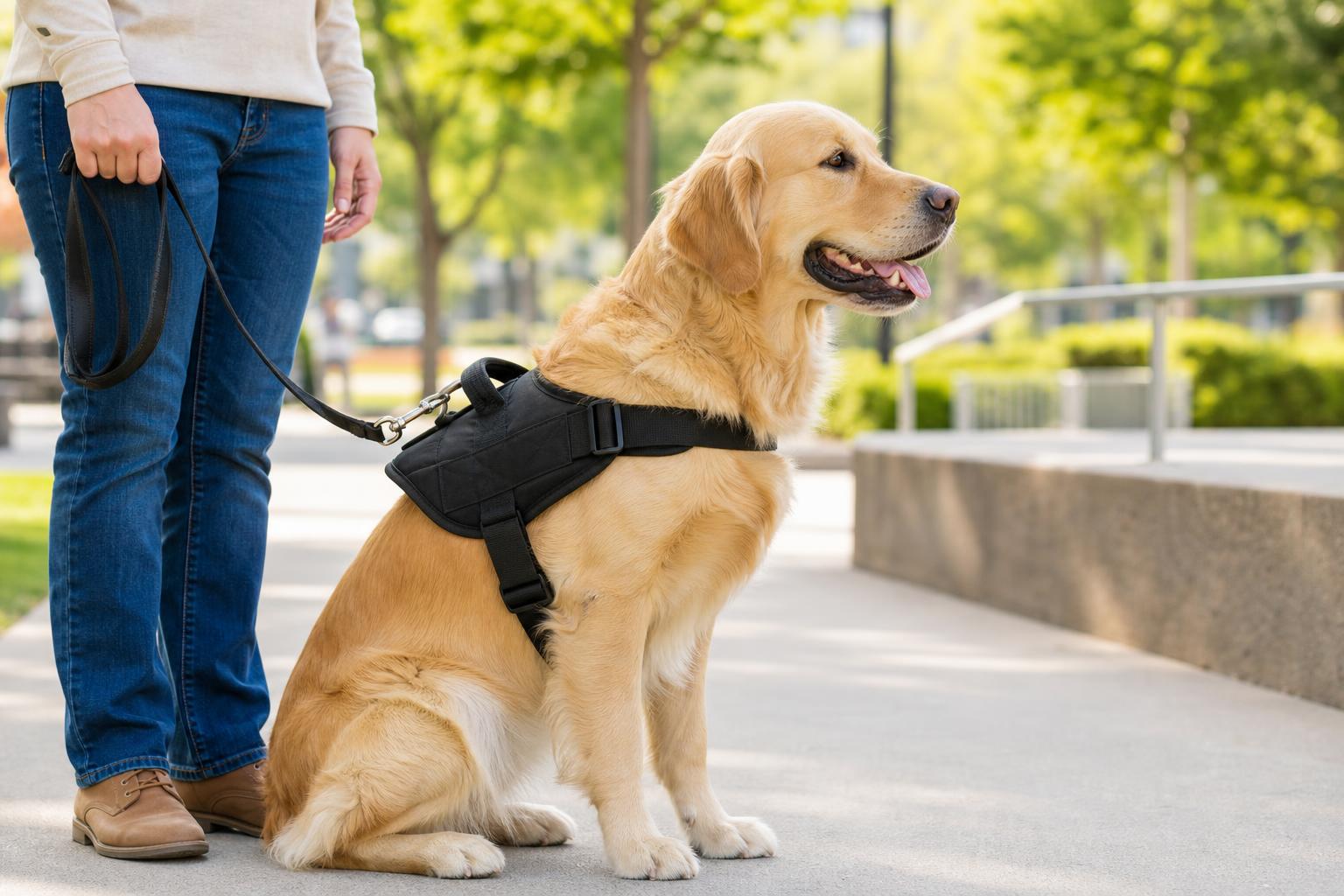
There is also the matter of function. Some vests include sturdy attachment points, side pouches, reflective trim, or structured handles. Depending on the handler’s needs, those features can be useful. Not every service dog requires specialized gear, but when a vest is chosen well, it can make the day easier instead of harder.
You should not be fussing with it every ten minutes. The dog should move freely, lie down comfortably, and carry on with the business at hand. If the vest rubs, shifts, overheats the dog, or catches on things, it is not doing its job no matter how official it looks.
Service Dog Vests vs. Therapy Dog and Companion Dog Gear
This is one place where clear language matters. A service dog is individually trained to perform specific tasks for a person with a disability. A therapy dog, on the other hand, usually works in settings like hospitals, schools, or nursing homes to provide comfort to many people. A companion dog offers emotional closeness and daily support at home, but that role is not the same as task-trained service work.
Because those roles differ, the gear often does too. Therapy dog vests usually identify the dog’s role during visits and are often more about visibility and presentation in approved environments. Companion dog gear may simply be comfortable, stylish, or practical for walks and outings. Service dog vests tend to prioritize public clarity, durability, and functional support for working access.
That distinction is important for buyers. The wrong label on a vest creates confusion and can lead to uncomfortable encounters. If your dog is a therapy dog, the vest should say that. If your dog is a service dog, use gear that accurately reflects the work being done. Honest labeling helps everyone, including the dog.
Why the Difference Matters in Public
When people misunderstand working dog roles, they often make assumptions about access, training, and expectations. A service dog in a grocery store is performing a different job than a therapy dog visiting a care facility. The vest should support that understanding, not muddy it. Good equipment does not have to be flashy, but it should be clear.
What to Look for in a Service Dog Vest
Fit comes first. If the vest does not fit the dog well, nothing else matters. A vest should sit securely without restricting shoulder movement or digging into the chest. It should be snug enough not to slide around when the dog turns or lies down, but not tight enough to chafe or trap heat. Dogs work with their whole bodies, and poor fit can wear on them over time.
Material matters next. A lightweight mesh vest may be just right in warm climates or for short indoor outings. A heavier-duty vest may be better for frequent travel, rougher daily use, or handlers who need more structure. Stitching should be clean and strong. Buckles should feel dependable. If the dog is wearing the vest often, cheap hardware will show its weakness soon enough.
Visibility is another key factor. Clear patches such as “Service Dog” or “Do Not Pet” can help the public understand boundaries quickly. Reflective accents are useful for evening walks, parking lots, or dim indoor settings. In some cases, simple and readable is better than overloaded. You want the message to be plain, not cluttered like a tackle box dumped on the tailgate.
Comfort should never be sacrificed for appearance. Watch how the dog moves in the vest. Can the dog sit, tuck, lie down, and stand smoothly? Is there rubbing behind the front legs? Does the dog seem hotter than usual? Those signs tell the truth faster than product descriptions ever will.
Handles, Patches, and Extra Features
Some service dog vests include a top handle, removable patches, MOLLE-style panels, or side pockets. Whether those are useful depends entirely on the dog’s work and the handler’s needs. A handle can be convenient for control in tight spaces, but it should not be mistaken for a mobility support device unless it is specifically designed for that purpose and recommended appropriately. Patches can be helpful if they are legible and secure. Pockets are useful only if they do not throw off balance or become cumbersome.
The best feature set is the one that supports the job without turning the vest into dead weight. Working dogs do not need gimmicks. They need comfort, freedom, and gear that holds up under honest use.
Common Myths About Service Dog Vests
One of the biggest myths is that a service dog must wear a vest to enter public places. That is false. Another is that buying a vest online somehow makes a dog a service dog. That is also false. Training is what counts. A calm, task-trained dog without a vest is still a service dog. A poorly behaved pet wearing ten patches is still just a pet.
There is also a belief that the more official the vest looks, the fewer problems a handler will have. Sometimes that is true, but not always. Public access issues usually come down to behavior, staff education, and the handler’s comfort navigating questions. A vest can help, but it is not a magic pass.
It should serve the day’s purpose, stand up to weather and wear, and never distract from the work. Fancy trim means little if the seams split when you need it most.
Choosing the Right Vest for Your Dog’s Work
If the dog works mostly indoors, a lighter vest with breathable fabric may be ideal. If the dog travels often, a durable vest with easy on-and-off design saves time and trouble. If the dog works long shifts in public, look closely at padding, airflow, and how quickly the vest can be adjusted. Small details become big ones after months of use.
It also pays to think about your dog’s build and coat. A deep-chested dog may need a different cut than a compact, stocky one. A thick-coated dog may overheat under heavy material, especially in southern heat or crowded indoor spaces. A smooth-coated dog may benefit from softer lining that prevents rubbing. There is no one-size-fits-all answer, and that is the truth of most worthwhile dog gear.
Before settling on a vest, let the dog wear it around the house and on short outings. Watch posture, movement, and attitude. Good equipment tends to become a nonissue. Bad equipment shows itself in fidgeting, scratching, stiffness, or reluctance.
Service dog vests matter, but not for the reasons many people think. They do not grant legitimacy, and they do not replace training. What they do is offer visibility, support, and practical utility for working teams moving through a busy world. When chosen carefully, a vest helps the dog do the job with comfort and helps the handler navigate public spaces with less friction.
For anyone learning the difference between service dogs, therapy dogs, and companion dogs, this is a good place to start: the dog’s role comes first, the training gives that role meaning, and the gear should support both. A vest is a tool, nothing more and nothing less. And like any good tool, it earns its place by working hard, fitting right, and staying out of the way when the real business begins.