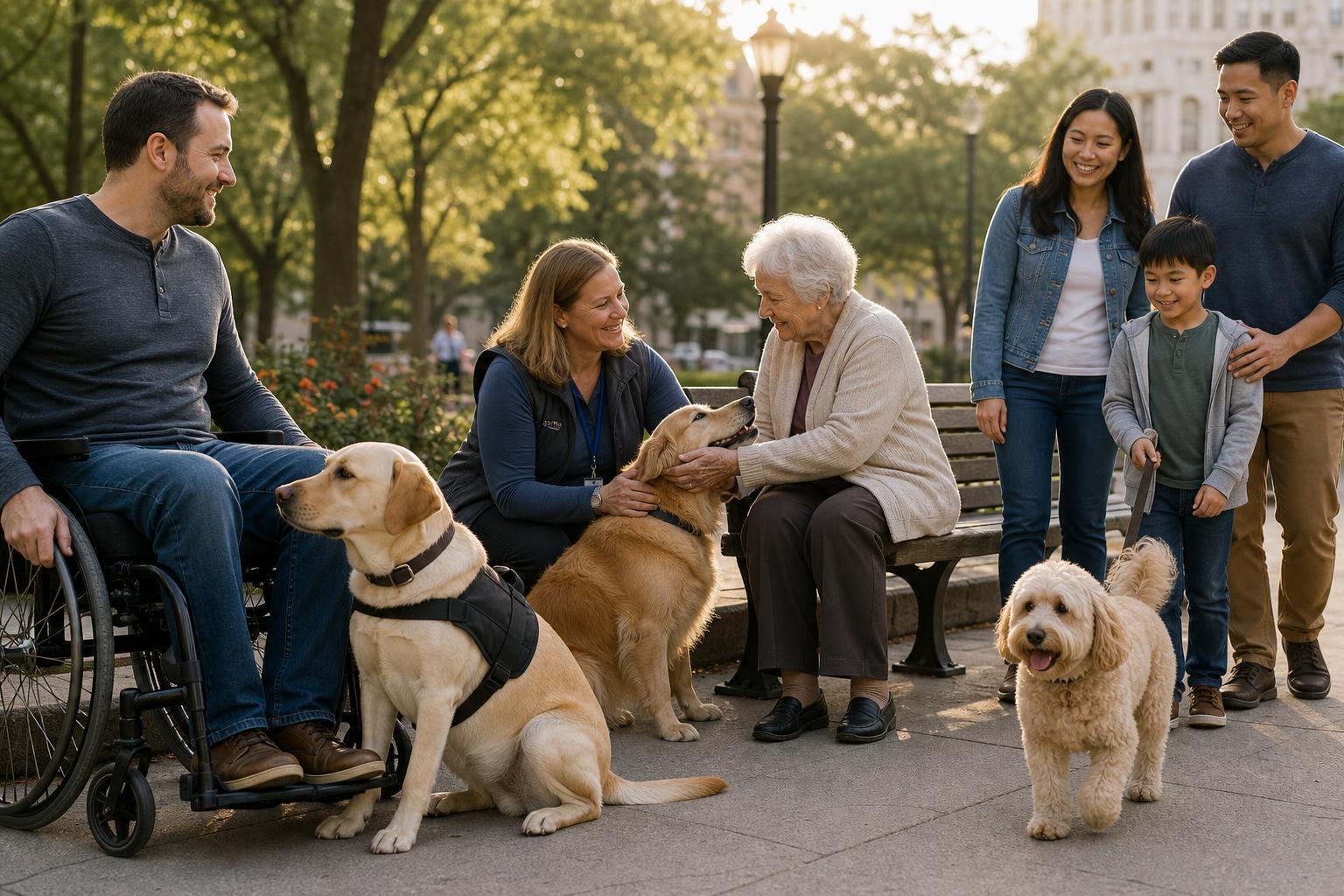
Dogs fill different roles in contemporary life: household companions, visiting teams, and task-trained working partners among them. Each role brings practical responsibilities and limits alongside its potential value.
These days, dogs fill a remarkable range of roles. They are companions for families, trusted support for people facing emotional strain, skilled service animals for individuals with disabilities, and calming therapy dogs in schools, clinics, and hospitals. Some still work the land, track game, guard property, or help with search and rescue. Others simply lie at the feet of someone who needs a steady heartbeat nearby. However you look at it, dogs remain one of the most valuable and adaptable animals in human society.
From Working Partner to Family Member
There was a time when most dogs earned their keep in visible ways. They hunted, herded, guarded, and pulled. A man could look at a dog and know its purpose by the set of its shoulders and the way it moved across a field. A fine dog in the field, whether flushing birds or following scent through cover, shows the same intelligence and devotion that make dogs so valuable in today’s world. The difference now is not that dogs have lost their working spirit. It is that society has learned to appreciate many more forms of canine work.
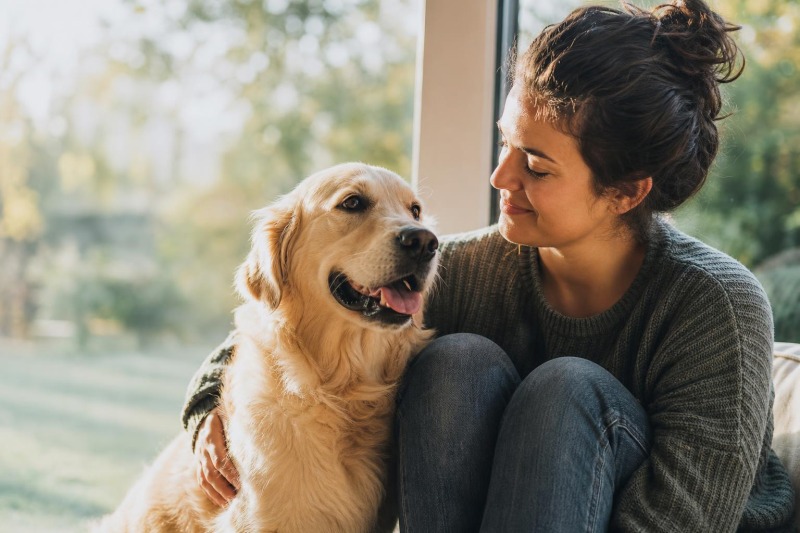
Modern households often treat dogs as family, and rightly so. Companion dogs provide routine, affection, and emotional grounding. In a world where people spend more time on screens and less time face to face, a dog offers something solid and honest. They do not care about status, noise, or pretense. They want your time, your leadership, and your trust. That kind of bond matters more now than ever.
For children, a companion dog can teach patience, empathy, and responsibility. For older adults, dogs offer structure and a sense of purpose. For single people or families navigating stress, a dog can make a house feel steadier. Their presence changes the atmosphere of a home. It is hard to measure in numbers, but anyone who has seen a worried child relax while petting a dog, or an elderly person smile at the sound of paws crossing the floor, knows the value is real.
Why Companion Dogs Matter More Today
Modern life can be crowded, fast, and strangely lonely. People move often, families spread out, and many folks carry more stress than they let on. Companion dogs help bridge that gap. They encourage exercise, outdoor time, and social interaction. A daily walk with a dog leads to conversations with neighbors, fresh air, and movement that many people would otherwise skip. A dog gets you out of your own head. That is no small thing.
Beyond that, companion dogs provide a sense of emotional consistency. They thrive on routine, and in giving them what they need, people often find healthier patterns for themselves. Feeding time, walks, grooming, training, and rest all create a rhythm. That regularity can be especially helpful for people dealing with anxiety, grief, or major life changes.
Therapy Dogs and the Healing Presence of Canines
One of the clearest signs of how dogs fit into modern society is the rise of therapy dogs. These dogs are not simply pets with a sweet nature, though a calm temperament is certainly important. Therapy dogs are prepared to offer comfort in structured environments such as hospitals, rehabilitation centers, nursing homes, schools, and counseling settings. Their role is to support emotional well-being, reduce stress, and bring a gentle kind of relief that medicine alone cannot always provide.
Men who would not say much to another person will scratch behind a dog’s ears and start talking. Children facing fear in a medical setting often become more cooperative and calm when a therapy dog is nearby. Folks in long-term care can light up at the sight of a dog resting its head in their lap. Dogs have a way of reaching people without demanding anything in return, and that gift is powerful.
Therapy dogs are especially valuable in a society that is paying closer attention to mental health. Stress, burnout, trauma, and isolation affect people of all ages. A trained therapy dog can lower tension in a room without saying a word. Their role is not to replace clinical care or professional treatment. Instead, they work alongside it, helping people feel safe enough to receive support.
The Difference Between Therapy Dogs and Service Dogs
It is important to understand that therapy dogs and service dogs are not the same. Therapy dogs are usually invited into settings where they provide comfort to many people. Service dogs, on the other hand, are individually trained to perform specific tasks for a person with a disability. That distinction matters because the training, access, and legal protections are different.
Still, both roles show how deeply dogs contribute to modern life. Whether they are offering calm in a therapy setting or performing highly specialized tasks for one handler, dogs continue to prove their worth in practical, life-changing ways.
Service Dogs and Independence in Daily Life
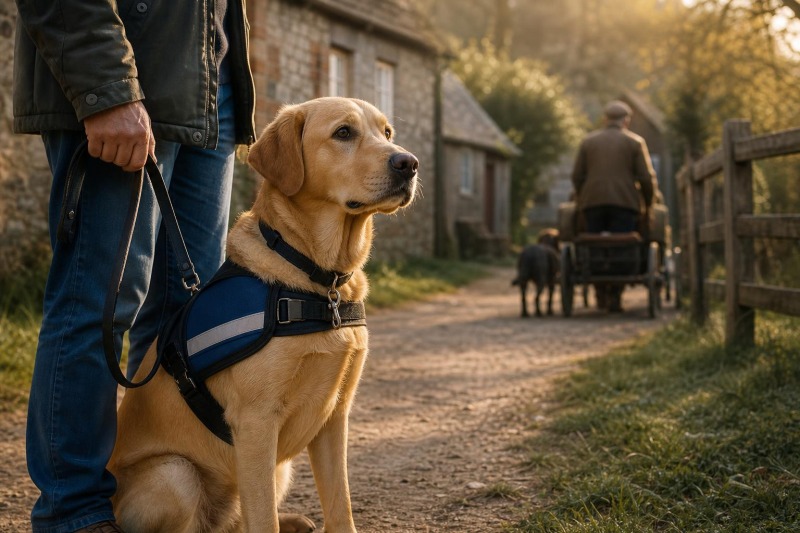
If you want to see the finest example of a dog’s purpose in the modern world, watch a well-trained service dog at work. There is no wasted motion. No confusion. Just attentiveness, discipline, and devotion. Service dogs assist people with a wide range of disabilities, including mobility challenges, visual impairment, hearing loss, seizure disorders, diabetes, and certain psychiatric conditions. They are not there for decoration or casual attention. They are working animals with a serious job.
The impact of a service dog can be profound. For many handlers, a service dog increases independence, safety, and confidence. A dog might retrieve dropped items, alert to medical changes, guide a person through public spaces, interrupt harmful behaviors, or provide bracing and balance support where appropriate. These tasks can turn difficult days into manageable ones and limited routines into fuller, freer lives.
What makes service dogs so impressive is not just their training, though that is substantial. It is the partnership. Handler and dog learn one another in a way that runs deep. Trust becomes second nature. Out in public, that team may pass unnoticed by some, but the dog is making dozens of skilled decisions and responses that help its handler navigate the world.
In a society that values access and inclusion, service dogs play a meaningful role. They help remove barriers and allow people to participate more fully in work, travel, education, and community life. That is not a sentimental contribution. It is a practical one, and a vital one.
Dogs in Community, Safety, and Service
Even beyond the home, dogs continue to serve in public-facing roles that matter. Search and rescue dogs locate missing persons in wilderness, disaster zones, and urban settings. Detection dogs assist law enforcement and security teams by identifying narcotics, explosives, and other hazards. Crisis response dogs may support people after traumatic events. Livestock guardian dogs still protect animals in rural communities. Hunting dogs remain trusted partners for sportsmen who value tradition, skill, and ethical pursuit.
That last point matters to me. A dog in the field is not a relic of the past. It is a living reminder that the bond between people and dogs was built on cooperation, discipline, and shared purpose. Those same traits show up in every modern canine role, whether the dog is helping a hunter recover game, helping a child read with confidence, or helping a veteran face a difficult day. The work may look different, but the heart of it is the same.
How Dogs Reflect What Society Needs
Dogs have always adapted to human needs, and modern society has no shortage of needs. We need connection. We need steadiness. We need practical support for disability and health challenges. We need comfort in stressful environments. We need trustworthy working animals in specialized fields. The reason dogs remain so relevant is simple: they meet human needs with a combination of instinct, trainability, loyalty, and emotional intelligence that is hard to match.
At the same time, our growing appreciation for dogs says something about us. It shows that society is beginning to value not just productivity, but presence. Not just efficiency, but care. A dog does not solve every problem, but a well-bred, well-trained, well-loved dog can improve the quality of life in ways both visible and quiet.
Choosing the Right Dog for the Right Role
Of course, not every dog is suited for every job. A successful companion dog, therapy dog, or service dog depends on temperament, health, training, and the right match with a person or environment. That is why education matters so much for prospective owners. Folks interested in learning about therapy dogs, service dogs, or companion dogs should take the time to understand breed tendencies, energy levels, trainability, and the responsibilities involved.
A dog is not a shortcut to emotional healing or an accessory for a lifestyle. It is a living partner that deserves structure, respect, and proper care. When people approach dog ownership with clear eyes and steady commitment, the rewards are tremendous. When they do not, both dog and owner suffer. In modern society, where dogs hold such meaningful roles, responsible ownership matters more than ever.
The Enduring Place of Dogs in Modern Life
For all our technology, speed, and noise, dogs remain wonderfully unchanged in the ways that count. They still watch us closely. They still read our tone before our words. They still rise to a task when trained with patience and fairness. They still offer companionship that feels clean and true. That is why their role in modern society is not fading. It is expanding.
From the family living room to the rehabilitation clinic, from public sidewalks to wooded trails, dogs are helping people live better lives. Companion dogs ease loneliness and bring warmth to daily life. Therapy dogs provide comfort in places where hearts are heavy. Service dogs deliver independence and safety with remarkable skill. Working dogs continue to protect, locate, guide, and assist in ways that keep communities functioning.