Walking, play, and the daily responsibility of caring for a dog can shape a person's routine. Those experiences may support well-being, although keeping a dog also brings costs, work, and occasional stress.
Whether someone is looking into a companion dog, learning about a therapy dog, or trying to understand what a service dog can do, it helps to see the whole picture. A well-matched dog can bring comfort, structure, purpose, safety, and connection. That is not sentiment talking. That is lived experience, and more and more, it is supported by research and everyday observation alike.
The Steady Comfort of a Dog’s Presence
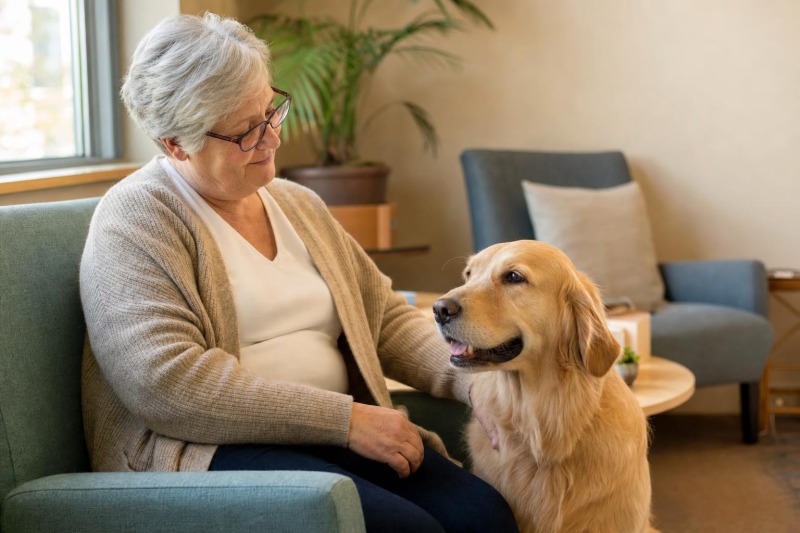
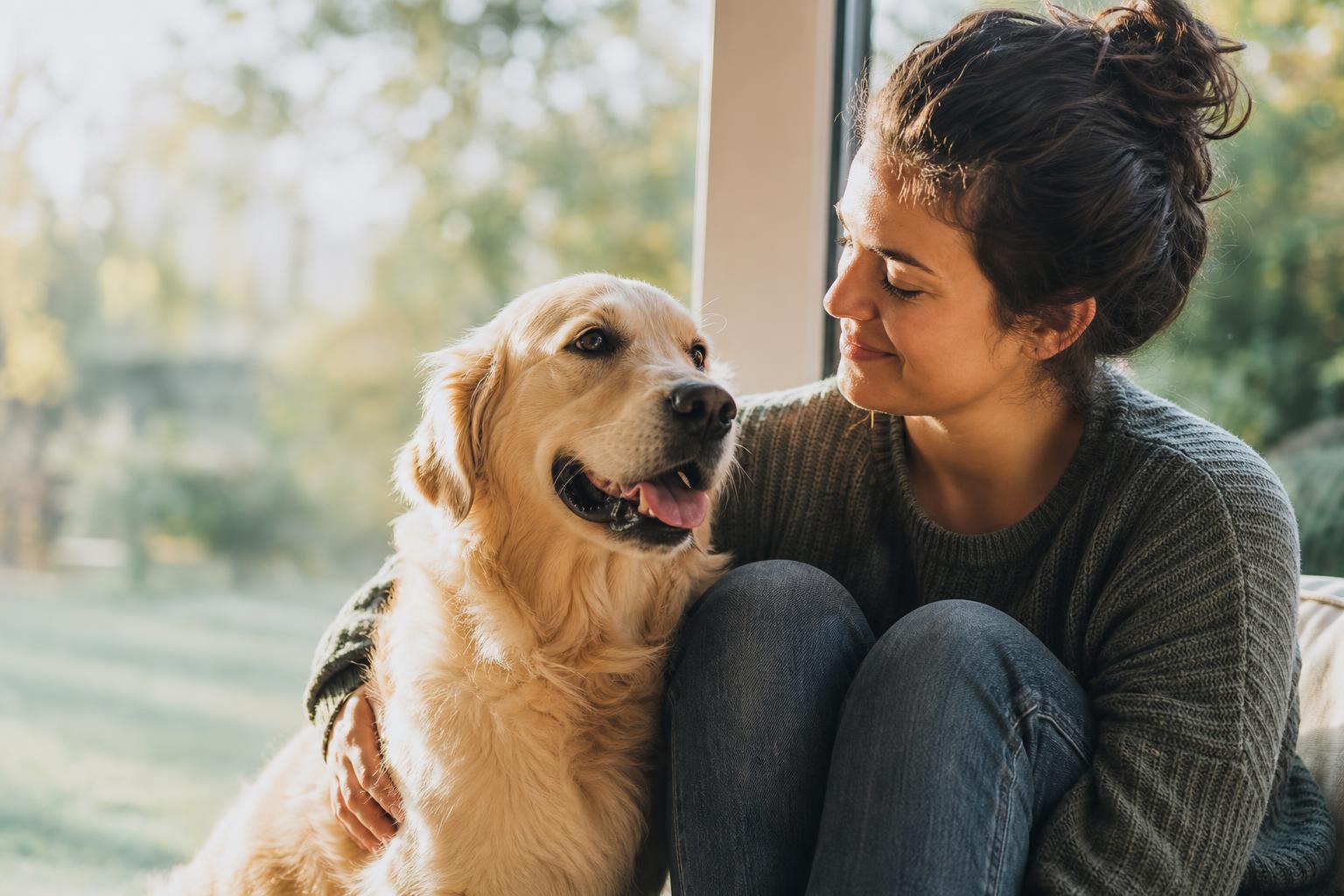
There is something grounding about a dog that knows its person. A good dog watches closely, learns routines, and settles into the rhythm of a household like it was always meant to be there. That alone can do wonders for well-being. People who live with dogs often describe feeling less alone, less anxious, and more anchored in the moment. The comfort is not loud or dramatic most days. It shows up in the small things. A warm head on your knee after a long afternoon. The sound of paws following you from room to room. The quiet certainty that someone is glad you are home.
For people dealing with stress, grief, depression, or isolation, that kind of companionship matters. Dogs offer affection without judgment. They do not care whether the day went according to plan, whether you said the right thing in a meeting, or whether you feel worn thin. They respond to tone, presence, and consistency. In a world that can feel noisy and demanding, a dog often brings a kind of honest calm.
Companion Dogs and Emotional Support in Daily Life
Companion dogs are especially valuable for people who need a close bond and dependable emotional presence. They help create a sense of routine and stability, which can be a lifeline during hard seasons. Getting out of bed is easier when a dog is waiting for breakfast. Taking a walk feels more worthwhile when a dog’s tail starts thumping at the sight of a leash. That relationship creates momentum. And many times, momentum is what people need most.
That does not mean dogs replace professional care or solve every problem. It means they can become a strong, healthy part of a person’s support system.
Dogs Encourage Better Physical Health
One of the clearest ways dogs improve human well-being is by getting people moving. Even a relaxed companion dog needs exercise, bathroom breaks, and time outdoors. That means the owner moves too. The daily habit of walking, playing, and maintaining a dog’s routine can improve cardiovascular health, support weight management, and reduce the wear and tear that comes from a sedentary lifestyle.
On some mornings, that is enough. Fresh air, a little sunlight, and a dog eager to explore can reset a troubled mind better than many people expect. Over time, those walks add up. So do the practical chores of caring for a dog, from grooming to training to simply staying engaged.
Dogs may also help lower stress in ways that affect the body directly. Many people notice their breathing slow and their tension ease when petting a calm dog. That physical response matters. Less stress often means better sleep, better focus, and a healthier baseline for daily life.
The Power of Routine and Responsibility
Dogs thrive on regular schedules, and in return, they help humans maintain them. Meals happen on time. Walks happen whether the sky is blue or gray. Bedtime settles into a pattern. That routine can be especially valuable for children, older adults, and people navigating anxiety or life transitions. It creates shape where life might otherwise feel loose and uncertain.
Responsibility also builds confidence. When someone successfully cares for a dog, they are reminded every day that they are capable, needed, and trusted. That kind of reinforcement can be powerful for a person rebuilding after loss, illness, or emotional strain.
Therapy Dogs Bring Comfort Beyond the Home
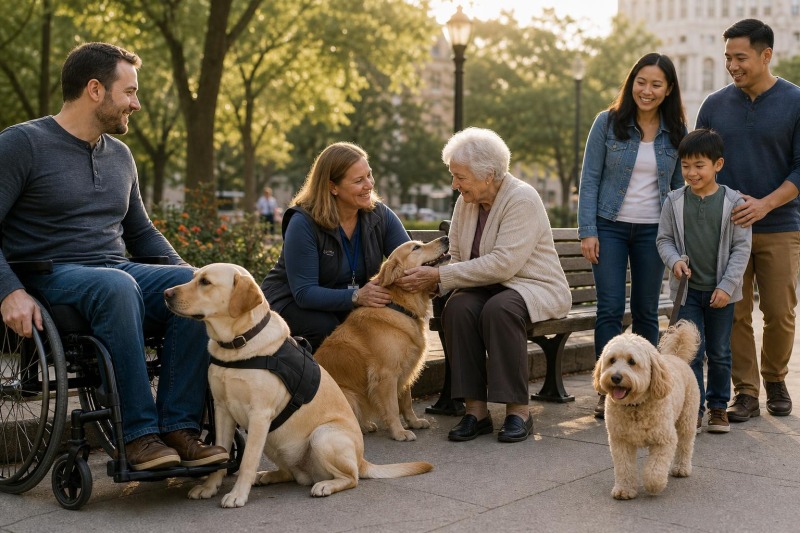
Therapy dogs occupy a special place in the conversation about well-being. Unlike a household companion dog whose main role is at home, a therapy dog is trained and evaluated to provide comfort in public settings such as hospitals, schools, nursing homes, and counseling environments. Their work can be gentle but profound.
People who had little interest in conversation suddenly began talking. Children reading aloud found confidence with a patient dog at their side. Older adults living with memory loss sometimes brightened when they felt familiar fur under their hand. In these moments, the dog becomes a bridge. It connects people to memory, to emotion, and to one another.
Therapy dogs can help reduce stress during medical treatment, ease tension in educational settings, and provide comfort in times of crisis. Their presence often helps people feel safer and more at ease, which can make difficult experiences more manageable. For anyone considering whether a therapy dog might be the right path, it is worth understanding that this role requires a stable temperament, solid training, and a genuine ease around many kinds of people and environments.
Service Dogs Increase Independence and Confidence
Service dogs improve human well-being in a different but equally important way. These dogs are trained to perform specific tasks for a person with a disability. That work can include guiding someone with vision loss, alerting to medical events, retrieving items, providing mobility support, interrupting harmful behaviors, or helping a handler navigate daily tasks with greater safety and confidence.
A well-trained service dog is not simply a comfort. It is a working partner. And for many handlers, that partnership opens doors that might otherwise remain closed. Independence is not just about getting from one place to another. It is about dignity. It is about being able to move through the world with more assurance, less fear, and more control over everyday life.
There is also an emotional layer to this bond. Trust between a service dog and handler runs deep. That trust can reduce stress, improve confidence, and help a person feel less alone while managing serious challenges. For families trying to understand the value of a service dog, it helps to recognize that the benefits are often practical and emotional at the same time.
Choosing the Right Dog for the Right Role
Not every good dog is meant for therapy work or service work, and not every person needs the same kind of canine support. Temperament, energy level, trainability, lifestyle, living space, and the handler’s needs all matter. A calm companion dog may be ideal for one household, while another person may need a dog capable of advanced task training. The best outcomes come from honest expectations and careful matching.
This is where education matters. Before bringing a dog home, people should take time to learn the difference between companion dogs, therapy dogs, and service dogs. They serve different functions, and understanding those distinctions helps families make wise, responsible decisions.
Dogs Help People Connect With Other People
One often overlooked benefit of dogs is how they improve social well-being. Dogs start conversations. They draw people outdoors. They create easy moments of connection between strangers who might otherwise pass each other without a word. For someone who feels isolated, that can be a meaningful shift.
A dog at your side changes how the world meets you. At the park, on a walking trail, in a training class, or at a community event, dogs invite interaction. People ask questions. They share stories. They smile more readily. Those small social openings can help people build confidence, friendships, and a stronger sense of belonging.
For children, dogs can also teach empathy, patience, and respectful communication. For older adults, dogs may offer both companionship and an ongoing reason to stay engaged with neighbors and family. Across age groups, dogs help create ties that support mental and emotional health.
The Human-Dog Bond Runs Deep
There is an old kind of wisdom in sharing life with a dog. Hunters, farmers, families, therapists, and individuals living with disability have all seen it from different angles. A dog can steady a hand, soften a hard room, and give shape to a difficult day. Some dogs serve with skilled precision. Some offer quiet company from a favorite spot near the door. Some do both in ways that are hard to explain unless you have lived it yourself.
That bond works because it is built on trust, routine, and honest presence. Dogs ask for care, but they give something back that is hard to measure in simple terms. They bring affection, structure, movement, security, and connection. They help people feel seen without saying a word.
For anyone exploring the world of companion dogs, therapy dogs, or service dogs, the question is not whether dogs improve human well-being. They do. The real question is what kind of dog, training, and role best fits the life in front of you. Get that right, and a dog becomes more than a pet. It becomes a partner in living well.