Good dog photographs often come from a comfortable setting and patient observation. Plan around the dog's preferences, keep sessions short, and avoid forcing poses or close contact.
Folks often think they need fancy equipment or a perfect setting to get memorable pictures. That’s not the case. If you want photo ideas with your dog that feel personal and worth keeping, start with moments that already mean something to you.
Start with the Story You Want the Photo to Tell
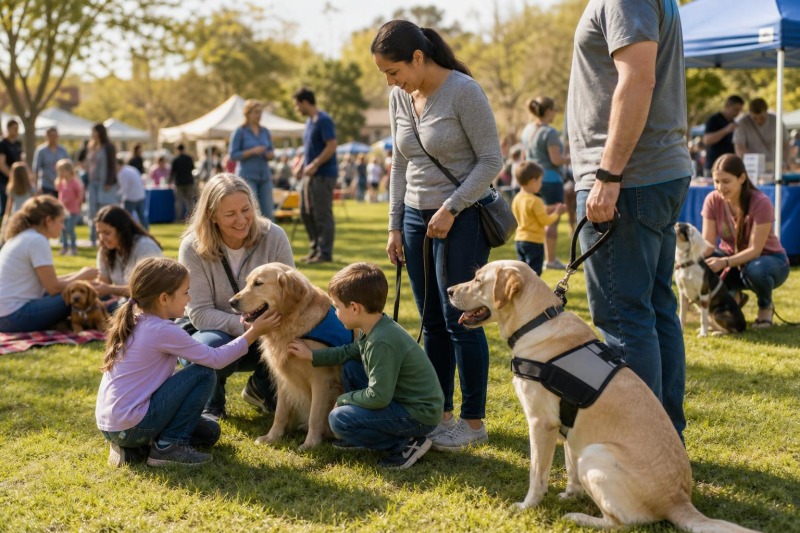
Before you ever lift a camera or phone, ask yourself what kind of story you’re trying to preserve. Is your dog playful, steady, watchful, affectionate, or all business when the harness goes on? A companion dog may shine best in images that show closeness and comfort. A therapy dog often looks most natural in calm, welcoming environments where their gentle presence comes through. A service dog deserves photos that respect both their discipline and their partnership with the handler.
When you know the story, the pose gets easier. Instead of forcing your dog into a stiff sit and staring at the camera, you can build a scene that fits their life. Maybe that means your companion dog riding along in the passenger seat, ears up and eyes on the road. Maybe it means your therapy dog lying calmly beside a chair in a peaceful room. Maybe it’s your service dog at rest beside your leg, focused, composed, and ready. Those kinds of photos have weight because they reflect real purpose.
Everyday Life Makes the Best Backdrop
One of the strongest photo ideas with your dog is also the simplest: photograph your routine. Dogs live close to the ground and close to the truth. They don’t care about polished scenes nearly as much as they care about being where you are. A picture of your dog waiting by the door for a walk, sleeping in a patch of window light, or sitting beside you on the porch can say more than any staged backdrop ever will.
For families researching therapy dogs, service dogs, or companion dogs, these everyday photos can be especially meaningful. They help people imagine what life with a dog really looks like. They show responsibility, routine, connection, and calm. If your goal is to document your bond or even share your dog’s role online, those natural scenes will often outperform anything overly posed because they feel honest at first glance.
Use Natural Light Like a Hunter Uses the Wind
Light can make or break a photograph. In hunting country, you learn early to pay attention to the sun, shadow, movement, and direction. Photography works much the same way. If you want rich, flattering images, aim for early morning or late evening when the light is softer and warmer. Midday sun can be harsh, especially on light-colored dogs or dogs with dark eyes that disappear into heavy shadow.
Try placing your dog where the light falls across the side of the face instead of straight overhead. That little change brings out fur texture, eye detail, and expression. If your dog has a black or dark coat, softer side light helps show shape and depth instead of turning the whole dog into one dark mass. Indoors, window light can do wonders. Set your dog near a big window and keep the rest simple. You’d be surprised how much warmth a plain room can carry when the light is right.
Action Shots Show Personality Fast
Not every photo needs to be quiet and polished. Some of the best photo ideas with your dog come from movement. A dog in motion tells you a great deal about temperament. A companion dog racing through leaves, a therapy dog trotting confidently on a path, or a service dog moving in step with a handler can all create powerful images with a sense of life in them.
Action photos work best when you give your dog something natural to do. Toss a favorite toy, call them toward you, let them run a familiar trail, or photograph them during a training session they already know. The key is not chaos but purpose. You want movement that fits the dog. A thoughtful old companion may never look right in a wild sprint, but that same dog might make a beautiful image walking through tall grass with a steady gaze. Match the photo idea to the dog you have, not the dog you think you ought to have.
Portraits That Feel True
A proper dog portrait doesn’t need much. You need a calm dog, decent light, and enough patience to wait for expression. Get down to your dog’s eye level if you can. That single choice makes the image more intimate and gives viewers a better sense of the dog’s world. Eye-level portraits often feel more respectful, especially for service dogs and therapy dogs, because they present the dog as a partner rather than an ornament.
Simple backgrounds help here. A fence line, a stand of trees, a porch, a quiet hallway, or even a neutral blanket can keep the attention where it belongs. If your dog wears a working vest or harness, decide whether you want that included as part of the story. For service dogs, this can be important when you’re documenting training, public access work, or the daily reality of assistance. For companion dogs, a plain collar or even no visible gear at all may keep the portrait softer and more timeless.
Photos That Highlight the Bond
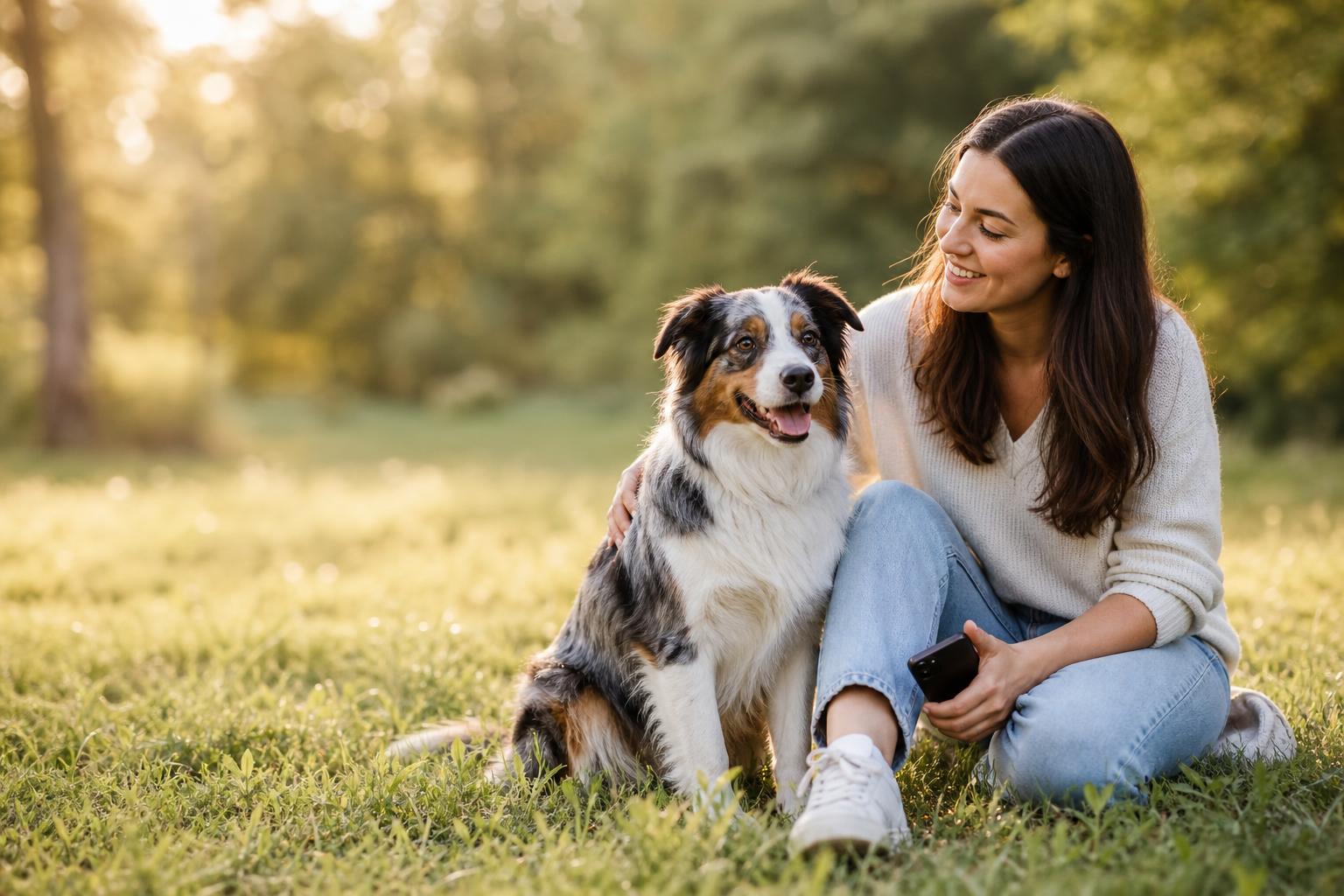
The strongest dog photos often include the human connection. A hand resting on a dog’s shoulder, boots beside paws in the dirt, a leash held loosely on a morning walk, or a dog leaning into a familiar leg can say a lot without showing a full face. These are the images that age well because they hold emotion without trying too hard.
If you share life with a therapy dog, show moments of calm interaction. If your dog is a service dog, photographs that capture teamwork and trust can be especially powerful. If your dog is first and foremost a companion, let affection lead the scene. Sit together in the grass. Share a bench. Rest on the porch after a long afternoon. There’s no need to overcomplicate it. Good bond photos come from stillness as often as action.
Seasonal Photo Ideas with Your Dog
Each season offers its own character, and that gives you easy variety through the year. Spring brings soft ground, fresh green growth, and clean morning light. Summer works well for lake edges, trails, porches, and sunset silhouettes. Fall is a gift for dog photography, with leaves, golden grass, and rich color that flatters nearly every coat. Winter can be striking too, especially if your dog’s breath shows in the cold air or snow frames the face without clutter.
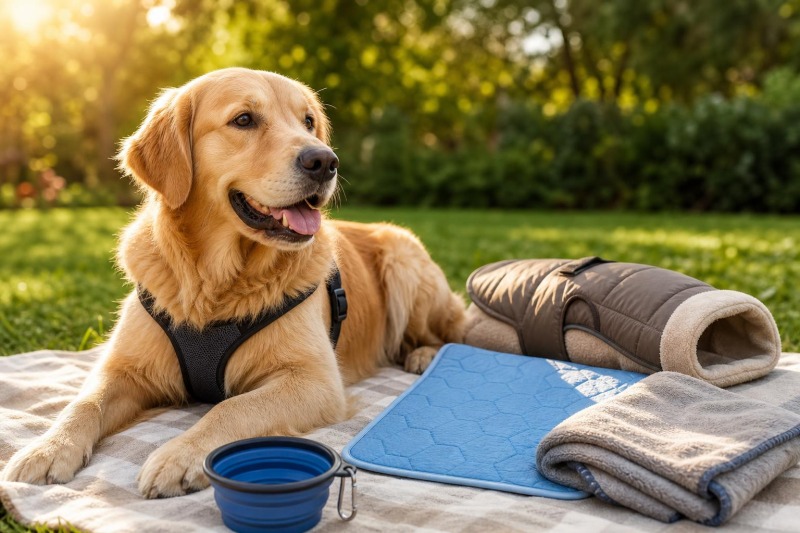
What matters most is that the season fits your dog’s comfort and your real life. Don’t drag a heat-sensitive dog into a long summer shoot or expect a short-coated dog to pose in snow for too long. A picture isn’t worth making your dog miserable. The best images come when your dog is comfortable enough to be themselves.
Training and Working Dog Photo Opportunities
For readers interested in service dogs and therapy dogs, training sessions offer excellent photo opportunities. A dog practicing a reliable heel, a focused down-stay, calm public behavior, or attentive eye contact can all make meaningful images. These photos tell a deeper story than a simple smile at the camera because they show discipline, trust, and progress.
Be respectful in how you present working dogs. Avoid turning serious work into a costume scene. Photograph the dog’s skill, steadiness, and relationship with the handler. That approach serves both the dog and the audience better. It also creates more useful, authentic content for a website like Companion Dog Central, where readers want real insight into what life with these dogs actually looks like.
Keep the Session Short and the Mood Easy
Most dogs do better when a photo session feels like part of the day rather than a grand production. Keep things moving, offer breaks, and don’t hammer away at one setup until everyone is tired of it. A few good frames are worth more than a hundred strained ones. Bring treats if your dog responds well to them, but don’t wave food around so much that every photo shows a distracted stare just above the camera.
Sometimes the best image of the day comes after you think the session is over. The leash goes slack, the dog sits down on their own, the wind shifts, and suddenly there it is: a look, a posture, a small honest moment that couldn’t have been staged. Those are the pictures folks keep.
Why These Photos Matter
Dog photos are not just decoration. They become part of a family record. They help people remember a training milestone, a season of life, a first year together, or the quiet confidence of a dog who gave comfort and service without asking for much in return. For those learning about therapy dogs, service dogs, and companion dogs, photographs can also teach. They show behavior, environment, equipment, and connection in ways plain description sometimes can’t.
If you’re looking for photo ideas with your dog, don’t chase perfection. Chase truth. Look for the moments that show loyalty, purpose, gentleness, and grit. Use the light you have. Work with the dog in front of you. Let the setting reflect real life. A good dog photo ought to feel like a familiar trail under your boots—steady, honest, and worth returning to.