A dog-friendly event may still be noisy, crowded, or tiring for a particular dog. Check the rules, plan breaks, and be ready to leave before the outing stops being comfortable.
For folks interested in companion dogs, therapy dogs, or service dogs, these events can be especially useful. They offer a real-world setting that no backyard drill can fully copy. A dog can be obedient at home and still unravel in a busy crowd. Another may be a little uncertain on a leash in public but blossom with the right guidance and exposure. A well-chosen event lets you see what kind of dog you truly have and what kind of training still needs doing.
Why Dog-Friendly Events Matter
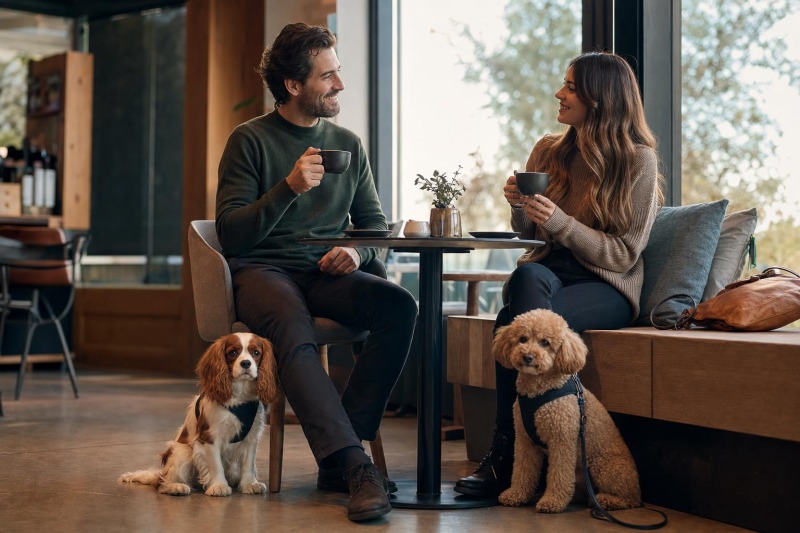
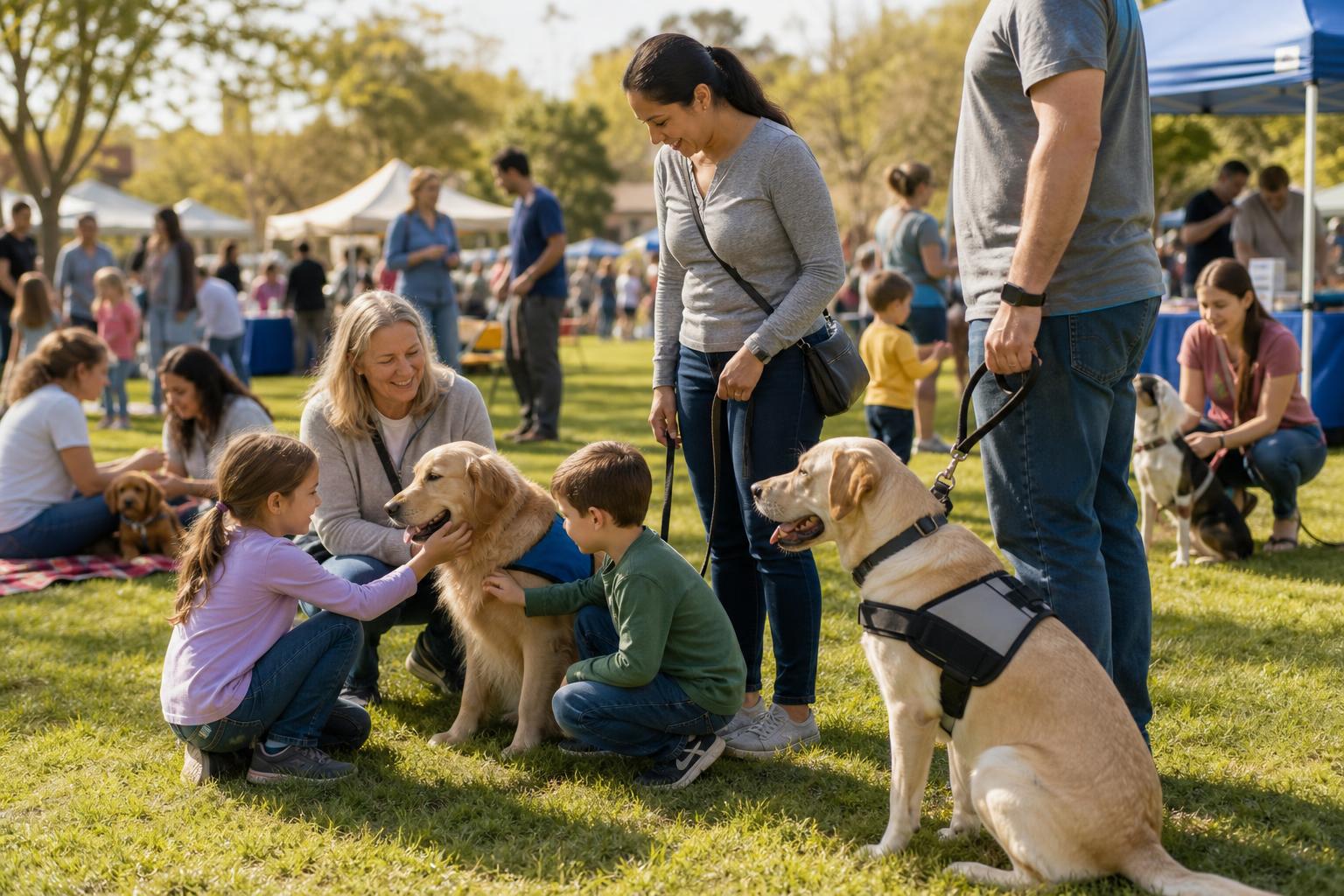
A dog-friendly event can be anything from a town festival to a charity walk, outdoor market, adoption fair, community fundraiser, training demonstration, or seasonal celebration at a local park. Some are built for families and pets. Others welcome dogs as long as handlers come prepared. The best of them create controlled chances for socialization without forcing a dog into more than he can handle.
That matters because socialization is not just about letting dogs meet everybody in sight. Real socialization is teaching a dog to move through the world without fear, overexcitement, or poor manners. Therapy dogs need that steadiness if they are going to comfort people in hospitals, schools, or care facilities. Service dogs depend on it even more, because their work often asks them to remain focused in chaotic places. Even a pure companion dog benefits from the same lesson. A dog who can settle at an event is easier to live with at restaurants, parks, family gatherings, and travel stops.
The dog they thought was “friendly” was actually overstimulated. The one they worried was timid simply needed time and a little room. Public events have a way of showing the seams, and that is not a bad thing. It gives you something honest to work with.
Choosing the Right Event for Your Dog
Not every dog belongs at every gathering. A seasoned, stable dog may enjoy a crowded street fair with music, food trucks, and foot traffic packed tight as cattails in a marsh. A younger dog, a dog in training, or a dog still building confidence may do better at a smaller event with wider walking space and fewer sudden surprises. Good handlers match the event to the dog, not the other way around.
If you are raising a future therapy dog, look for calm community events where your dog can practice polite greetings, ignoring dropped food, and settling beside you while people talk. If you are working with a service dog or service dog prospect, your focus should be on controlled exposure, obedience under distraction, and maintaining public access manners. If your dog is first and foremost a companion, choose events that reward relaxed interaction rather than nonstop stimulation.
A little homework goes a long way. Check whether the event is outdoors or indoors, crowded or spread out, noisy or quiet, and whether dogs are expected to mingle closely. Some events are better run than others. A thoughtful organizer will have space, water stations, clear traffic flow, and expectations for dog behavior. That tells you a lot before you ever clip on the leash.
Know Your Dog’s Limits
This is where experience matters more than enthusiasm. A dog may be healthy, social, and well-loved, yet still not be suited for a packed public event. Heat tolerance, age, mobility, anxiety, and reactivity all deserve respect. If your dog tires quickly, start small. If he startles easily, pick quiet environments and short visits. If he cannot pass another dog without lunging, your work belongs in training first, not in a crowd where everybody else has to pay for your lesson.
There is no shame in saying, “Not today.” In fact, that kind of judgment is the mark of a good dog owner.
Preparing Before You Go
Loose-leash walking, a sit, a down, a stay, a leave-it, and a solid response to his name are worth their weight in brass. These are not fancy skills. They are practical field tools for public life.
Your dog should also be comfortable with people passing close by, handling near his head or shoulders if appropriate, odd noises, and moments of doing absolutely nothing. That last one is often overlooked. Some dogs can move all day but cannot settle. A therapy dog especially needs an off switch. A service dog does too. Even a companion dog should learn that public outings are not a carnival built just for him.
Bring the right gear. A secure collar or harness, leash, water, cleanup bags, a portable bowl, and high-value treats cover most situations. If your dog works in a vest, make sure he is already comfortable in it. If the weather is hot, be realistic. Asphalt, humidity, and body heat from dense crowds can turn a pleasant outing into a dangerous one in a hurry.
Event Etiquette for Companion, Therapy, and Service Dogs
A dog-friendly event still requires dog sense. Just because dogs are allowed does not mean every dog should greet every other dog. One of the worst habits people bring into public spaces is assuming access equals invitation. It does not. A service dog may be actively working and should not be distracted. A therapy dog in training may need calm observation more than social excitement. A companion dog may be happiest walking past others with quiet confidence rather than nose-to-nose contact.
Keep enough space to let your dog succeed. Watch body language. Soft eyes, loose muscles, easy breathing, and responsive attention are good signs. Whale eye, lip licking, tucked posture, hard staring, stiff movement, or frantic pulling tell you your dog is reaching a limit.
That kind of handling protects everybody. It also builds trust. Dogs learn quickly when their person listens to them. A dog that feels guided rather than dragged is more likely to grow in confidence over time.
Service Dog Considerations in Public Spaces
For readers learning about service dogs, it is important to understand that dog-friendly events are not the same thing as public access rights. Legitimate service dogs are trained to perform tasks for a person with a disability, and their role is not entertainment. If you attend a dog-friendly event with a service dog, the standard should remain high. The dog should be under control, focused, and able to ignore the bustle around him. Training prospects can gain valuable exposure, but only in ways that protect the dog’s confidence and working future.
It also helps the public when service dog handlers model clean etiquette. No excessive barking, no wandering leash, no soliciting attention. Steady work in public educates folks better than a lecture ever will.
How Dog-Friendly Events Build Better Dogs
Early on, that dog wanted to look at everything. His ears flicked, paws shifted, and his nose twitched like a hound cutting fresh sign. But his handler kept things fair and simple. A few steps away from the thickest traffic, a couple of calm cues, a reward for eye contact, and a short break under a tree. By the end of the afternoon, that dog had found his rhythm. Not perfect, but honest. That is how good public dogs are made, one manageable lesson at a time.
Dog-friendly events help build neutrality, and neutrality is gold. Too many people chase friendliness when what they really need is composure. A therapy dog should be kind and approachable, yes, but also steady. A service dog must be dependable under pressure. A companion dog becomes a joy to live with when he can exist peacefully in the wider world without demanding to chase, greet, bark, or bolt toward every passing distraction.
These events also help handlers improve. Timing, leash handling, awareness, and reading canine body language all sharpen when practiced in real settings. You begin to notice what triggers excitement, what builds confidence, and when your dog needs relief before stress spills over.
When to Leave Early
Some of the best outings end sooner than planned. If your dog is overheating, shutting down, getting mouthy, fixating on other dogs, refusing food, or struggling to respond to familiar cues, that is useful information. It means the event has become too much for that moment. Pack up and go while you can still leave on a decent note.
There is a trap many owners fall into. They think staying longer will somehow teach resilience. Most often it teaches the opposite. Flooding a dog with too much stimulation can deepen stress and undo confidence. Better to leave after twenty productive minutes than grind through two miserable hours.
Finding Dog-Friendly Events Near You
If you are looking for dog-friendly events, start local. Community calendars, pet supply stores, veterinary clinics, dog training clubs, parks departments, rescue groups, and therapy dog organizations often post upcoming opportunities. Farmers markets, charity walks, holiday parades, and educational pet expos can all be worthwhile, depending on how they are run. For people interested in buying or raising a future therapy, service, or companion dog, these events can also reveal which environments fit your lifestyle.
The right dog is not just about breed, size, or looks. It is about temperament, adaptability, and how the dog handles the real world. Spending time at well-run public events can teach you that faster than any glossy sales pitch.
At their best, dog-friendly events bring people and dogs together in a way that strengthens both. They can sharpen training, build confidence, and show you the truth of your dog’s character under honest conditions. For companion dogs, they add richness to everyday life. For therapy dogs, they help shape the calm, social steadiness their role demands. For service dogs and prospects, they offer carefully managed exposure that supports reliable public behavior.
Go in with clear eyes, a fair hand, and respect for your dog’s limits. Do that, and even a simple outing can become part of building a dog you can trust anywhere the road turns.