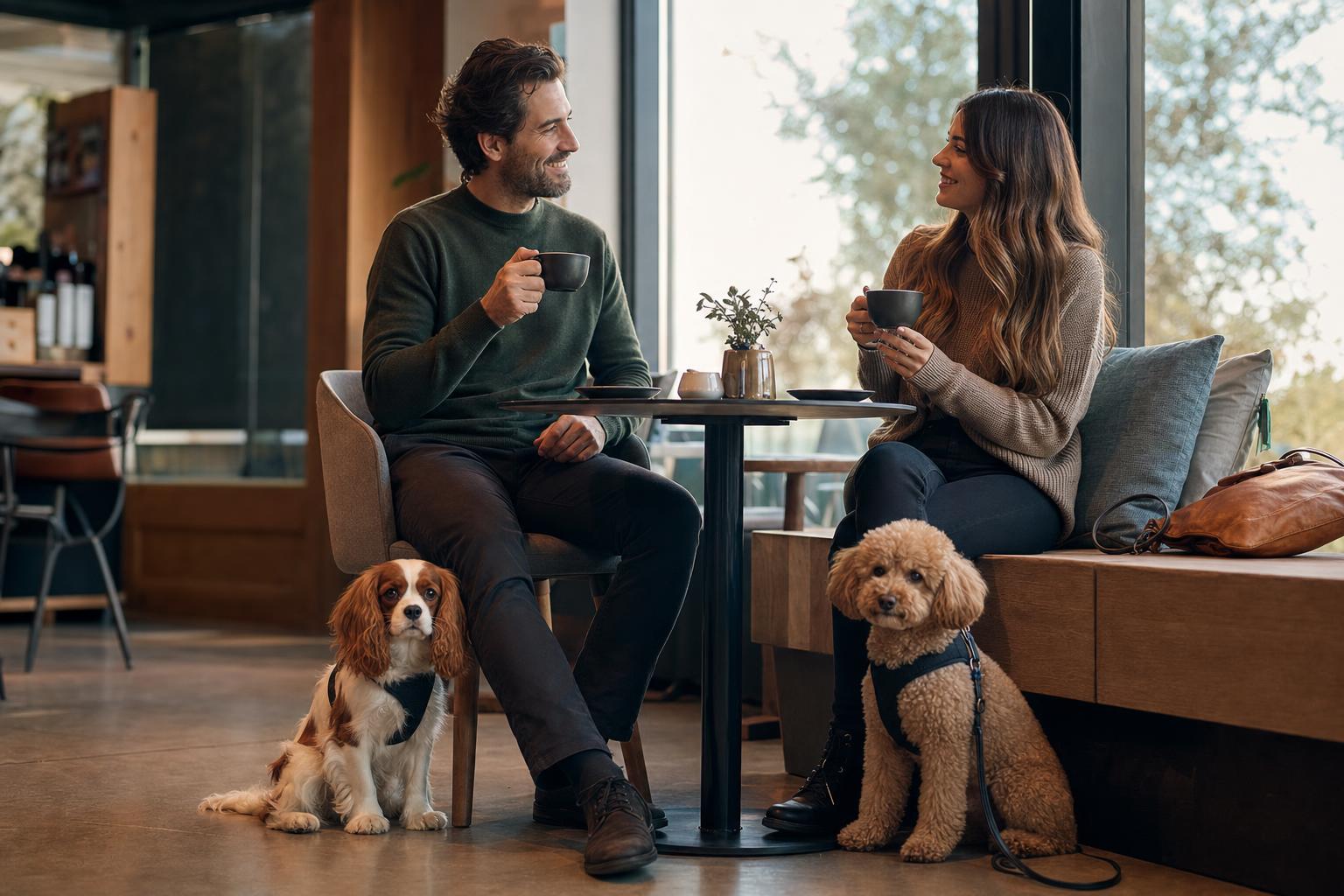
Before taking a small dog to a café, check whether dogs are permitted and whether the setting suits the individual. A comfortable resting spot and an easy exit are useful parts of the plan.
For people researching a companion dog, a therapy dog, or even certain kinds of service dog work, the café environment tells you a lot. It shows how a dog handles noise, strangers, smells, food distractions, and cramped quarters. A dog café does the same thing in a modern setting. It shines a bright light on temperament.
Why Small Dogs Often Do Well in Dog Cafés
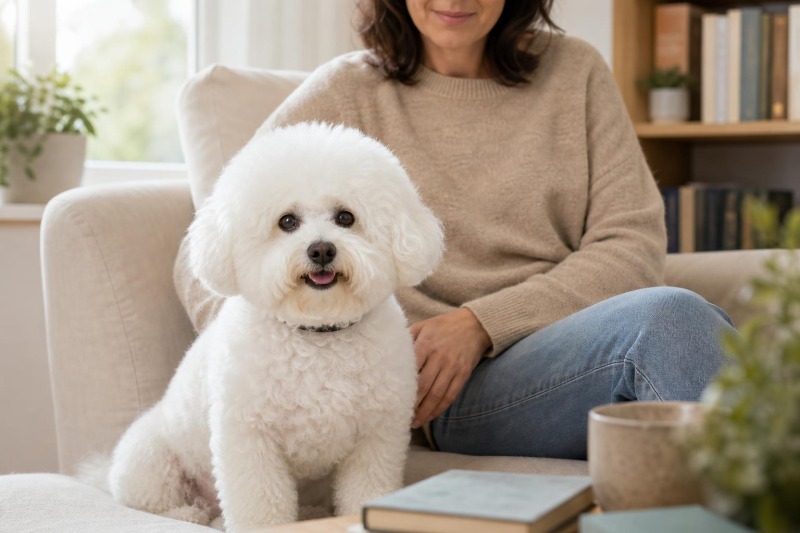
Small dogs have some honest advantages in café spaces. They take up less room under a table, are easier to guide through tight walkways, and can often settle comfortably on a mat without feeling boxed in. For apartment dwellers and city owners, that matters. A well-bred, well-socialized small companion dog can fit into everyday public life with a kind of practical grace that larger dogs sometimes struggle to manage in tight quarters.
That does not mean every small dog is naturally suited for café life. Size alone never tells the whole tale. What matters is stability. A dog café is best for a small dog that can stay relaxed, ignore dropped crumbs, tolerate passing dogs, and recover quickly from surprise noises. If a little dog startles, barks sharply, or clings in panic, the setting may be too much too soon.
For those interested in therapy dog potential, cafés can be useful proofing grounds. A future therapy dog must be comfortable around new people, unusual scents, wheelchairs, canes, children’s voices, and sudden movement. A calm café visit will not qualify a dog for therapy work, but it can help you see whether your small dog carries the right kind of social steadiness.
Temperament Matters More Than Breed Trends
Folks often ask if certain small breeds are better for dog cafés. The honest answer is that breed tendencies help, but individual temperament carries more weight. Cavalier King Charles Spaniels, Havanese, Toy and Miniature Poodles, Maltese, and well-bred Shih Tzus often have traits that suit public companionship. They can be people-oriented, adaptable, and eager to stay close. Still, a nervous Poodle is a poor café dog, and a confident mixed-breed rescue with steady nerves may be excellent.
If your interest leans toward service work, remember that public access standards are serious. Not every small dog is suited to service tasks, and not every dog in a café should be there simply because the owner enjoys the outing. A true service dog must remain under control, unobtrusive, and task-trained for a disability. A café can be a training environment, but only if the dog already has the stability and obedience to handle it properly.
What a Dog Café Reveals About a Small Dog
A dog can look polished in the living room and still come loose in a public setting. At a café, the floor smells like a map of every dog that passed through. Cups clatter, milk frothers hiss, doors open, children squeal, and somebody always drops a pastry crumb at the wrong time. That is where you find out whether your small dog truly knows how to settle.
A good café dog is not the one doing tricks for attention. It is the one resting quietly, checking in with the handler, and showing no need to control the room. For companion dogs, that kind of calm makes ordinary life easier. For therapy dogs, it is a stepping stone toward reliability in more demanding public interactions. For service dogs, it is nonnegotiable.
Watch the small things. Does your dog fixate on every passing animal? Does she tremble when strangers lean in too fast? Does he bark when servers appear with trays overhead? Those are not moral failings, and they do not mean your dog is bad. They simply tell you what training or management is still needed. Good handlers pay attention to the dog in front of them, not the dog they wish they had.
Signs Your Small Dog Is Ready
A small dog ready for dog cafés usually walks in without pulling or planting its feet. It can lie down on cue, remain quiet around food, and accept nearby movement without escalating. It should recover quickly if startled and be able to disengage from another dog when asked. Stability is often quiet, and that is exactly what you want.
Training Before the First Café Visit
The best first café trip starts at home. Teach a reliable settle on a mat. Practice under-table positioning if the dog is small enough to rest there comfortably. Work on leave it, loose-leash walking, and calm observation. Let the dog learn that public spaces are not invitations to react to everything under the sun.
Short sessions beat marathon outings. Ten good minutes are worth far more than an hour that frays the dog’s nerves. Bring a mat, fresh water if needed, and high-value rewards used sparingly and quietly. The goal is not to entertain the dog nonstop. The goal is to teach the dog how to exist calmly while life unfolds around it.
If you are preparing a therapy dog prospect, focus on neutrality. People often reward sociability so heavily that the dog learns to seek attention from everyone. In therapy work, friendliness matters, but composure matters more. In a dog café, your small dog should be pleasant without becoming frantic for greetings. That line is finer than many new owners realize.
Dog Café Etiquette for Owners of Small Dogs
A small dog does not get a free pass because it is easy to pick up. Barking, lunging from laps, pestering other dogs, or begging at neighboring tables can sour a place fast. A dog café should feel welcoming, not chaotic.
Keep your dog close and out of walkways. Do not allow greetings unless both parties want them. Never let a dog stare down another dog from across the room, even if it stays silent. Hard staring can cause trouble just as surely as barking. Respect staff, house rules, and sanitation expectations. And if your dog is overwhelmed, leave early. There is no shame in calling it a day. The seasoned hand knows when to press forward and when to back out clean.
When a Dog Café Is the Wrong Choice
Some small dogs simply do not enjoy that kind of environment, and there is wisdom in accepting it. A dog with high anxiety, strong reactivity, guarding issues, or medical fragility may be better served by quieter outings. The same goes for puppies too young to cope well or dogs in the middle of behavioral rehabilitation. Not every good companion dog needs to be a café dog. Good ownership is about fit, not forcing a lifestyle for appearances.
How Dog Cafés Fit Companion, Therapy, and Service Dog Goals
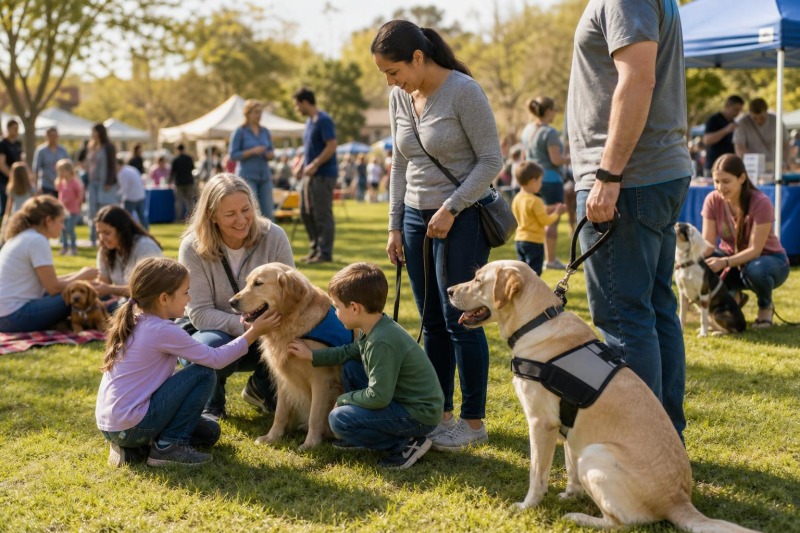
For companion dogs, cafés can strengthen everyday partnership. A dog that can join you politely in public often feels more woven into family life. For therapy dog candidates, supervised café visits can help build neutrality, patience, and confidence around varied human activity. For service dog handlers and trainers, cafés may serve as one more real-world setting to proof obedience, settling, and task composure, provided the dog is ready for that level of work.
Still, every category carries different expectations. A companion dog may only need solid manners and comfort in public. A therapy dog needs a deeply social yet steady nature. A service dog must meet a much higher standard of training and control. The café setting can support those goals, but it should never replace proper evaluation, health screening, or structured training.
When the match is right, dog cafés and small dogs go together as neatly as a worn leather lead and a familiar hand. The best small dogs in these spaces are not there to perform. They are there to rest, observe, and move through the world with quiet confidence. That comes from temperament, training, and a handler willing to read the dog honestly.
If you are choosing a future companion dog, therapy dog prospect, or service dog candidate, spend less time chasing trends and more time studying steadiness. A café can show you a lot about a dog’s nerves and manners in a short span. And if your little dog proves comfortable there, that is more than a charming outing. It is a sign that the dog may be built for close partnership in the busy human world.